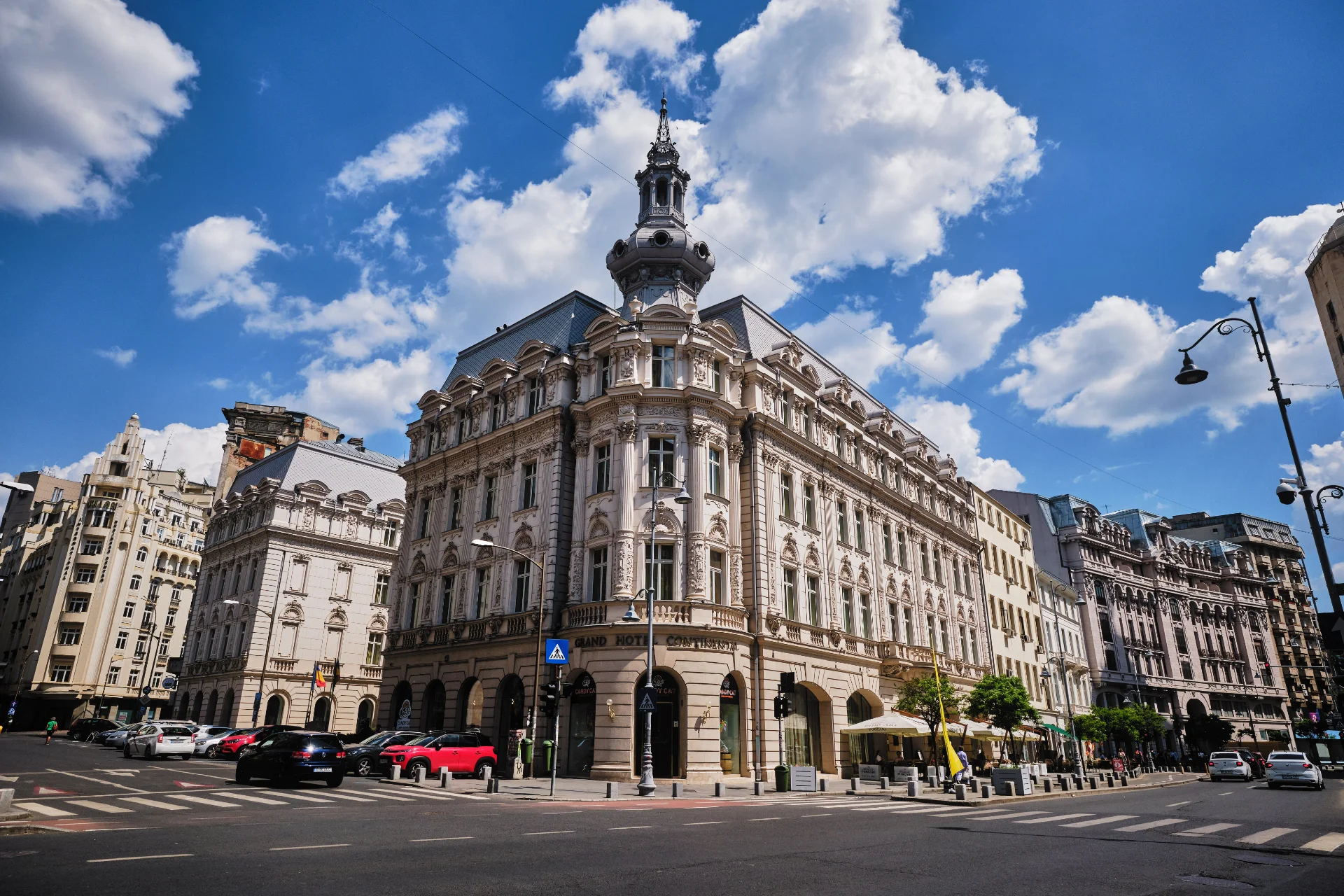
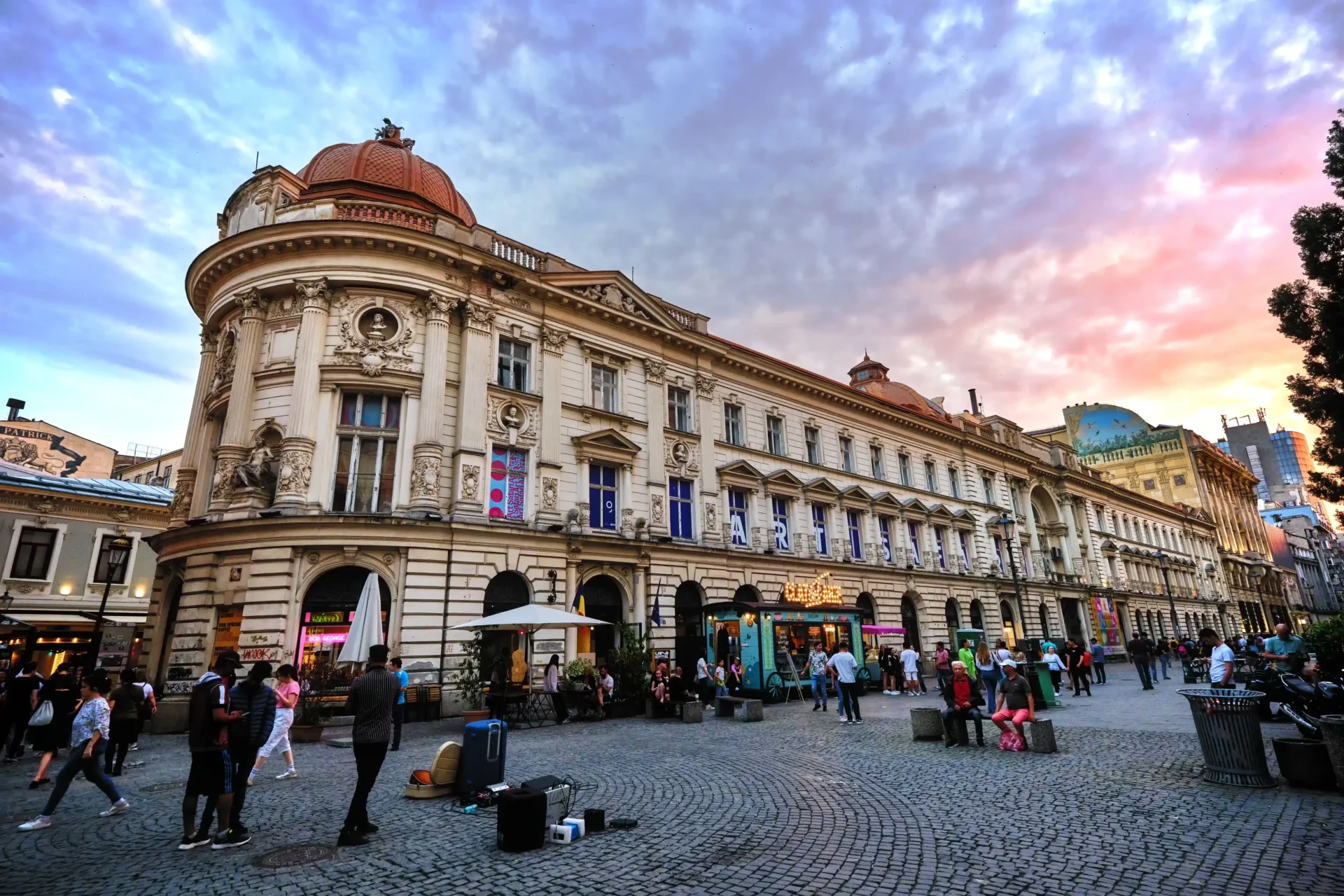
A destination full of unique contrasts and hidden charm, Bucharest brings together an impressive number of attractions and complex experiences on the banks of the Dâmbovița River, from grandiose contemporary structures to ancient architectural masterpieces, and from countless fascinating museums to natural oases that enliven the often monotonous urban landscape!
If we were to compare Bucharest to a book with older and newer pages, whose plot can be deciphered from the summary provided by the old city center, in order to discover the entire story and its outcome, we must explore other streets and neighborhoods in the surrounding area. In this way, we can discover unusual and surprising places, taken from the distant or recent past, some of which have only just appeared in the landscape of a rapidly developing metropolis. Often lost in the middle of a stormy ocean of glass, metal, and concrete, beyond the waves of hurried passersby and the constant assault of sirens and horns, Bucharest still holds many secrets that only the persistent traveler can unravel.
In addition to the amazing heritage concentrated in the Historic Center and on Victory Avenue, Romania’s capital offers a variety of other tourist attractions scattered throughout the city. The most important places include the Palace of Parliament and the Cathedral of the Nation’s Salvation, the complex of monuments on Mitropoliei Hill, Cișmigiu and Herăstrău parks, the museums on Kiseleff Road, and many others. Access to these is fairly easy with the public transport system, but traffic often becomes very congested. The best times to visit the city are the spring and autumn weekends, when the sometimes intimidating pace of the metropolis slows down and its hidden charm is revealed more clearly.
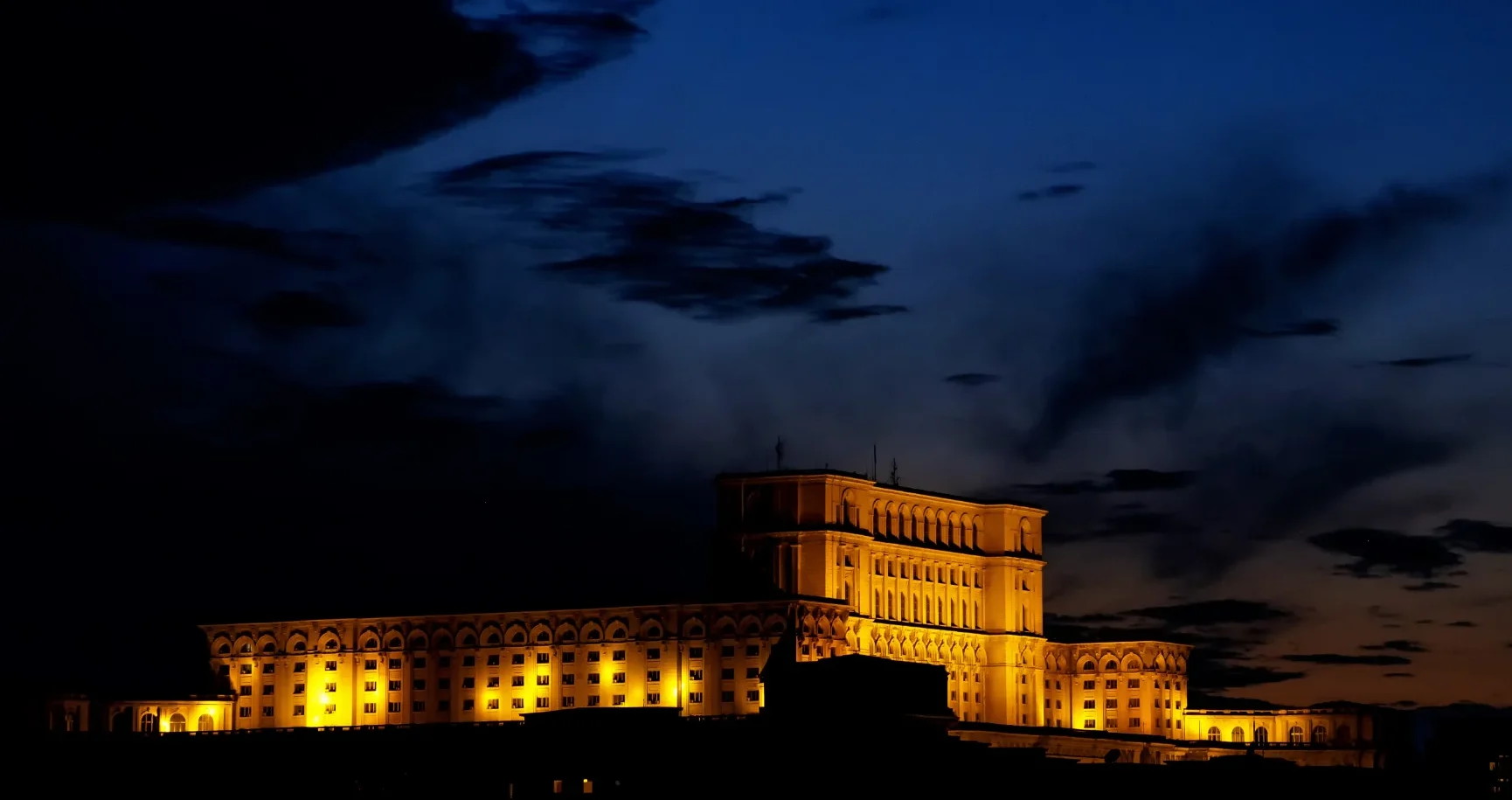
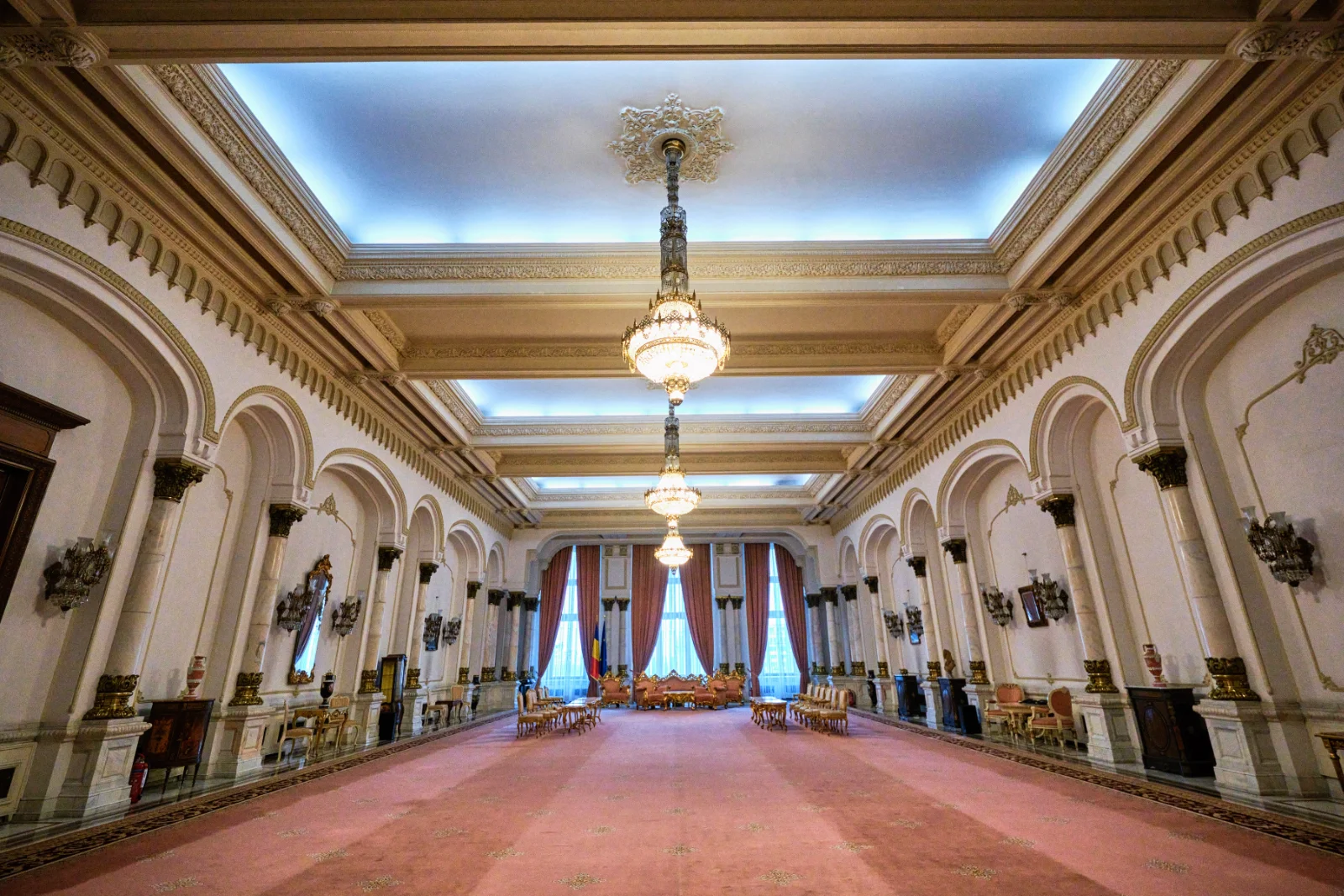
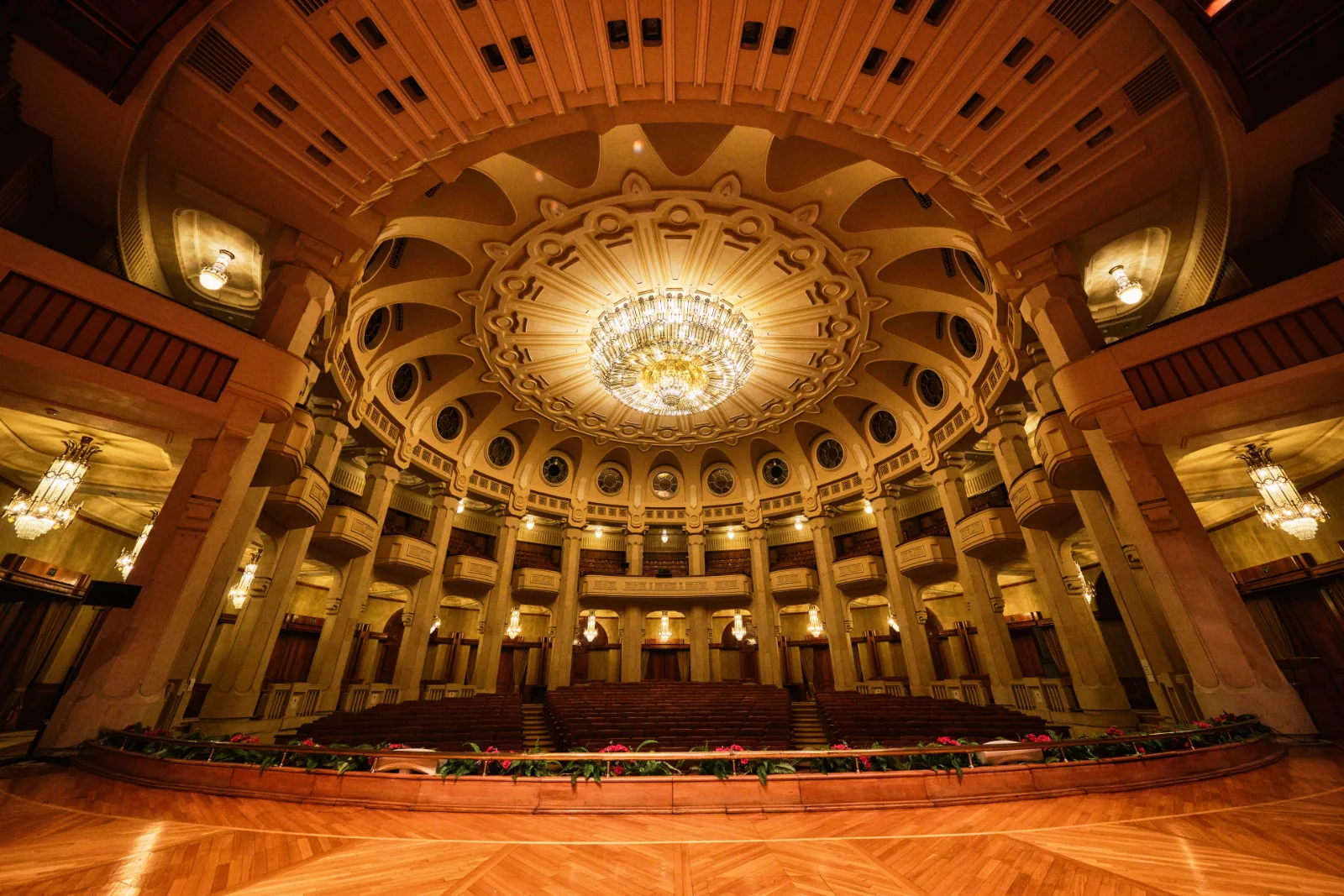
Spending more than a day exploring Bucharest, we will surely encounter the massive silhouette of the Palace of Parliament, known to all as the People’s House and one of the city’s most famous attractions, even if not always for the right reasons. During the final years of the communist regime, Nicolae Ceaușescu wanted a monument that would match his enormous ego. The highly controversial project also included other urban changes that led to the demolition of a huge part of the old city, with many of its priceless monuments lost forever.
This massive structure holds a number of records, being the second largest administrative building in the world in terms of surface area and the third in terms of volume, but the first in terms of weight and cost. In terms of architecture, a socialist realist style was imposed, although it does feature some neoclassical modernist elements. We can discover this overwhelming place by walking around the outer courtyard of the building or by participating in guided tours that reveal to visitors the formidable halls and spaces inside. The palace also houses the National Museum of Contemporary Art, which presents permanent and temporary collections on the recent history of Romanian art.
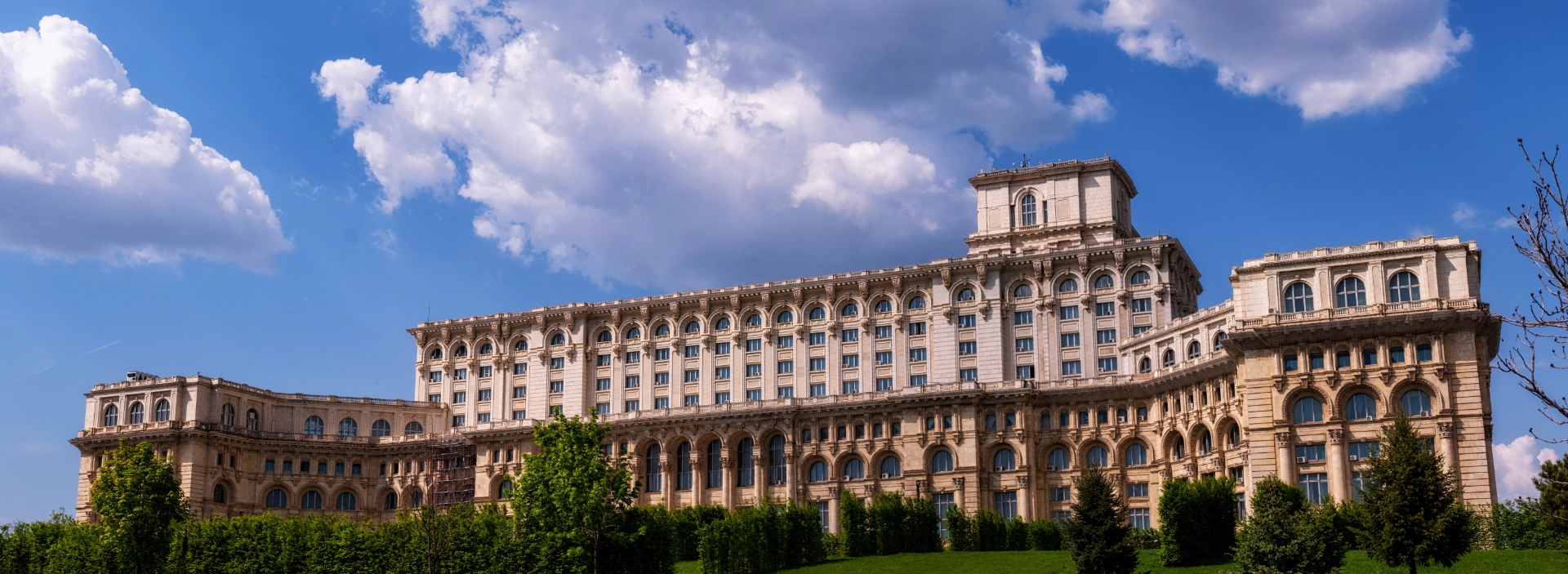
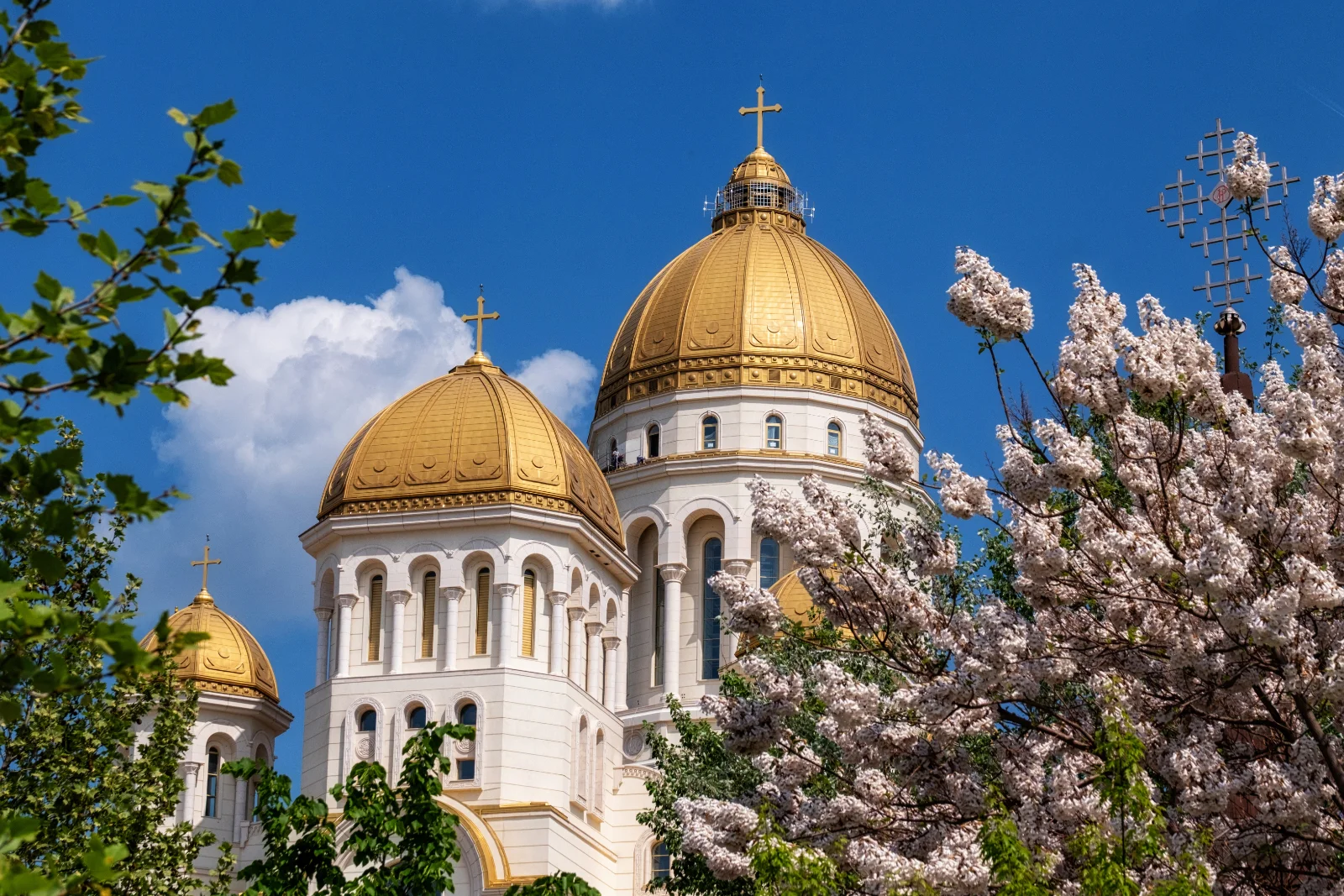
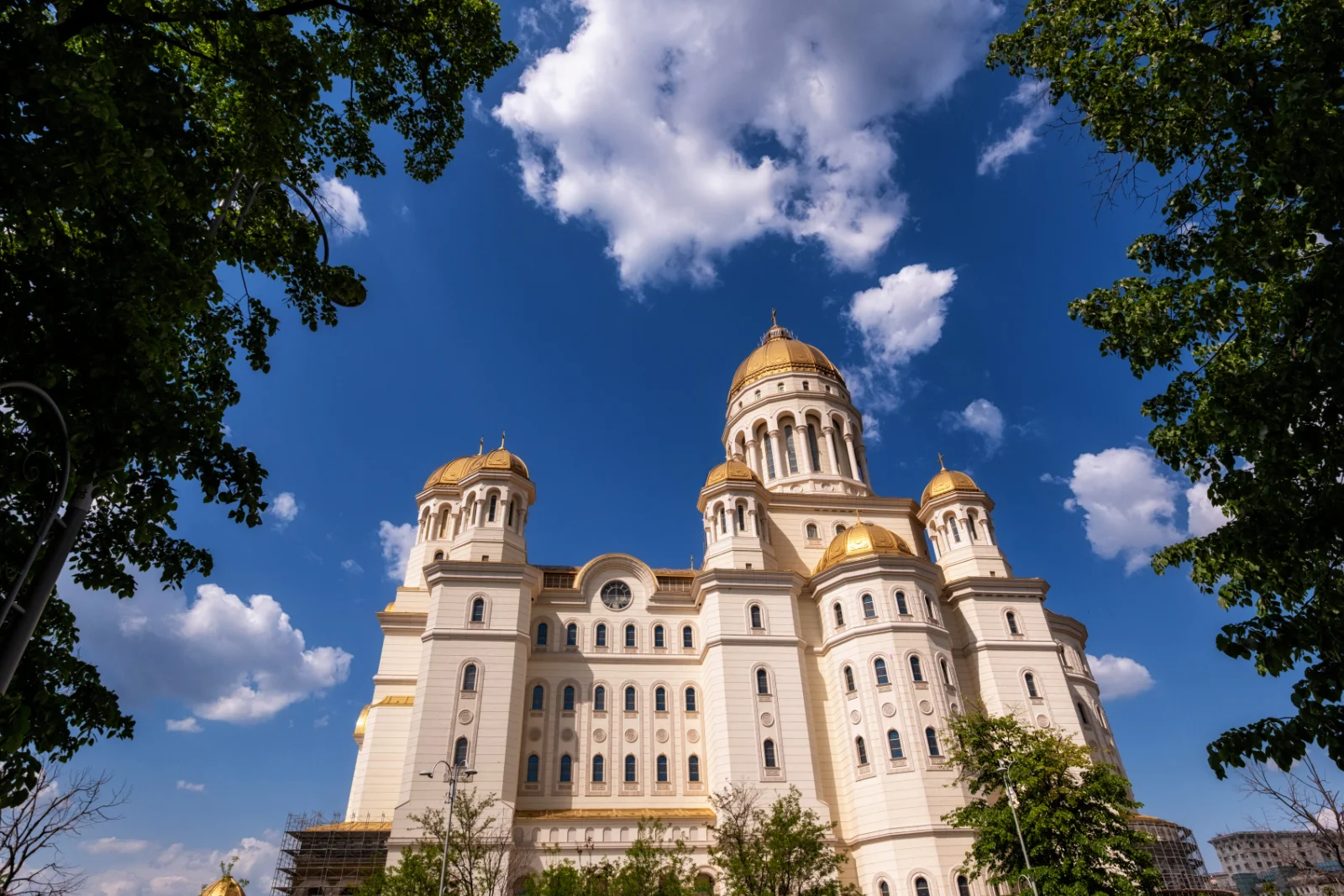
In the southwestern corner of the palace, we cannot overlook a new addition to Bucharest’s urban landscape. Perhaps inspired by or competing with the giant next door, the National Salvation Cathedral was also designed as a record-breaking monument, although its presence seems to warm the cold walls of the palace. Begun in 2010 and consecrated in 2025, on the centenary of the Romanian Patriarchate, the cathedral is the largest (capacity 5,000 people) and tallest (127 meters) Orthodox church in the world. It also has the most extensive collection of mosaics and the largest working bell, among other superlatives. The complex includes the cathedral itself, but also two apostolic buildings, a series of porticoes, an extensive esplanade, and other structures with various functions.
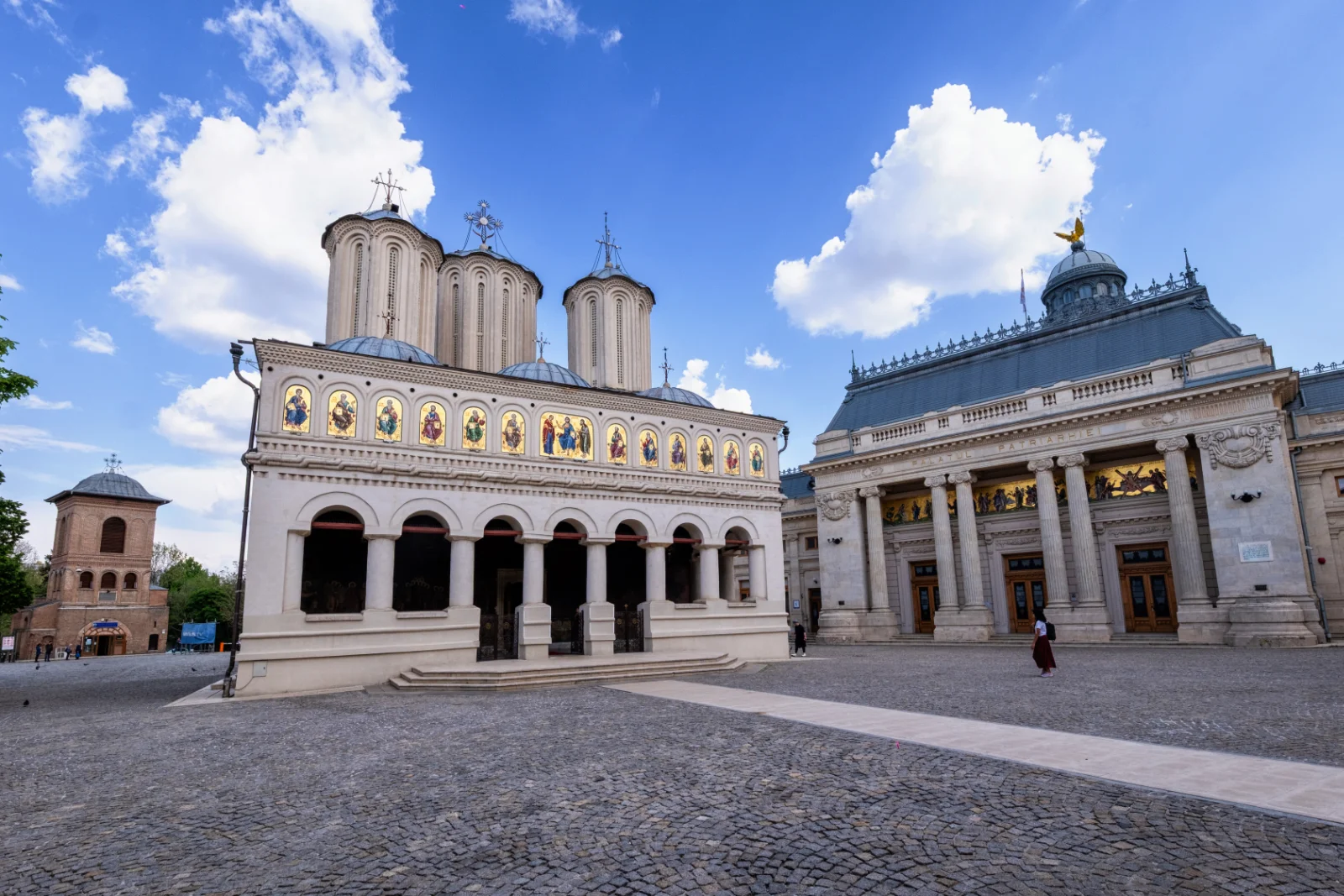
Once a hill covered with vines, Mitropoliei (Patriarchate) Hill was in the past the site of a monastery surrounded by fortress-like walls. Located south of the old town and west of the Palace of Parliament, this hill has witnessed many historical events, including the election of A.I. Cuza as ruler of Wallachia on January 24, 1859. It is worth visiting the exceptional ensemble of historical monuments, in the center of which stands the Patriarchal Cathedral, built in the mid-17th century and rebuilt several times, its architecture being inspired by the church of the Curtea de Argeș monastery.
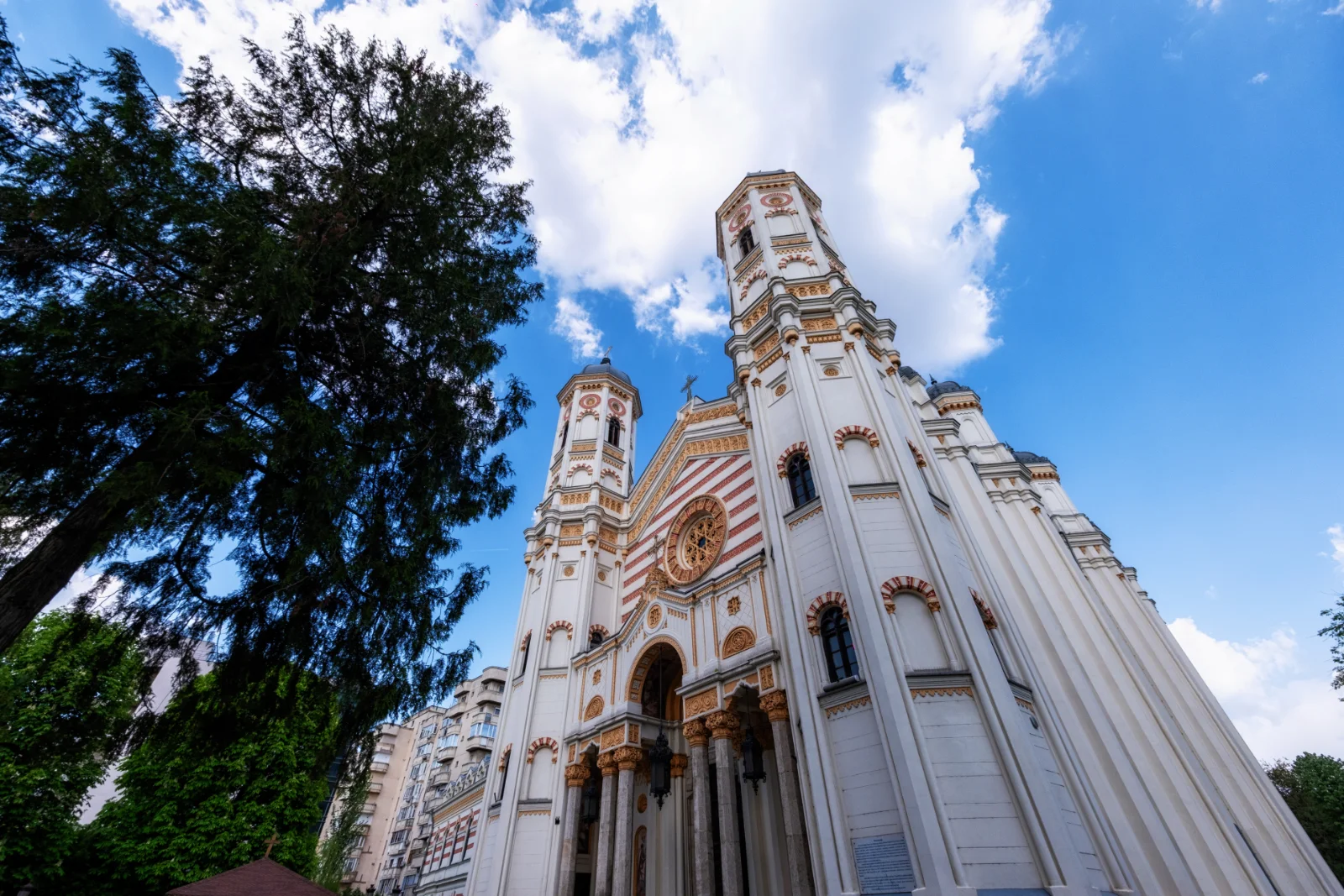
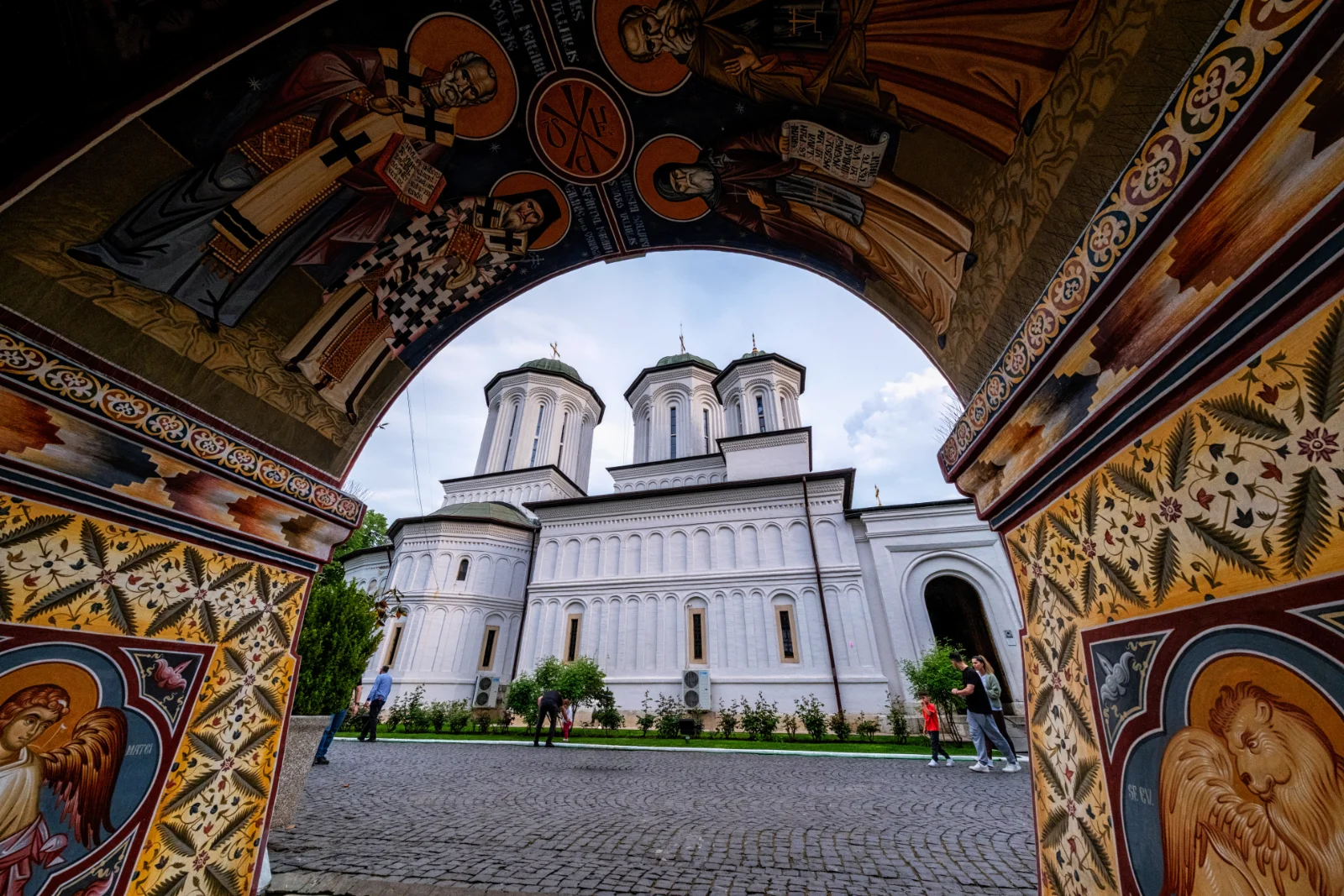
At the same time, the Patriarchal Palace was built, initially serving as the abbot’s residence and gradually expanded and transformed into the headquarters of the Romanian Patriarchate. The Palace of the Chamber of Deputies was built in 1907 and features numerous interesting architectural and decorative elements. The complex of monuments also includes the Bell Tower (the former gate of the monastery), built during the time of Constantin Brâncoveanu. Near this impressive complex, we find several other fascinating places, such as Unirii Square with its superb ensemble of fountains, the Radu Vodă Monastery with a history of almost five centuries, the new building of the National Library, the Church of “Sfântul Spiridon” – Nou Church (1852-1858), and Bucur Church (possibly the oldest in Bucharest).
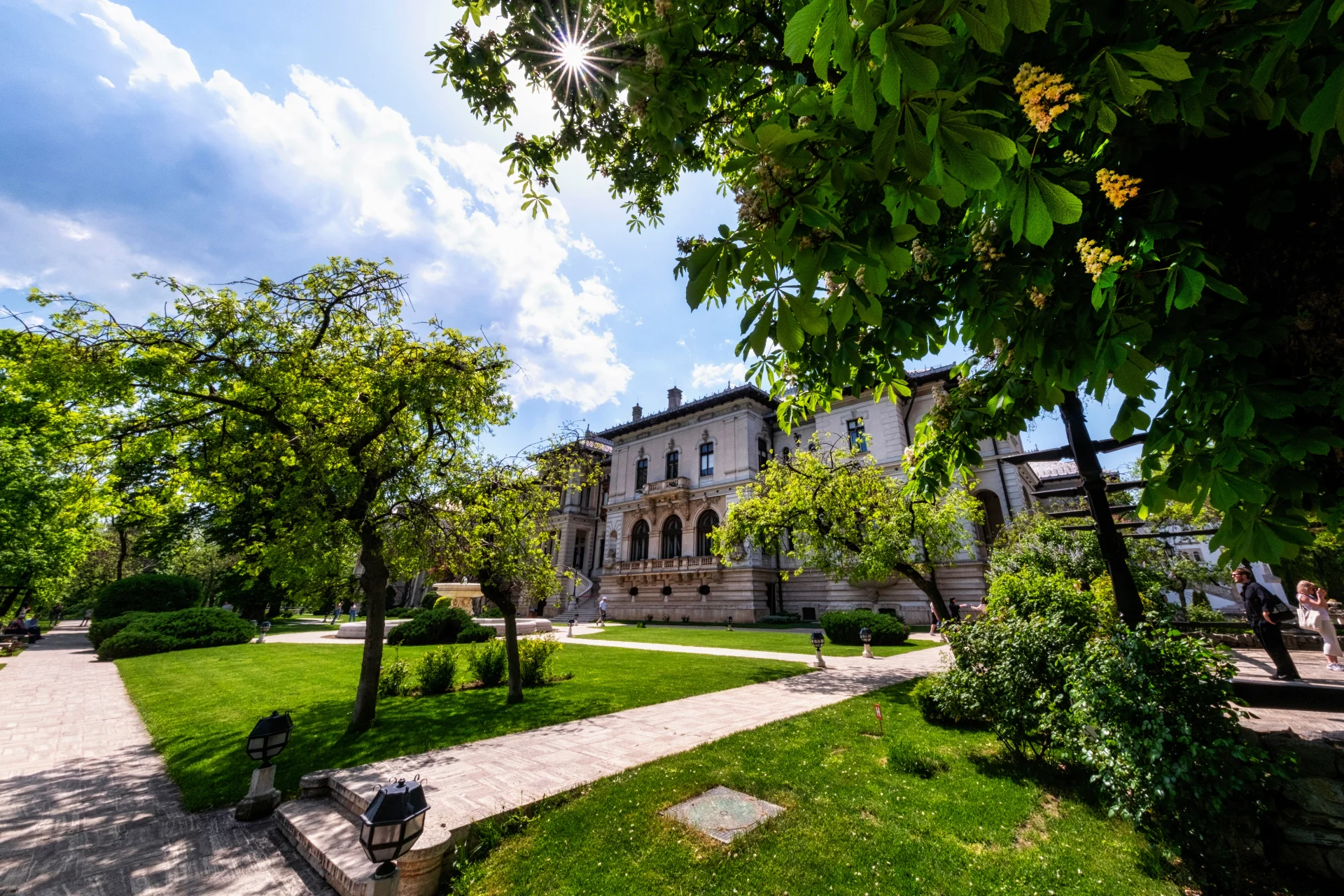
A short distance east of the Palace of Parliament, Cotroceni Palace is now the seat of the Romanian Presidency, but in the past it served as a royal residence, after initially being a monastery built by Prince Șerban Cantacuzino at the end of the 17th century. The palace was built at the end of the 19th century, designed by architect Paul Gottereau, and later expanded and renovated over time. Today, on certain days, we can freely explore the estate’s beautiful gardens and visit the Cotroceni National Museum, housed in the historic part of the palace. This offers us the opportunity to discover a rich collection of paintings, sculptures, religious art, decorative art, old books, and photographs.
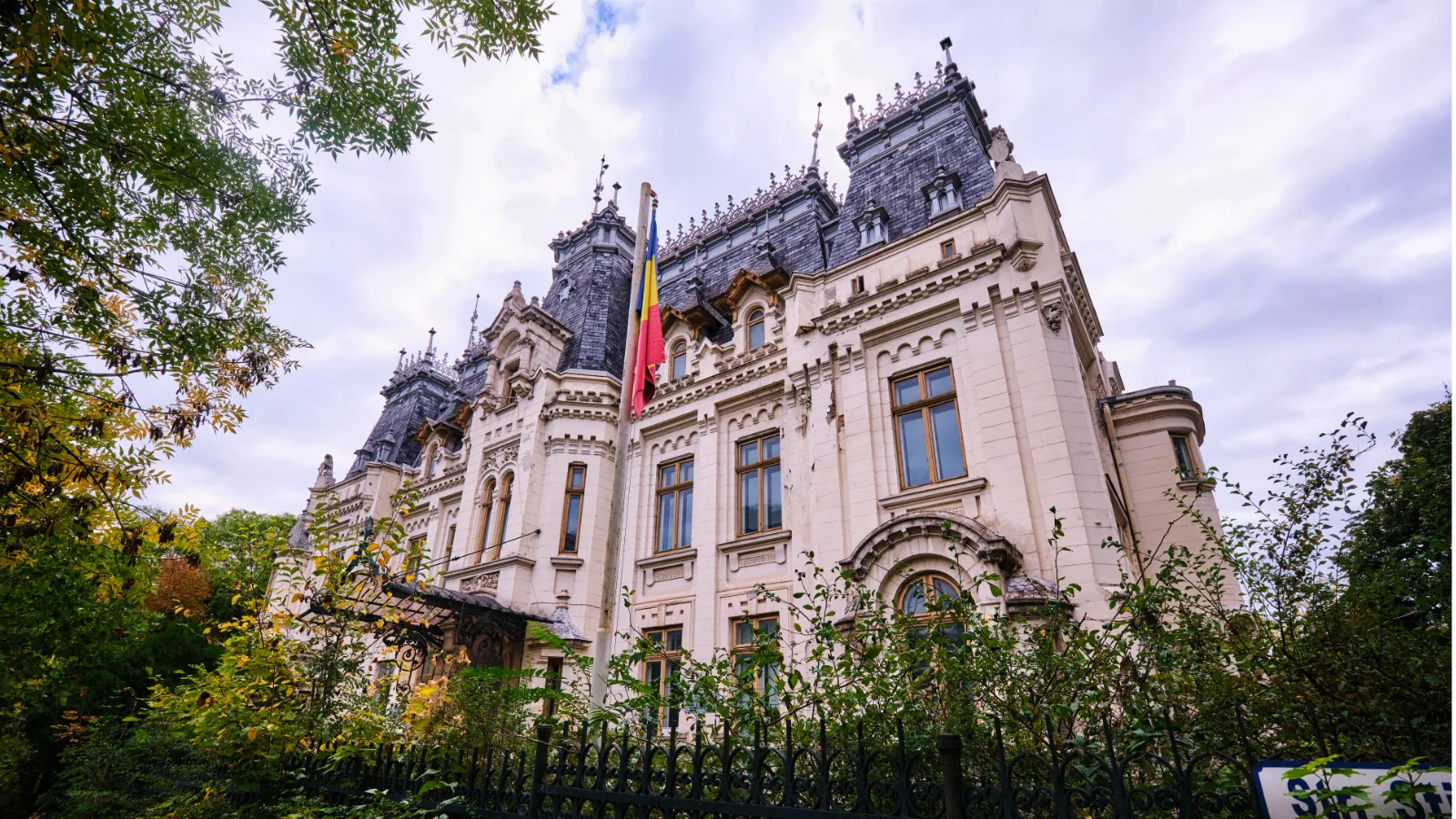
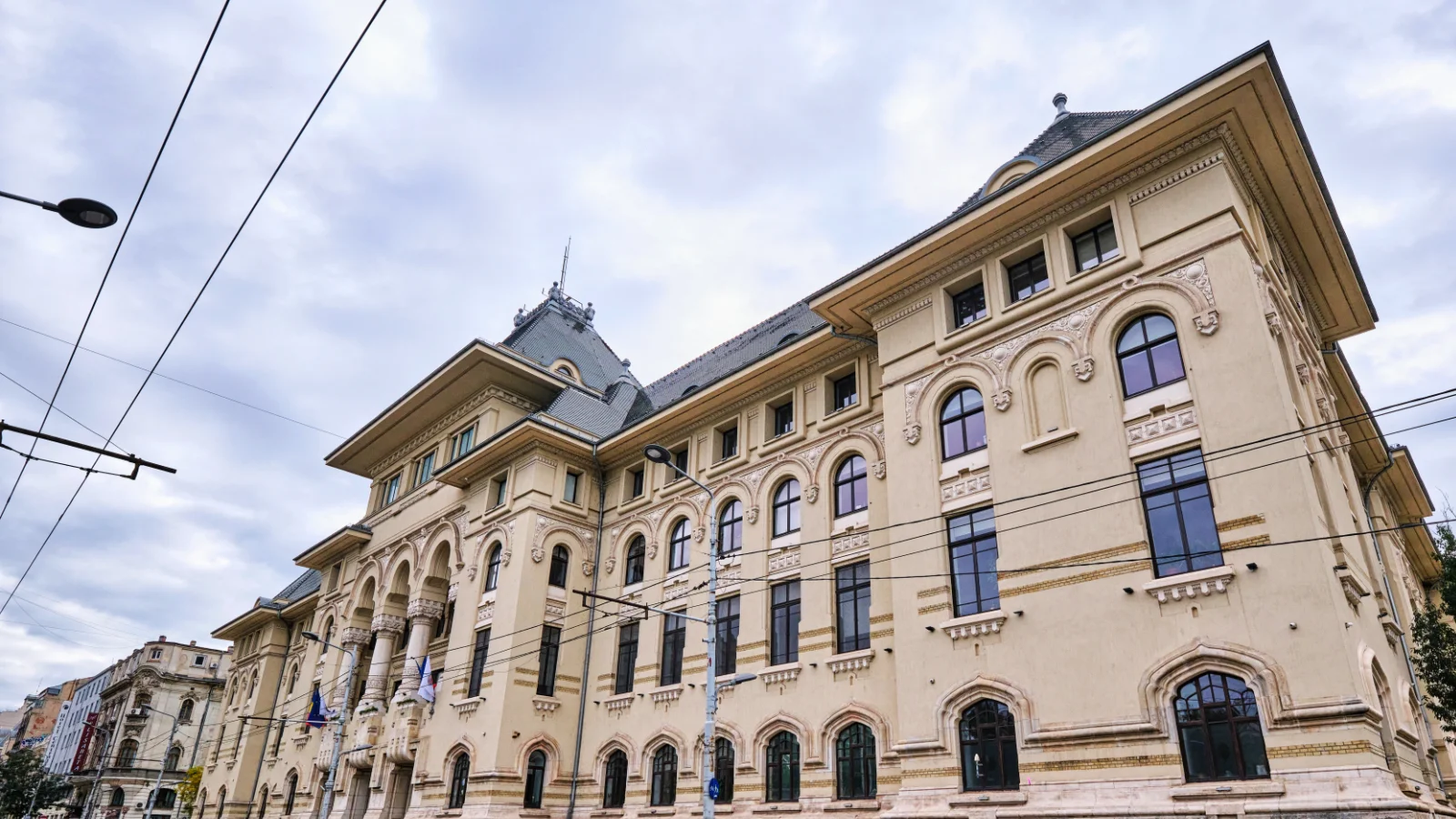
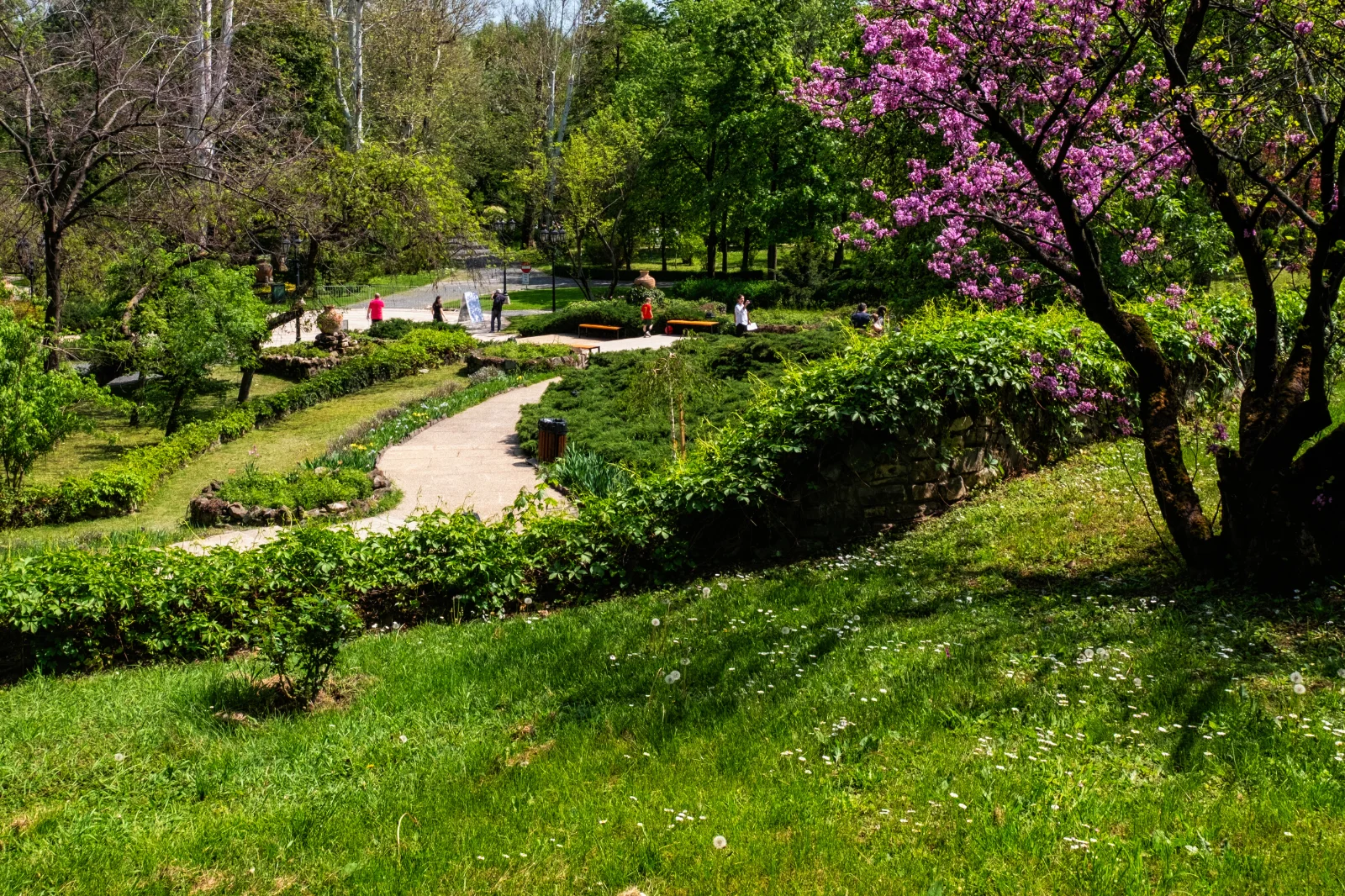
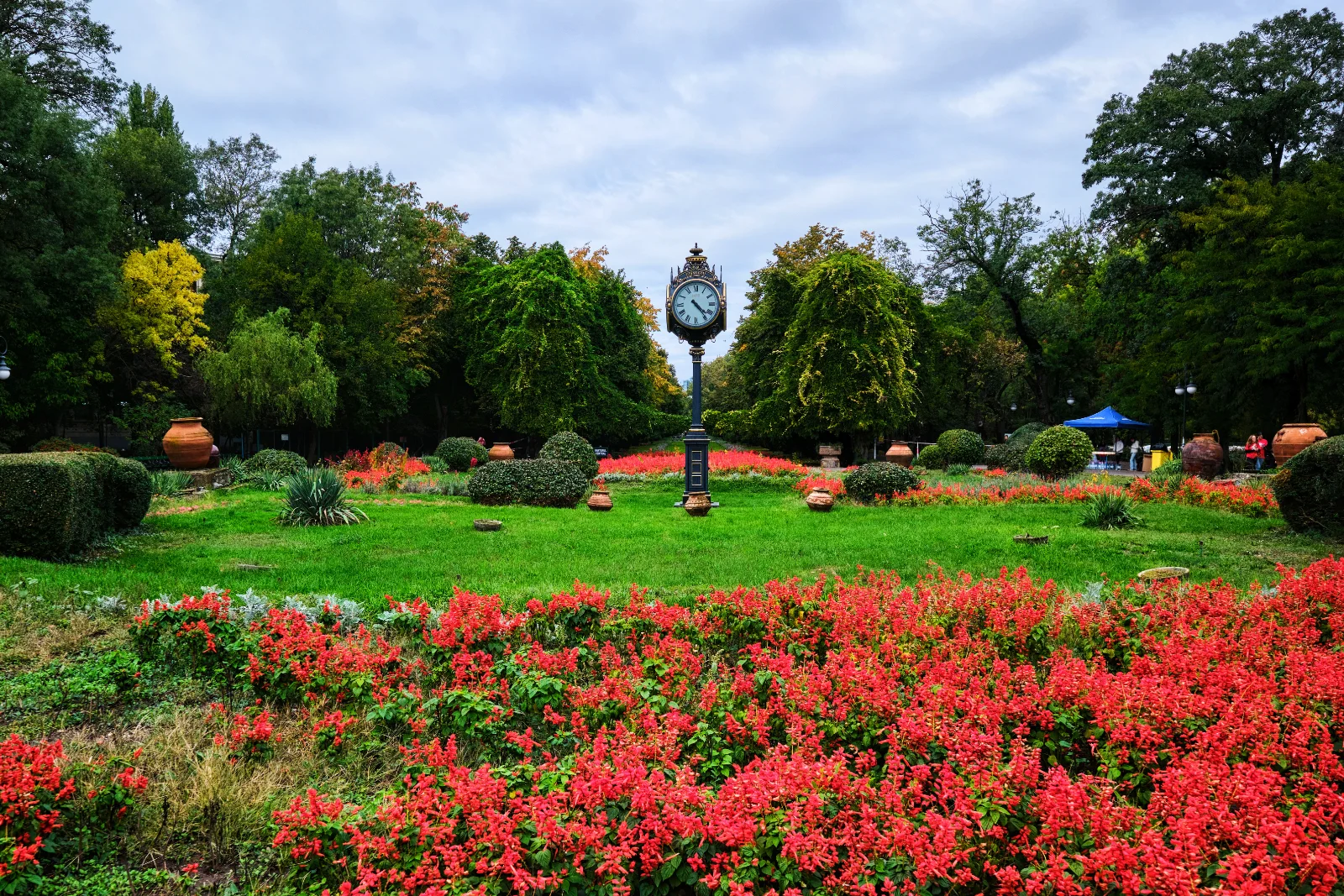
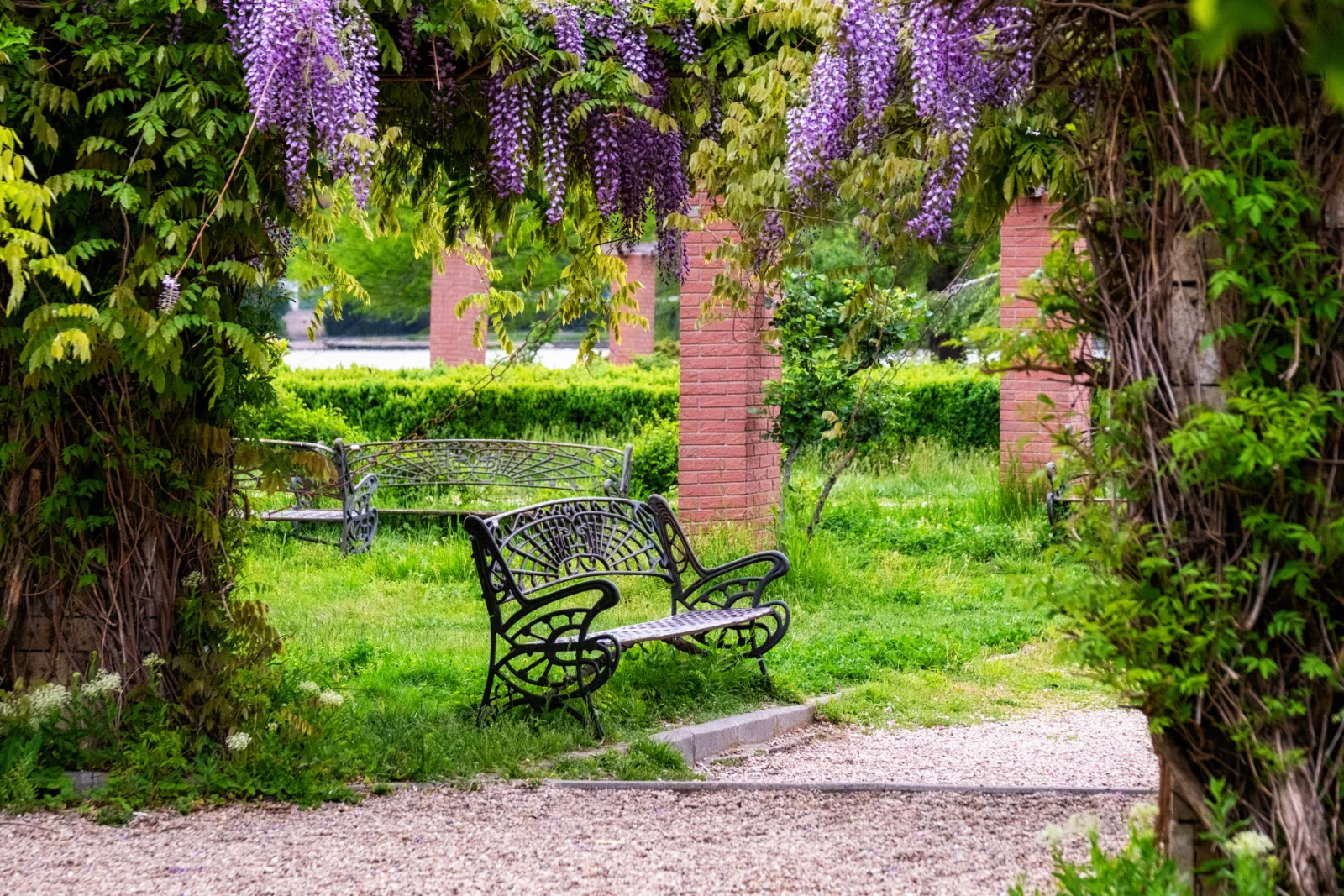
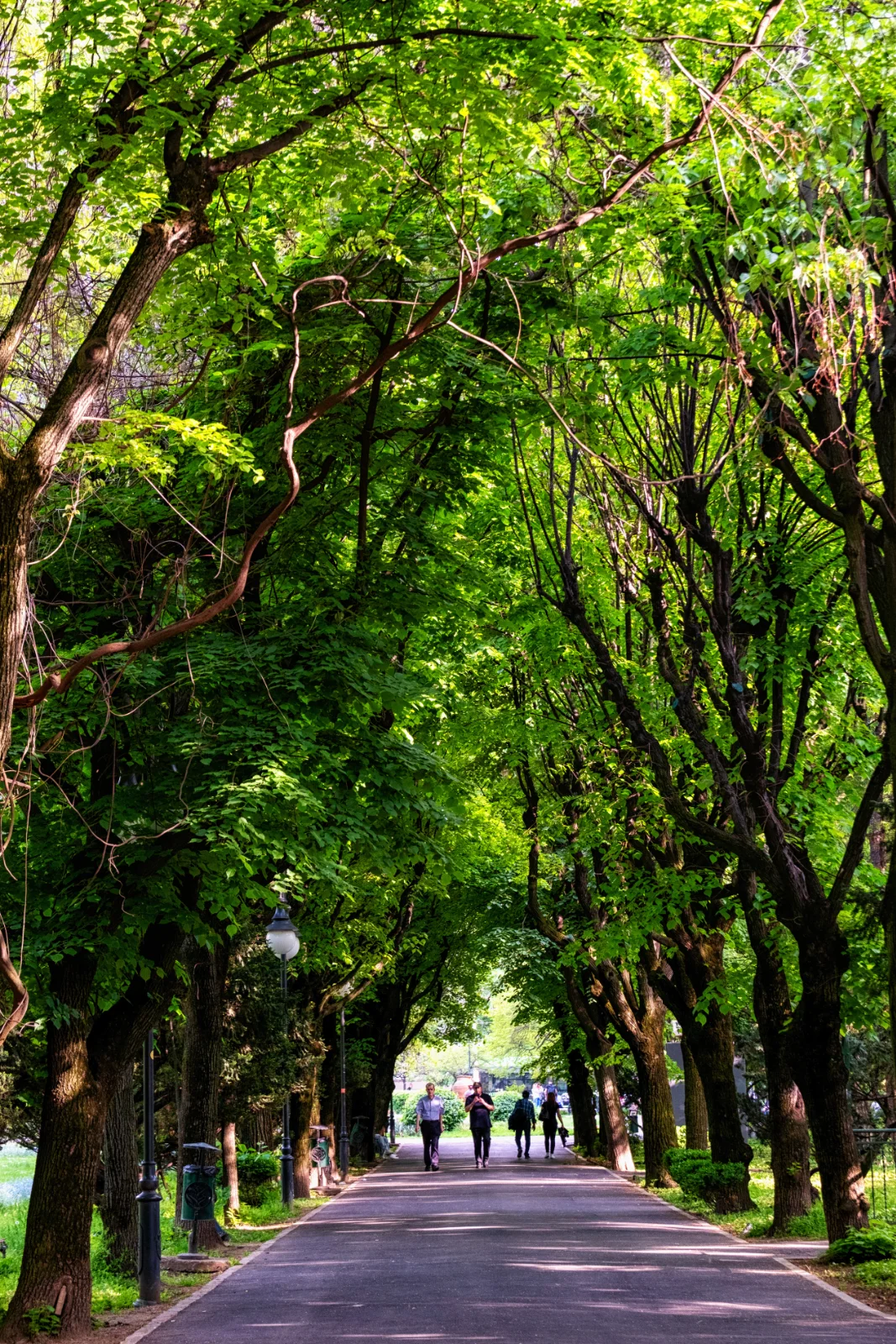
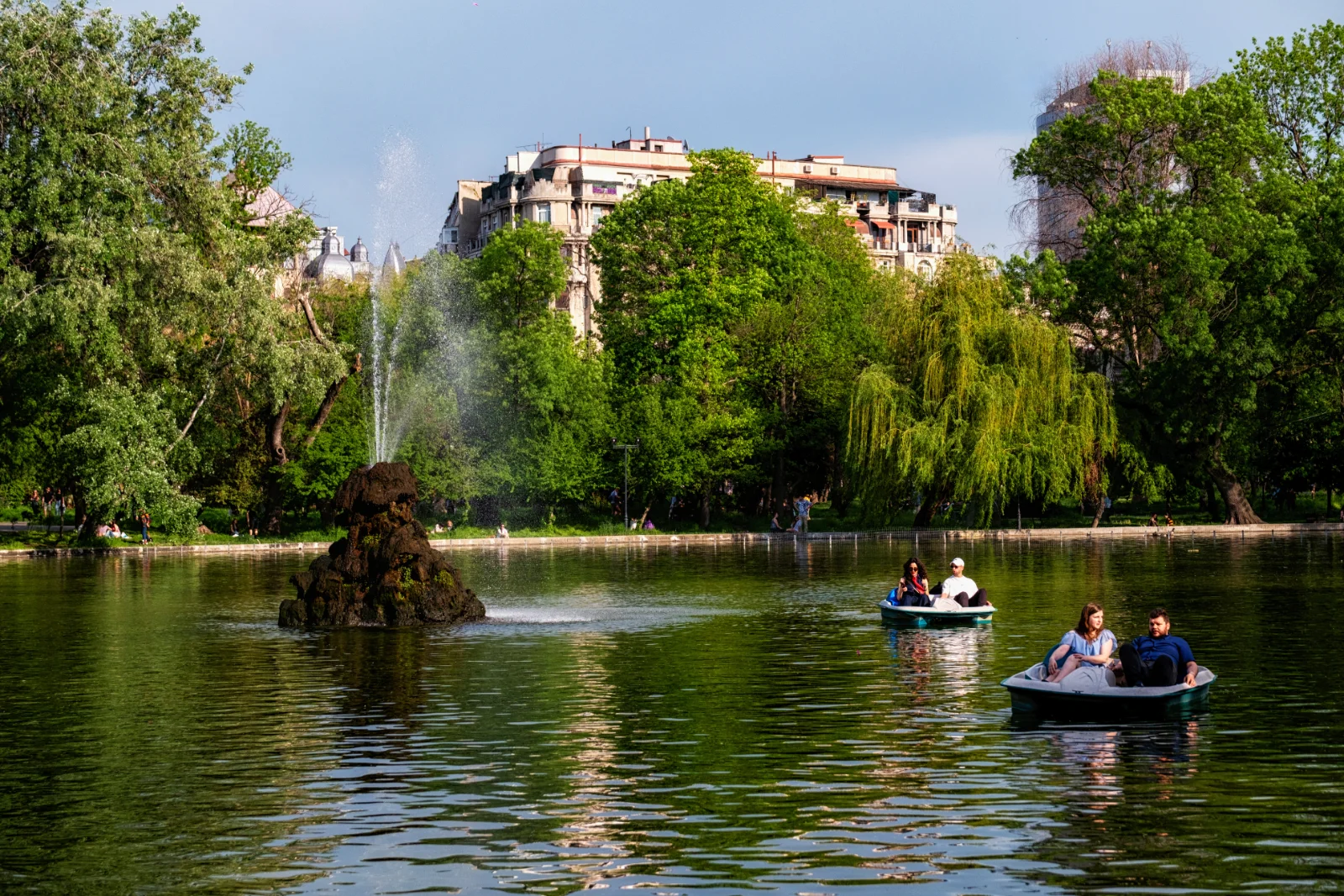
Opposite the palace of Cotroceni, we can stroll for a few hours along the shady paths of the Botanical Garden, established about 150 years ago and laid out in this space since 1930. It covers an impressive area of over 18 hectares and contains over 10,000 species of plants, both outdoors and in two greenhouses and a museum. We return to the historic center of the city and stop on the benches in Cișmigiu Garden, which often shows its age, but welcomes us with a special atmosphere in the warm morning light. Created by a famous Viennese landscape architect in 1847, it is the oldest public garden in Bucharest and is now a charming and relaxing space in the middle of the city, featuring two small lakes, a Roman garden with statues, numerous monuments, and lots of vegetation. Around it, we can also admire several interesting buildings, such as the Bucharest City Hall, the Crețulescu Palace, the Măgureanu Hermitage Church, the National University of Music, and the Gheorghe Lazăr National College.
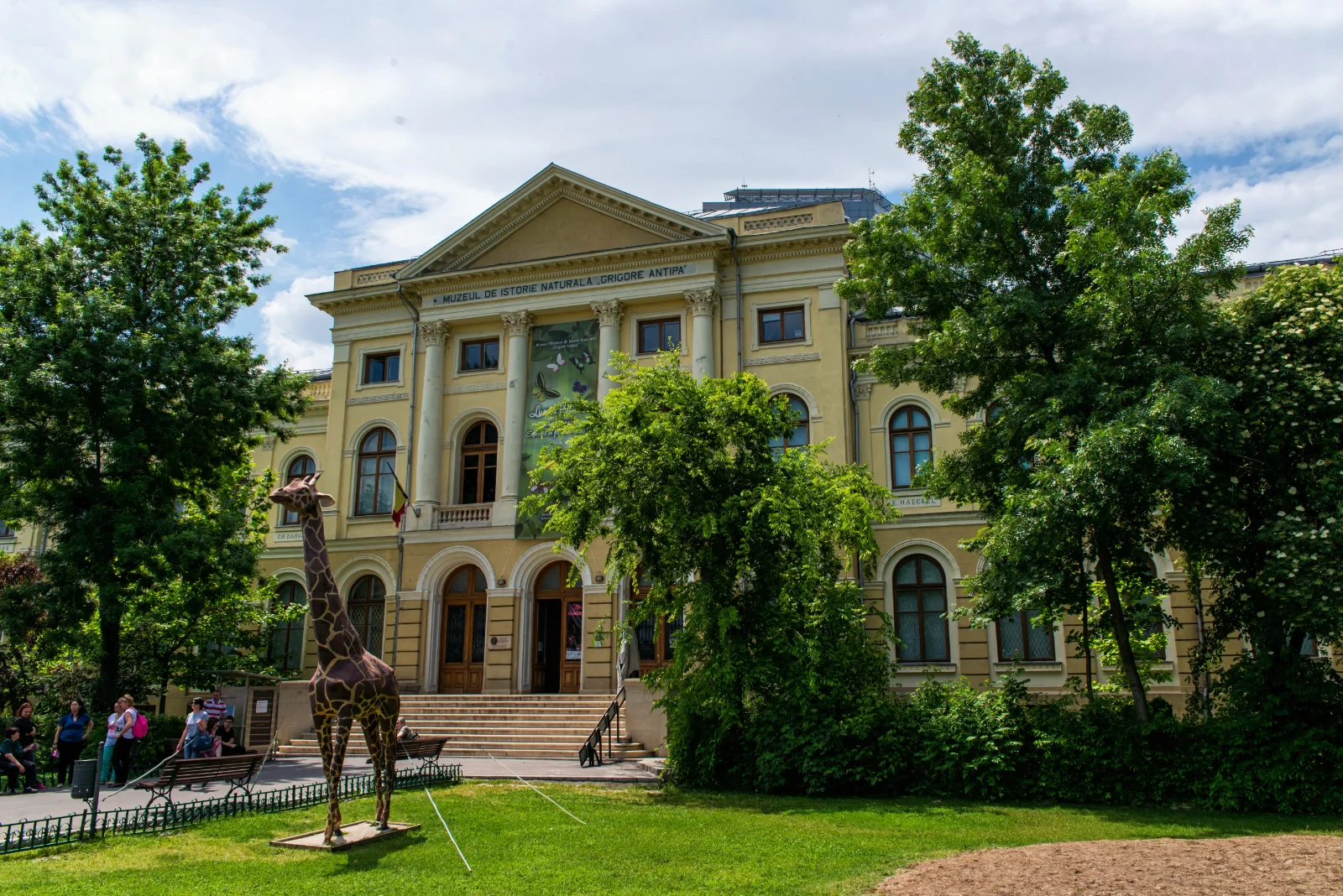
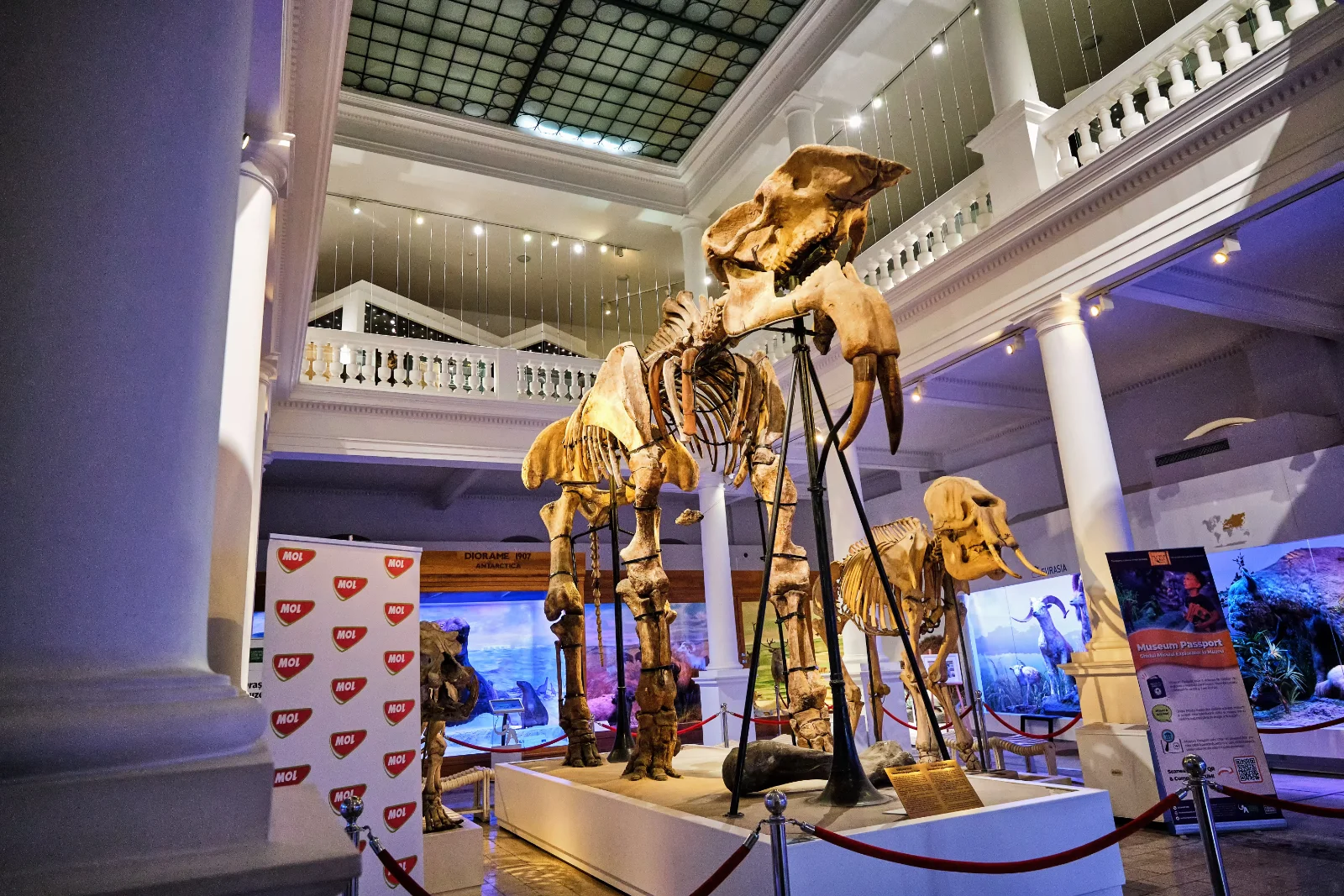
Beyond Victoriei Avenue and just north of Victoriei Square, we can visit three very interesting museums, starting with the “Grigore Antipa” Natural History Museum, established since 1834, although in a different location and with a limited collection. Through the years, over 2 million objects and exhibits from all corners of the world have been gathered here, making up a truly memorable experience, divided into zoology, paleontology, mineralogy or ethnography collections. Visiting the museum’s permanent exhibition, we have the unique opportunity to discover a variety of habitats from the country and the world, in a series of dioramas presenting the biodiversity of the earth. The paleontology collection includes over 6,000 fossils, including several gigantic skeletons located in the main hall, while the anthropology and ethnography collections include interesting exhibits about world cultures. We also spend a few moments admiring the amazing entomology collection, with thousands of multicolored butterflies from all corners of the planet.
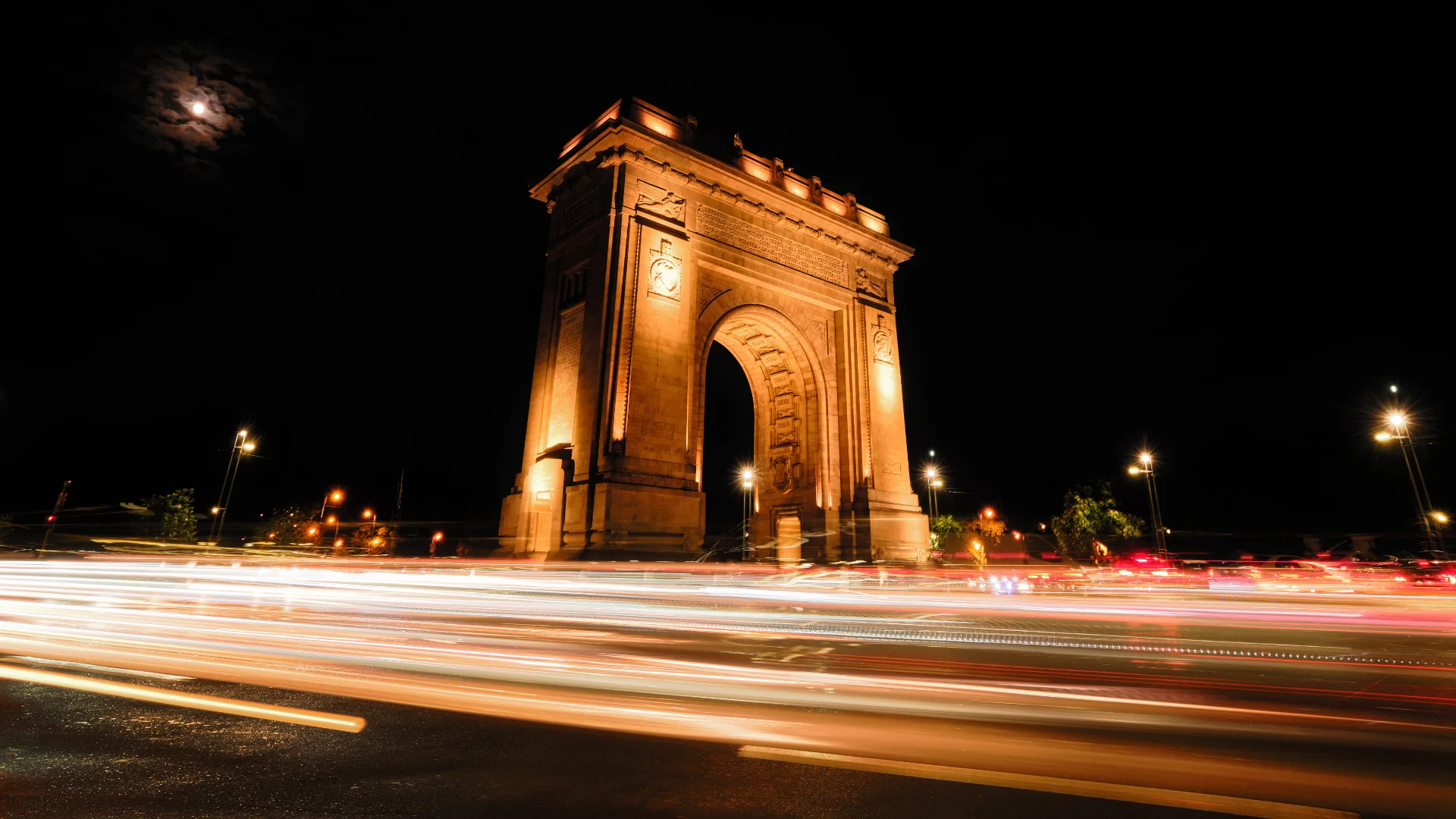
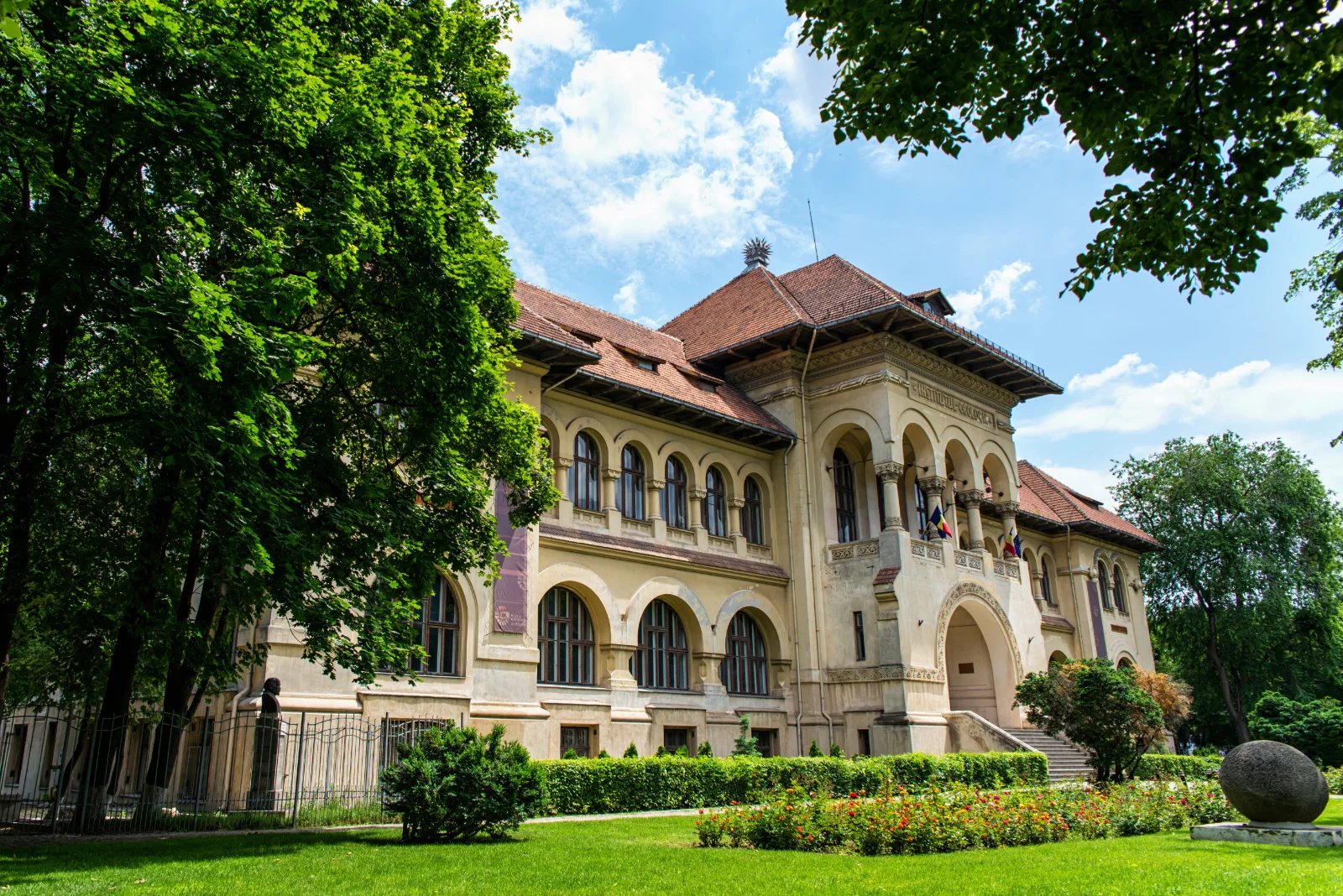
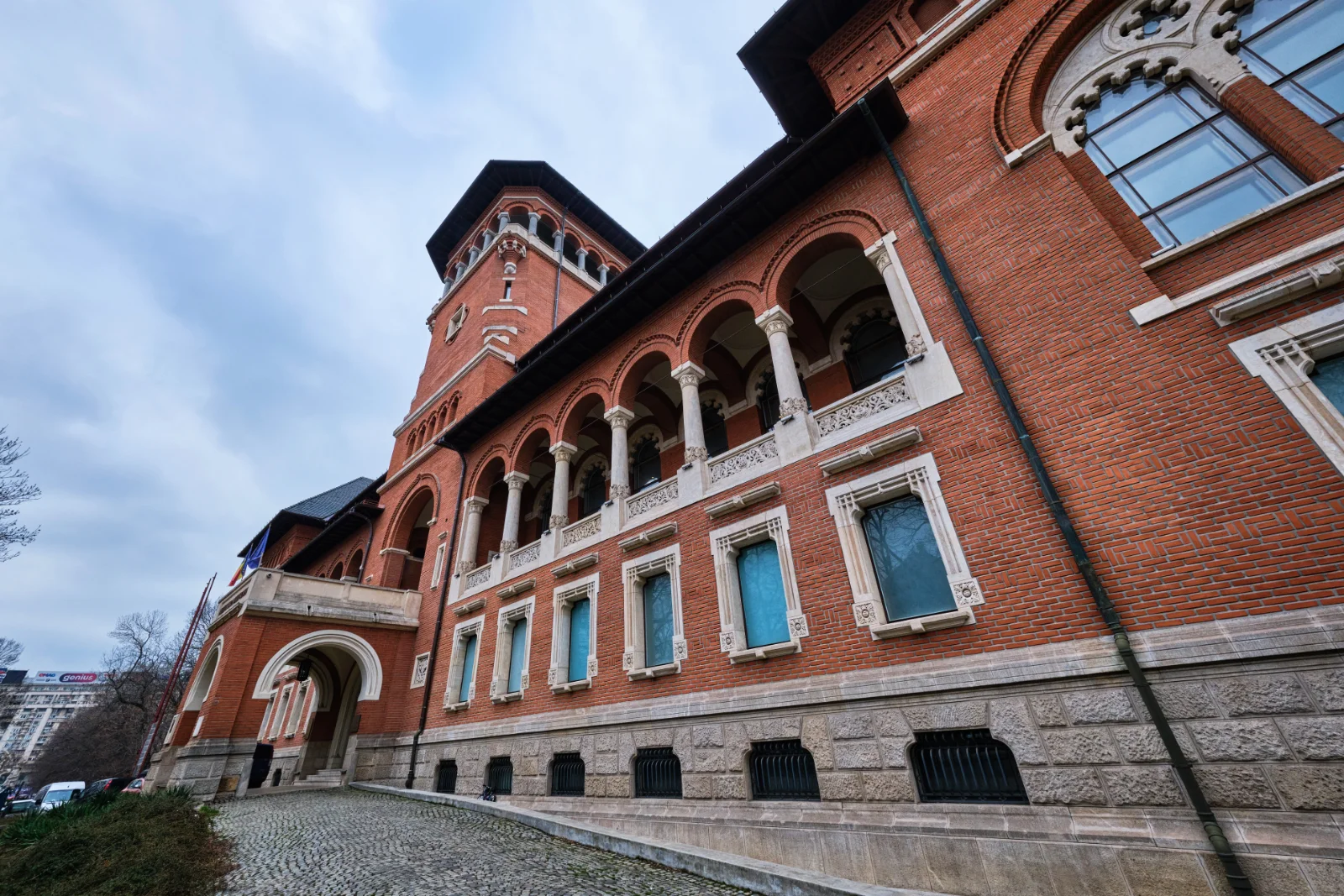
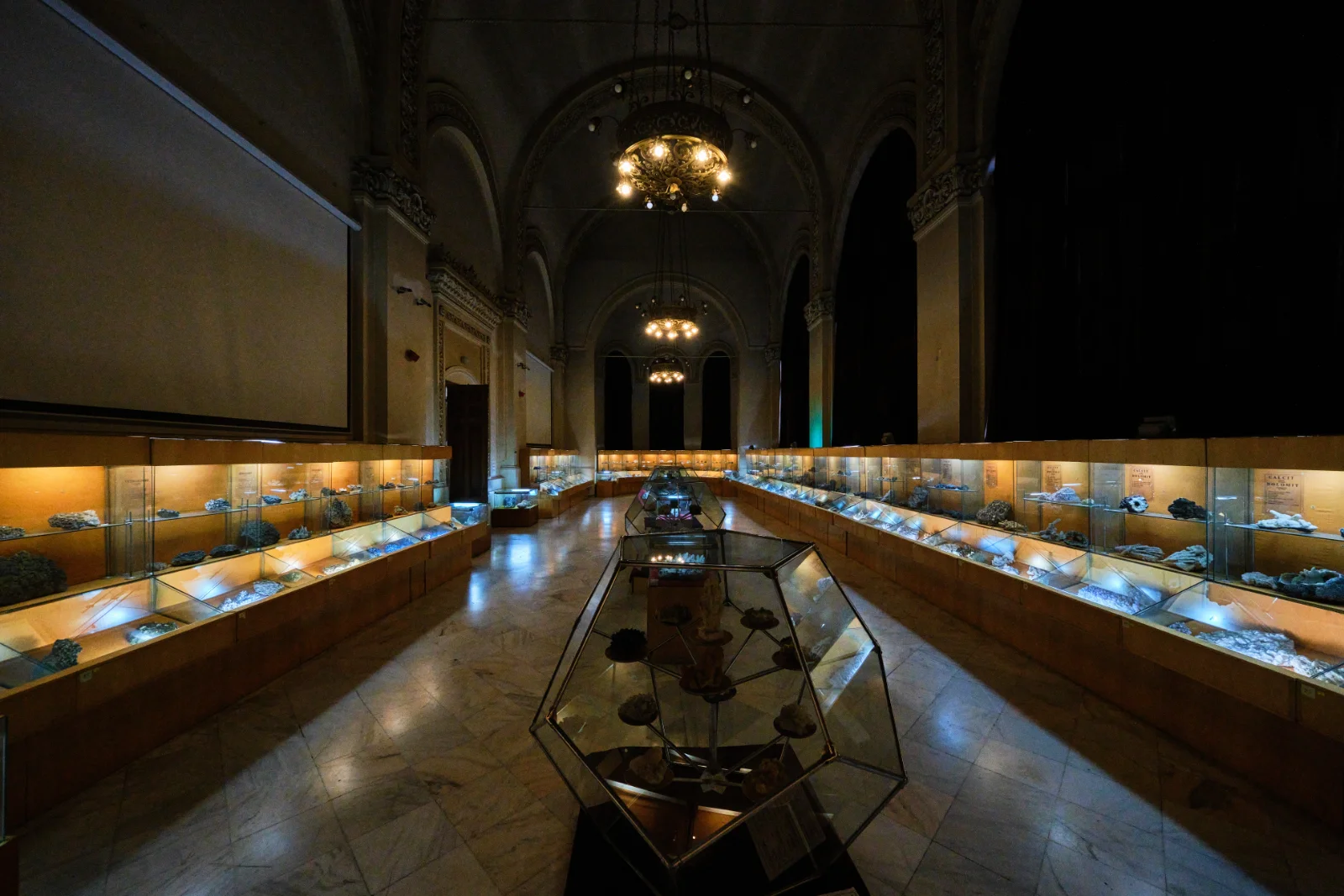
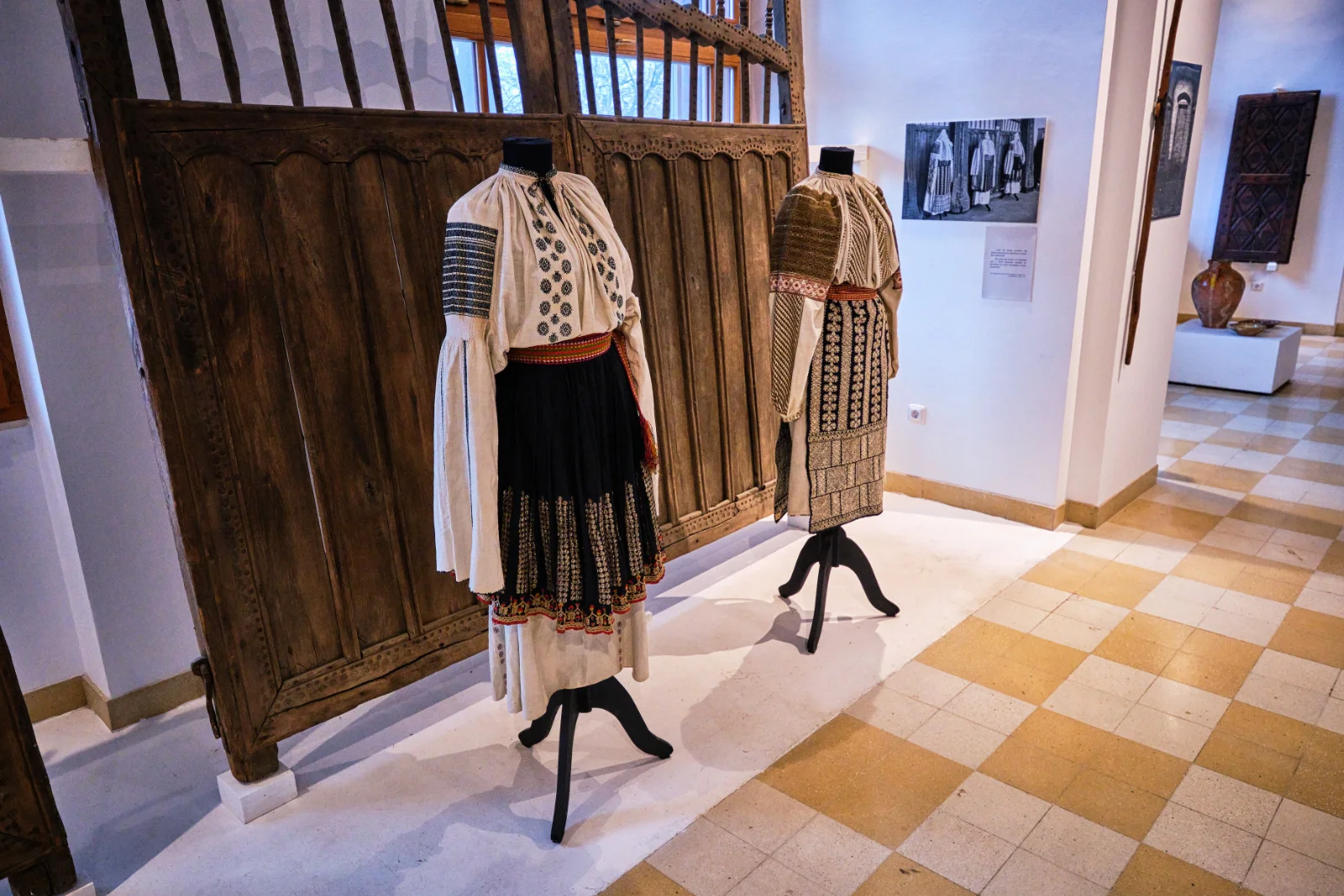
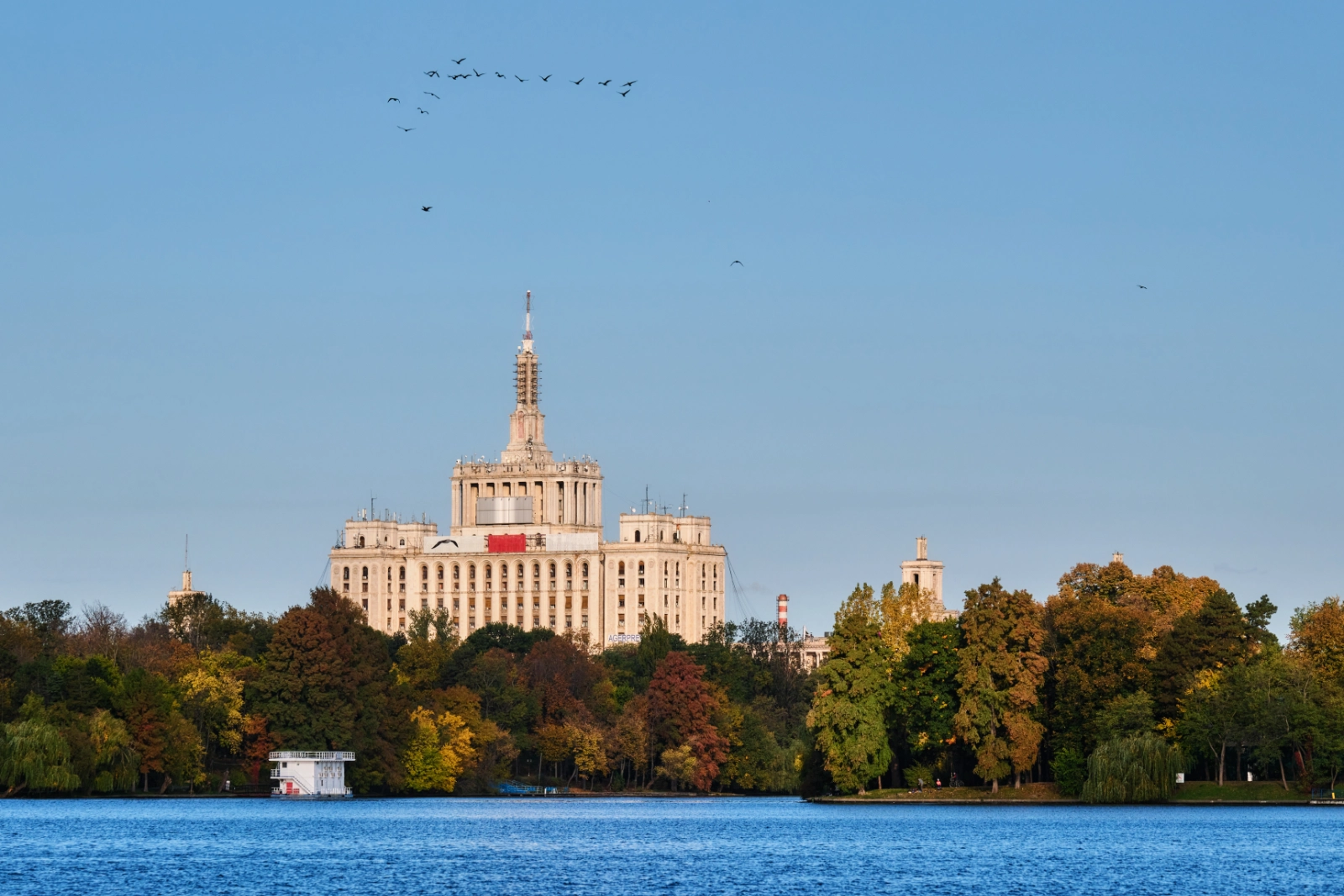
The adjacent building houses the National Museum of the Romanian Peasant, founded in 1906 and reorganized since 1990. Inside, we discover an incredible collection of over 100,000 exhibits that offer a captivating glimpse into the authentic cultural traditions of the Romanian village and its inhabitants, including ceramics, traditional costumes, wooden or metal objects, carpets and much more. Opposite it, in another historic building, we can explore the National Museum of Geology, with its splendid halls presenting over 85,000 exhibits from all branches of this science, including extremely rare pieces, some discovered for the first time in Romania. Right next to the impressive Triumphal Arch, built in 1922-1923 to commemorate Romania’s participation in World War I and the Great Union of 1918, we enter the oasis of tranquility of Herăstrău Park. Officially called King Michael I Park, it is the largest green space in Bucharest, being arranged on an impressive surface around Lake Herăstrău. Beyond the pleasant walks along the shady alleys and the admiring of nature or the countless monuments, here we can enjoy the charming atmosphere of several cafes and restaurants or practice various leisure activities, including pleasant boat rides or a steamer on the lake. After charging our souls with the sounds of nature, we head to one of the most authentic spaces of Bucharest, created in the western part of the park.
Search for Flights to Romania with Booking.com!
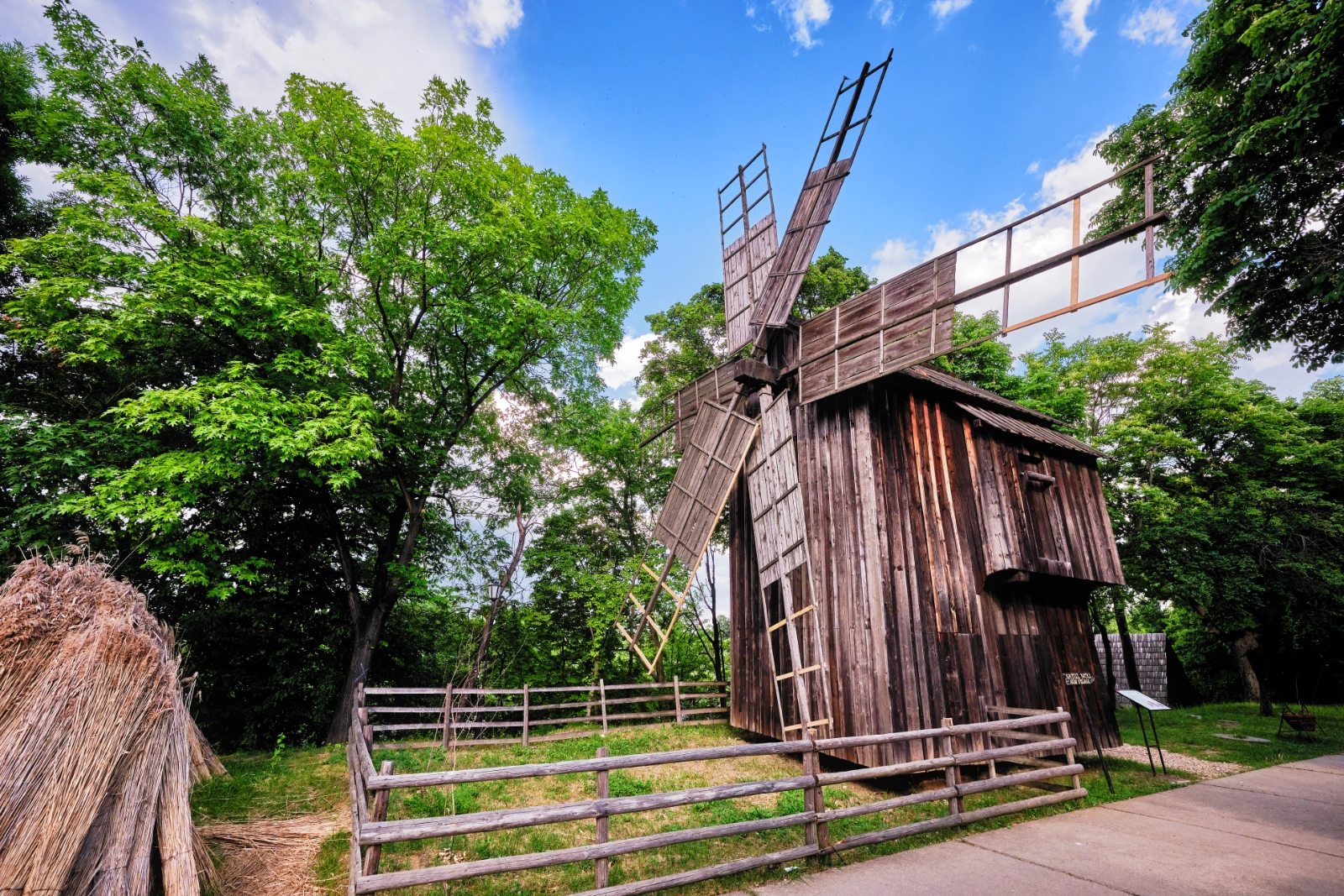
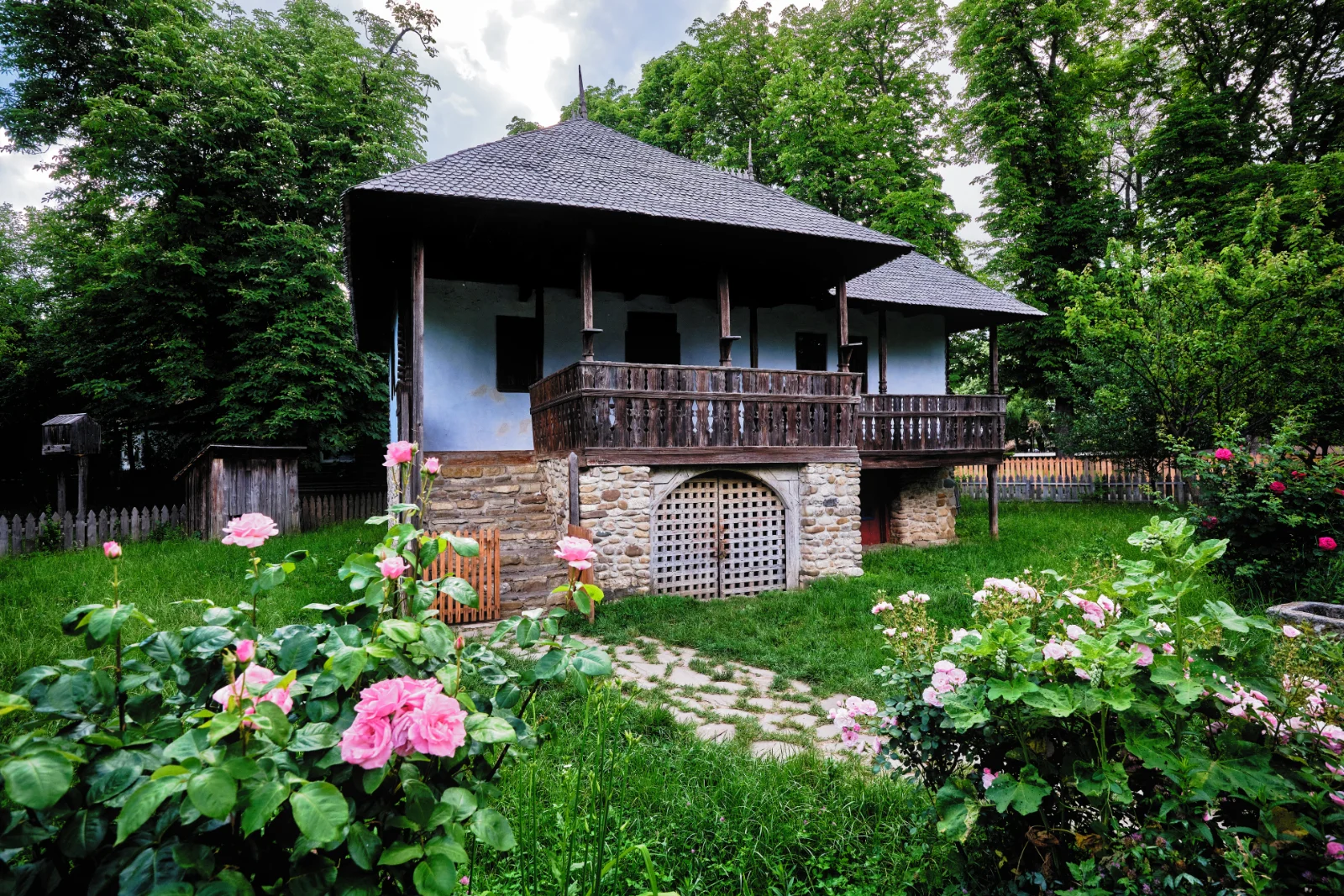
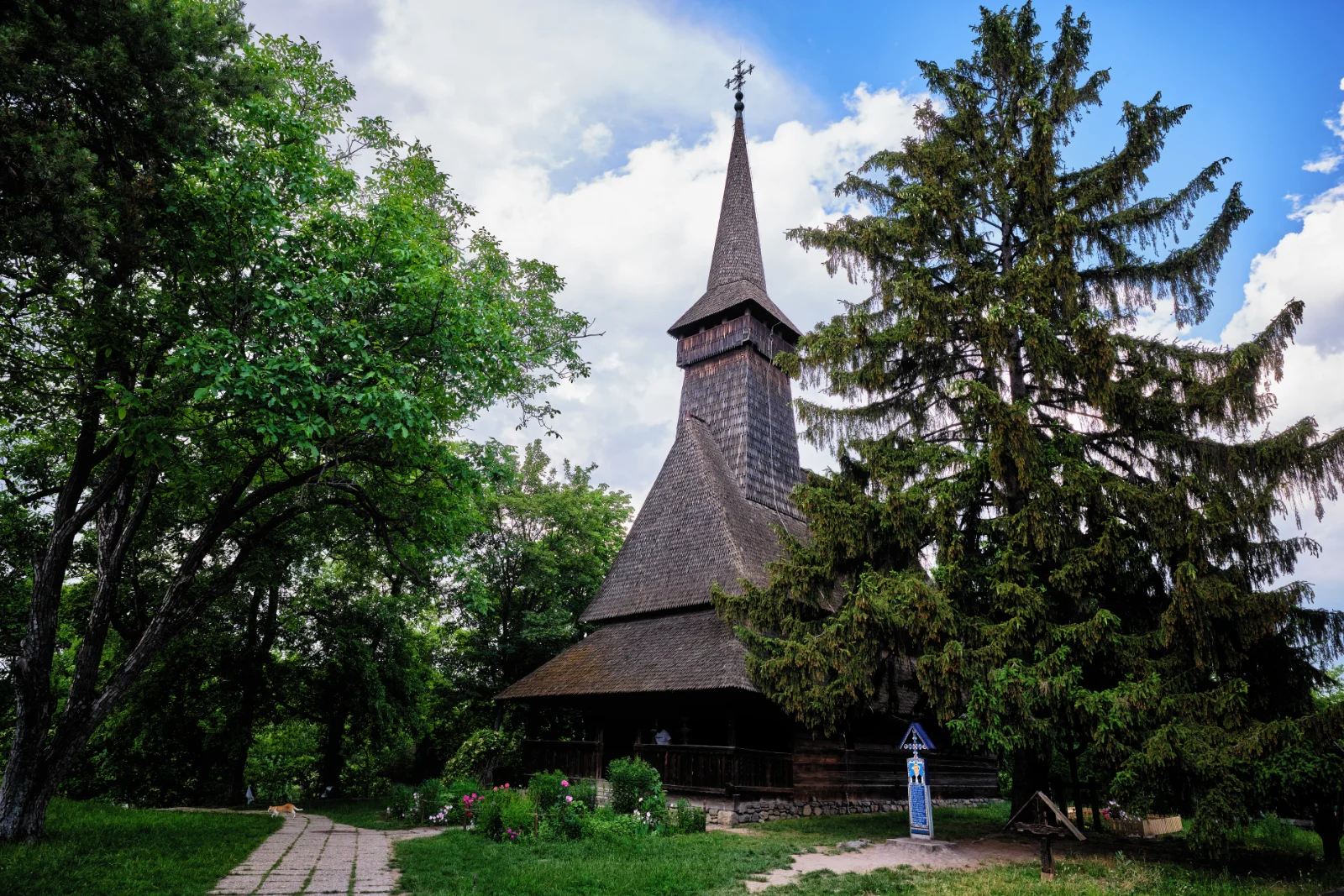
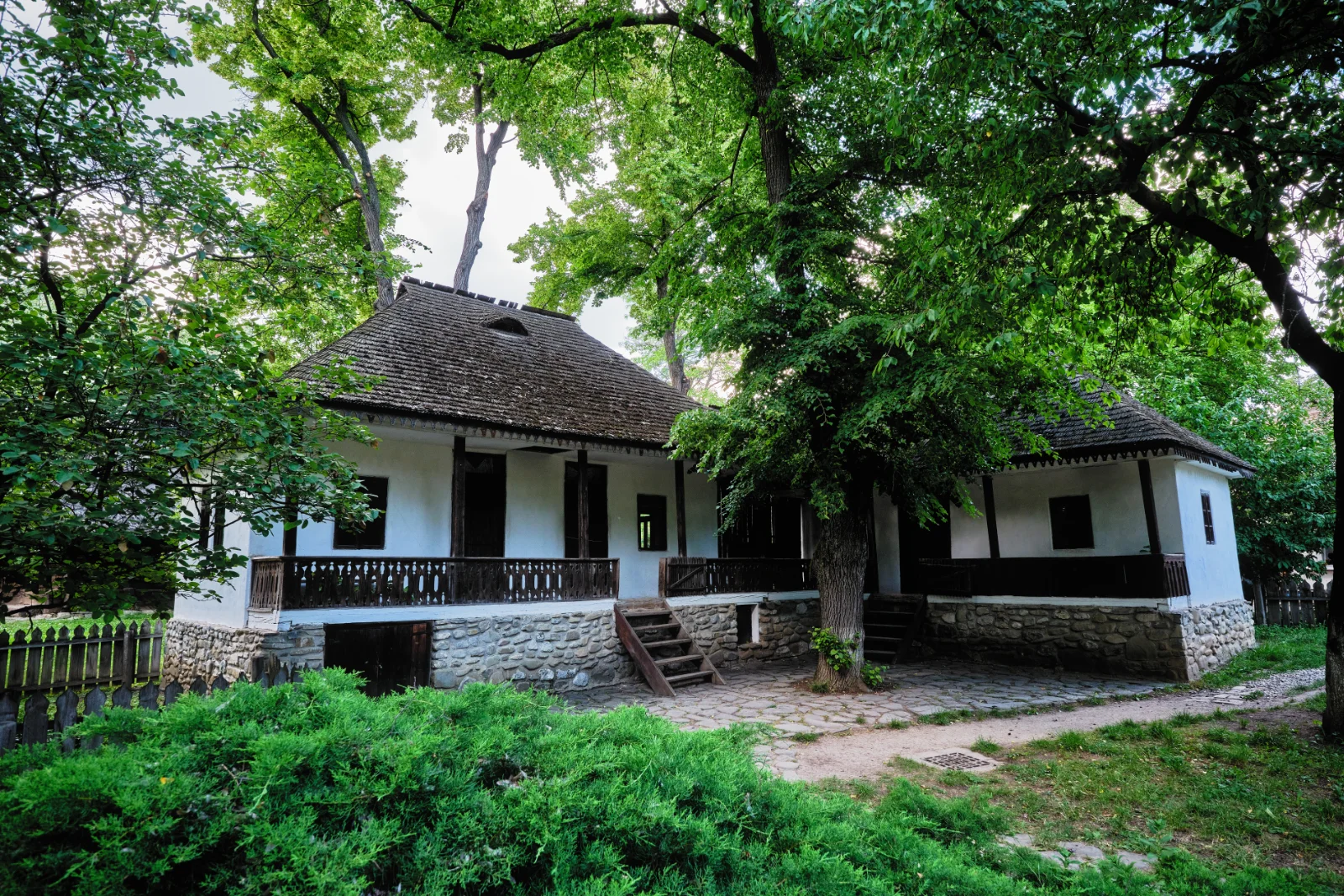
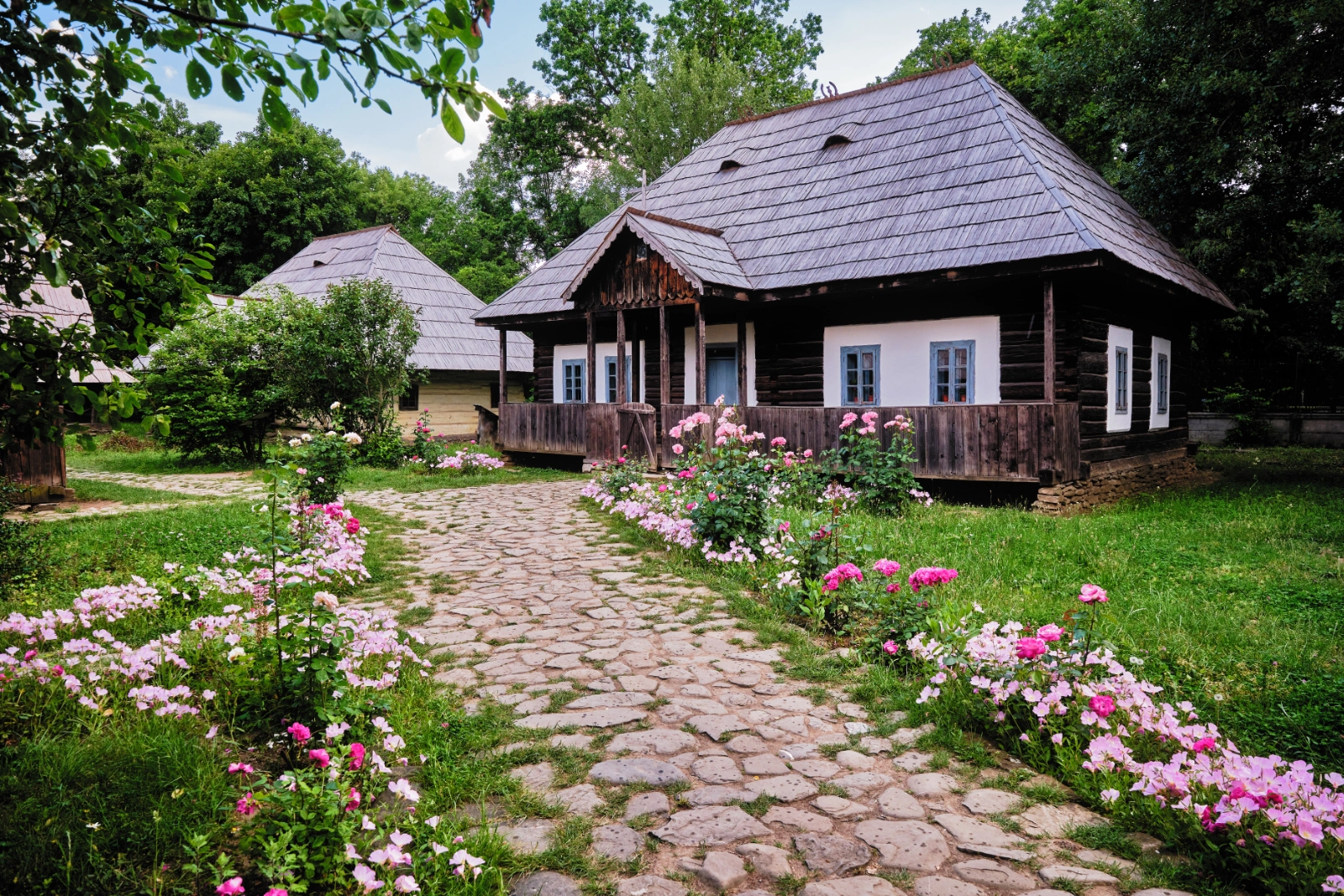
The “Dimitrie Gusti” National Village Museum is a unique universe, a fascinating open-air museum where we could easily lose track of time. We spend hours among old houses, windmills, wooden churches, inns, workshops and other treasures of the traditional village, discovering their stories lost for centuries. With almost 400 traditional monuments and about 60,000 objects that present the life, art and architecture of the authentic Romanian village, this place offers us an exciting and memorable experience. Unfortunately, more and more rural paradises of Romania are losing their authentic atmosphere and charm, entering the amalgam of modernity that does not look back. However, we can often find in our travels through Romanian villages small rustic treasures, eaten by time and forgotten by people.
We can still explore a few more green areas in the southern part of the city, the most important being Carol I Park, Tineretului Park, Drumul Taberei Park or Alexandru Ioan Cuza Park, but the most unique natural destination within the city has been for several years the Văcărești Natural Park, a former hydrological project that in recent decades has transformed into a true “delta of the capital”, surrounded by neighborhoods with high-rise buildings and busy roads. Declared a natural park since 2015 to protect the unique biodiversity, here we can discover a multitude of animal and plant species specific to wetlands, but unusual for urban spaces. In addition to all the extraordinary museums already visited, in Bucharest we can also discover others, such as the Museum of Romanian Literature, the Military Museum, the Technical Museum, the Children’s Museum, the Aviation Museum, the Museum of Romanian Kitsch, the National Museum of Maps and Old Books, the Museum of Romanian Records or the Museum of Senses.
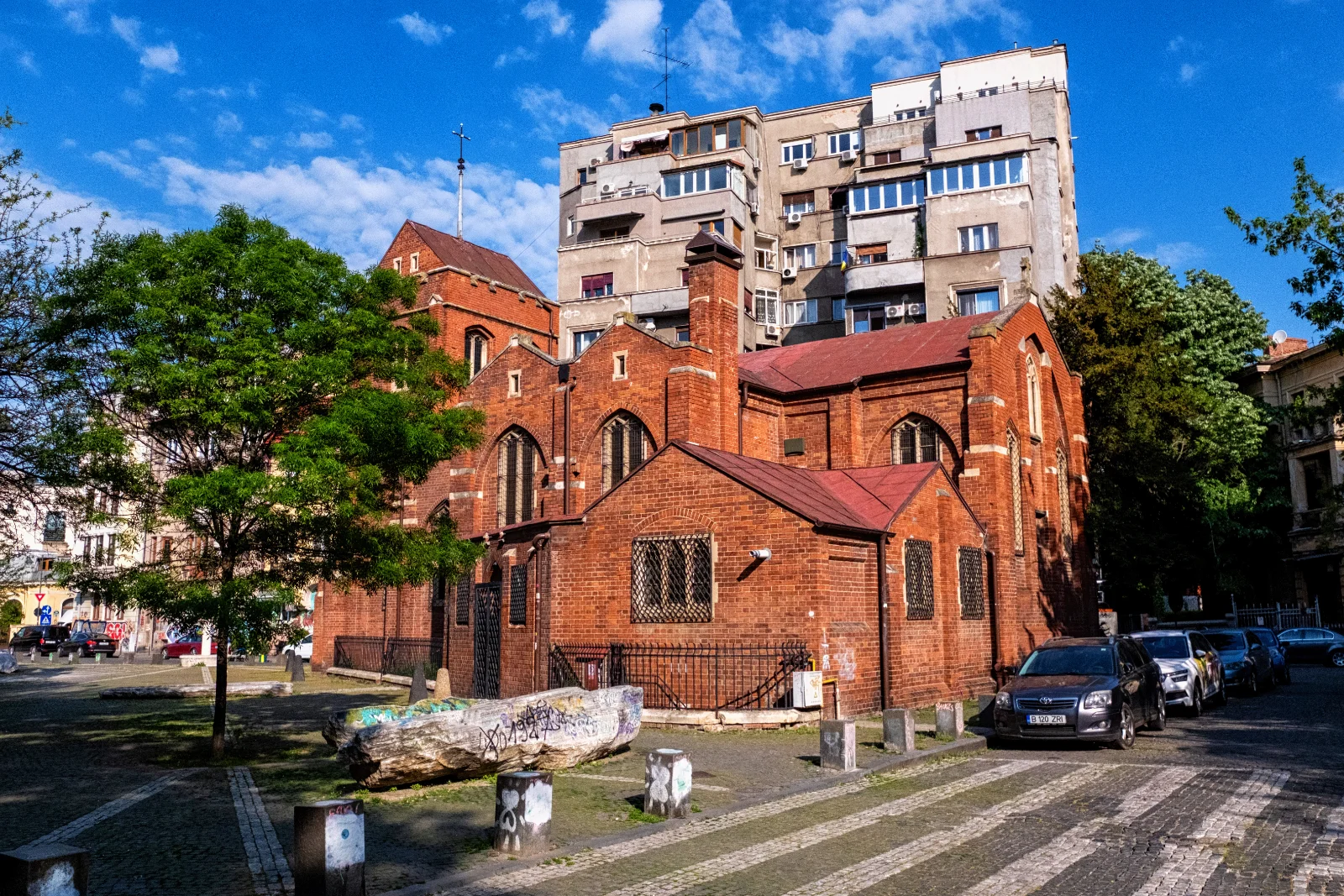
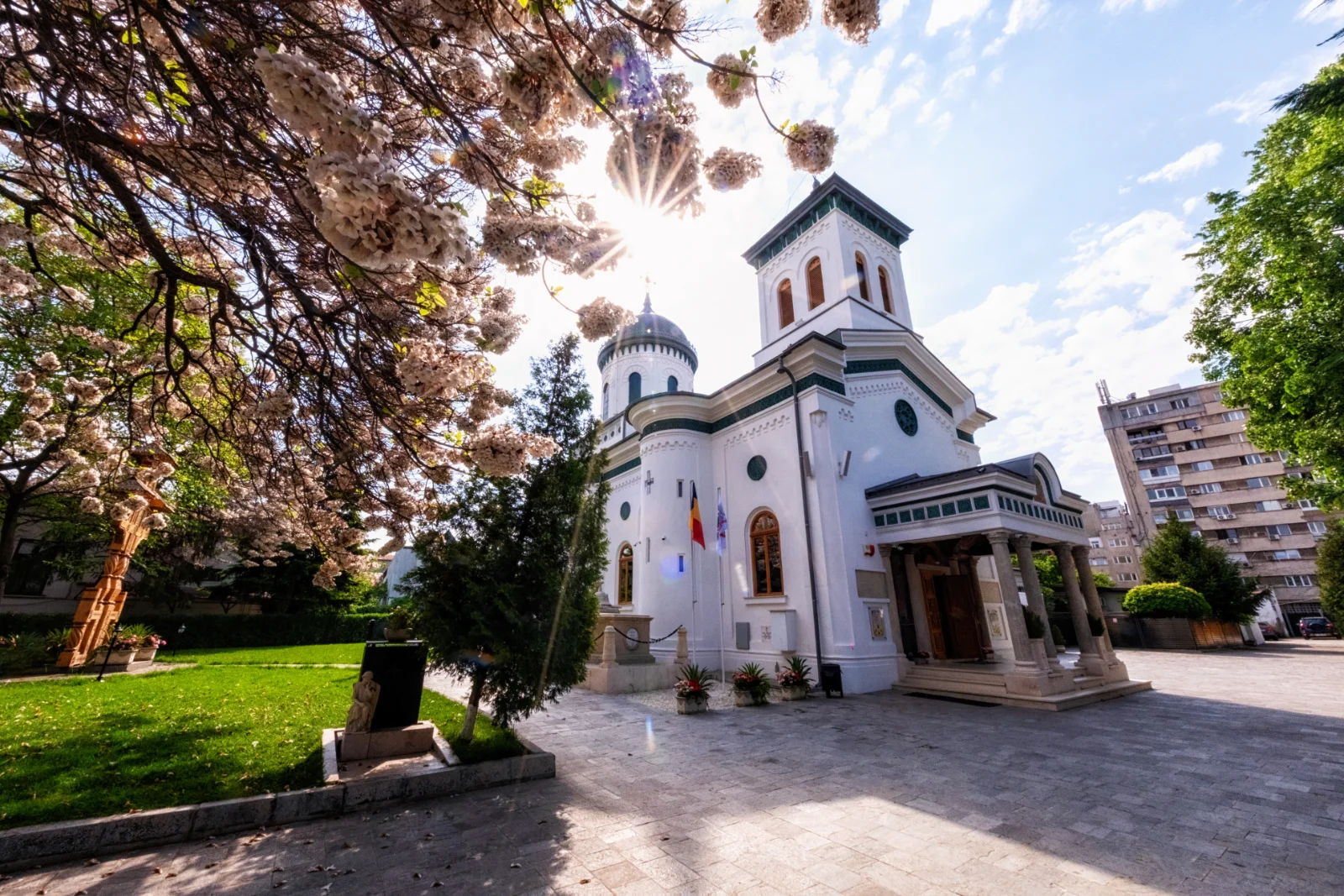
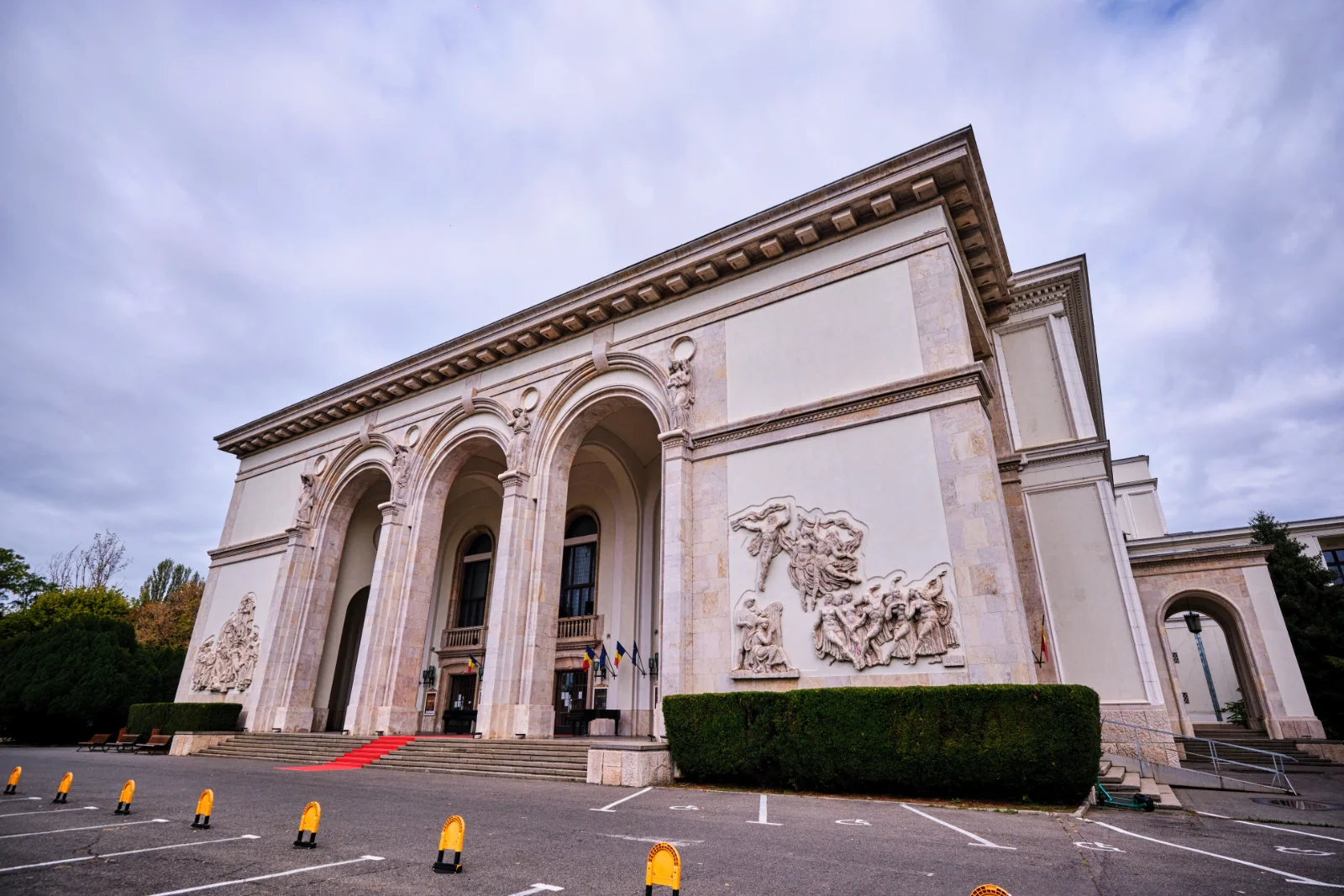
A lot of other historical and architectural monuments can be found throughout the city, often hidden in streets less explored by travelers. Among these, amazing places stand out such as the National Opera, Ghica Tei Palace, the Palace of Justice, Bragadiru Palace, Cișmigiu Hotel, Traian Hall, the House of Scientists, Assan House, Mihai Vodă Monastery, Antim Monastery, “Saint Eleftherius – Nou” Church, Domnița Bălașa Church, the Church of the Icon, the Anglican Church, the Dârvari Hermitage, the Greek Church, the Italian Church, the Armenian Church and many more. Increasingly sought after by foreign tourists, especially for the vibrant atmosphere on the border between Latin heritage and Balkan spirit, the Romanian capital is becoming an extraordinary cultural destination day by day. Although it has not yet completely broken away from the shadows of the past and is sometimes suffocated by the daily hustle and bustle, the city can boast of more and more achievements that contribute to the affirmation of a new and attractive image.
Other Sights of Bucharest
Palace of the Parliament
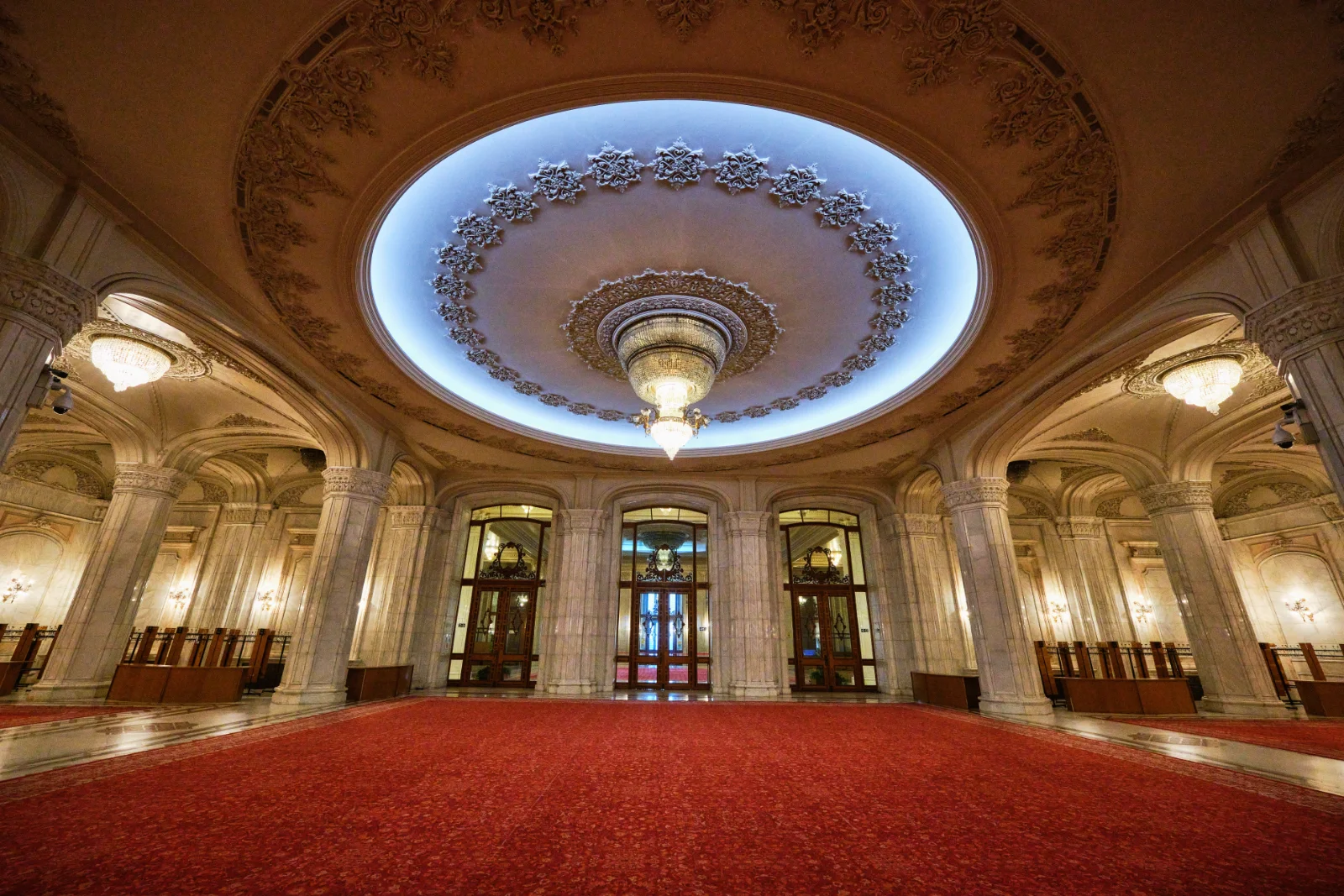
Also known to Romanians as the People’s House, this impressive building was built on the orders of Nicolae Ceaușescu and imagined by a young architect who won the design competition for this mammoth project. It was built in a socialist-realist style, combined with neoclassical modernist elements, and to make room for it in the Bucharest landscape, a large part of the old center was demolished, including historical monuments of inestimable value. Construction began in 1980 and was relatively completed after the 1989 Revolution, with some interior spaces still unfinished. It has a total of seven floors above ground and eight underground levels, including atomic shelters and tunnels that run throughout the city. Of the over 1,000 rooms and spaces, only a third are currently used or completed, some of which are spectacular, including the rooms presented during visitor tours. Particularly noteworthy is the size and exceptional value of the marble, furniture, carpets or chandeliers used, with the total costs for its construction estimated in 2006 at over 3 billion Euros.
Peoples Salvation Cathedral
The project of creating a national cathedral has appeared several times in the history of Romania, but the actual construction began in 2011, the completion deadline being exceeded several times. After much debate and controversy, the cathedral was finally located on Arsenal Hill, near the Palace of Parliament. It is officially completed in October 2025, when its consecration takes place on the occasion of the centenary of the Romanian Patriarchate, but not all spaces are completed. Among other things, the People Salvation Cathedral is the largest (area 37,000 square meters) and tallest (127 meters) Orthodox church in the world, it has the largest collection of mosaics (approximately 18,000 square meters) and the largest moving bell in the world (25 tons). From the point of view of architecture, it is seen as a combination of several styles from various regions of Romania. In addition to the cathedral building, the ensemble also includes a chapel, a museum, several porticoes, an esplanade, and several buildings with various religious, social, or administrative purposes.
National Village Museum
Occupying a sizeable area on the southwestern side of Lake Herăstrău, this fascinating open-air museum welcomes around half a million visitors each year. It was inaugurated in 1936, in the presence of King Carol II, and over time, almost 400 monuments and over 60,000 objects have been gathered here, presenting the architecture, art and way of life of the traditional Romanian village. Among old wooden houses brought from all regions of Romania, wooden churches, water and windmills, old inns, various workshops and other structures, visitors can discover the authentic history and traditions of the country. The museum also houses other valuable heritage objects in ten distinct collections, including woodworking, traditional costumes, customs, religion, textiles, ceramics and others, as well as an extensive collection of documents.
Hours: Summer 9-19 | Winter 9-17 | Tickets: 40-60 lei (8-12 Euros)/adult
Natural History Museum
Located near Victoriei Square, on Kiseleff Road, this museum is the successor to a small natural science museum established in 1834, which operated in several locations. The building in which it is currently located was built specifically for this purpose in 1906, at the insistence of naturalist Grigore Antipa, who was the director of the institution for 51 years. Over time, over 2 million exhibits have been collected in this fascinating museum, the most important and interesting being presented in the zoology, paleontology, mineralogy, ethnography and other collections. Within the interactive permanent exhibitions, visitors have the opportunity to discover dozens of dioramas of unique habitats, both in the country and in more exotic places. Other interesting collections are the paleontological ones with over 6,000 fossils, the anthropological and ethnographic ones with exhibits about world cultures, or the entomological one and thousands of multicolored butterflies.
Hours: Tue-Fri – 10-18 / Sat-Sun – 10-19 | Tickets: 32 lei (7 Euro)/adult
National Cotroceni Museum
The architectural ensemble of Cotroceni dates back to the late 17th century, when Prince Șerban Cantacuzino built a magnificent church here, modeled after the one at Curtea de Argeș, as well as a princely palace. These were constantly restored and developed in the following centuries, today comprising only a small part of the original monuments. The Cotroceni Monastery and its church, damaged by the 1977 earthquake, no longer exist, and the new wing is today occupied by the Presidency of Romania. The Cotroceni National Museum includes the spaces of the princely palace built at the end of the 19th century, where we can admire an impressive collection of historical and artistic objects, including painting and sculpture, decorative and religious art, old books and photographs, furniture and other objects, some of which belonged to the royal family of Romania, who lived here.
Hours: Tuesday-Sunday – 9-16 | Tickets: 50-70 lei (10-14 Euro)/adult
Botanical Garden
The history of the first botanical garden in the capital begins in 1860, even though it had a smaller area and a limited heritage at the time. The development of this space was supported in particular by Dr. Dimitrie Brândză, whose name it currently bears. Located on an area of approximately 18 hectares in the Cotroceni neighborhood and near the Cotroceni Palace grounds, it includes both vast outdoor spaces, where we can admire an amazing number and diversity of trees and plants, as well as two greenhouses (one for exhibition) and a botanical museum, with separate access for each. With over 10,000 plant species, many of them rare or exotic, charming alleys and fascinating spaces, the botanical garden offers an extremely pleasant and comforting experience in the middle of the bustling city.
Hours: Daily 8-20 in summer / 9-15.30 in winter | Tickets: 15-45 lei (3-9 Euro)/adult
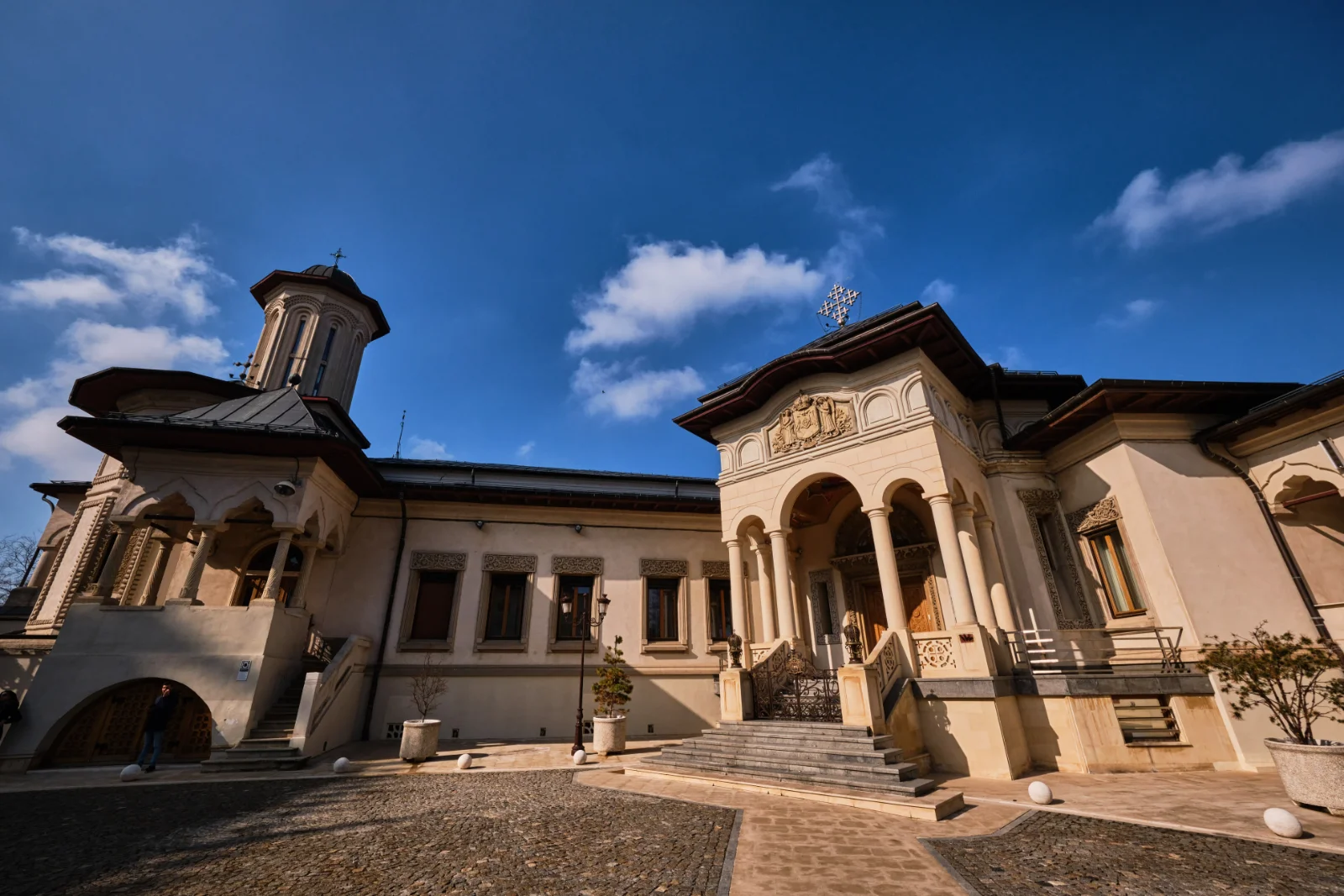
Patriarchy Complex
Once a hill covered with vines, the Mitropolia (Patriarchy) Hill was once the site of a monastery that was surrounded by walls, like a fortress. Located south of the old town and west of the Palace of Parliament, this hill has witnessed numerous historical events, including the election of A.I. Cuza as ruler of Wallachia on January 24, 1859. The ensemble of historical monuments has at its center the Patriarchal Cathedral, built in the mid-17th century and rebuilt several times, its architecture being inspired by the church of the Curtea de Argeș monastery. Around it are several exceptional buildings, the most valuable being the Chapel of the old monastery, built in the 17th century and rebuilt in 1723. At the same time, the Patriarchal Palace was also built, initially the abbot’s residence and gradually expanded and transformed into the current headquarters of the Romanian Patriarchate. The Palace of the Chamber of Deputies was built in 1907 and contains numerous interesting architectural and decorative elements. The ensemble of monuments also includes the Bell Tower (the former gate of the monastery), built during the time of Constantin Brâncoveanu.
Contemporary Art Museum
Established in 2001 through the merger of two cultural departments and operating in its current space inside the Palace of Parliament since 2004, this fascinating museum brings together over 7,000 works of art dating back to the Second World War, but also frequently organizes interesting temporary exhibitions. Encompassing works from all genres of contemporary art, the museum is fluidly organized and constantly changing.
Hours: Tuesday-Sunday – 9-16 | Tickets: 32 lei (7 Euro)/adult
National Geology Museum
Romanian Peasant Museum
Cișmigiu Garden
King Michael I Park
Festivals of Bucharest
Other Interesting Places and Experiences
Officially called the National Museum of Maps and Old Books, this fascinating place is housed in a magnificent building (1920) in the Dorobanti neighborhood (39 London Street). The museum was created following a significant private donation and includes hundreds of old maps and documents, some of which are extremely rare and valuable. Many of the old maps show the Romanian lands throughout time, but there are also many other maps of distant regions!
Văcărești Natural Park was established in 2016 and covers an area of 189 hectares in the southeast part of the city, representing a former anthropogenic lake that has been transformed over time into a wetland, where numerous species of birds, as well as several animals, have found shelter. Visiting this wild natural destination in the heart of the city, we have the chance to admire swans, gulls, coots, cormorants, egrets and dozens of other species, and with a little luck we might also see turtles, otters, or foxes, among others!
Considered one of the most beautiful and picturesque in Bucharest, the Arthur Verona Street is located near Calea Victoriei and Piața Romană, and is known for the vibrant murals that often decorate the walls of the buildings. In addition to these, here we can admire several splendid monuments, such as the Anglican Church of the Resurrection, the Ion Mincu Memorial House, the Eugeniu Carada House, the Grădina Icoanei Park, the Icoanei Church (1784-1785), the Barbu Ștefănescu Delavrancea House or the Dârvari Hermitage, located nearby and featuring interior frescoes by Iosif Keber!
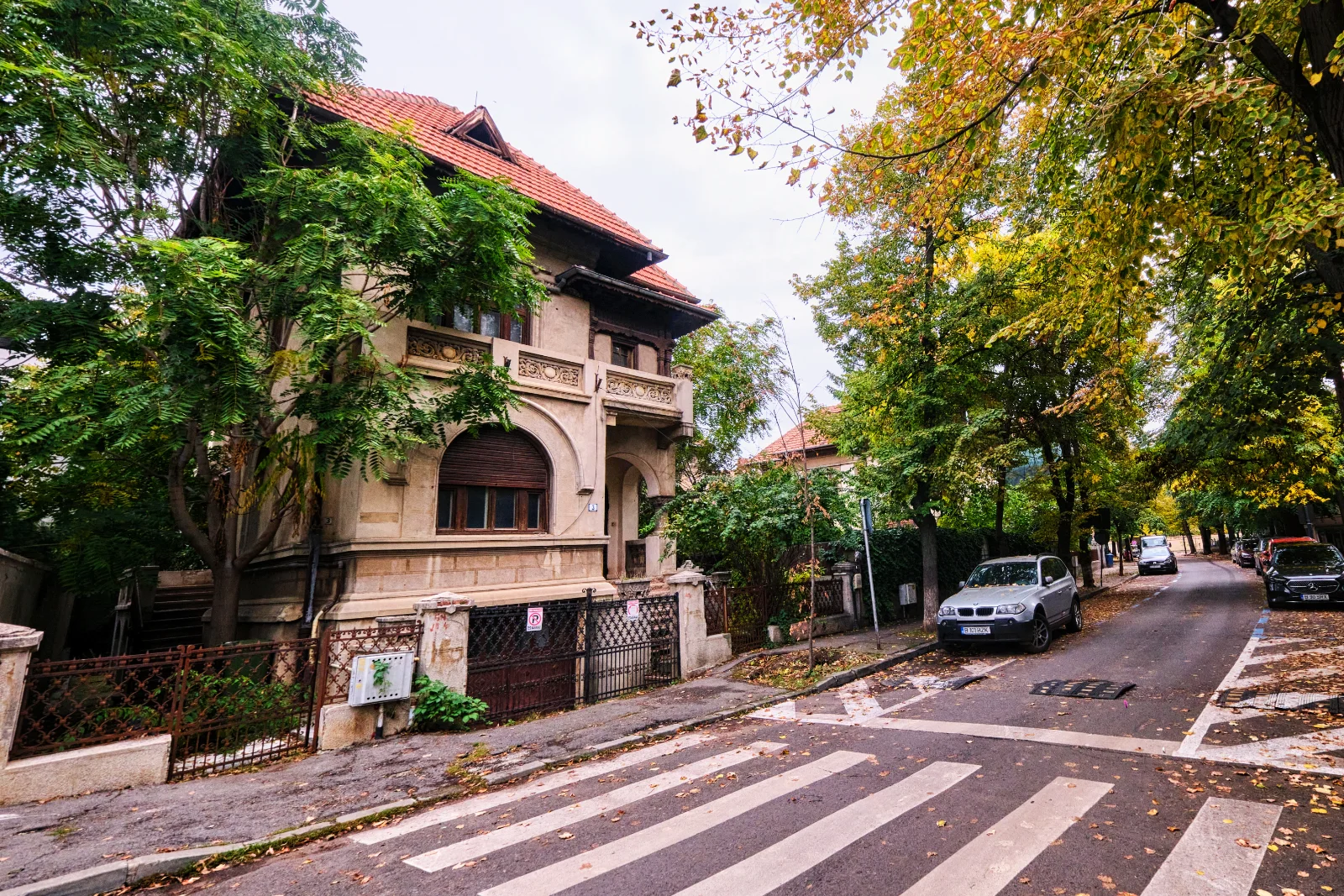
Also known in the past as Ulița Herastrăului, the Dorobanți Street is considered one of the oldest and most beautiful in Bucharest, and has recently become a destination for luxury shops. However, it also contains numerous historical monuments, houses and old buildings dating back to the late 19th and early 20th centuries. In its western part lies the elegant Dorobanti neighborhood, which includes many splendid streets where many embassies and luxurious villas are located!
The New and Immersive Art Museum is one of the newest and most modern cultural destinations in Bucharest, boasting the first immersive space in Romania and the largest of its kind in Southeastern Europe. The museum, located in the north of the capital, near the Pipera metro station, includes multimedia representations for discovering art and the world.
Located in the privileged Primăverii neighborhood and housed in a building with an amazing design, which was erected on the site of a historic interwar villa, the Recent Art Museum brings together several temporary exhibitions of contemporary and modern art, combining the creations of Romanian and foreign artists!
A new and unique destination in Bucharest is the Museum of Senses, recently opened inside the Afi Cotroceni Mall. The modern museum offers a unique and exciting experience, offering over 50 interactive installations, within a route that tests and activates the senses of visitors!
Located near Dorobantilor Square, the Zambaccian Museum is housed in the house of an Armenian businessman and collector, who donated both the building and the very valuable collection to the Romanian state. Belonging to the National Museum of Art, this incredible collection includes paintings by Romanian masters (Grigorescu, Andreescu, Baba, Petrașcu, Tonitza, etc.) and foreign masters (Matisse, Cezanne, Pissarro, Picasso), as well as sculptures by Brâncuși, Paciurea or Storck.
Located in the southern part of the capital, the Carol I Park was designed at the beginning of the 20th century by architect Eduard Redont and was inaugurated on the occasion of the 40th anniversary of the reign of King Carol I. Many of its emblematic monuments were demolished or moved by the communist regime. In 1920, the Tomb of the Unknown Soldier was created here and a monument was erected, which in turn was replaced by the communist regime with the Mausoleum that we can still see today. The park also includes other attractions, including Vlad Țepes Castle (a water tower transformed into a replica of the Poienari fortress), the Cantacuzino Fountain, the National Technical Museum, the Zodiac Fountain or the Roman Arenas!
Built together with Unirii Boulevard, during the communist regime, the fountains that connect Unirii Square with Constitution Square and the Palace of Parliament have become a tourist attraction in recent years by creating a sound and light show around them, held on certain weekend evenings!
Accommodation in Bucharest
There are endless options for accommodation in Bucharest, something to appease all needs and tastes of every traveler. Choosing one might be challenging, but depending on the purpose, destination, length of stay, preferences for comfort and budget, anyone can surely find something adequate!
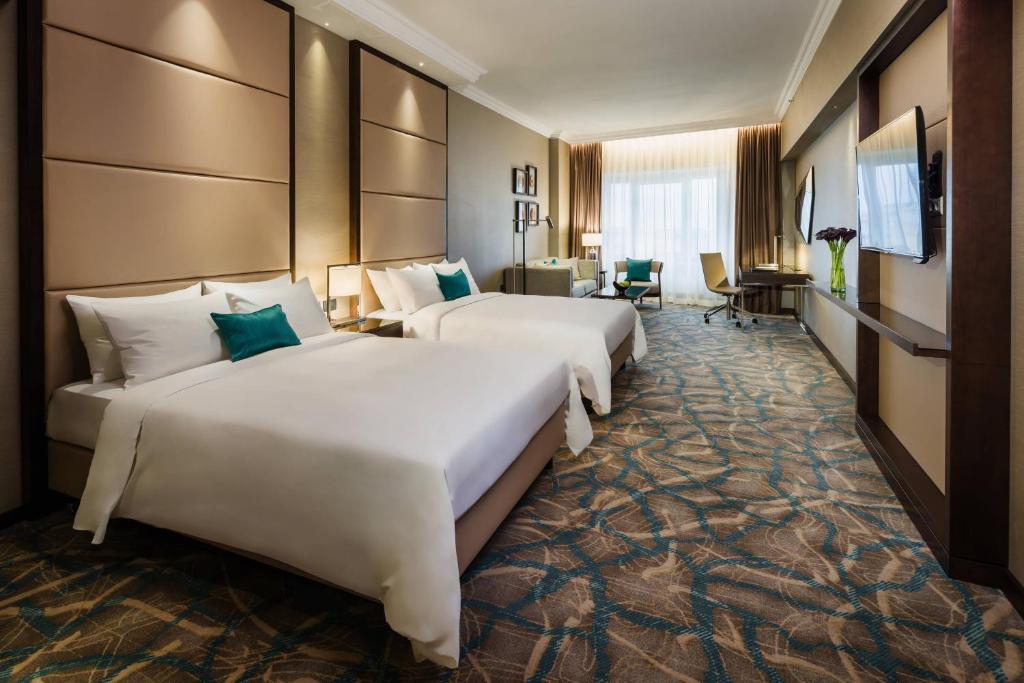
Rated 9.1 out of 3,680 reviews!
One of the most prestigious and recognized hotels in Bucharest, it offers over 400 luxury rooms, with the highest services and amenities. Located near the Palace of Parliament, the hotel also has 3 restaurants, a spa center and more!
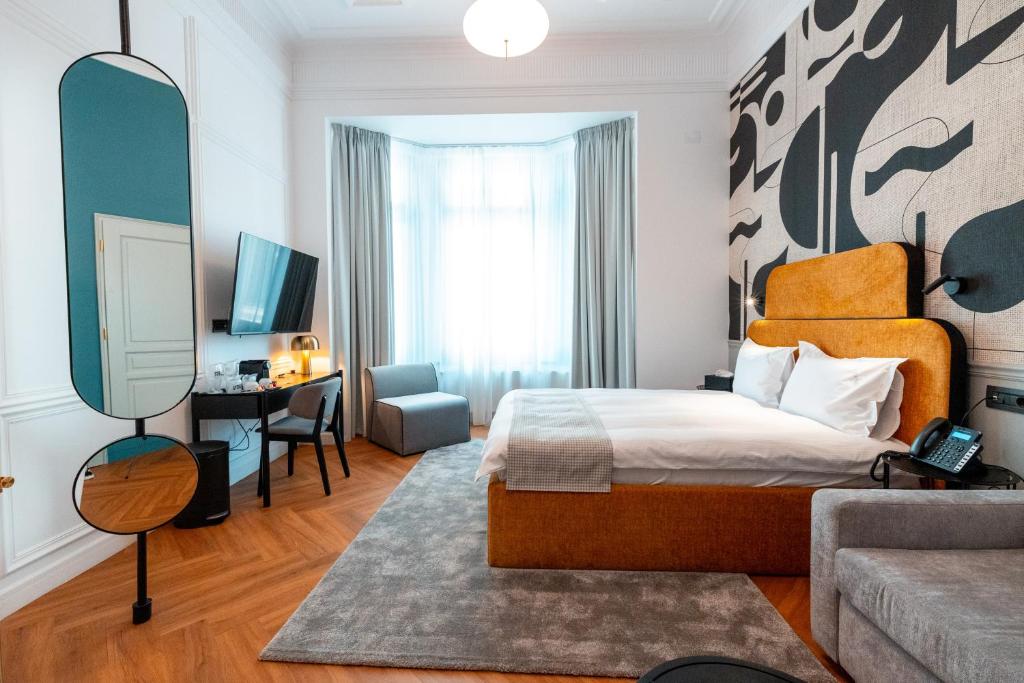
9.4 Rating from 727 Reviews!
Located near University Square with excellent access to public transportation, this superb hotel offers guests rooms with modern decor and all amenities, as well as the possibility of serving a varied breakfast!
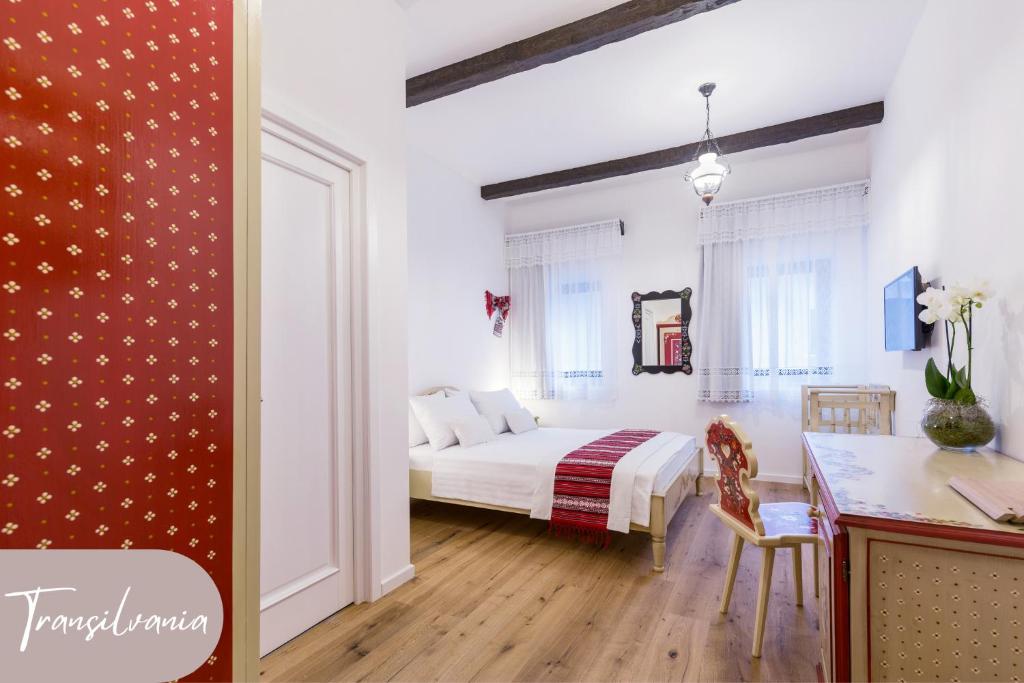
Rating 9.0 from 911 Reviews
Located near the old center of Bucharest and University Square, this unique boutique hotel offers individually decorated rooms with a special ambiance, as well as a prestigious Italian restaurant!
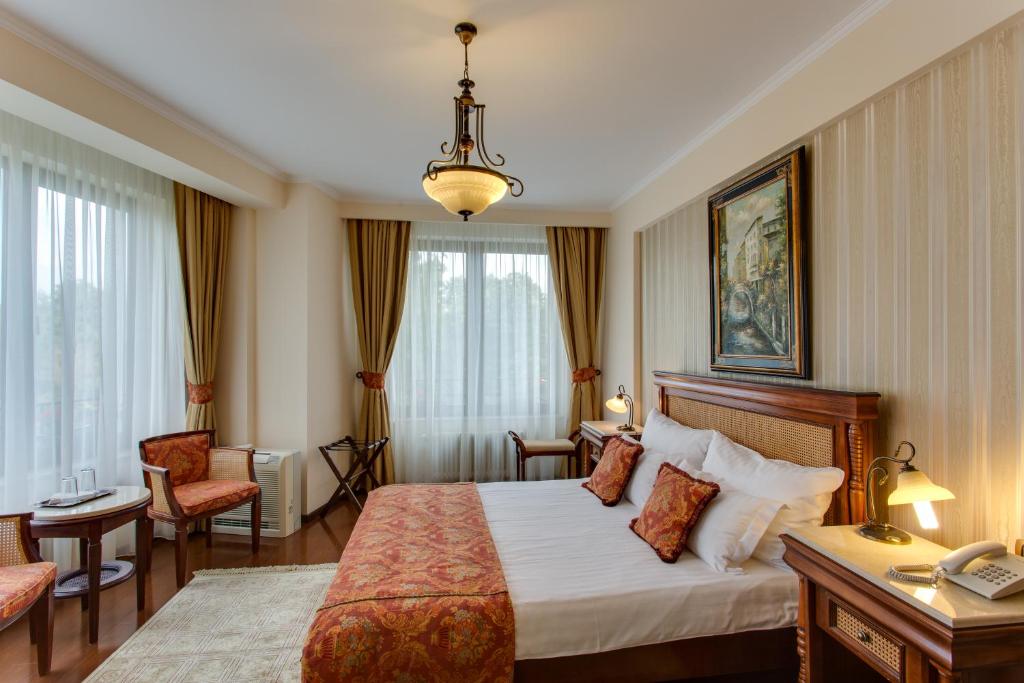
Rating 9.2 from 561 Reviews
Located in the elegant Dorobanti neighborhood, this exceptional boutique hotel was recently opened and delights its guests with tastefully furnished rooms, offering appreciated services and breakfast!
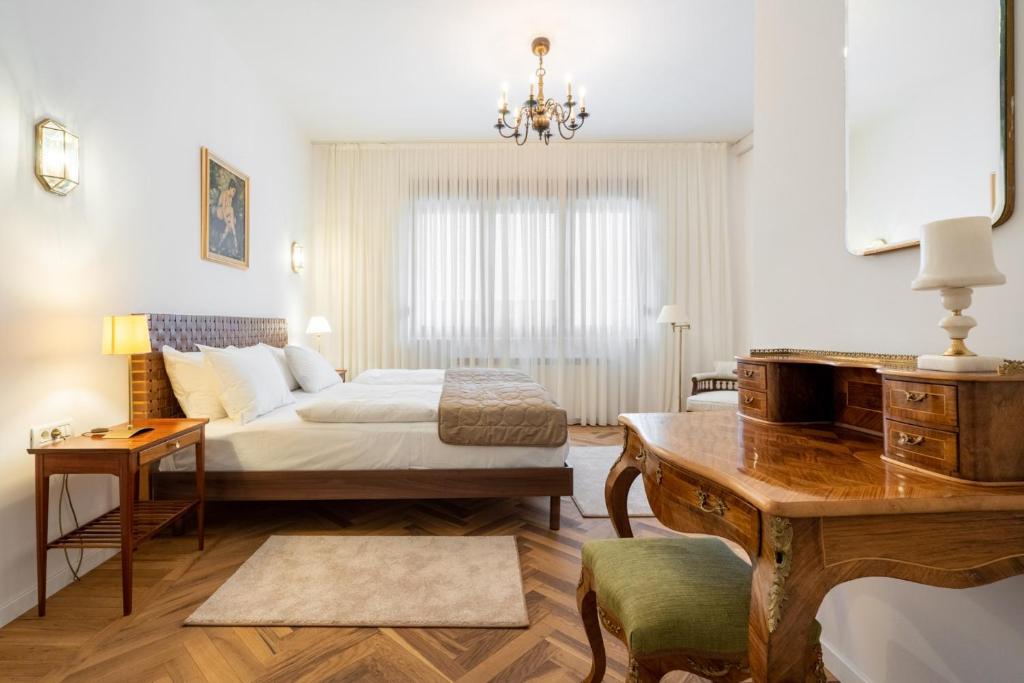
9.0 Rating from 1.223 Reviews!
Located near Romana Square and Victoriei Square, this elegant hotel offers superior accommodation in family rooms with all amenities, as well as a garden or the possibility of serving breakfast!
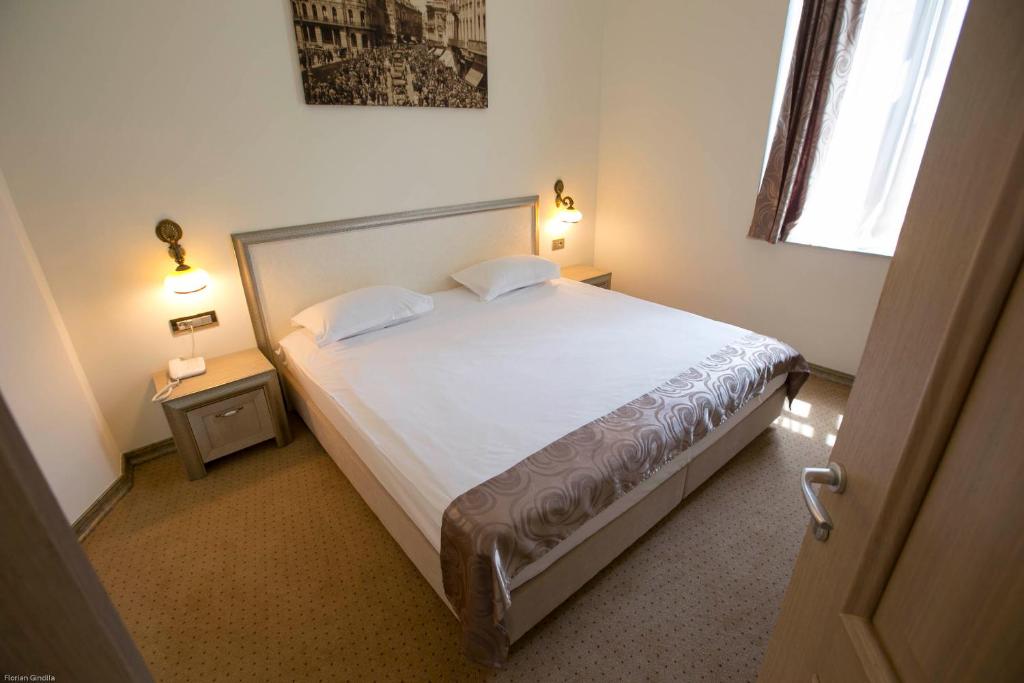
Rating 9.1 from 2.531 Reviews
Located near the North Train Station, this hotel, especially appreciated for its great quality-price ratio, offers spacious rooms with all amenities and an excellent restaurant!