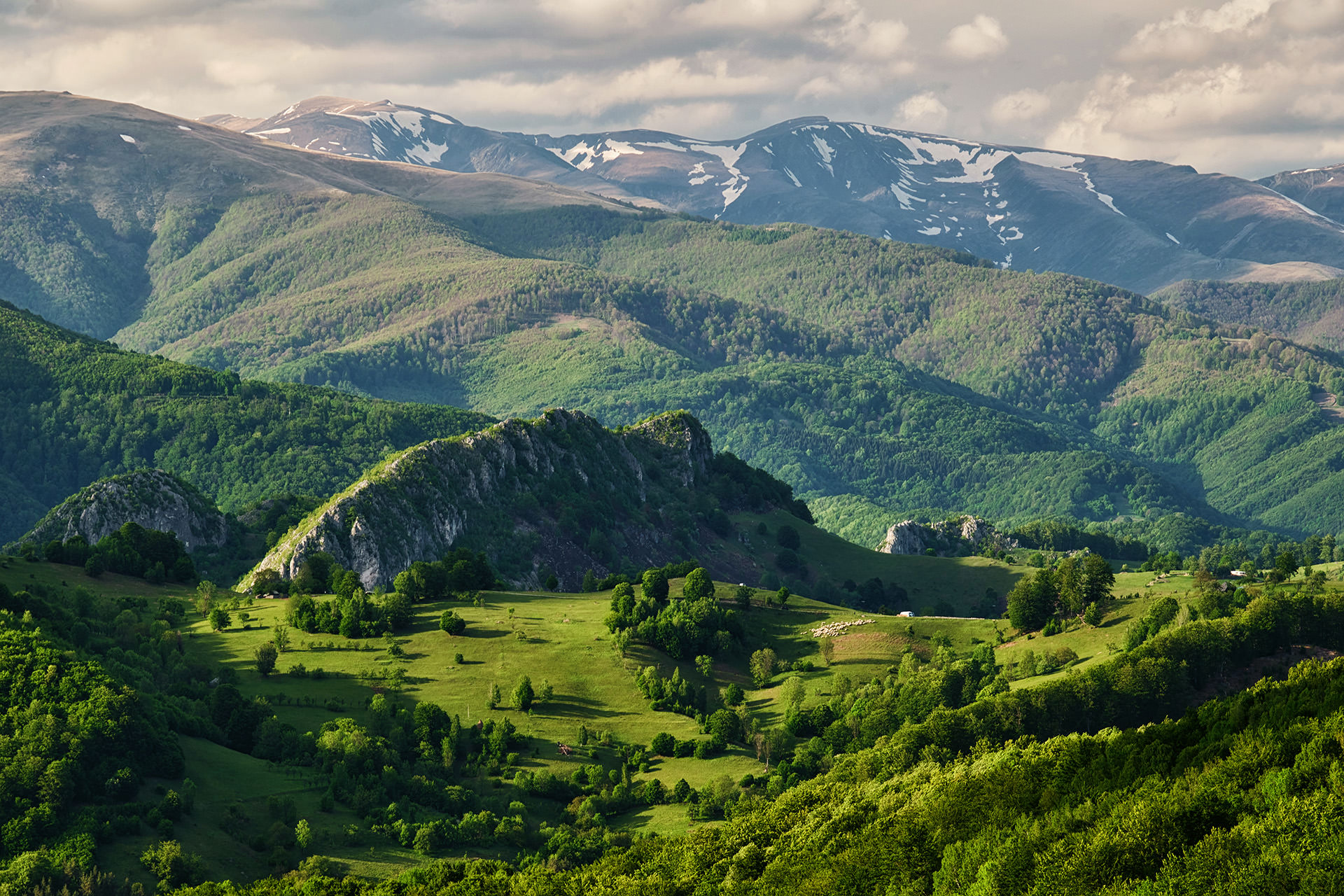
Bucegi Mountains – Craddle of Mountain Tourism in Romania

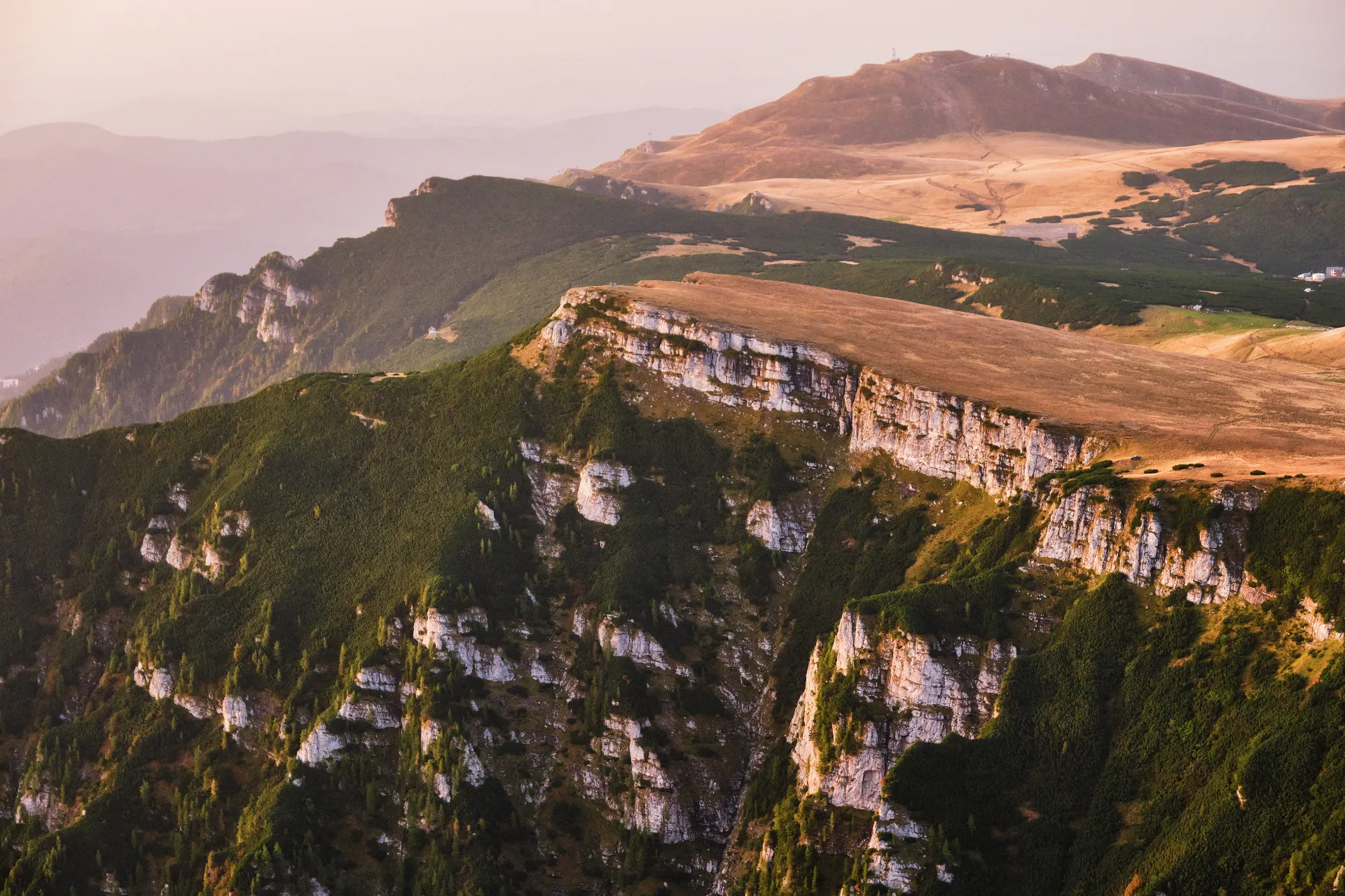
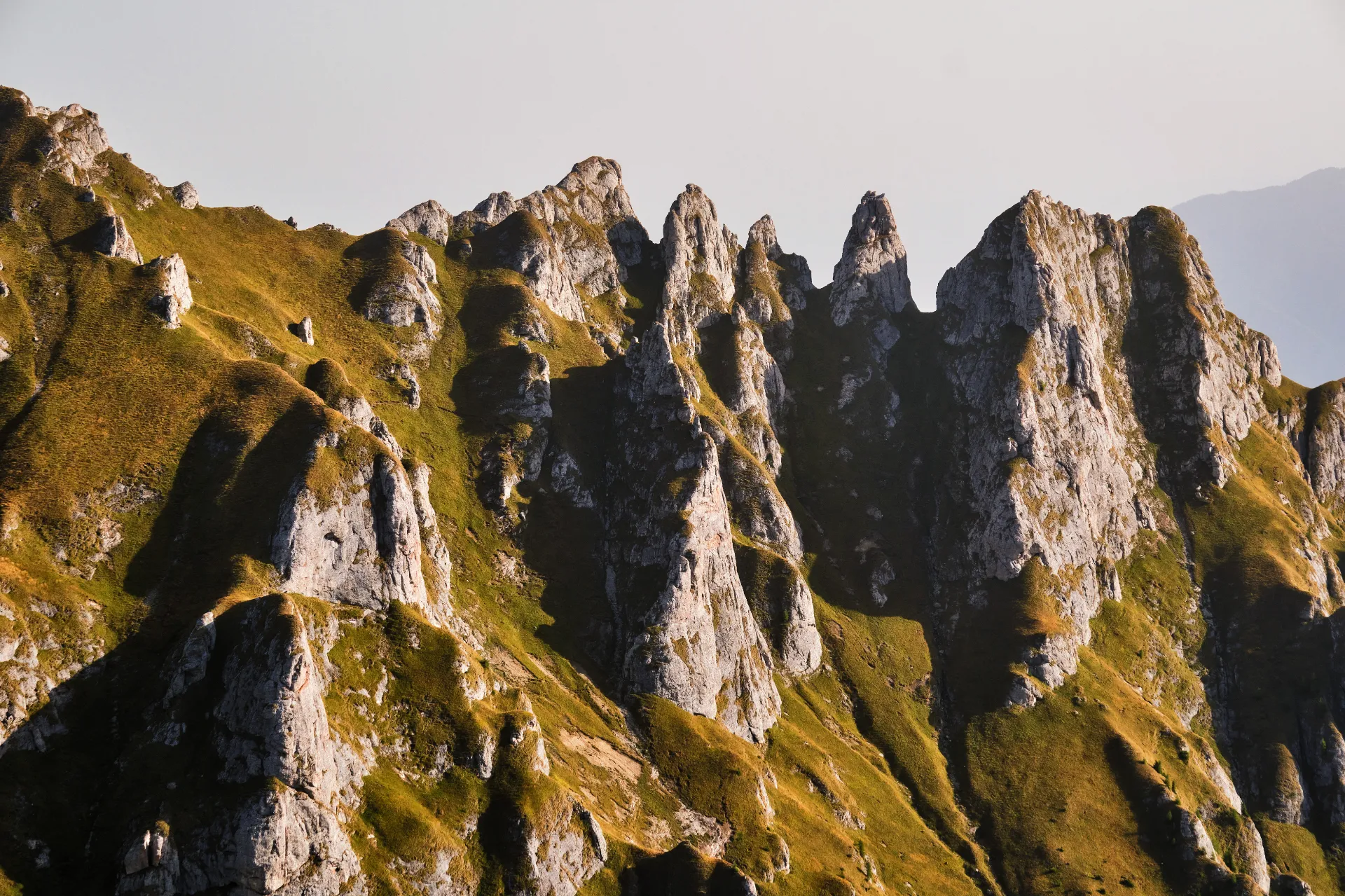
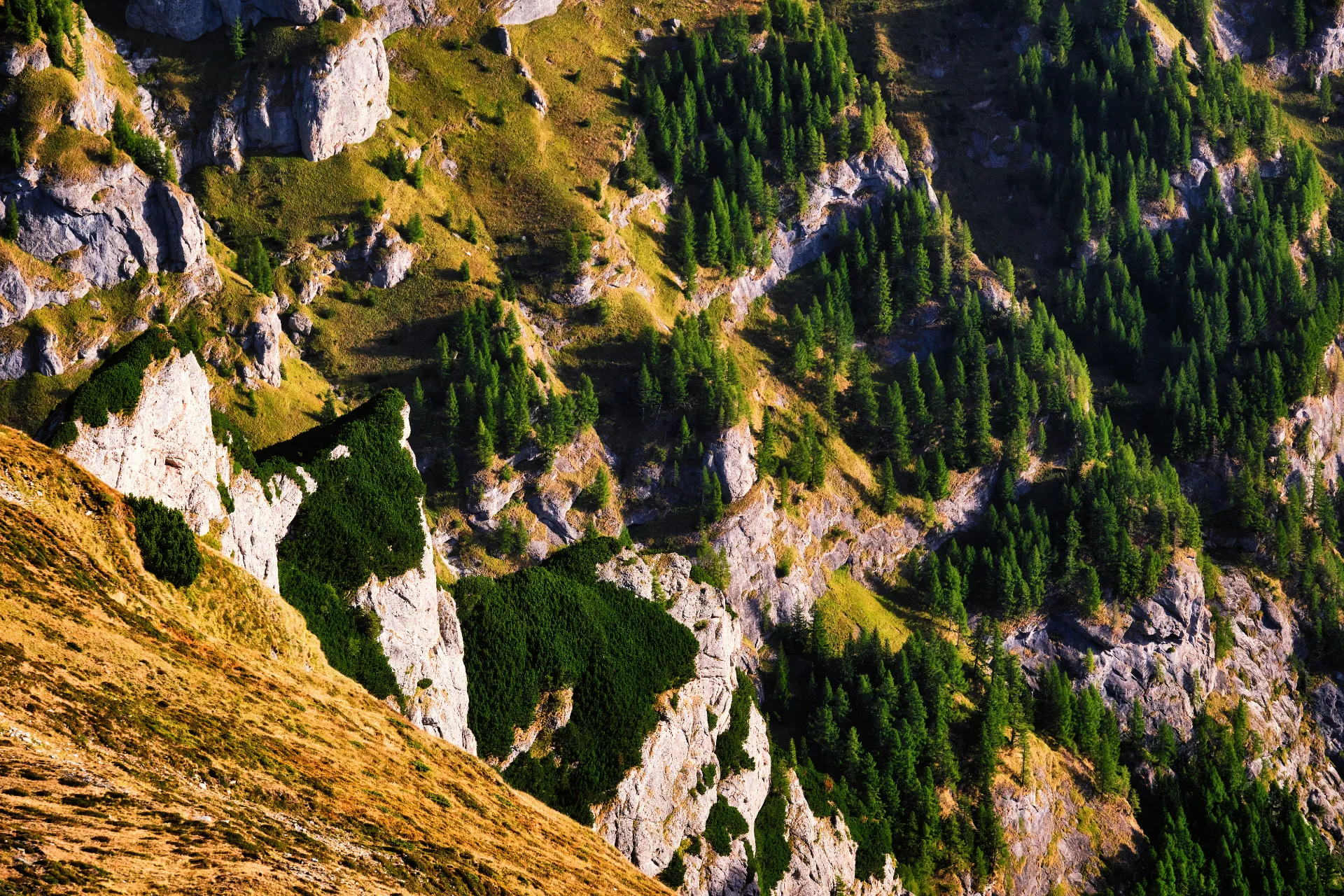
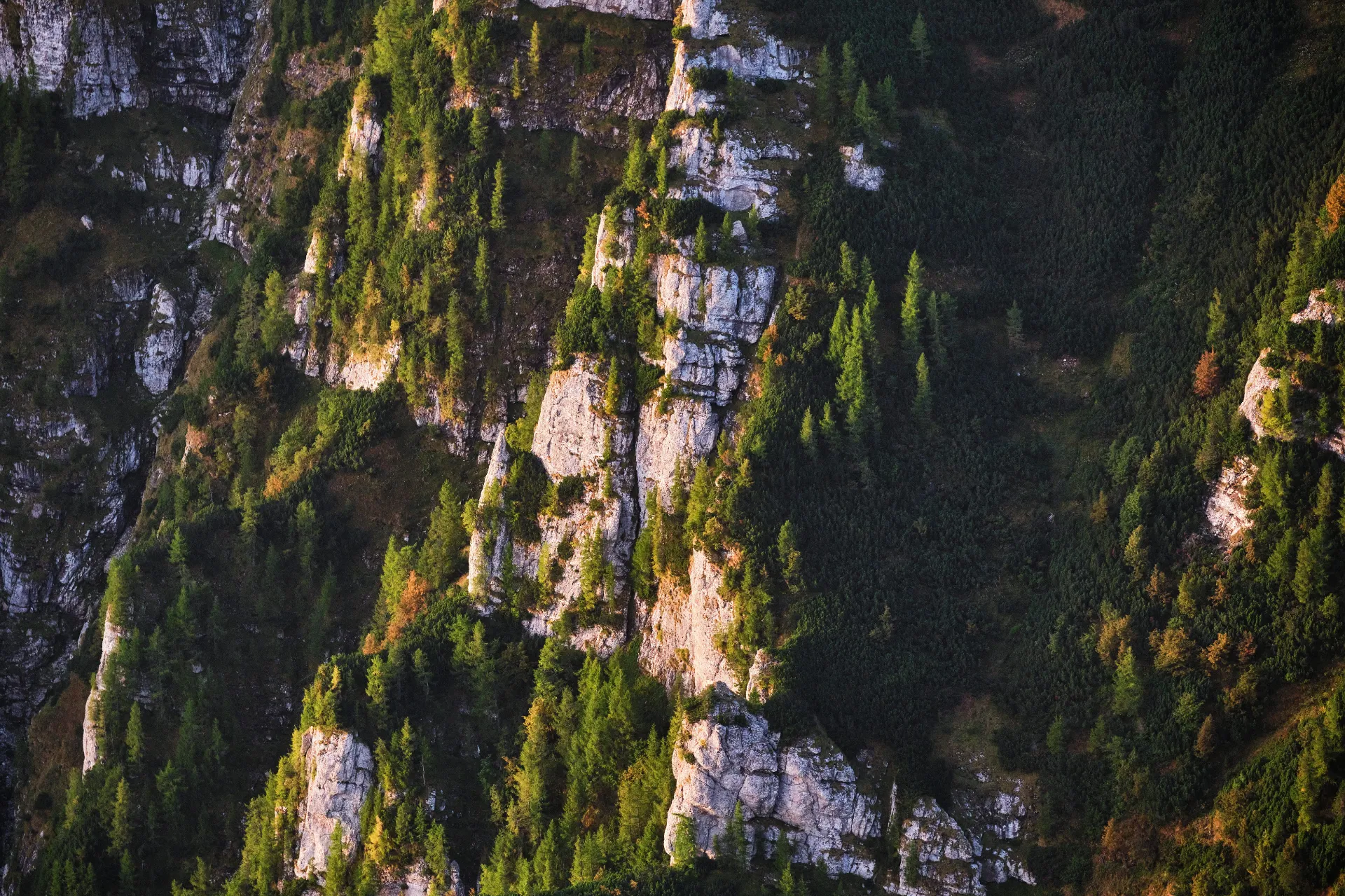
Bucegi Mountains - Wild Mountains of Romania 14 - Prahova Abrupt Scarp

Steep and wild slopes defend the massive stone fortress of these legendary mountains, sculpted by wind and rain for millennia, but also by the boots of millions of brave explorers. Furrowed by deep valleys and wide paths, the Bucegi are the cradle of mountain tourism in Romania, but also the mystical realm where nature has staged a unique and always surprising spectacle!

Revered and respected alike, carrying an accessible wilderness that has intrigued and enticed travelers since ancient times, the Bucegi Mountains remain a symbol of people’s unbridled desire to explore. Shrouded in legends and old stories, they have always guarded two of the most important gates of the Carpathians, representing for many the personification of mountains in Romanian popular culture. One of the most popular and appreciated tourist destinations in Romania, the Bucegi Mountains are the best known and most visited of the Romanian Carpathians, benefiting from the proximity of the resorts in the Prahova Valley and the high density of hiking trails that cross them.

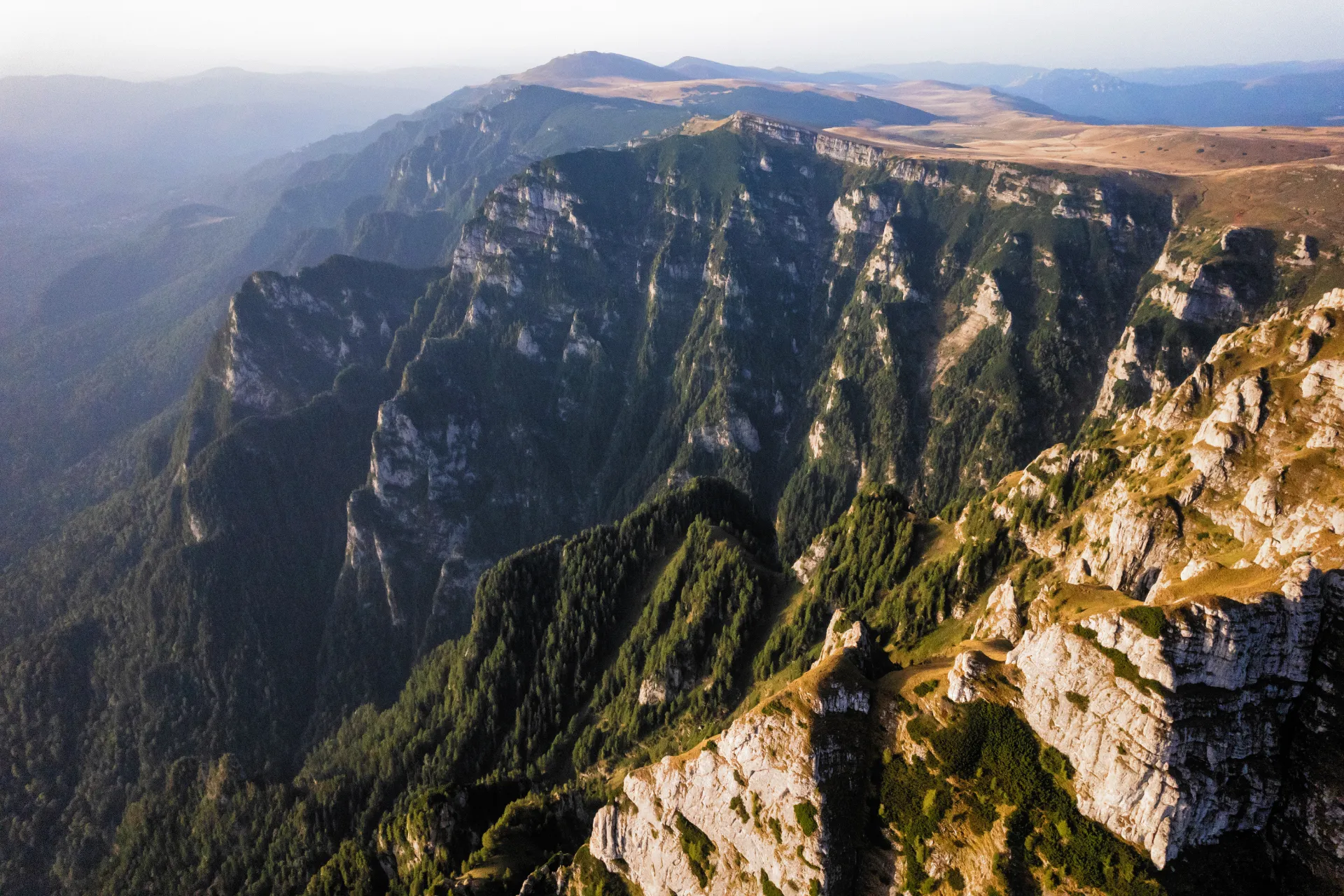
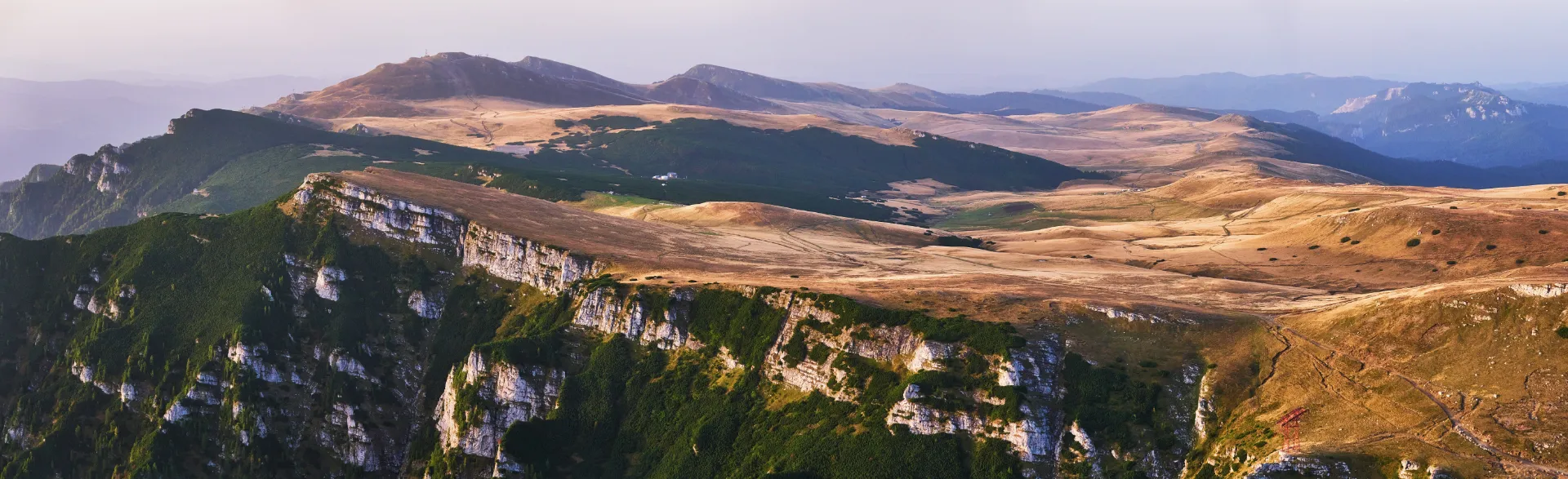
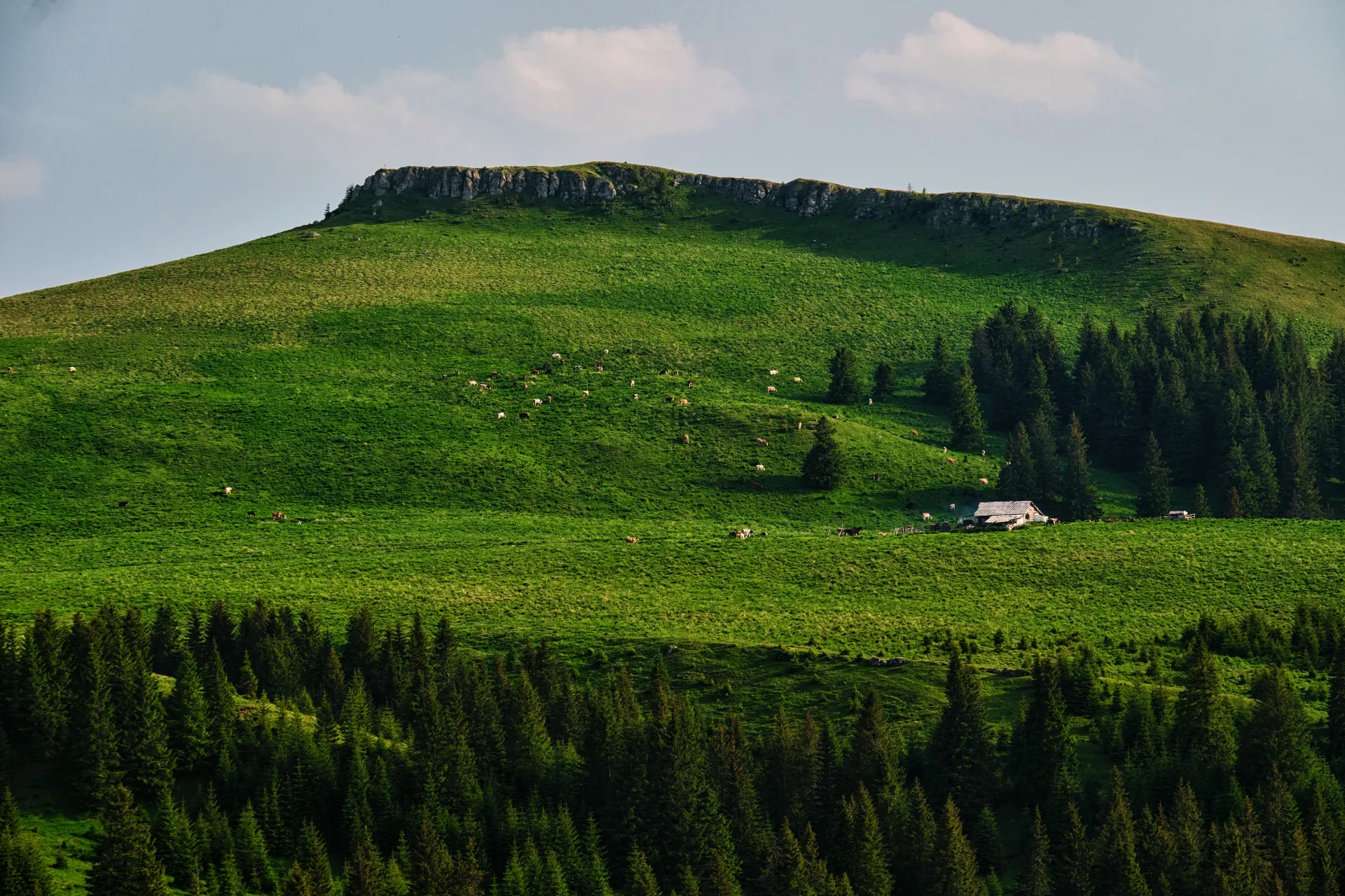
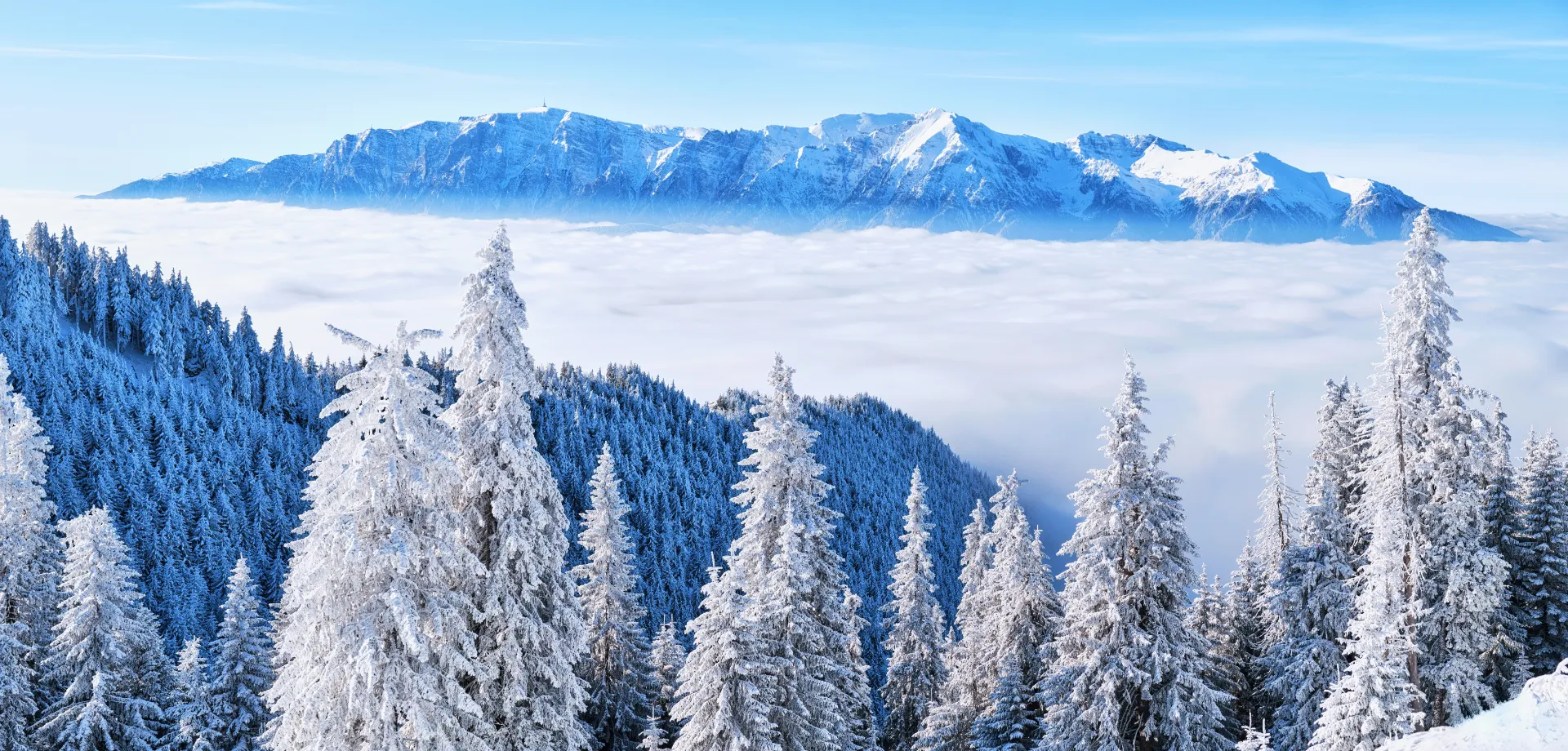
The main ridge of this imposing massif runs between the Ialomița and Prahova valleys, encompassing the Bucegi Plateau, with altitudes between 1,600 and 2,400 meters, but also the impressive steeps from the north and east. In the western part, between the Ialomița valley and the Rucăr-Bran corridor, there is a secondary, lower and gentler ridge (the Doamnele, Bătrâna, Tătaru mountains). The most spectacular part of the Bucegi massif is the eastern escarpment (between the Vânturiș and Morarului valleys), which dominates the Prahova valley with differences in level ranging from 500 to over 1,000 meters. It includes the imposing Furnica, Piatra Arsă, Jepii Mari, Jepii Mici, Caraiman and Coștila massifs. The northern escarpment is equally impressive, with several steep ridges emerging from the Omu peak (Moraru, Bucșoiu, Padina Crucii, Gaura, Tiganești).

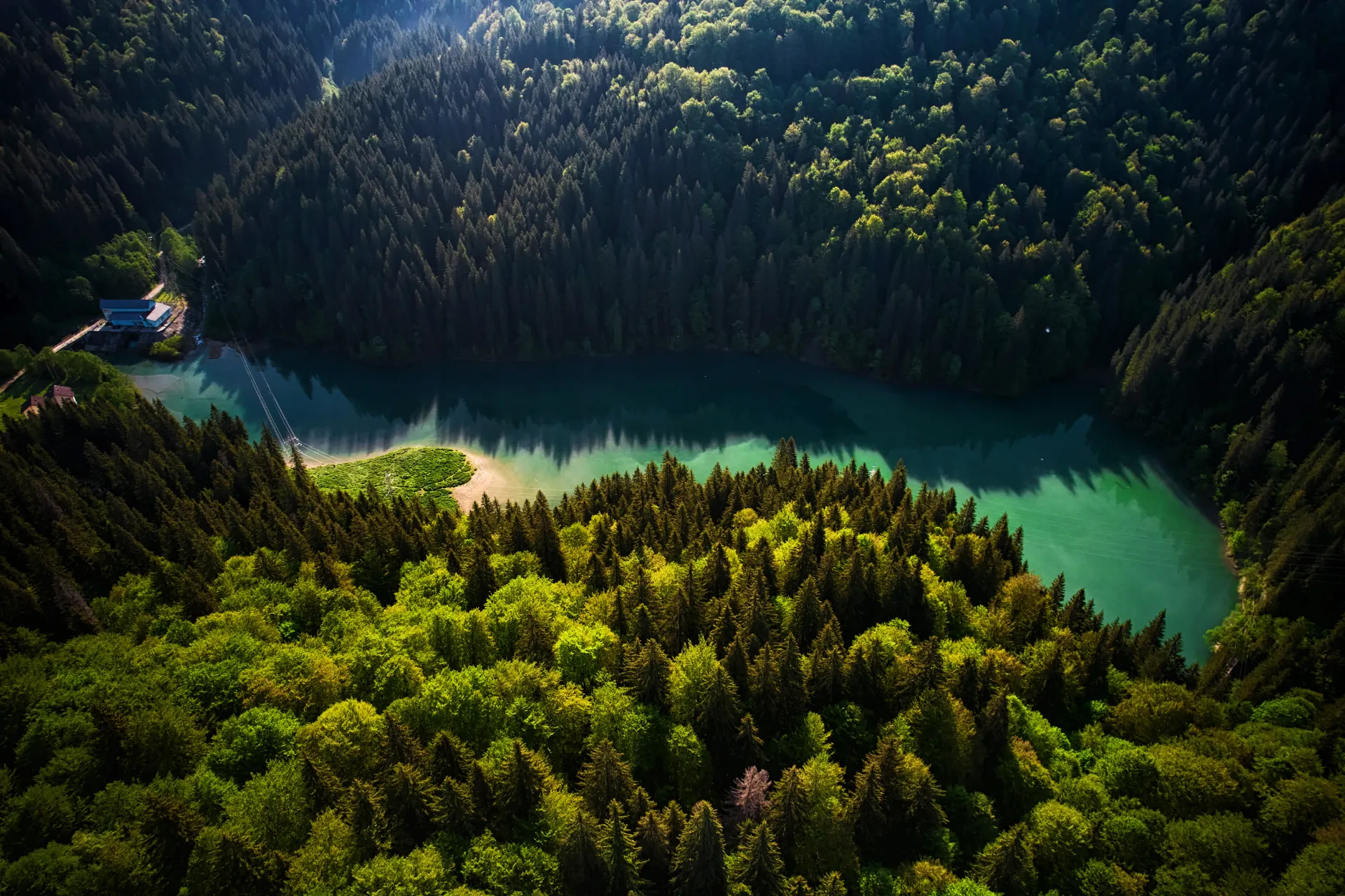
Bucegi Mountains - Wild Mountains of Romania 11 - Scopoasa Lake
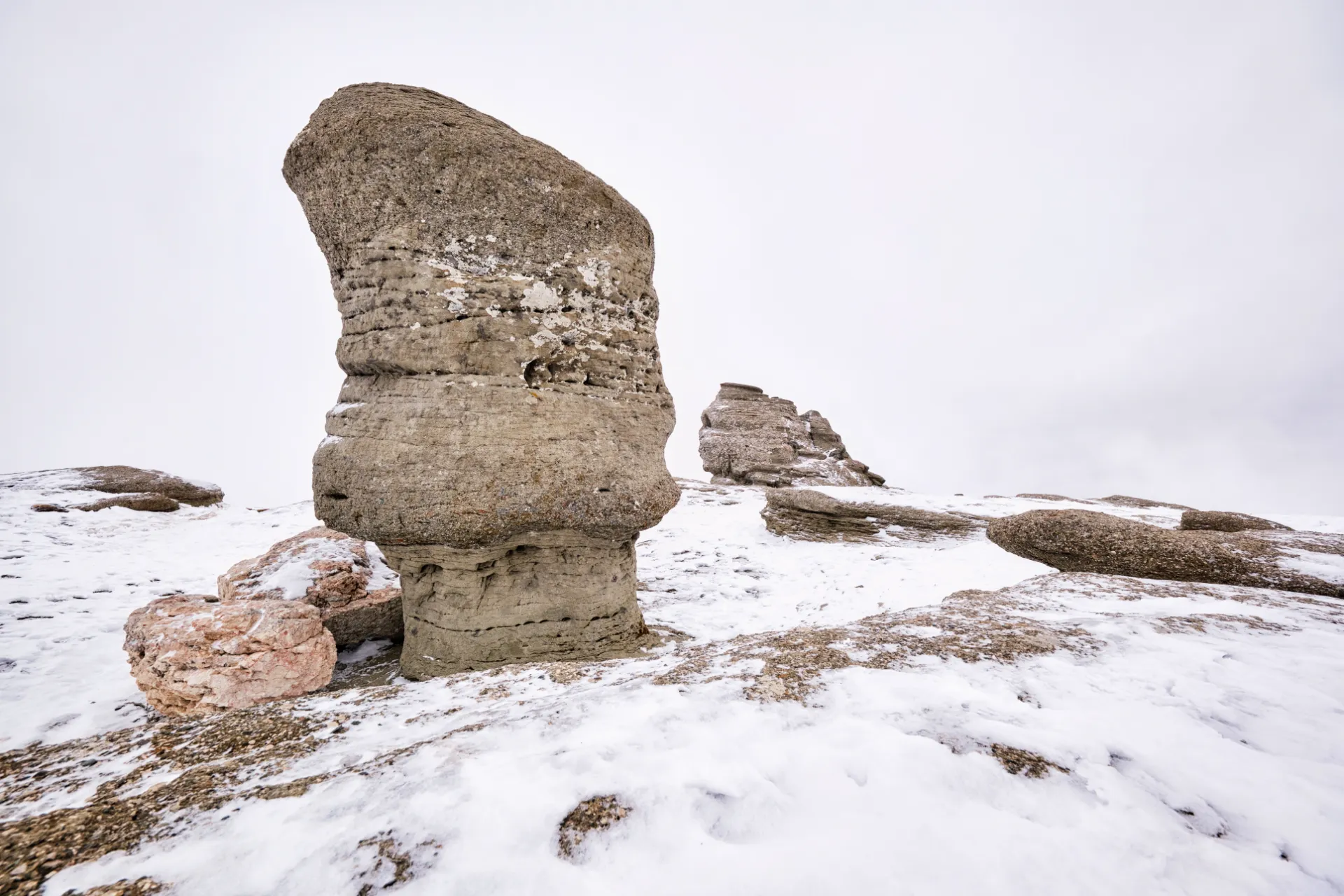
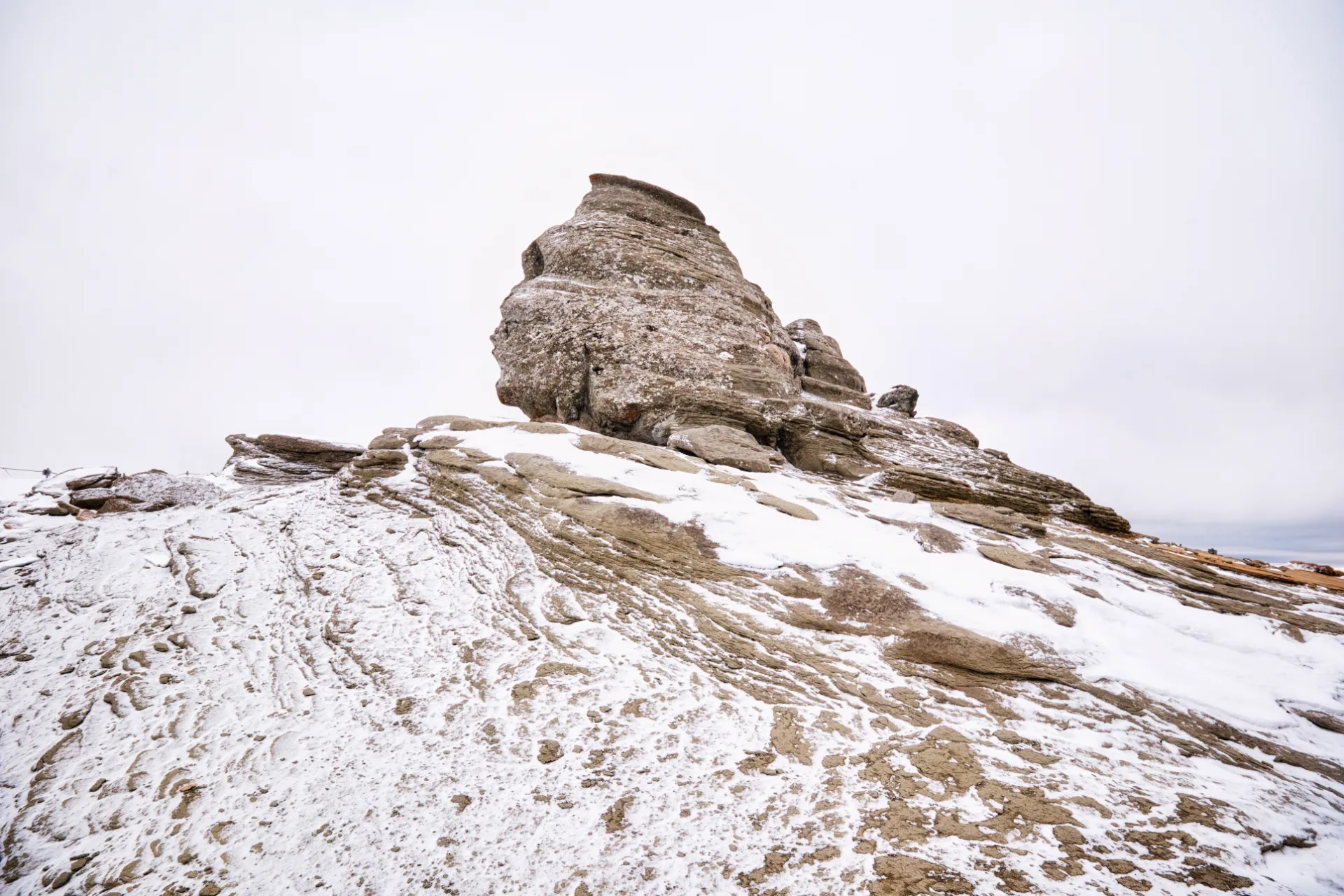
Bucegi Mountains - Wild Mountains of Romania 82 - The Sphinx of Bucegi
Bucegi Mountains - Wild Mountains of Romania 06 - Prahova Abrupt
Bucegi Mountains - Wild Mountains of Romania 27 - Moraru Needles

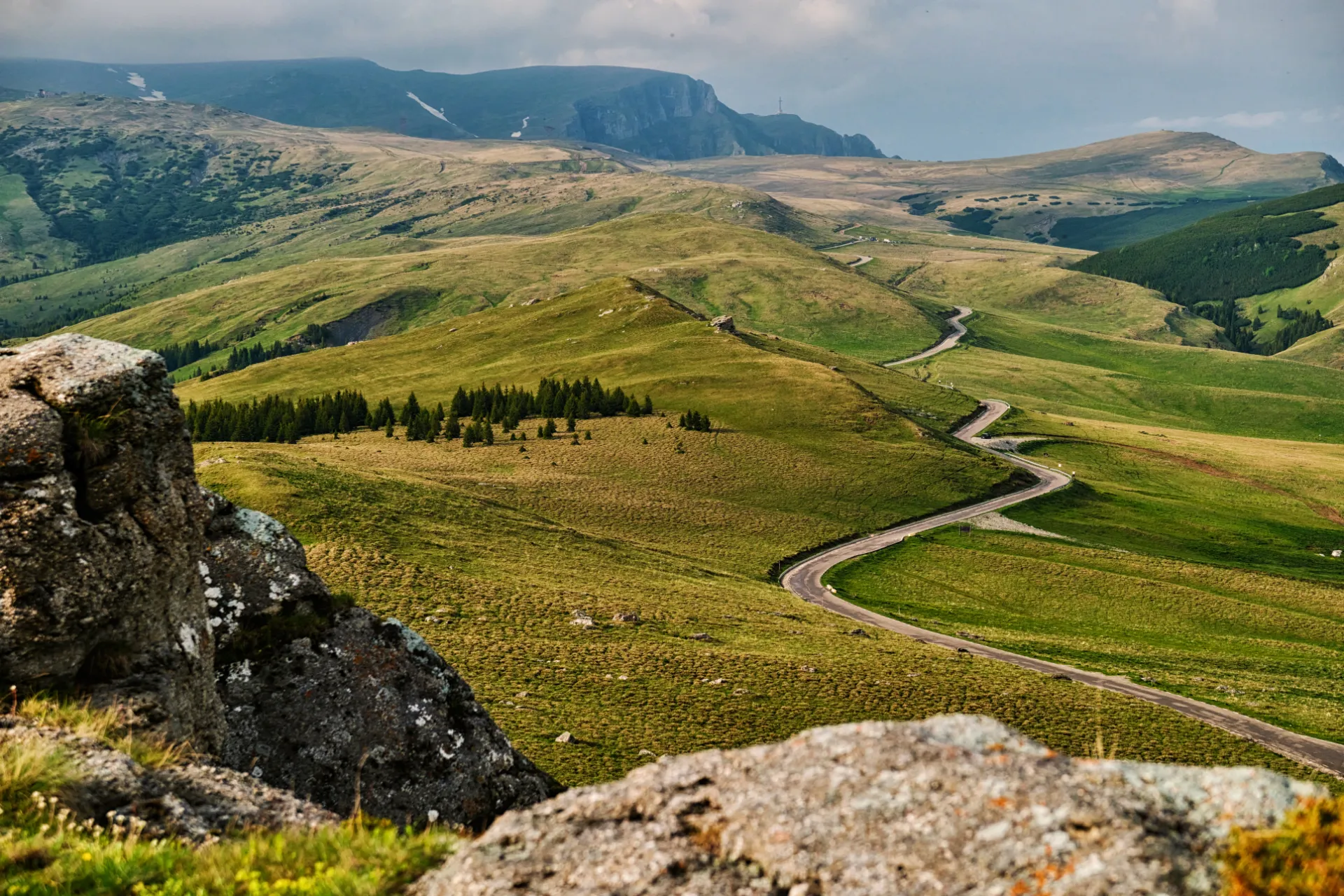
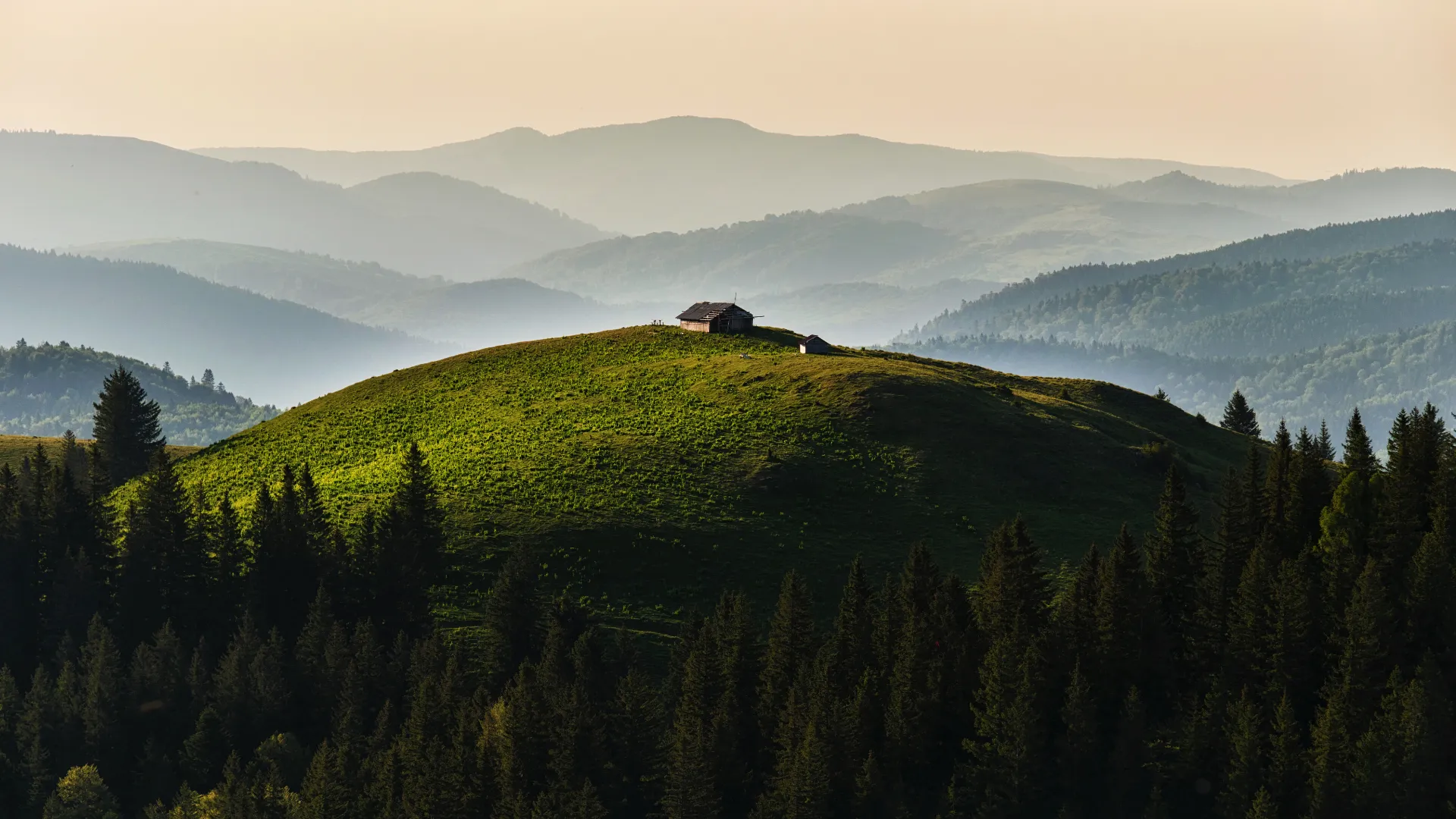
The Bucegi Mountains, as well as small portions of the Leaota Mountains and other massifs, have been included in the Bucegi Natural Park. It has an area of ​​approximately 320 square kilometers, of which approximately 60% are forests and 30% alpine meadows. We can enter the Bucegi kingdom relatively easily from several directions and in various ways, but the fastest is the road known as Transbucegi (DJ 713), which branches off from DN 71 (Sinaia – Târgoviște). It climbs towards the Bucegi Plateau to almost 2,000 meters of altitude, close to the Babele Chalet, from where a multitude of tourist routes facilitate our further exploration. In the Dichiu saddle, another road branches off that descends towards the Ialomița valley, passes by Lake Bolboci and climbs up to the Peștera area. We can also reach the high Bucegi plateau more quickly by cable car (cable car and gondola) from Sinaia or Bușteni.

With all these modern amenities, the most enjoyable and exciting options for exploring the Bucegi Mountains remain the more than 50 well-maintained hiking trails, with varying lengths and levels of difficulty. Some of these climb from the surrounding valleys to the high peaks, while others connect the most important attractions located on the ridges and plateaus. Most of the popular trails that allow us to climb to the heights of the Bucegi Mountains start from the resorts in the Prahova Valley, crossing the wild and imposing Prahova Abrupt, where the altitude increases sharply by 500-900 meters in just a few kilometers. Climbing the steep slopes of the protected natural area, we have the chance to admire incredible landscapes, with vertical ridges and cliffs, deep precipices, wild valleys and breathtaking waterfalls.

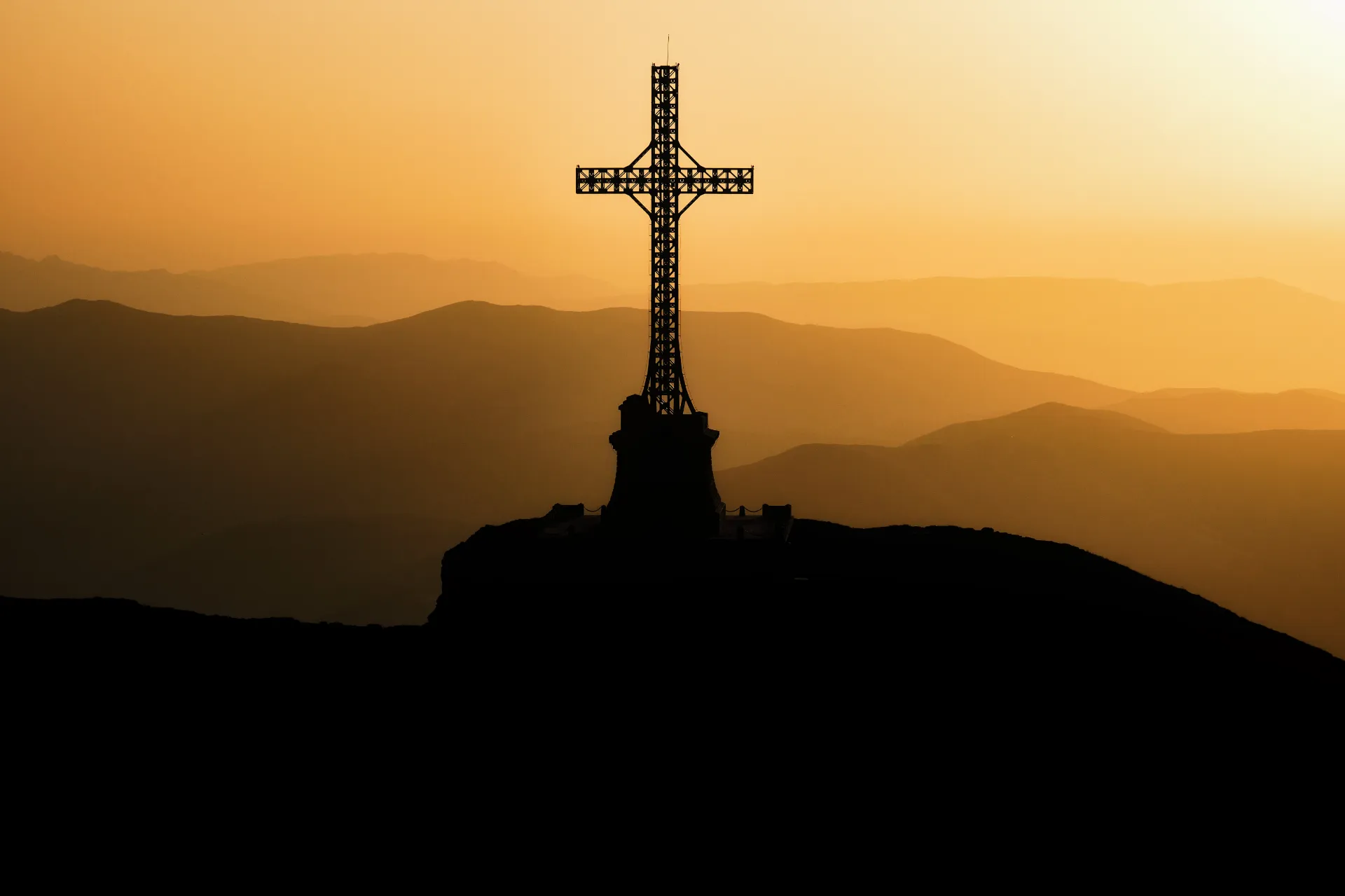
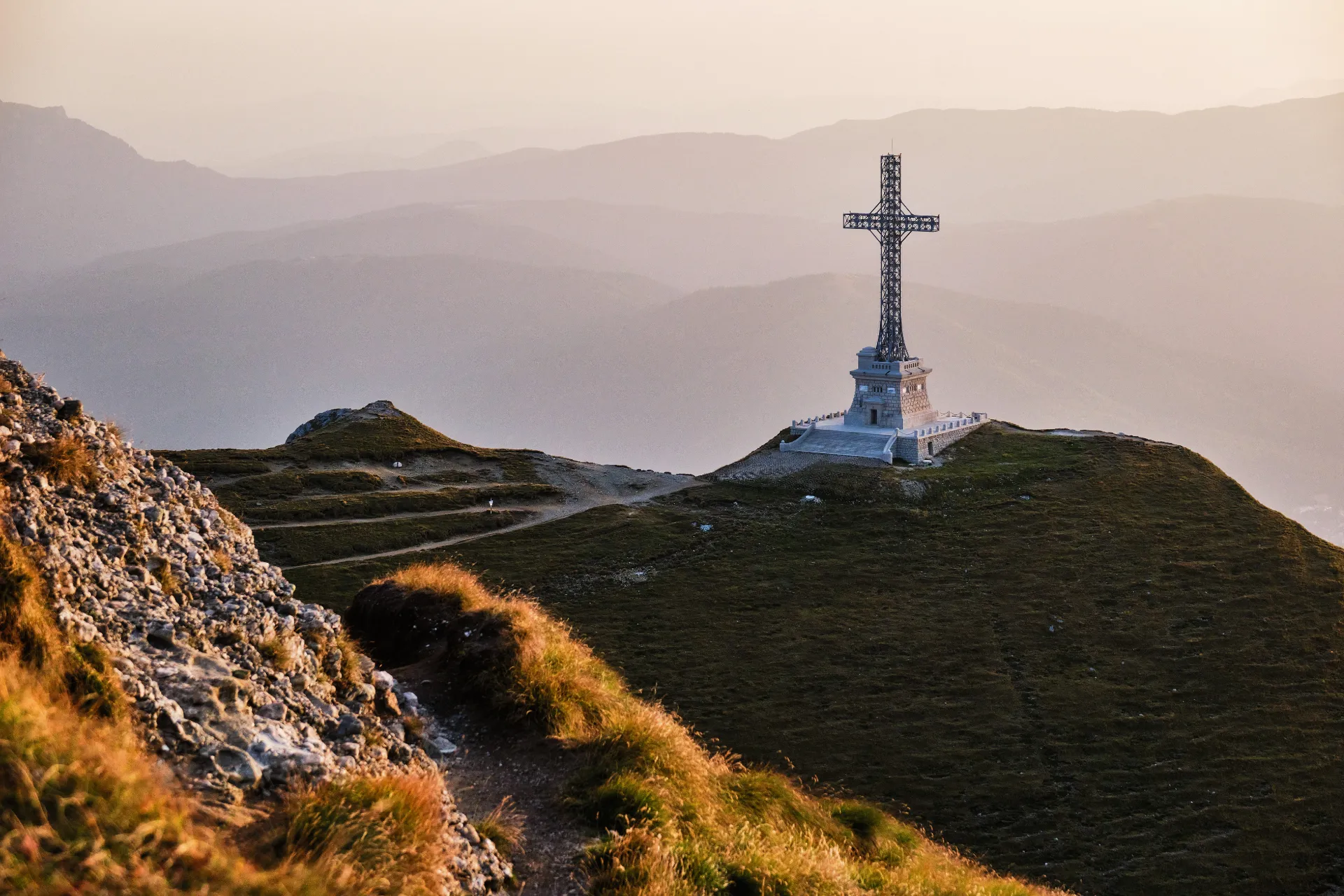
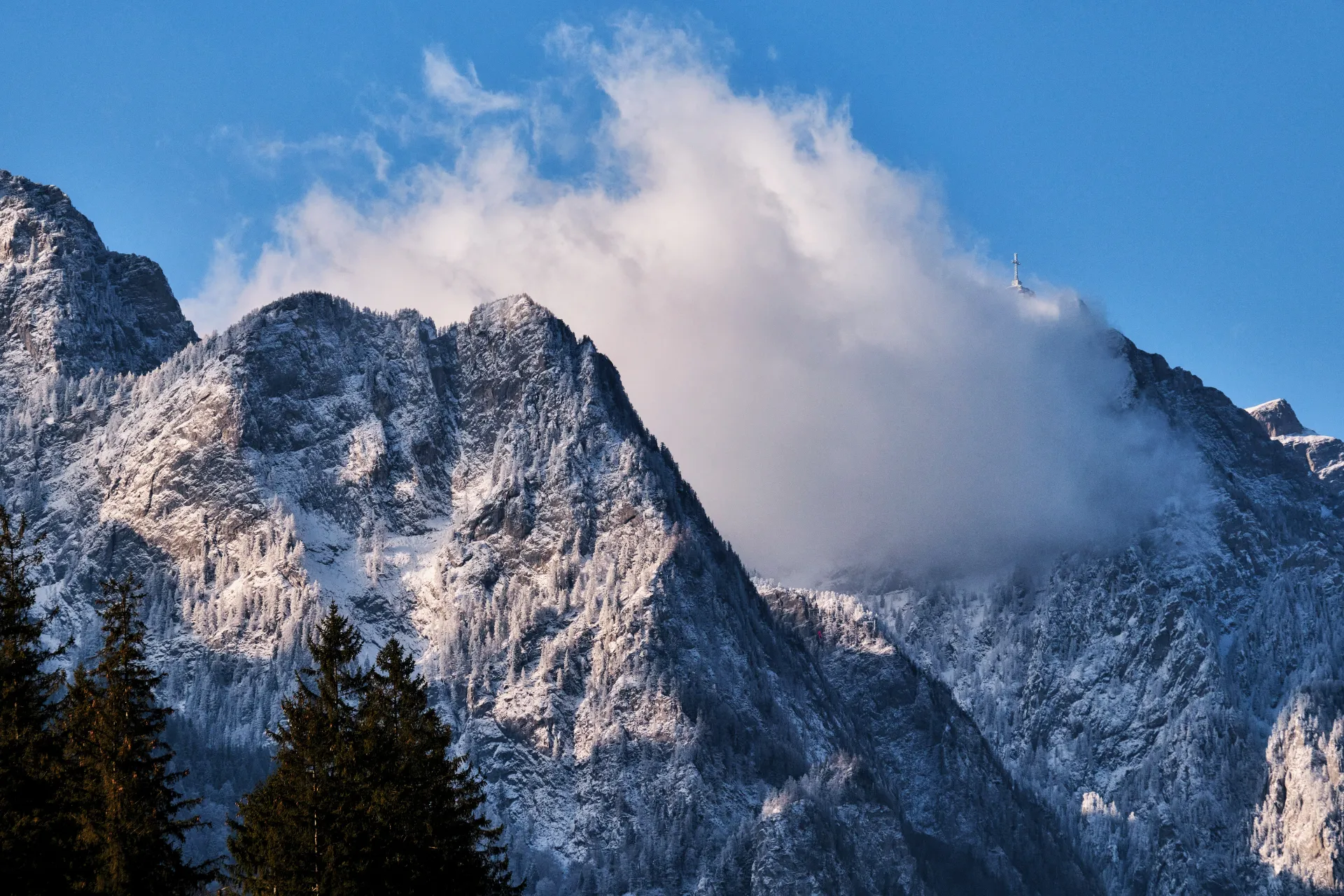
We can also reach the Caraiman Cross by following an easier route on the ridge from Cabana Babele, after which it continues to the Omu peak. The impressive monument is 48 meters high and is currently illuminated at night, being visible from the valley below or from the peaks of the surrounding mountains. The view from here is memorable, especially at sunrise or sunset, with the resorts lining the Prahova Valley and the peaks of the Carpathians that seem to go on forever. In the northern and northeastern part of the Bucegi massif, exciting trails climb to the highest peaks, and along them we can admire impressive rock formations. Here we also encounter the highest peaks in these mountains, culminating in the Omu Peak (2,505 meters), the highest in Bucegi and the sixth highest in the Romanian Carpathians. In the western part of the natural park, several trails depart from the villages of Bran, Șimon, Moieciu de Sus or Fundata and climb towards the ridges. 

Search for Flights to Romania with Booking.com!

Bucegi Mountains - Wild Mountains of Romania 21 - Heroes Cross of Caraiman
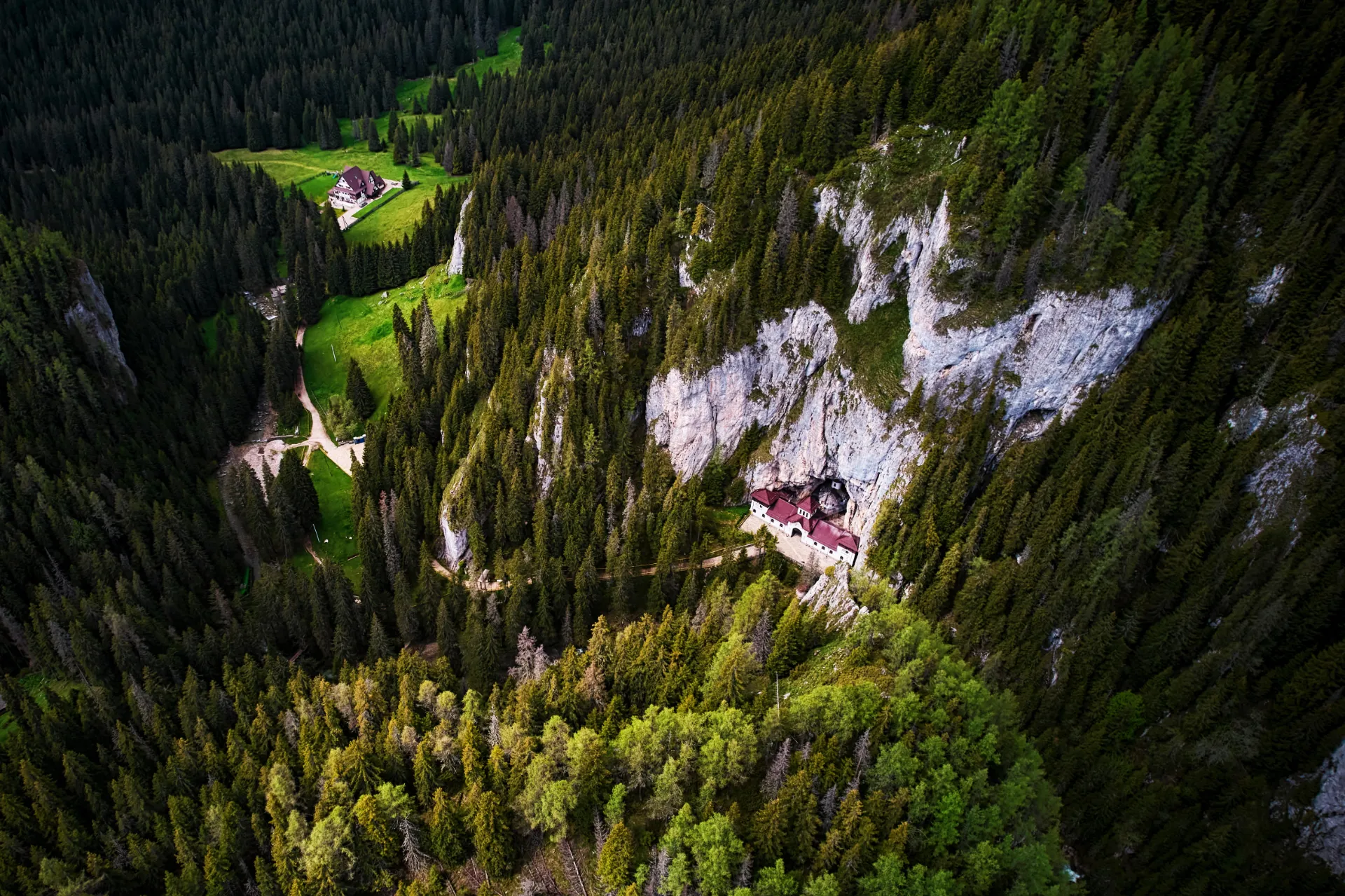
Bucegi Mountains - Wild Mountains of Romania 12 - Ialomita Valley and Cave
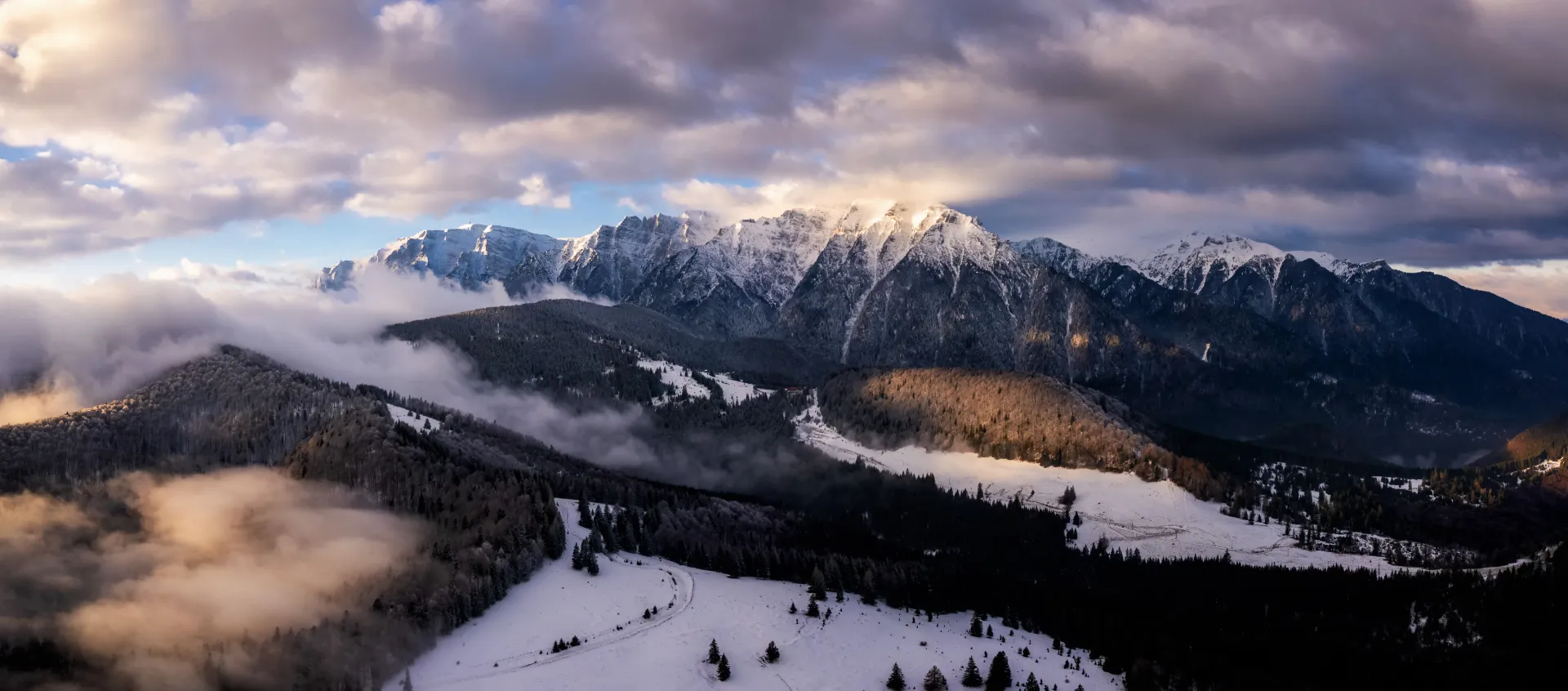
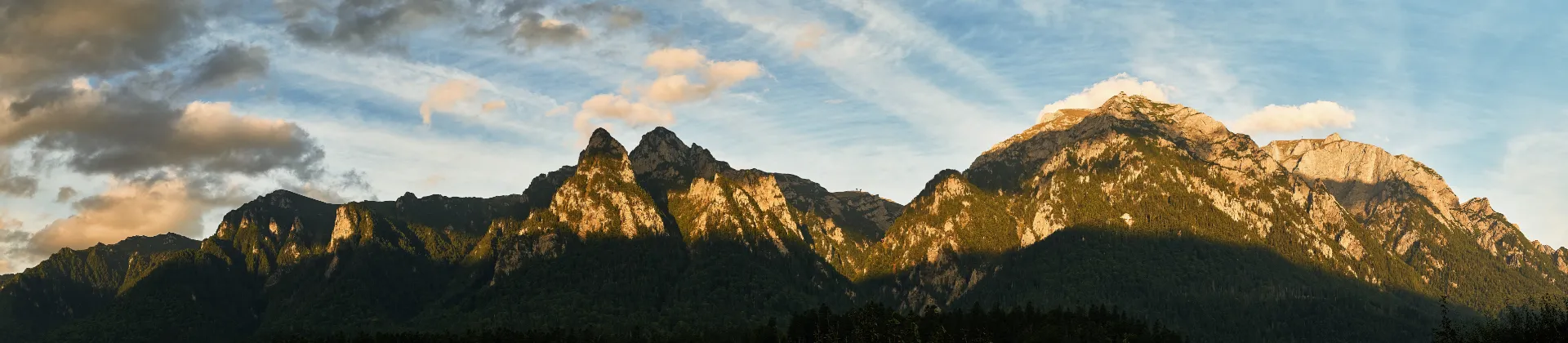
Bucegi Mountains - Wild Mountains of Romania 09 - Bucegi Mountains Panorama

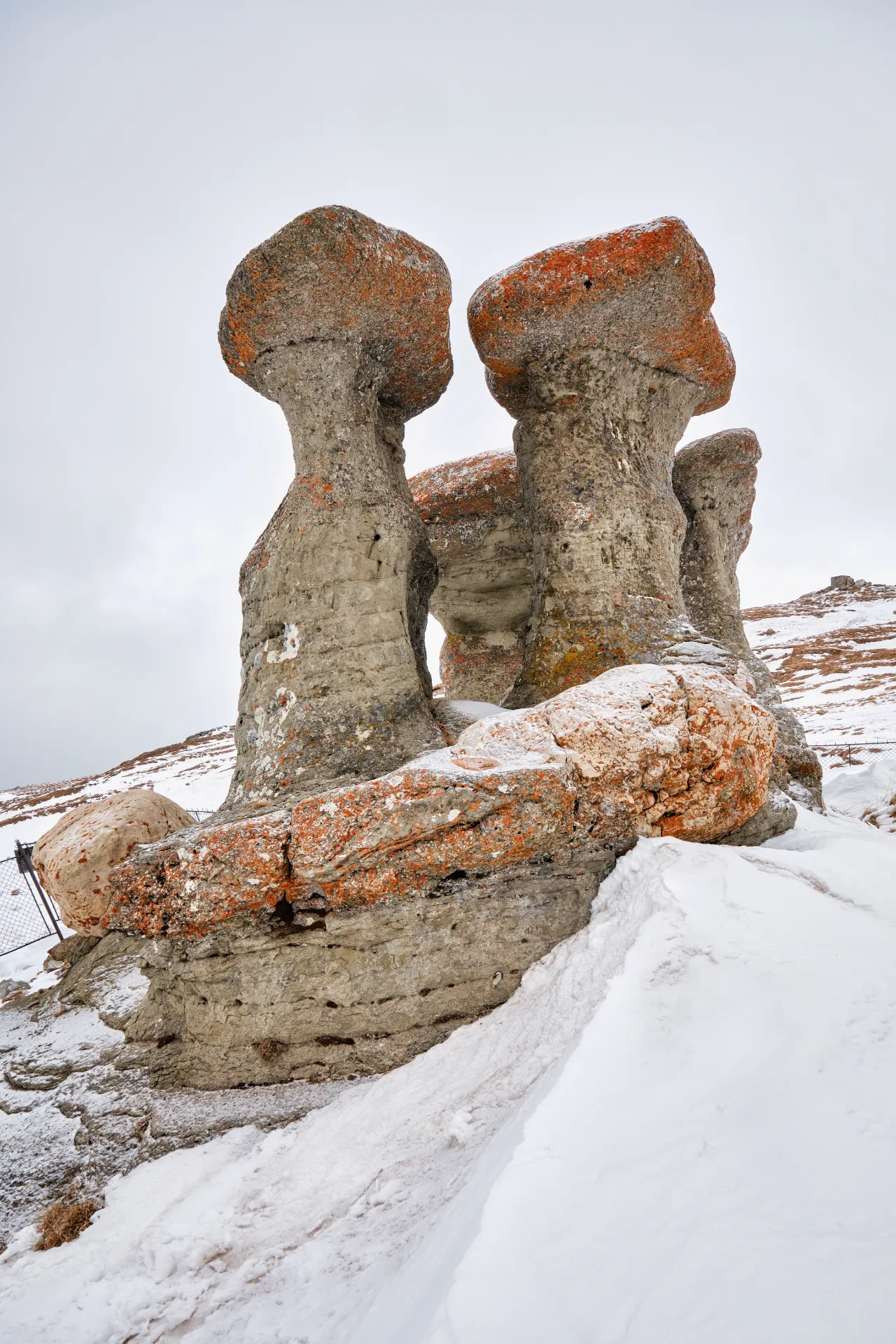
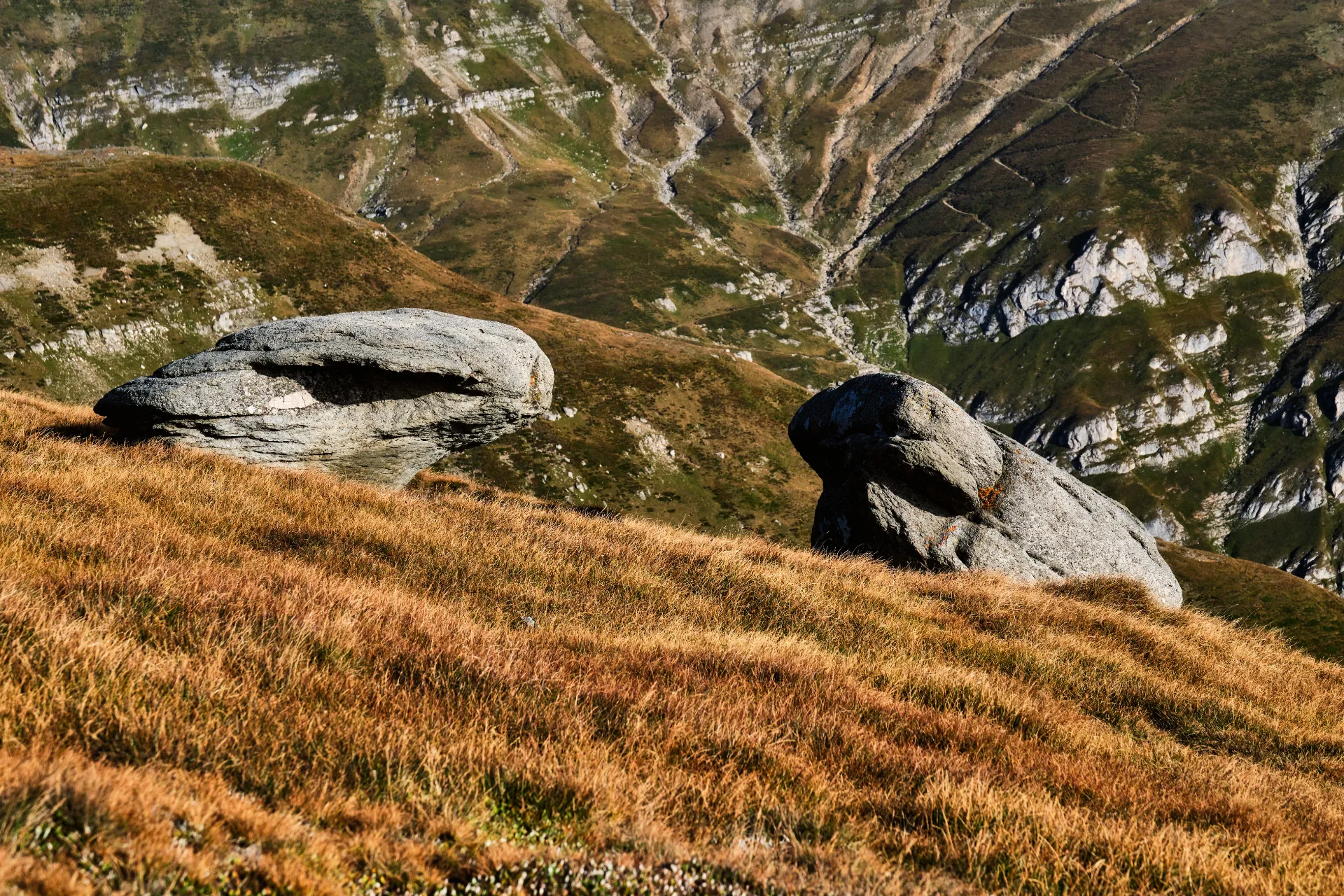
The specific relief of the high area of ​​these mountains is known as the Bucegi Plateau, much more extensive than in other sectors of the Carpathians. Although it also exists in the western ridge, the plateau is much more prevalent in the main eastern ridge. The most famous attractions of the high plateau are certainly the unique geological formations, which have received suggestive names. Although there are many other interesting rocks on this plateau, the Bucegi Sphinx stands out for its anthropomorphic appearance, carved by nature into the 12-meter-high rock. There are numerous fascinating legends related to this impressive monument, some attributing supernatural characteristics to it or linking its appearance to extinct civilizations. Nearby, we also discover Old Ladies of Bucegi, a group of rocks also formed by water and wind erosion, acquiring over the millennia the specific appearance of giant stone mushrooms. One of the most popular routes of the high plateau connects the Babele chalet, which we reach on the Transbucegi road or by the cable car from Bușteni, to the Omu peak.

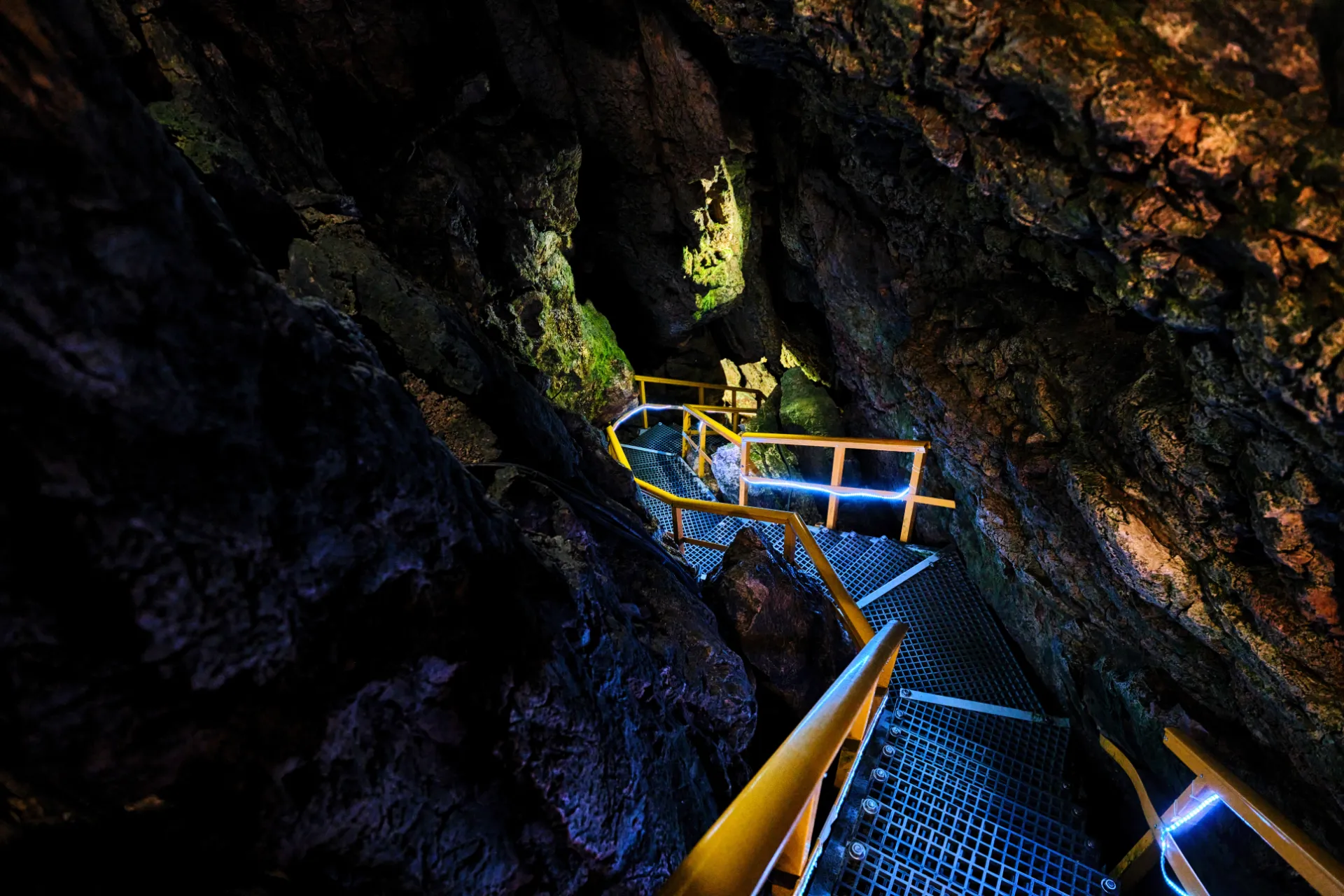
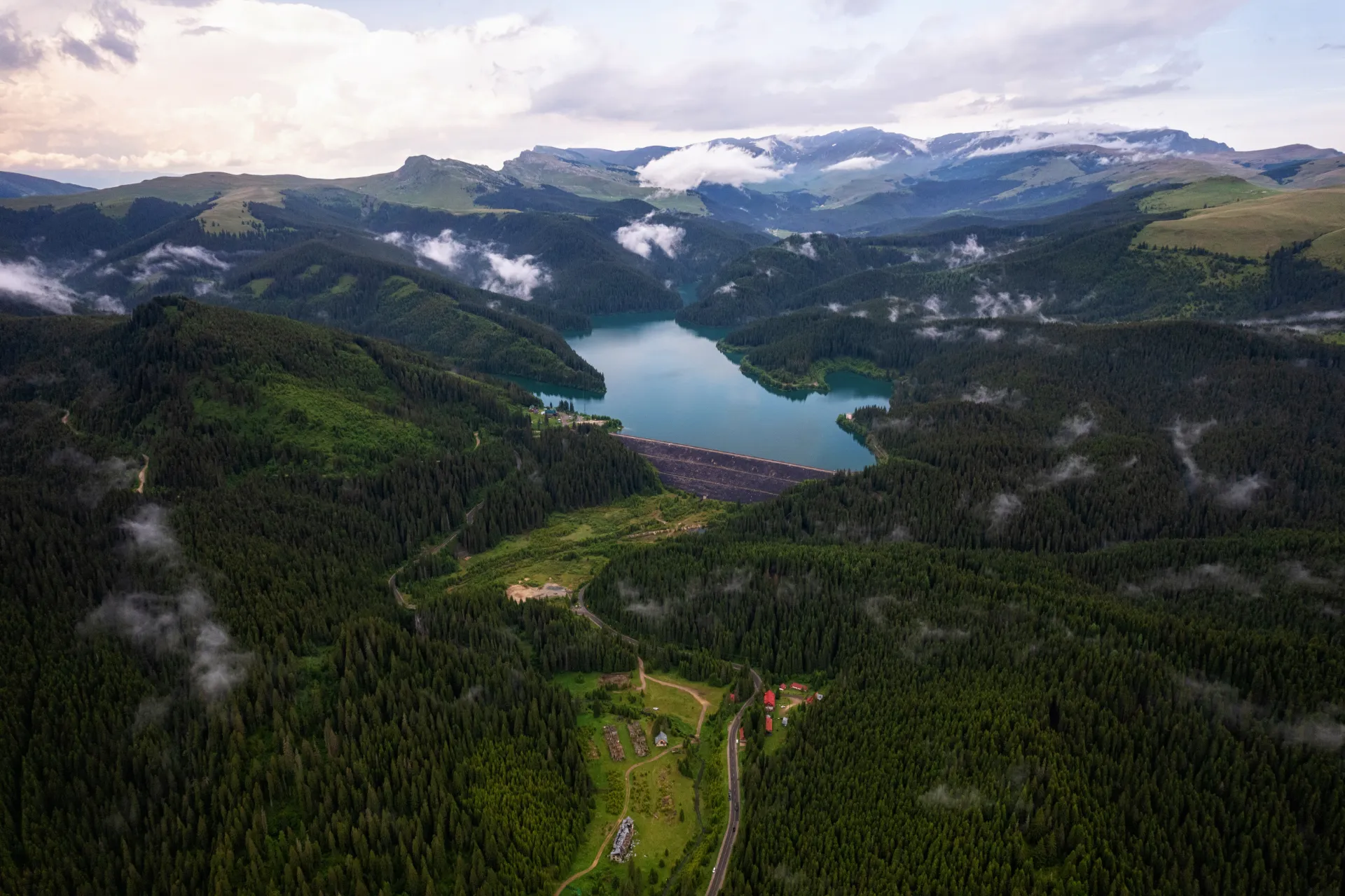
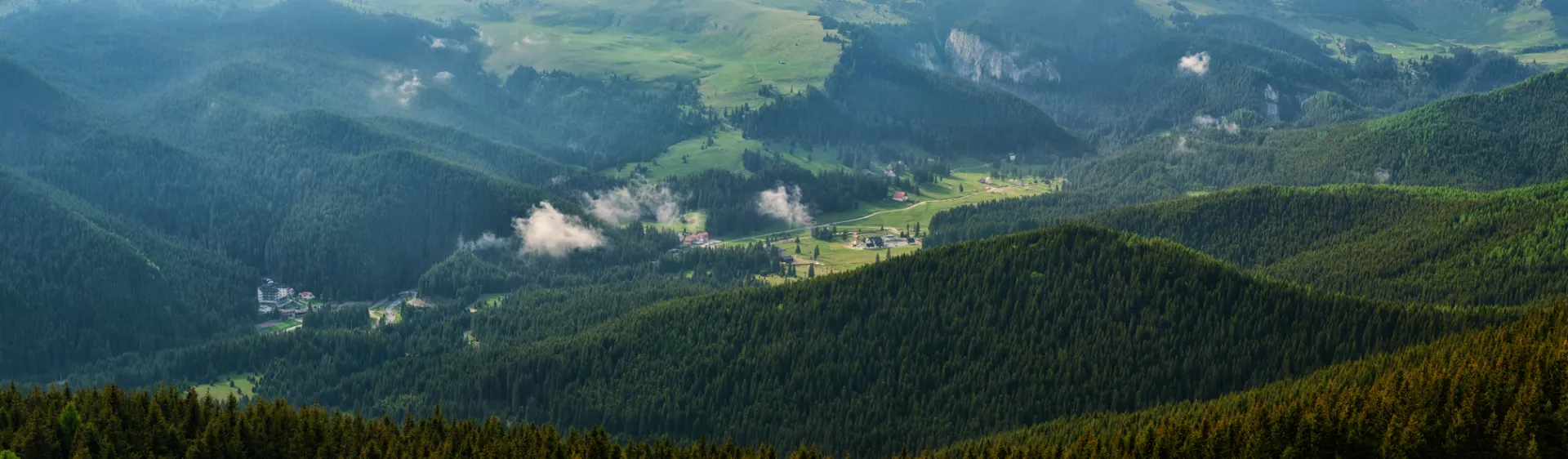
Other paths descend from the peaks to the Ialomița Valley in the middle of the massif, along which we discover other enchanting attractions. Most of them lead us to the Peștera area, where there are several hotels and guesthouses, but also the Ialomița Cave. Its active and fossil galleries have a total length of 800 meters, of which only 400 meters represent the tourist route, arranged with walkways and metal stairs. We are first greeted by the small church of the old Ialomița monastery. Continuing downstream along the Ialomița Valley towards Bolboci Lake, we stop for a few times to admire several wild canyons and a wetland reserve. Set in a charming natural setting, Bolboci Lake is also known as the “Sea of ​​Bucegi”, having a length of approximately 7 kilometers. A few kilometers south of it, we begin the route through one of the most spectacular places in Bucegi, Zănoaga Gorges, enchanting in any season, but truly captivating in autumn.

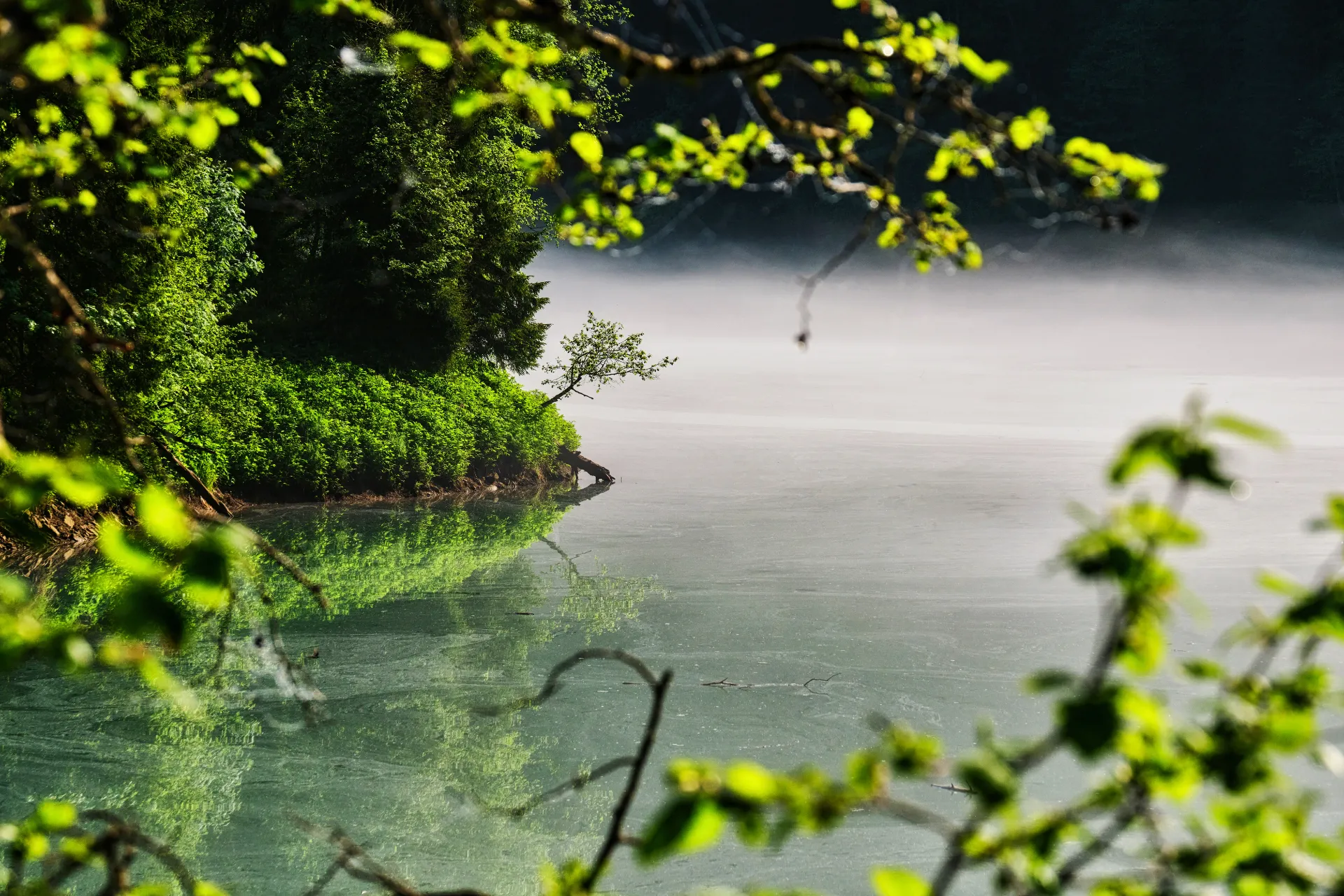
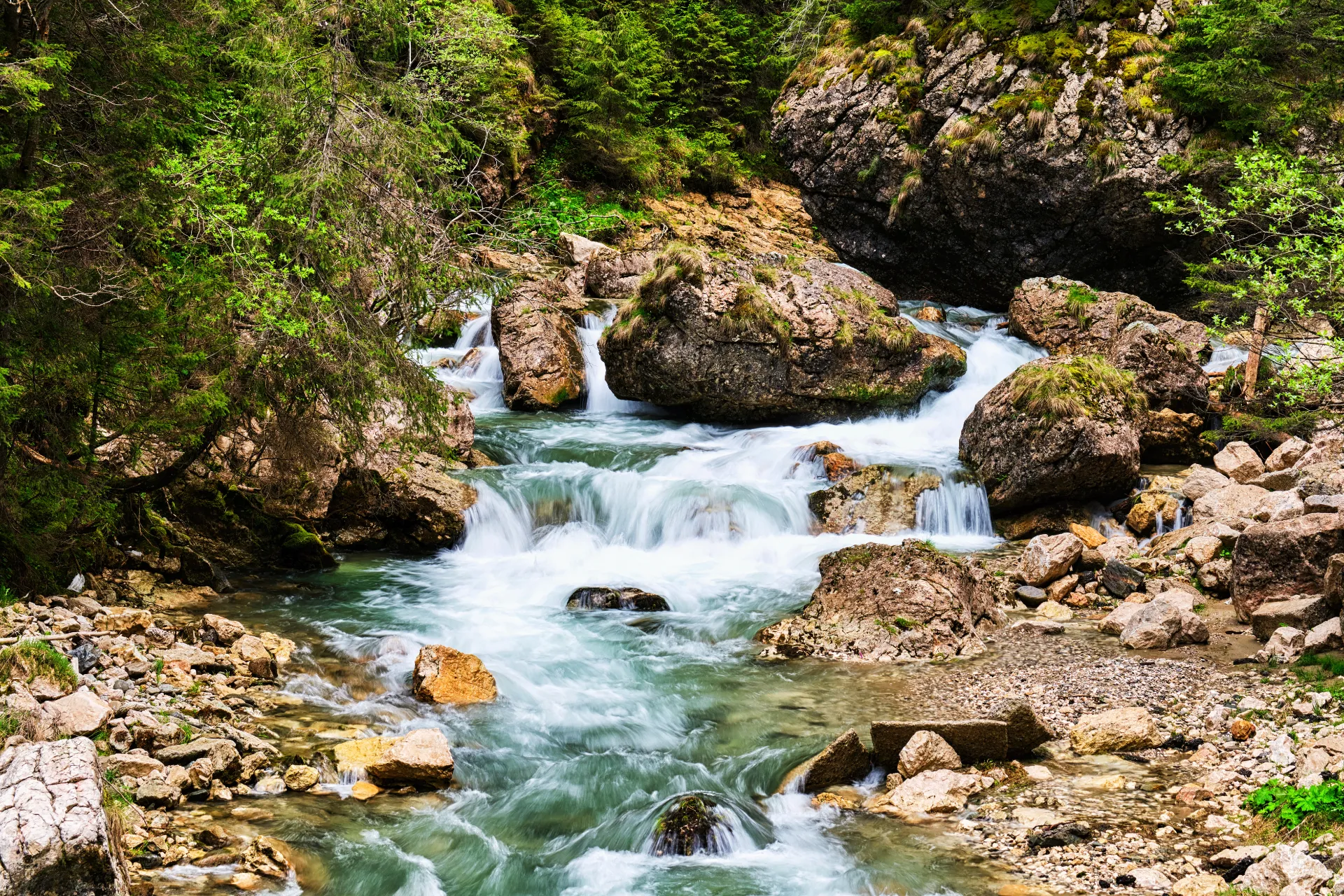
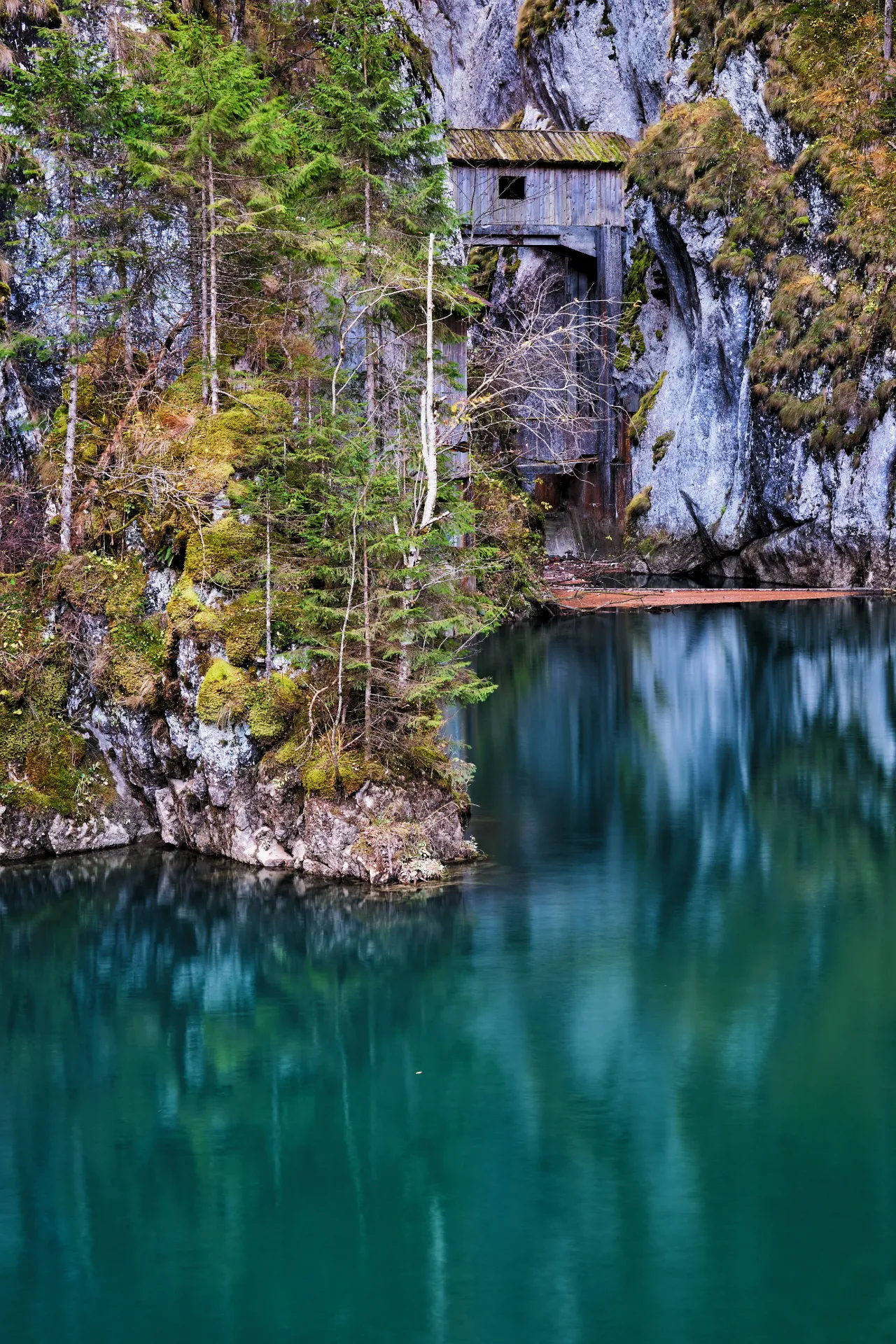
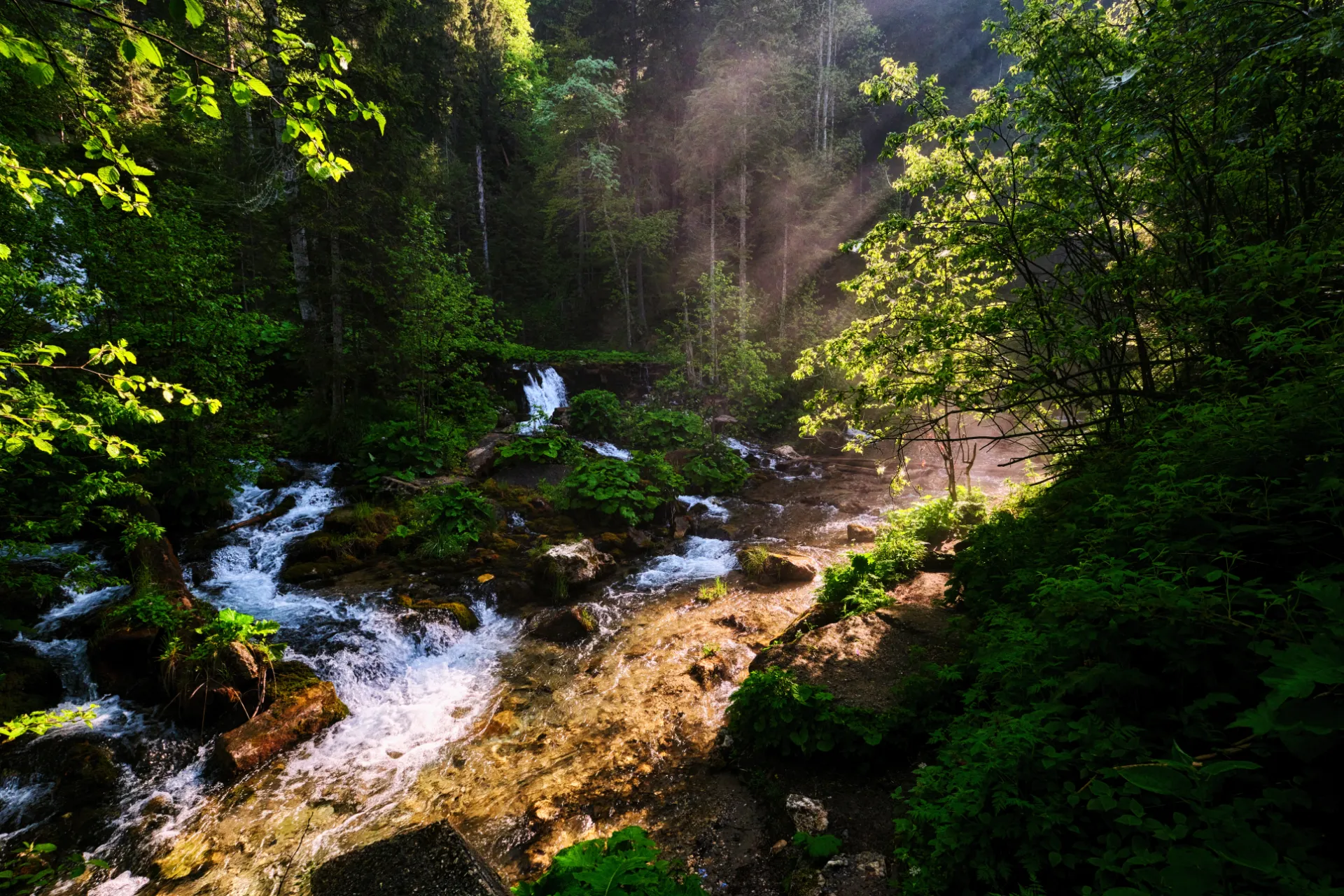
Part of the Zănoaga nature reserve, the spectacular gorges are approximately 1 kilometer long and offer us a unique experience. At the end of the route, we have the chance to admire the beautiful Scropoasa Lake, famous for its incredible turquoise shades. Before the lake, we can deviate a few hundred meters to the Şapte Izvoare Waterfall, an amazing place where water gushes from under a huge rock, flowing into the valley through dozens of swirling ribbons among the lush vegetation. Beyond its incredible beauty, Bucegi is a destination of contrasts and extremes, a place that seems to merge the essence of the Carpathians into a fairly small area in the heart of the country. If we look at it for the first time from the Prahova Valley, it certainly seems intimidating and perhaps even unwelcoming, but once we reach the gentle expanses of the heights, our perception can change completely. The massif seems to bring together two diametrically opposed worlds, one intended for adventurers in search of intense challenges and the other open to anyone who wants to meet the charm of the mountain.

Bucegi Mountains - Wild Mountains of Romania 20 - Bucegi Mountains Panorama

Sights of Bucegi Mountains

Bucegi Natural Park

It includes both the Bucegi Mountains with their entire surface, as well as small areas of the Leaota Mountains and other smaller massifs. It has an area of ​​approximately 320 square kilometers, of which approximately 60% are forests and 30% alpine meadows. It was created in 2003 to protect spectacular landscapes, with unique landforms, but also very rich biodiversity. The park includes a number of 14 natural reserves, the best known being the Prahova Scarp, the Bucșoiu-Mălăiești-Gaura Scarp, Zănoaga-Lucăcilă, Orzea-Zănoaga, Cheile Urșilor, Colții lui Barbeș, Tătarului Gorges and Turbăria Lăptici. In addition to these, there are numerous other spectacular natural attractions, including the Sphinx, the Old ladies, Omu Peak, Lespezi Plateau, Colții Morarului, Țigănești Towers, Cerbului Valley, Mecetul Turcesc, Hornurile Mălăieștilor, Țigănești Glacial Valley, Franz Josef Rocks, Urlătoarea Waterfall, Doamnei Waterfall,  Obârșia Ialomiței Waterfalls and many others.

Bucegi Biodiversity

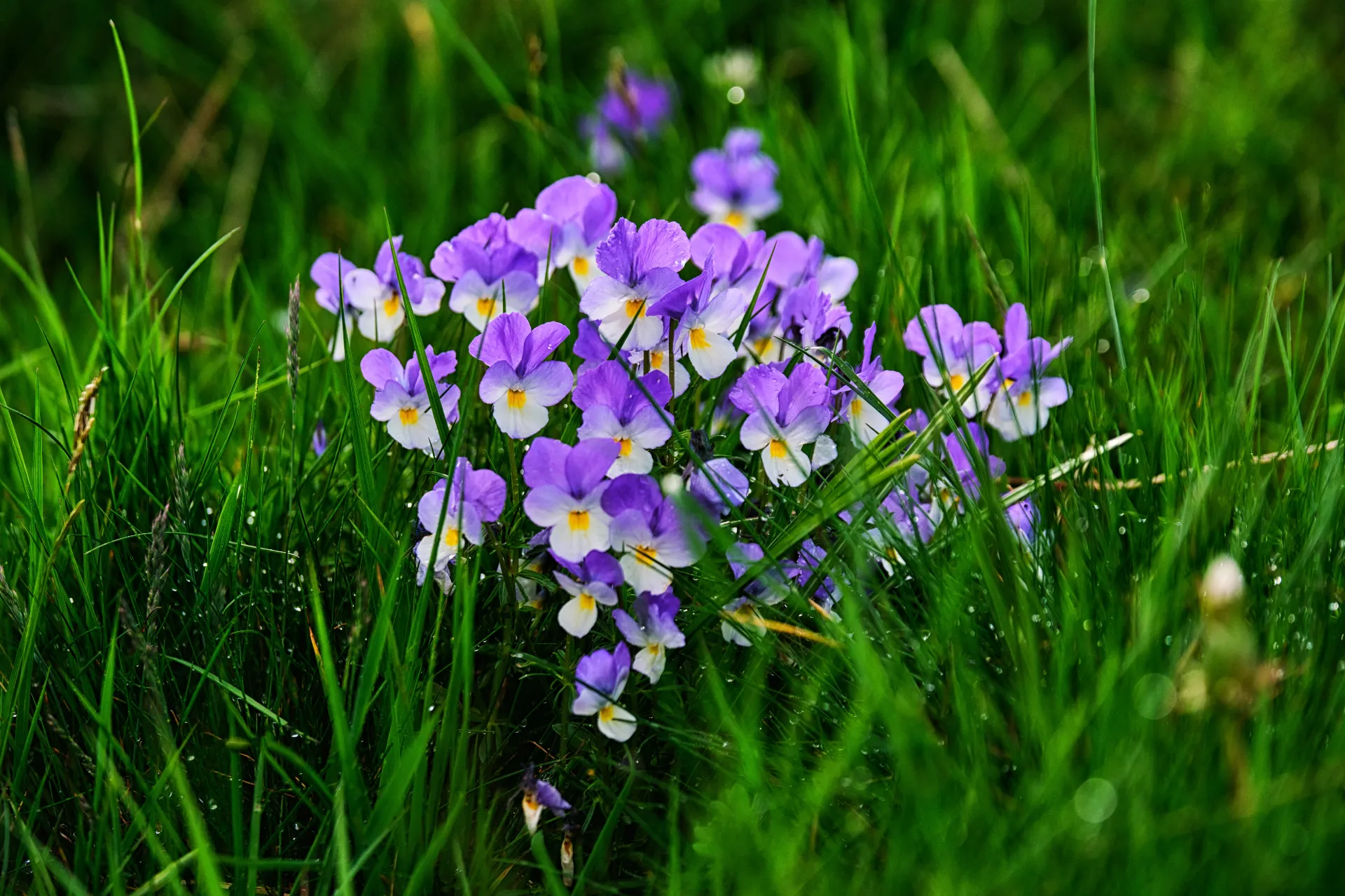
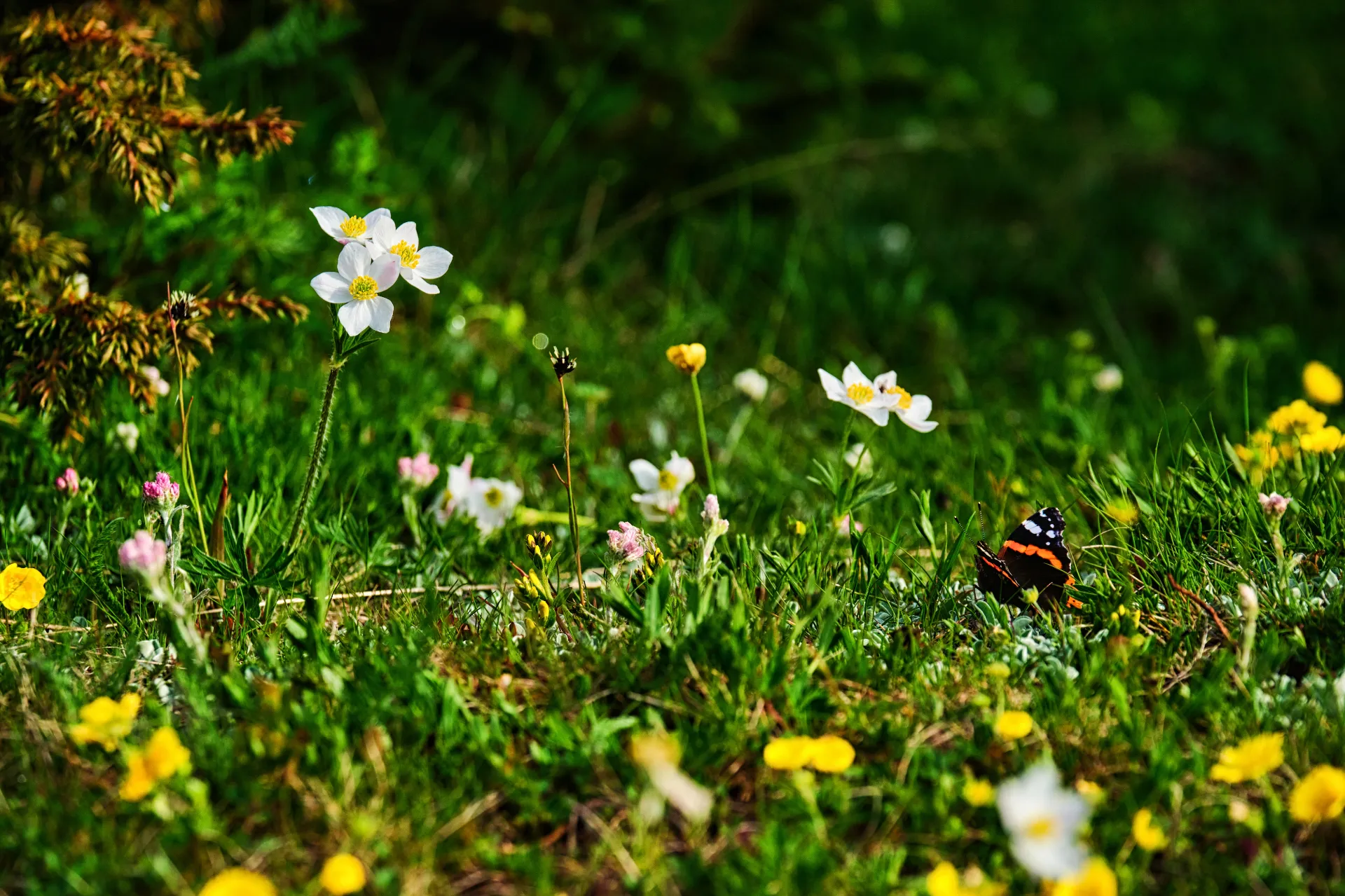
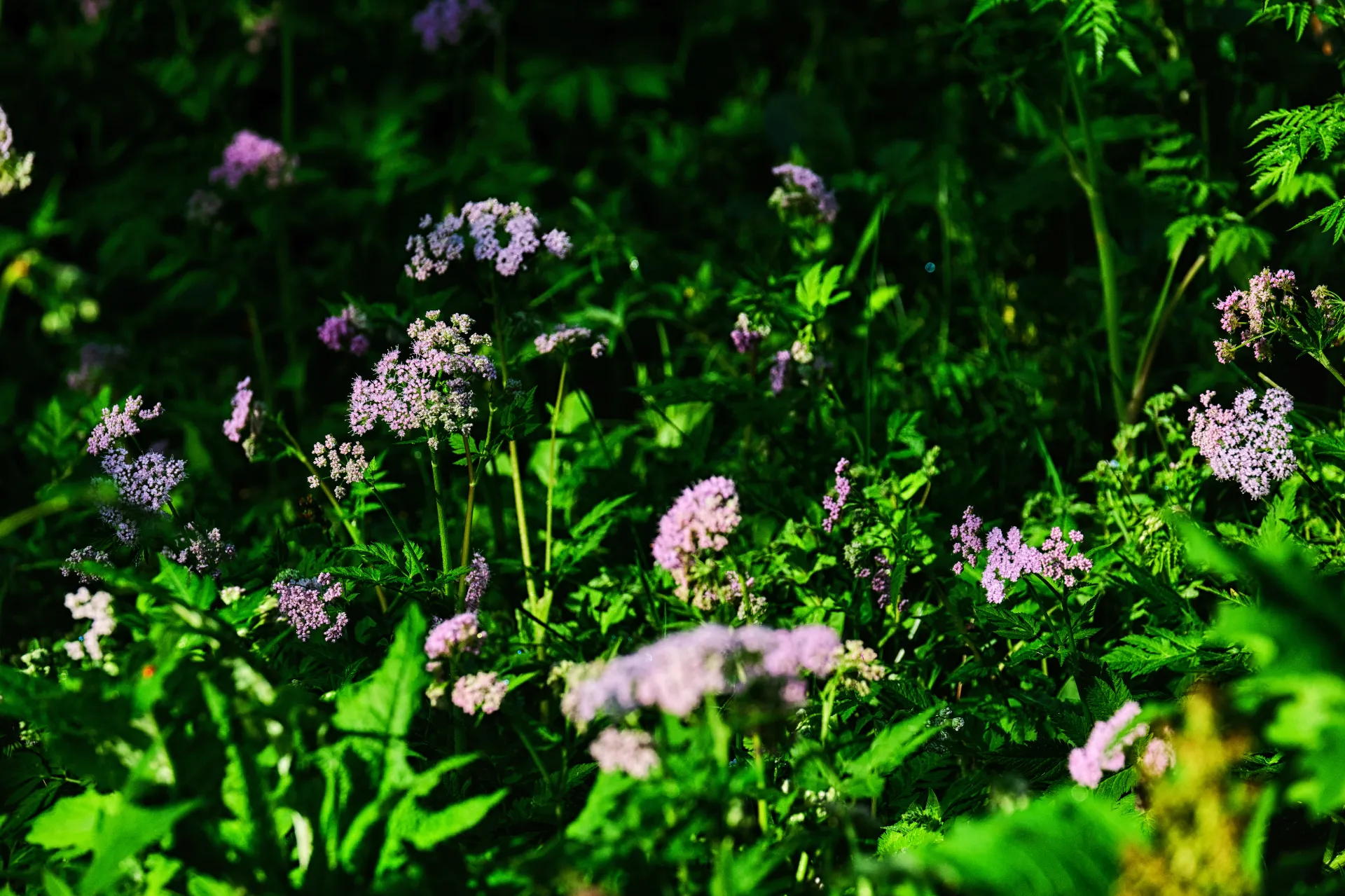
The Bucegi Mountains are included both in the natural park of the same name, but also within a Natura 2000 site, being recognized for their extremely rich and complex biodiversity. Over 3,000 plant species and approximately 3,500 animal species have been identified in this area, many of them rare or endemic. The natural park preserves several types of mountain, subalpine and alpine ecosystems, with deciduous, coniferous and mixed forests, meadows, scrub, rocks, rivers and lakes. Among the plants, in Bucegi there are approximately 60 endemic species and subspecies, as well as glacial relict plant species. Among the rare plant species, the cornflower, lady’s slipper, mountain peony, giant’s blood, white ivy, silverweed, angelica, gentian and others stand out.

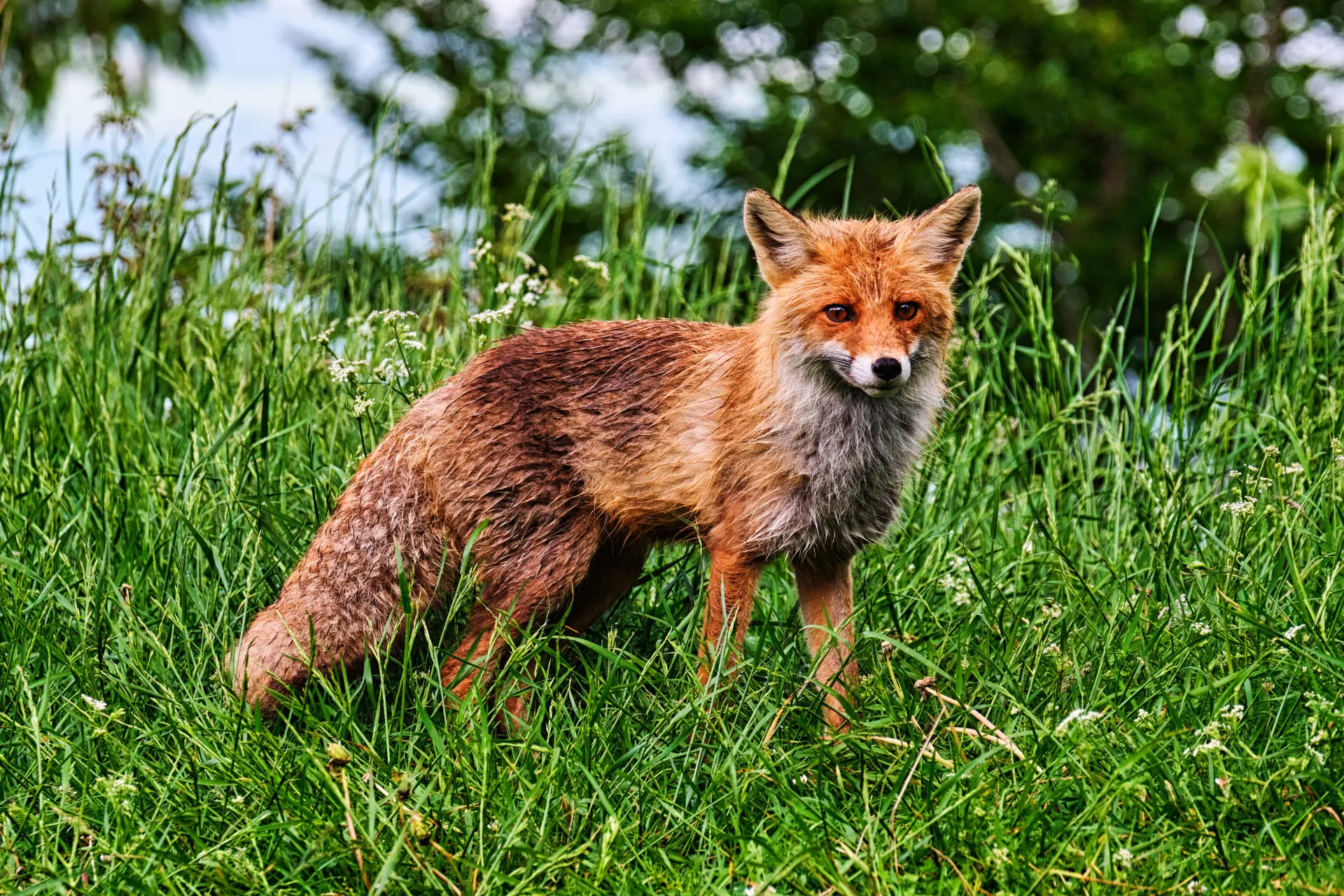
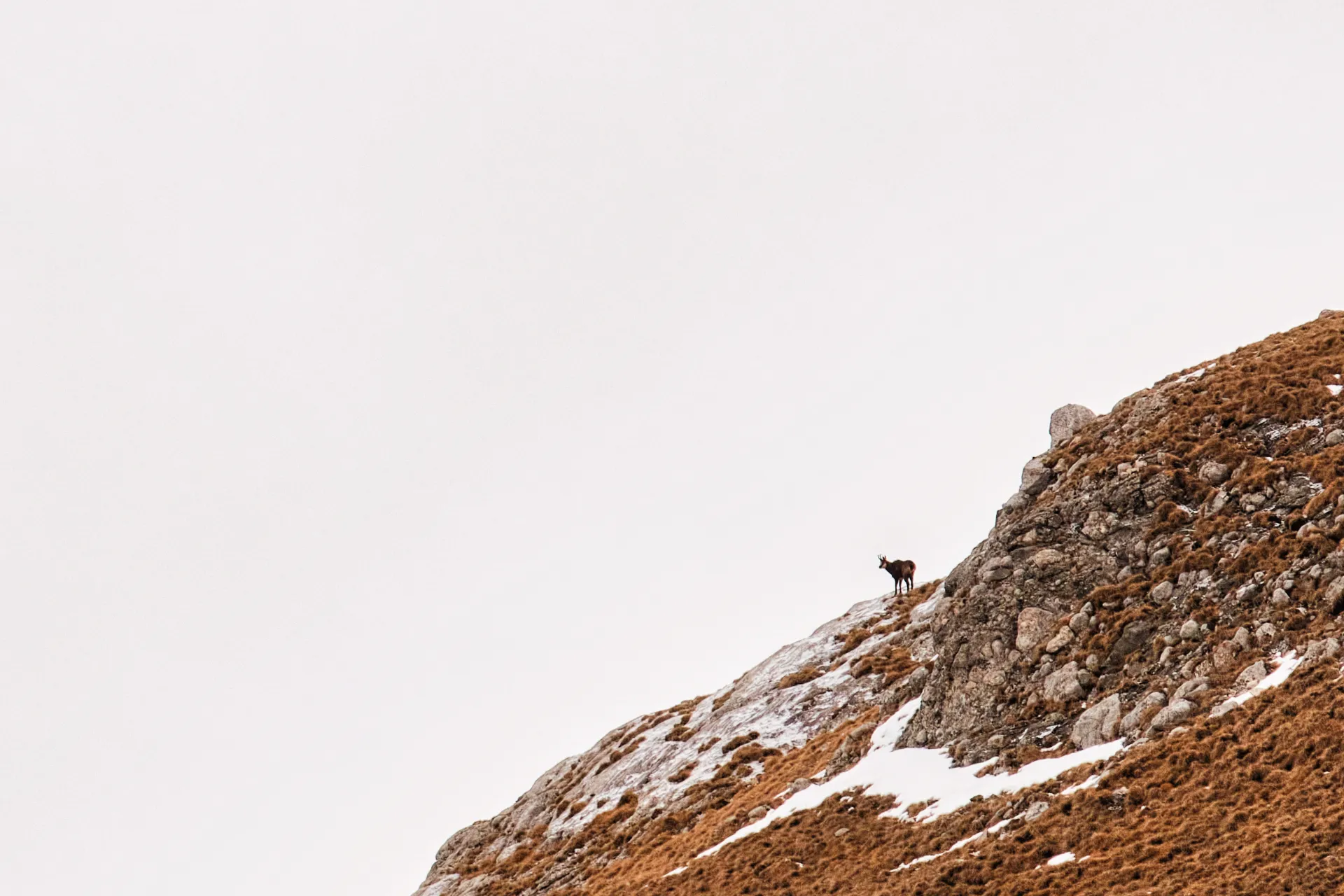
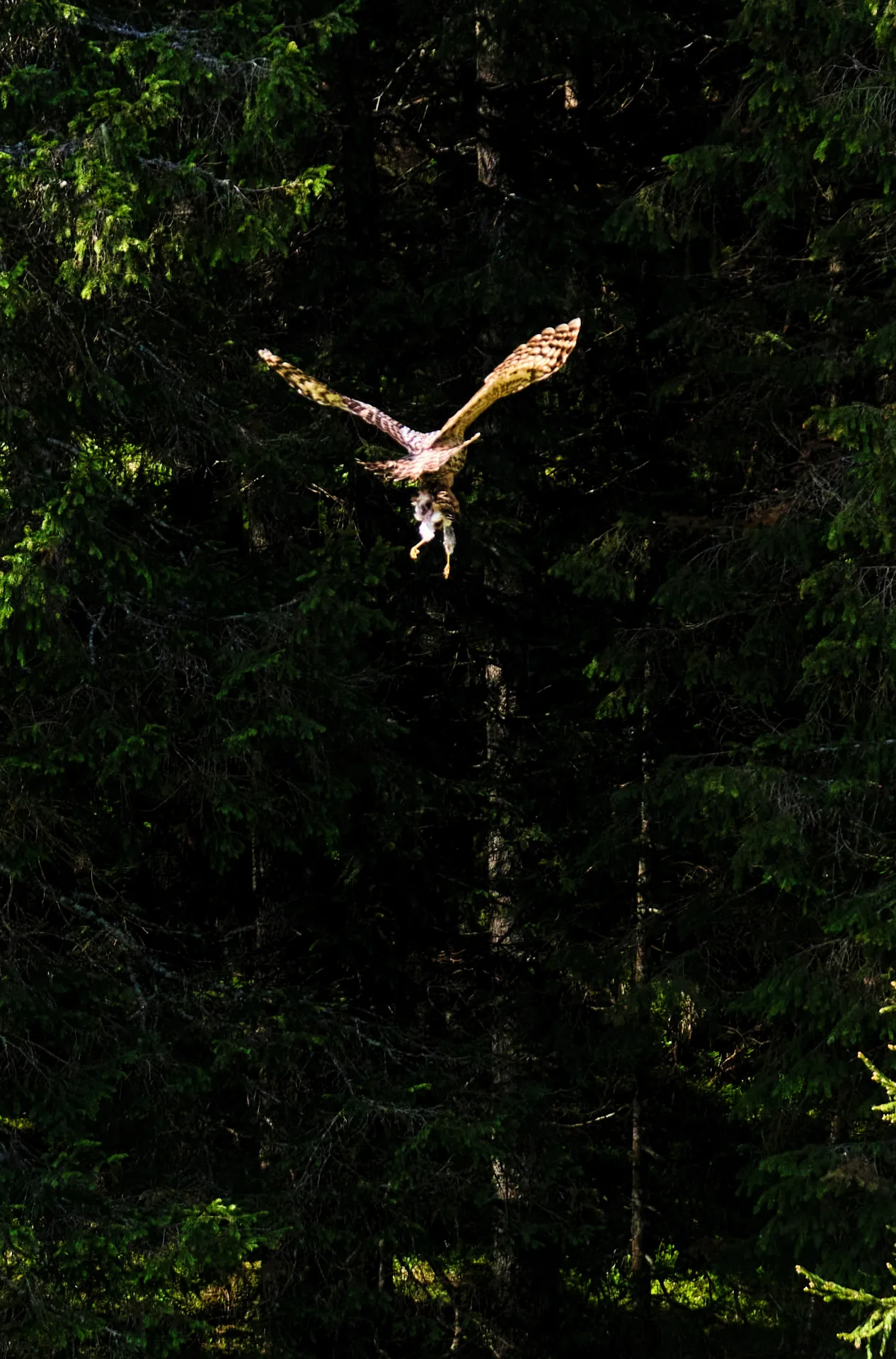
Particularly picturesque are the species of trees and shrubs that grow on the rocky slopes from the Prahova Valley, especially, including specimens of yew, larch, samara and secular firs. As for the fauna of the Bucegi Mountains, 129 species of birds can be found here, including the capercaillie, the tawny owl, the golden eagle, the common buzzard and others, and among the 45 species of mammals, the brown bear, the lynx, the wolf, the fox, the Carpathian deer, the roe deer, the chamois or the wild boar stand out.

Bucegi Mountains - Wild Mountains of Romania 74 - Biodiversity
Bucegi Mountains - Wild Mountains of Romania 76 - Biodiversity
Bucegi Mountains - Wild Mountains of Romania 79 - Biodiversity

The Prahova Abrupt

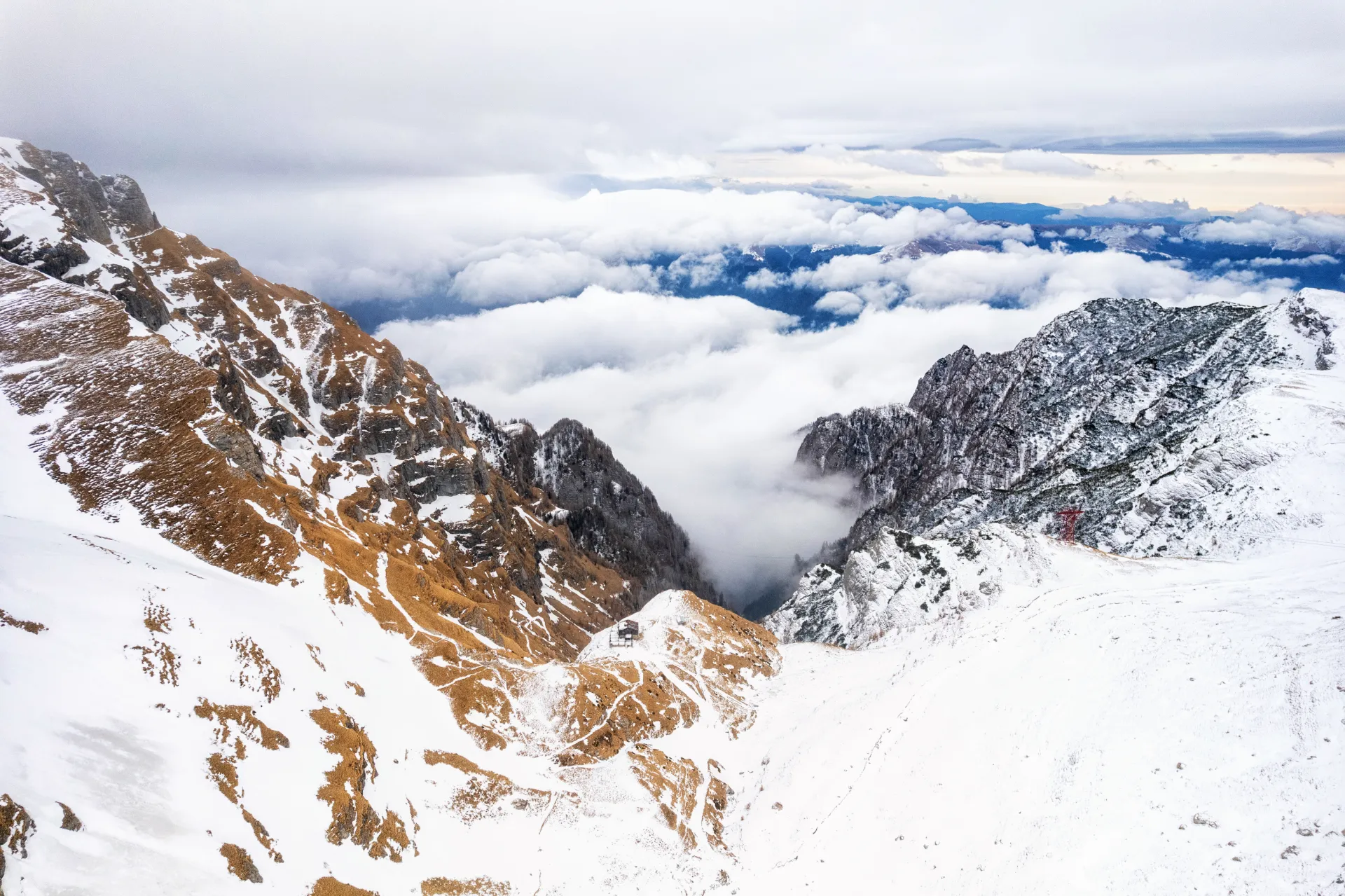
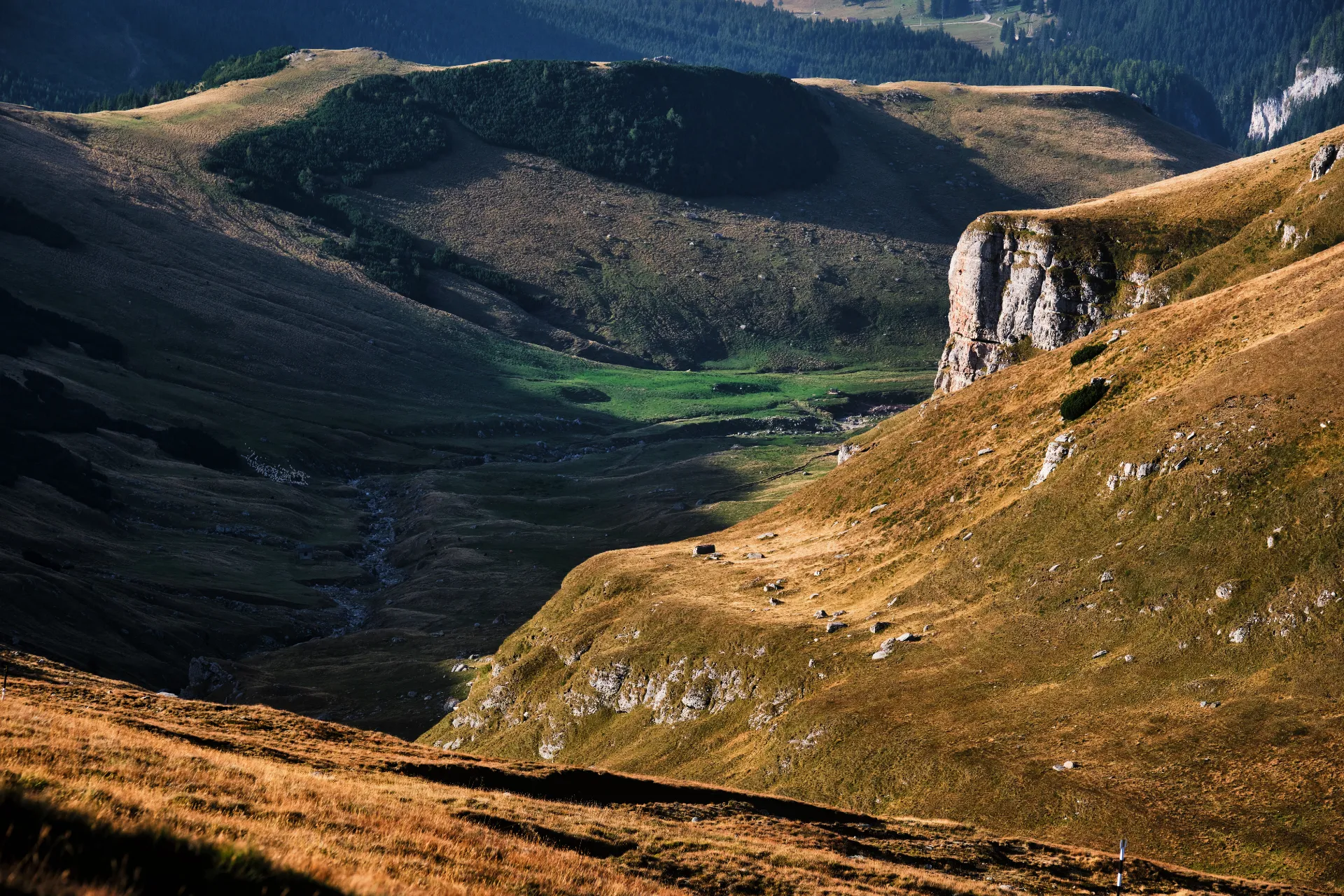
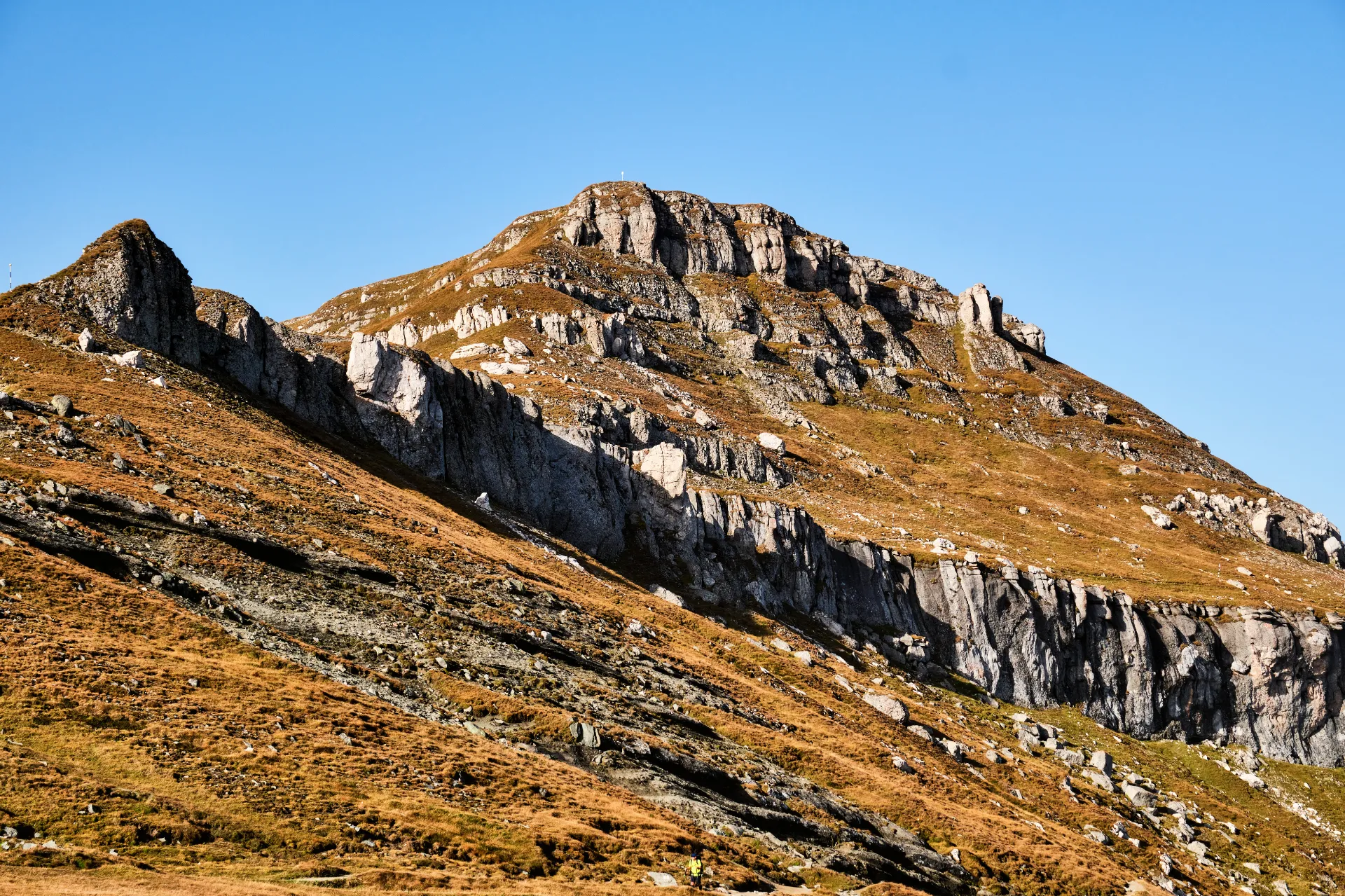
The most impressive and spectacular part of the Bucegi massif is the steep slope that dominates the Prahova Valley with differences in level between 500 and over 1000 meters. The area is between Sinaia (Vânturiș Valley) and the Morarului Valley, beyond Bușteni, and includes the imposing Piatra Arsă, Jepii Mari, Jepii Mici, Caraiman, Coștila and Moraru massifs. This area is included in a protected natural area with an area of ​​almost 3500 hectares and amazing landforms, steep cliffs and ridges, short and precipitous valleys, but also a specific biodiversity. There are several challenging trails that dare to climb the sometimes almost vertical slopes, offering numerous incredible views along them.

The Northern Abrupt

From the area of ​​Omu peak, the highest of the Bucegi, several secondary peaks start, extremely steep and spectacular. To the east, the Morarul Peak emerges, with a series of sharp rocks known as the Morarului Needles, to which there are climbing routes. To the north and northeast, the crenellated ridges of Bucșoiu Mountain rise, descending from the Bucșoiu peak (2492 meters). To the west, a longer ridge begins, culminating in the Scara Peak (2422 meters) and from which other secondary peaks start northward, separated by impressive valleys. Between Bucșoiu and Padina Crucii is the Mălăiești Valley, where you can descend through the Mălăiești Horns to the chalet located a little lower. To the west of the Padina Crucii ridge is the Țigănești Valley, with its specific glacial cirques, small lake, and many interesting rocks. South of this peak runs the impressive Gaura Valley, closed to the south by Doamnele Ridge, which also starts from the Omu peak.

Bucegi Mountains - Wild Mountains of Romania 25 - Bucegi Plateau
Bucegi Mountains - Wild Mountains of Romania 18 - Prahova Abrupt
Bucegi Mountains - Wild Mountains of Romania 41 - Prahova Abrupt Panorama

The Sphinx and the Old Ladies

Probably the most famous attractions of the Bucegi plateau and the symbol of these mountains, the geological formations with strange shapes have appeared over the millennia through the erosion of water and wind. Although there are many other interesting rocks on this plateau, the Bucegi Sphinx stands out for its anthropomorphic appearance, carved by nature into the 12-meter-high rock. There are numerous fascinating legends related to this impressive monument, some attributing supernatural characteristics to it or linking its appearance to extinct civilizations. A short distance away, the Bucegi Babele are a group of rocks resembling giant stone mushrooms, which are themselves surrounded by legends.

The Heroes Cross of Caraiman

Erected near the Caraiman peak (2384 meters), on the imposing massif of the same name, the Cross of the Heroes of the Nation was built between 1926 and 1928, in honor of the tens of thousands of Romanian soldiers who died in the battles of the Prahova Valley in World War I. The impressive monument is 48 meters high and currently also has night lighting, being visible from the valley below or from the peaks of the surrounding mountains.

Bucegi Mountains - Wild Mountains of Romania 81 - The Sphinx
Bucegi Mountains - Wild Mountains of Romania 80 - The Old Ladies
Bucegi Mountains - Wild Mountains of Romania 17 - Caraiman Heroes Cross

Ialomița Cave

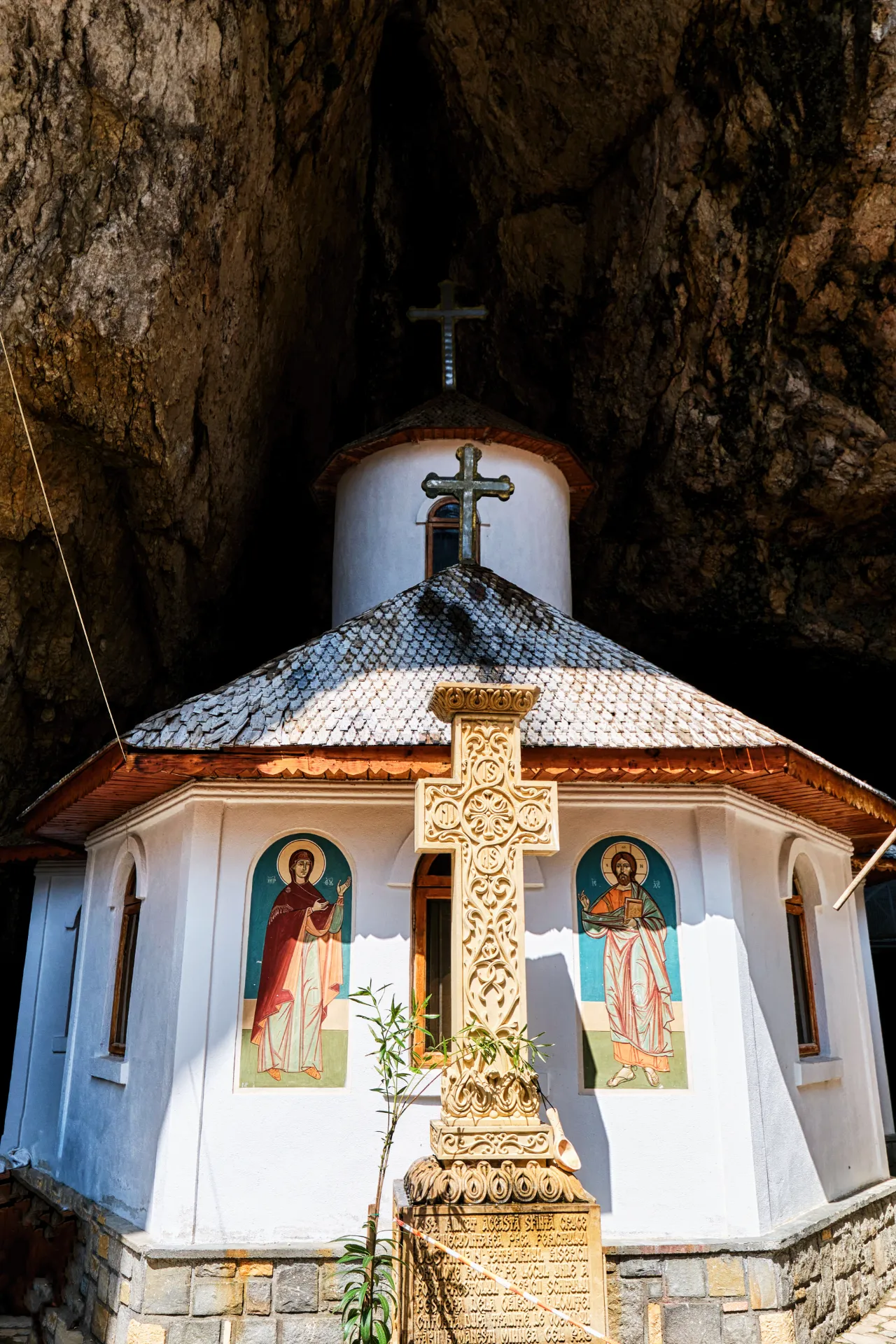
Located on the upper course of the Ialomița Valley, the cave developed in the southeastern part of the Bătrâna Mountain, at an altitude of approximately 1500 meters. Also known as the Ialomița Hermitage Cave or the Ialomicioarei Cave, it has a total of 800 meters of active and fossil galleries, of which only 400 meters represent the tourist route, equipped with walkways and metal stairs. Along it, visitors pass through several halls and galleries of different sizes, the largest being the Bear Hall, where numerous skeletons of cave bears, extinct more than 10,000 years ago, were discovered. The unique element of the cave is the small church of the old monastery of Ialomița, founded at the beginning of the 16th century by the voivode Mihnea cel Rău. Built right under the entrance portal of the cave, the current church of the Ialomița hermitage was built recently, having been destroyed several times over time.

Hours: Monday-Sunday – 9:00-17:30 (summer) / 9:00-16:00 (winter) | Tickets: 30 lei/adult

Lăptici Bog Reserve

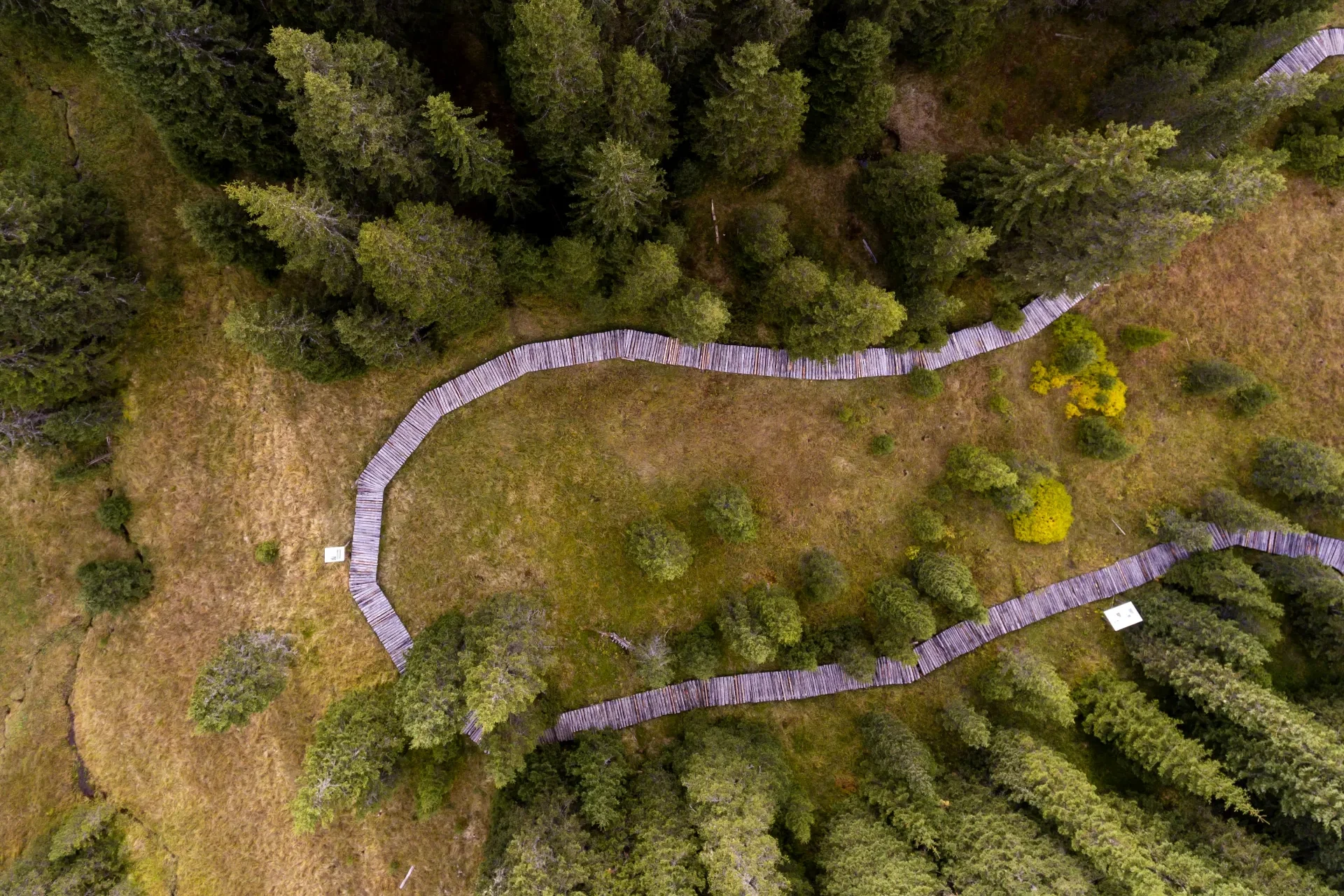
Located in the Ialomița Valley, at an altitude of approximately 1450 meters and covering an area of ​​only 15 hectares, the Lăptici Bog is an oligotrophic swamp protected as a natural area of ​​national interest. A wide variety of plant species specific to peat bogs are preserved here, including spruce, pine, birch, dwarf willow, blueberry, cranberry, juniper, sedge, red clover, piper and others. To visit this special attraction, a short circuit on a wooden bridge has been arranged that allows the admiration of the interesting vegetation and fauna without affecting this fragile space.

Bucegi Mountains - Wild Mountains of Romania 71 - Ialomița Cave
Bucegi Mountains - Wild Mountains of Romania 42 - Laptici Bog Reserve

Bolboci Lake & Tătaru Gorges

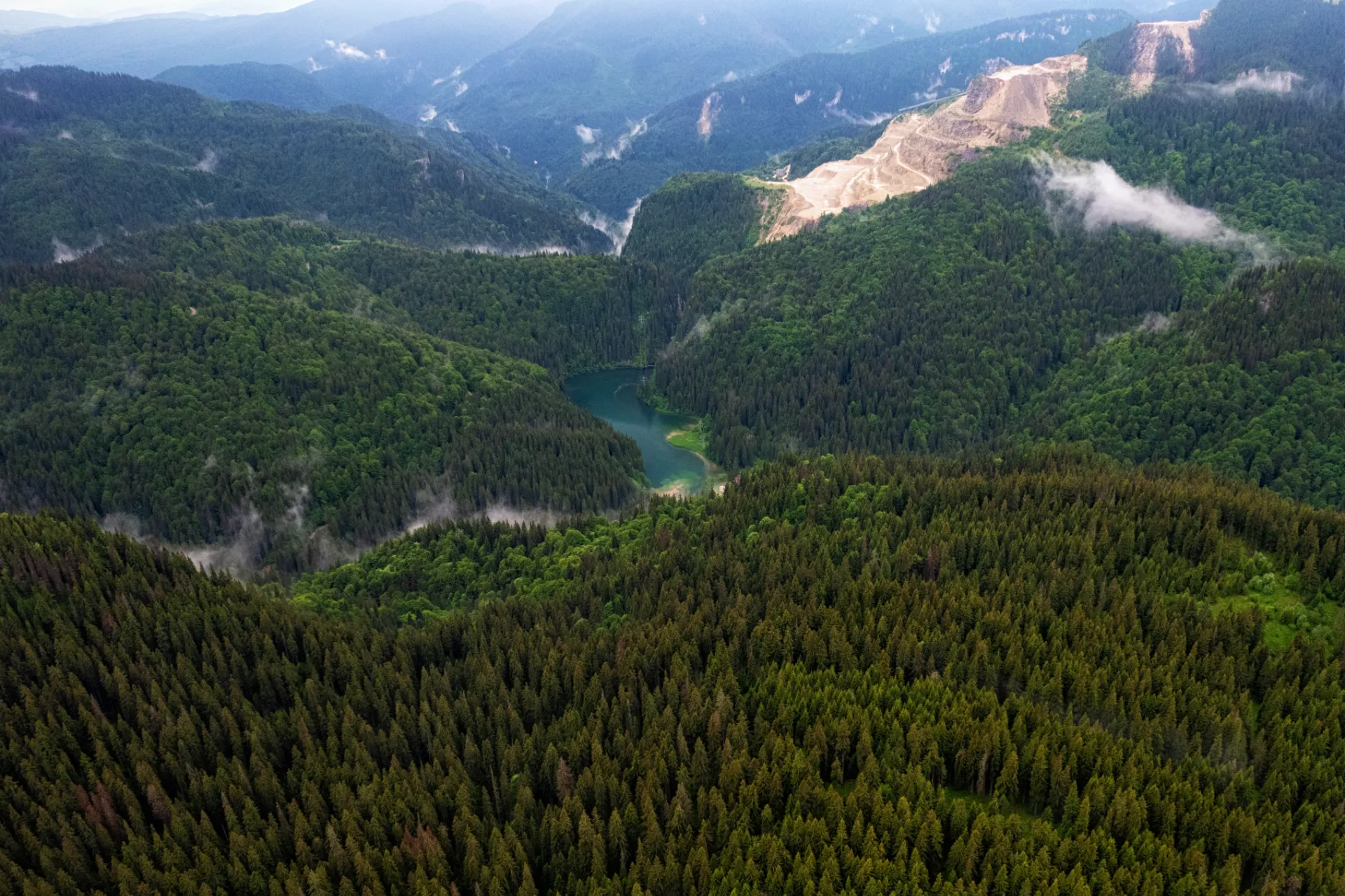
Set in a delightful natural setting, surrounded by the forested peaks of the Bucegi Mountains that descend towards the Ialomița Valley, Bolboci Lake is also known as the “Sea of ​​Bucegi”. The reservoir is approximately 7 kilometers long and has a maximum depth of 30 meters, and in its northern part is the Tatar Gorges, a mixed nature reserve that stretches over 300 meters long and includes steep slopes, caves, waterfalls, and specific vegetation.

Zănoaga Gorges & Scropoasa Lake

One of the most impressive places in Bucegi and part of a nature reserve, the Zănoaga Gorges are approximately 1 kilometer long, spread over two sectors. They present a spectacular karst relief, with vertical walls over 200 meters high, solitary rocks, small waterfalls, but also abundant specific vegetation. A tourist route passes through the gorge, starting at the Zănoaga Camping to the south, at the end of which is the charming Scropoasa Lake, known for its splendid color. Near the lake, travelers can also admire the 7 Izvoare Waterfall, and on its southern side is the Orzei Gorges, but it cannot be entered from this direction.

Bucegi Mountains - Wild Mountains of Romania 04 - Ialomița Valley Bolboci Lake
Bucegi Mountains - Wild Mountains of Romania 58 - Scropoasa Lake
Bucegi Mountains - Wild Mountains of Romania 11 - Scopoasa Lake

Hiking Paths in Bucegi Mountains

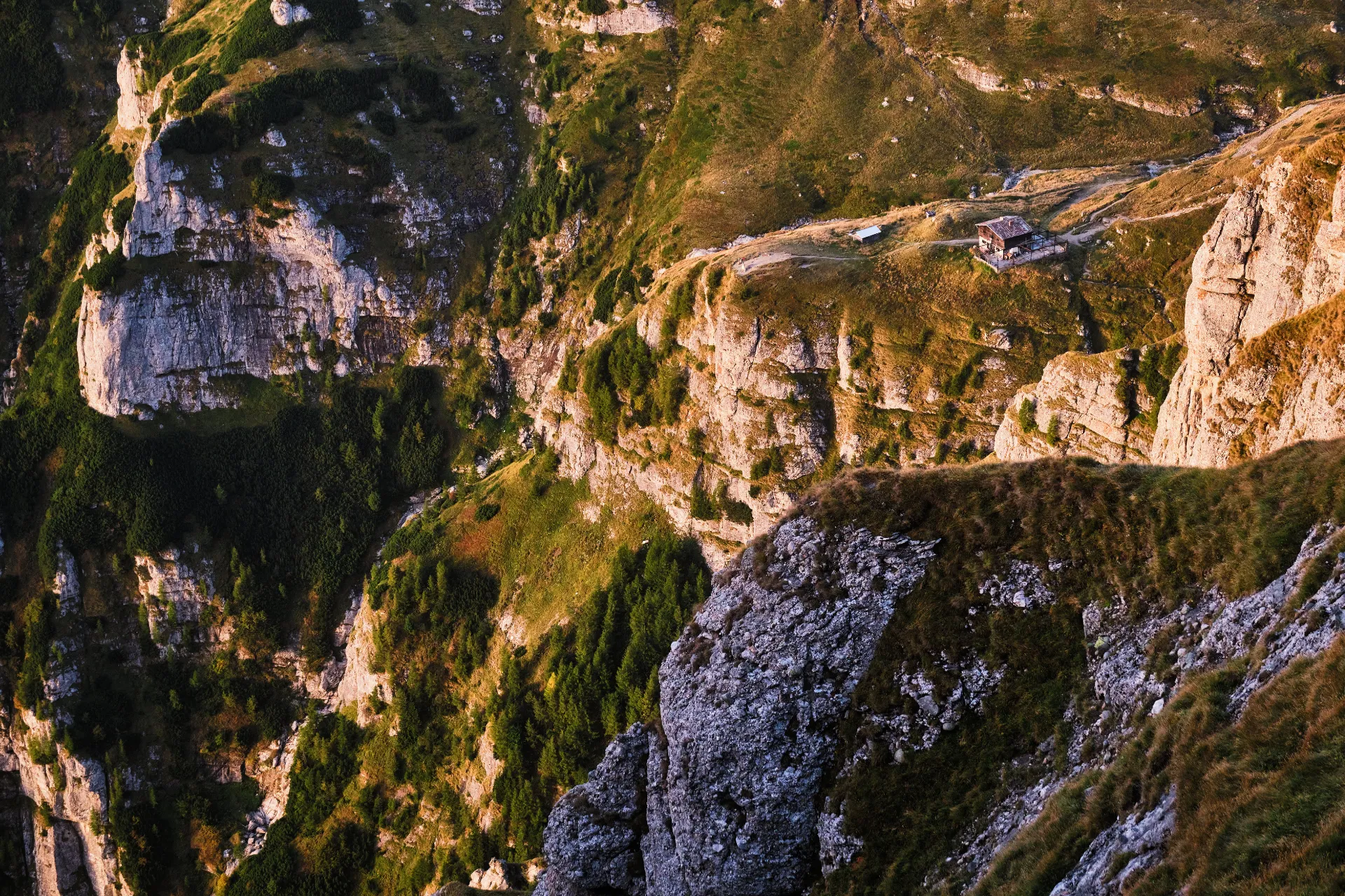
There are many (over 50) hiking trails in the Bucegi Mountains, with different lengths and difficulty levels, most of which are well marked and maintained. Some of these climb from the surrounding valleys to the high peaks, while others connect the most important attractions located on the ridges and on the Bucegi plateau. Starting from the resorts in the Prahova Valley, the most interesting, but also more difficult trails are those starting from Bușteni, namely Jepii Mari (blue triangle, +1100 meters) to the Piatra Arsă Chalet and Jepii Mici (Jepilor Valley) to the Caraiman Chalet (blue cross, +1000 meters), from where you can continue to the Babele Chalet (easy trail) or to the Heroes Cross on the Brâna Mare a Caraimanului (difficult and exposed trail). The Cross on Caraiman can also be reached on an easier route from the Babele Hut, and then you can continue on the ridge to the Şugarilor Saddle (red cross) and further to the Omu Peak (yellow band).

Other routes start from Bușteni to the Coștilei Glade, and then climb to the Omu Peak on the Cerbul Valley (yellow band). Several routes that start from Azuga or Predeal on the valleys of some streams meet in the Pichetu Roșu Glade, near the Diham Peak, then climb to the Mălăiești Saddle and the Mălăiești Chalet (red triangle), one of the most famous in Bucegi. Others branch off from this route that climb further to the Omu Peak through the Bucșoiu Peak (red band) or through the Mălăiești Horns (blue band). In the western part of the natural park, several routes depart from Bran that climb to the Scara Peak and the Omu, either by Mount Țigănești (red band) or through the Gaura valley (red cross). From the villages of Șimon, Moieciu de Sus or Fundata, several other trails start towards the western peak of the Bucegi, climbing to the peak. Bătrâna or the Strunga refuge and further descending to the Ialomițea valley. There are other trails along the valley, among the most famous being the one through the Zănoagei Gorges or those that climb to the Omu Peak (blue band) or to the Babele Chalet (blue cross). In addition to these more famous hiking trails, there are many other connecting ones.

Bucegi Mountains - Wild Mountains of Romania 16 - Caraiman Hut
Bucegi Mountains - Wild Mountains of Romania 08 - Prahova Abrupt
Bucegi Mountains - Wild Mountains of Romania 59 - Winter in Prahova Scarp
Bucegi Mountains - Wild Mountains of Romania 85 - Wild Chamois in Bucegi

Bușteni - Babele Cable Car

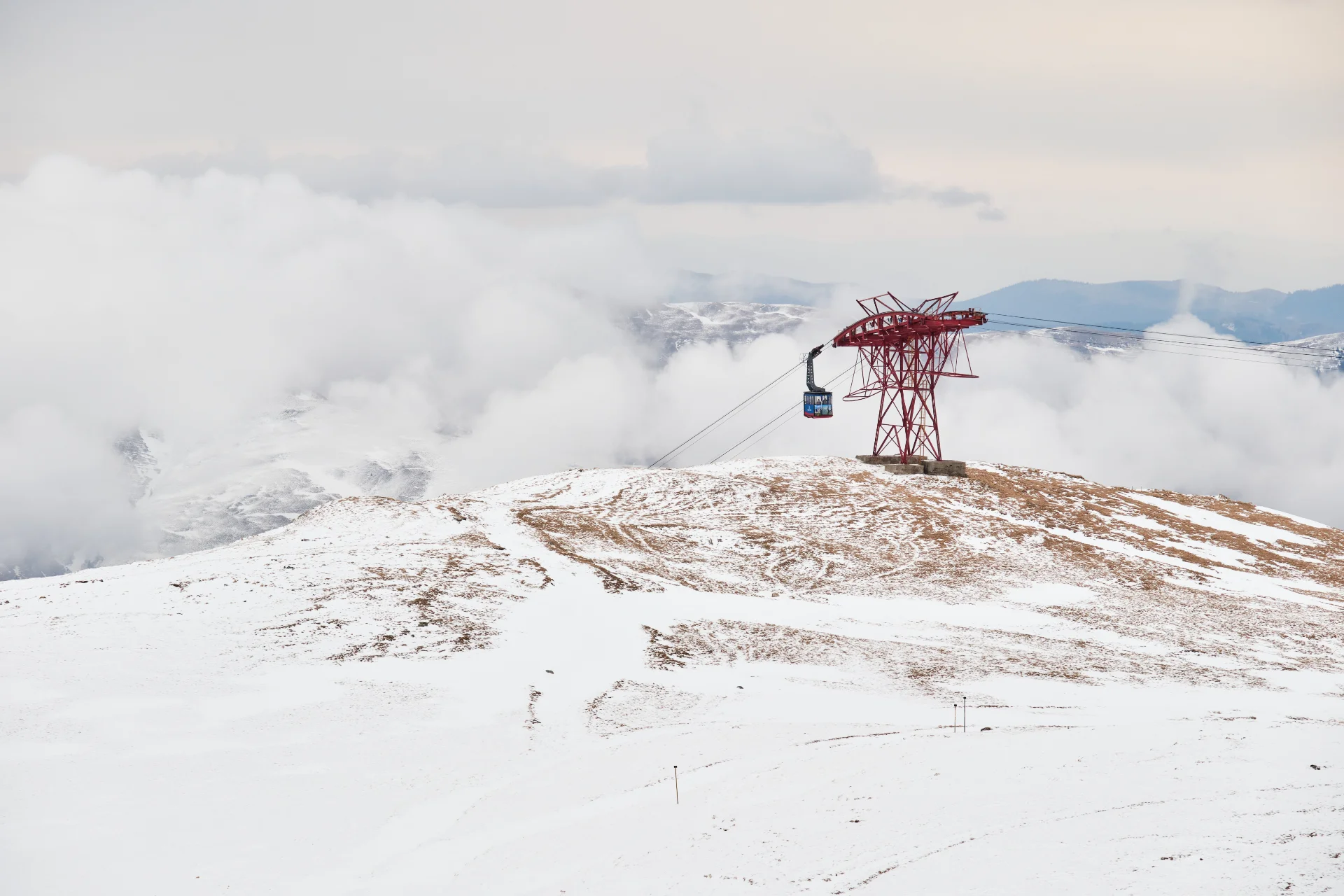
The longest cable car route in Europe is located in Bușteni, connecting the city to the Bucegi plateau, over a length of 4,350 meters and an altitude difference of over 1,200 meters. The journey over the dizzying precipices of the Jepilor Valley takes about 12 minutes, being the shortest way to reach the heights of the Bucegi mountains, from the Babele chalet several hiking trails depart, as well as another cable car section that descends to the Ialomița valley.

Hours: Monday-Sunday – 8:30-15 (closed Tuesday) | Tickets: 200 lei/adult (round trip)

Rock CLimbing in Bucegi Mountains

The famous rocky cliffs of Bucegi have led to the creation of numerous mountain climbing routes over time, being the birthplace of this activity in Romania and one of the most famous destinations for this type of tourism. There are over 250 climbing routes here, most of which are found in the massifs of Coștila (120), Jepii Mici, Morarul and Bucșoiu.

Mountain Cabins and Huts

In the Bucegi Mountains area there are several cabins that offer accommodation to hikers, some of them operating all year round. The best known are Omu Cabin (the highest altitude in Romania), Babele Cabin, Mălăiești Cabin, Diham Cabin, Caraiman Cabin, Furnica Cabin, Piatra Arsă Cabin, Vârful cu Dor Cabin or Zănoaga Complex. In addition to these, there are also a number of tourist refuges, usually located on longer routes or in more isolated places. In the Bucegi Mountains, camping with a tent is not recommended due to the fairly large number of bears, but the most suitable places if necessary are around the tourist cabins.

Bucegi Mountains - Wild Mountains of Romania 14 - Prahova Abrupt Scarp
Busteni Babele cable car in Romania
Bucegi Mountains - Wild Mountains of Romania 47 - Ialomi'ța Valley

Sinaia Ski Domain

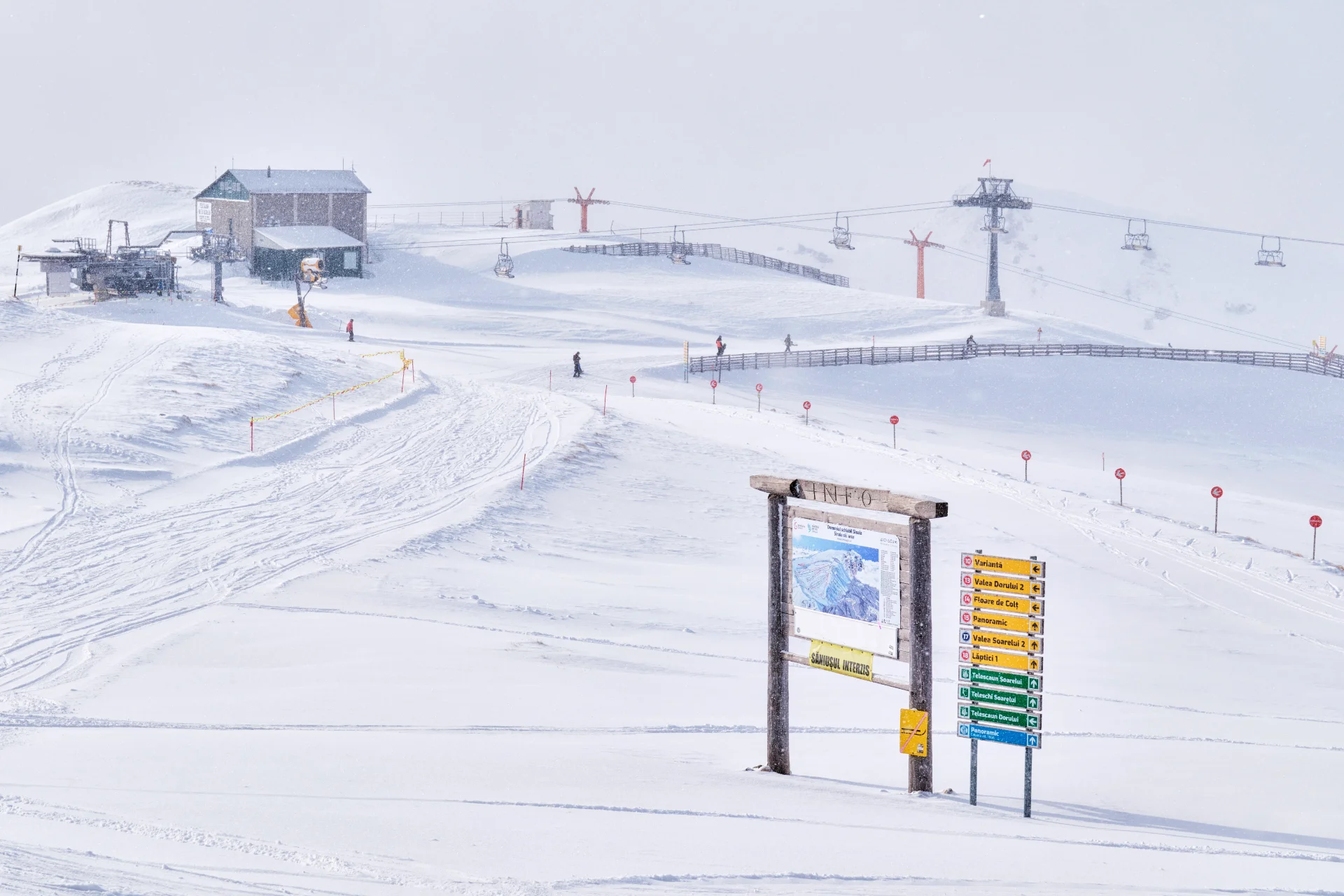
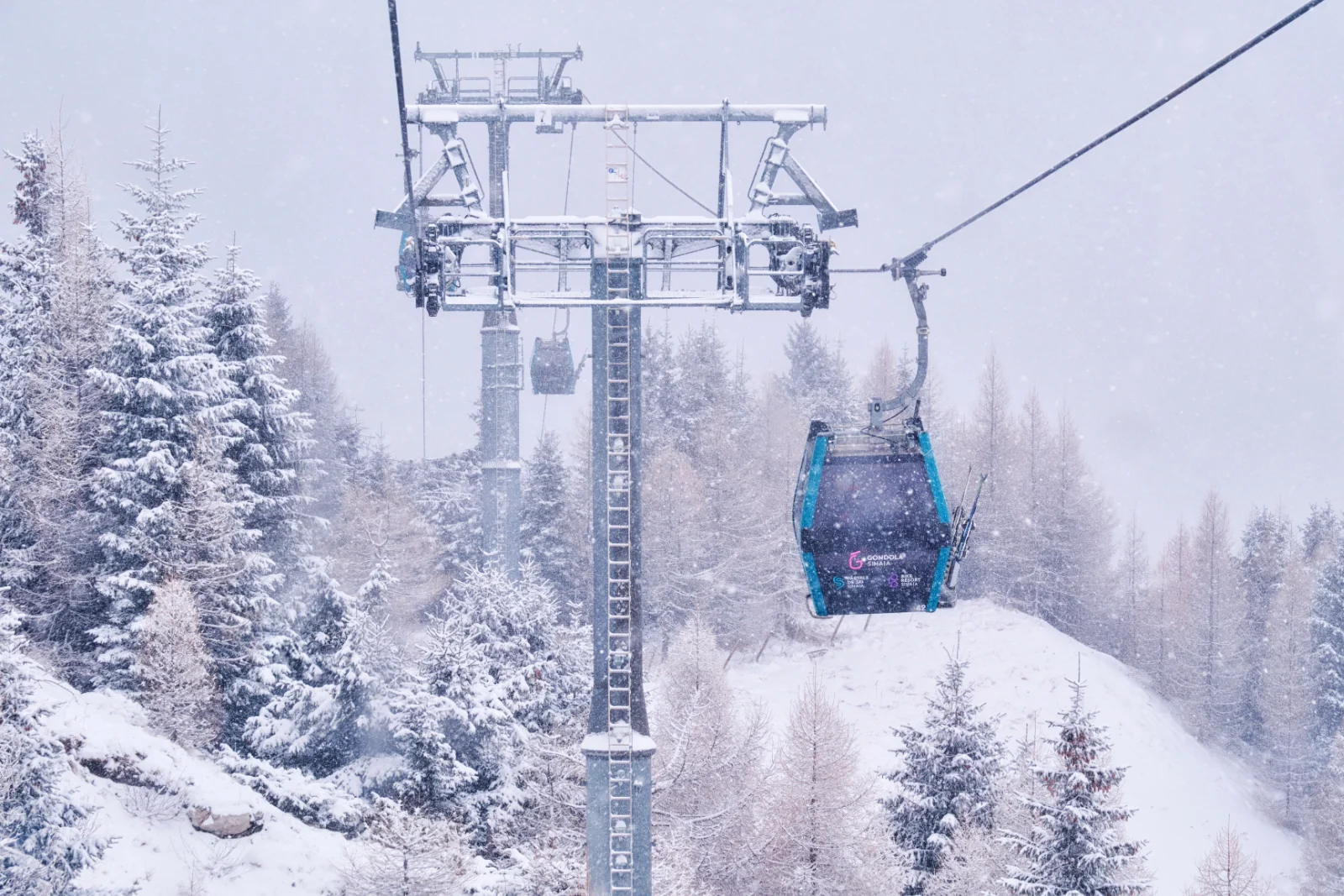
The town of Sinaia also boasts the largest ski area in Romania, with a total of approximately 25 approved ski slopes and variants, totaling over 16 kilometers. The slopes range in length from 500 to 3,000 meters, most of them being of medium difficulty, and the best known are Drumul de Vară, Valea Dorului, Valea Soarelui, Furnica, Lăptici, Floare de Colț, and Călugărul. All these slopes are served by cable transport facilities, most of which depart from near the Furnica peak and descend on both sides of the mountain, both towards the Prahova Valley and towards the Bucegi Plateau, where there are several mountain huts. To reach the ski area at an altitude of 2,000 meters, tourists have the option of taking the cable car that departs from the city center and the gondola that departs from 1,000 meters. Both modern facilities have intermediate stations at 1,400 meters.

Sinaia Ski Domain - Sinaia Ski Resort in Romania 01
Sinaia Ski Domain - Sinaia Ski Resort in Romania 03

Accommodation In Bucegi Mountains

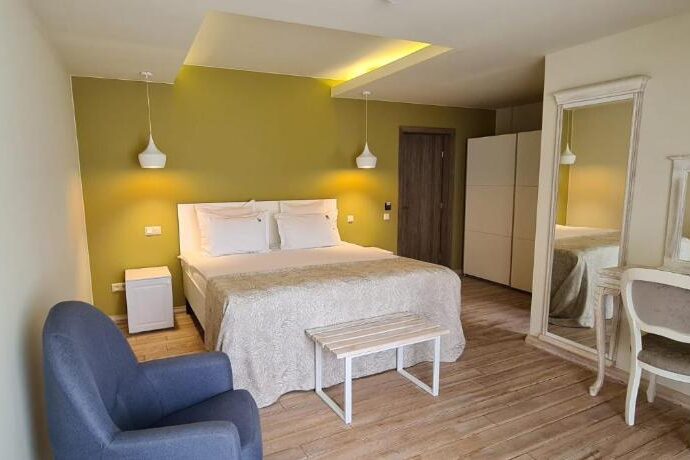
There are plenty of accommodation options in and around the Bucegi Mountains, considered one of the epicenters of Romanian tourism. Especially along the eastern Prahova Valley, there are hundreds of amazing hotels guesthouses and villas to suit every taste and budget. Travelers will also find a few hotels and lodges right in the heart of the mountains, along the lush Ialomița Valley, as well as on the western side of Bucegi!

Accommodation Options in Bucegi Mountains and Natural Park - Belmont Hotel

Rating 9.5 from 1451 Reviews

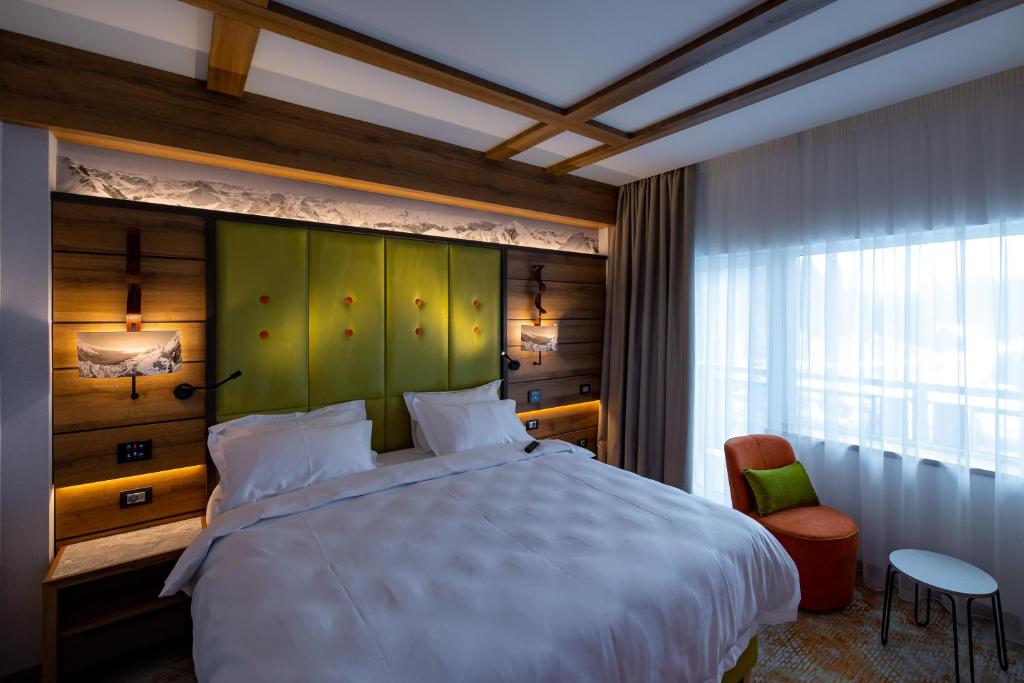
One of the most prestigious hotels inside the Bucegi Natural Park, it is located in the heart of the mountains, offering gorgeous and welcoming rooms, an international restaurant and spa!

Accommodation Options in Bucegi Mountains and Natural Park - Lin Guesthouse

8.9 Rating from 1061 Reviews!

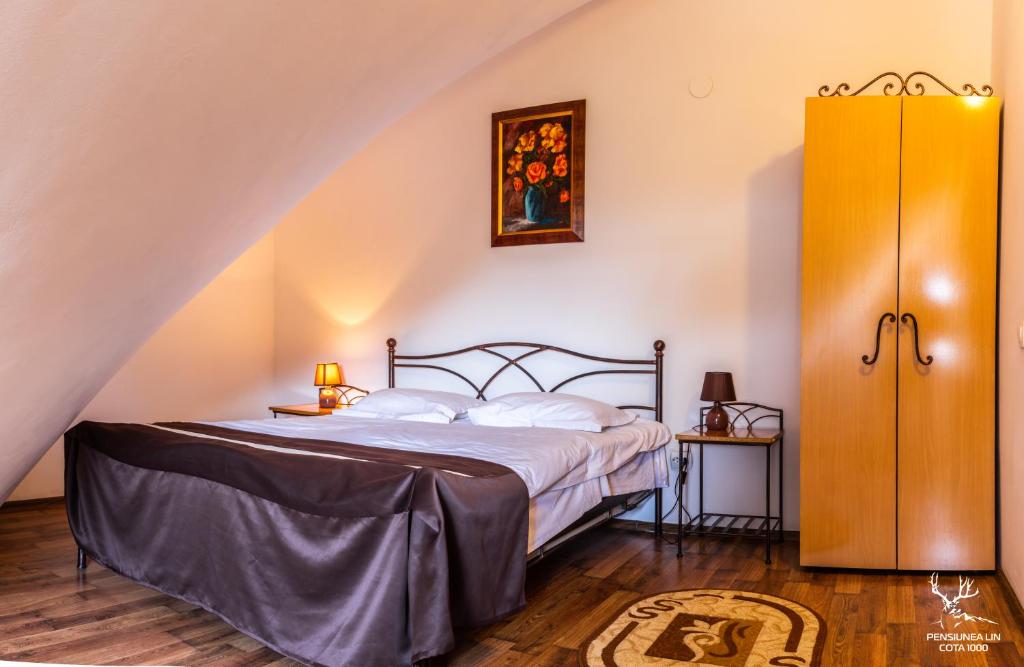
Located on the road that connects Sinaia to the summit of the Bucegi mountains, at an altitude of 1000, this popular guesthouse offers accommodation in spacious rooms, a restaurant and activities!

Accommodation Options in Bucegi Mountains and Natural Park - Iustin House

Rating 9.4 from 169 Reviews

Located on the Ialomița valley, in the middle of the nature park, this unit offers spacious and tastefully decorated rooms, also having a restaurant, bar, terrace and garden!

PHOTO GALLERY

Leave a Comment

Your email address will not be published. Required fields are marked *

Scroll to Top