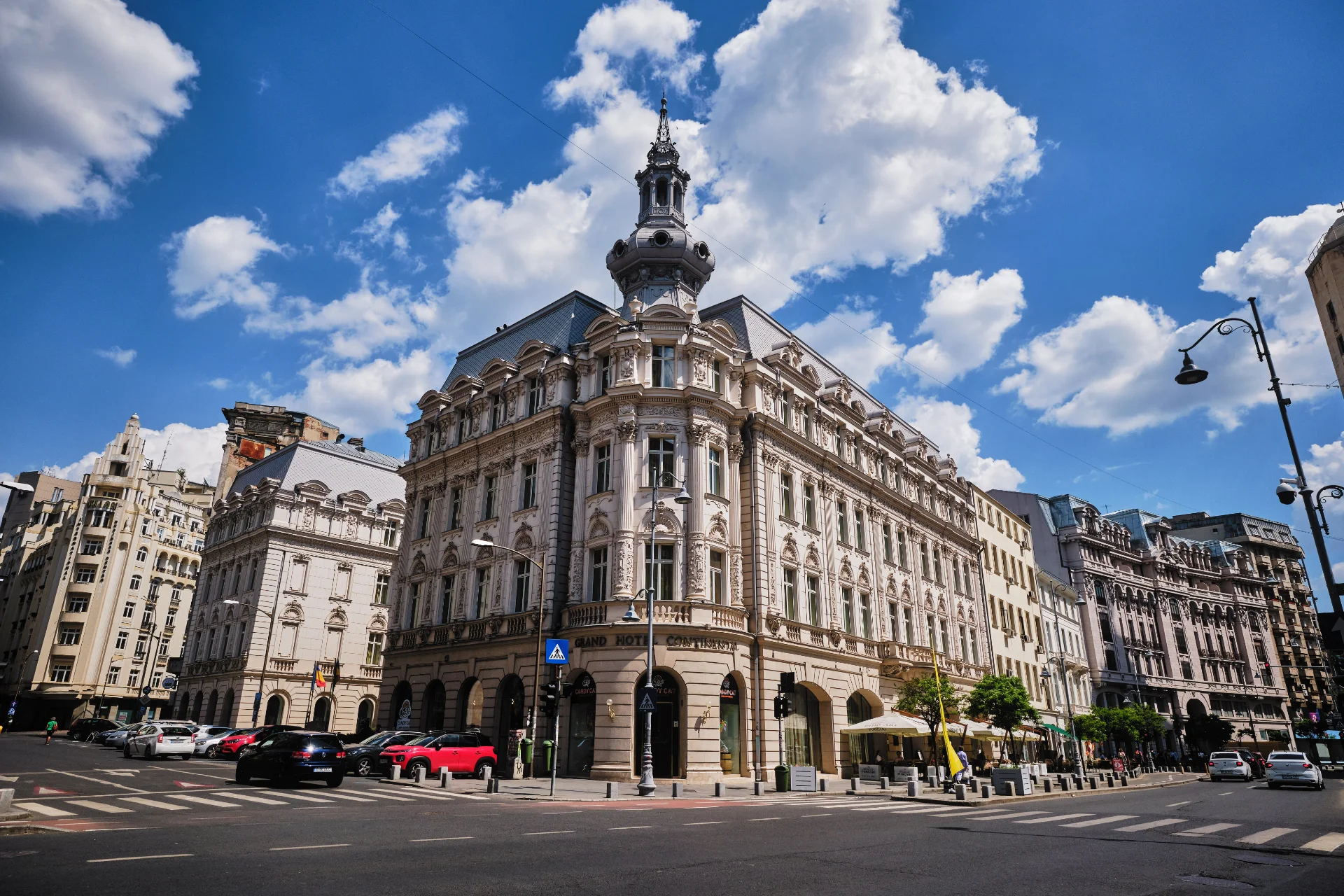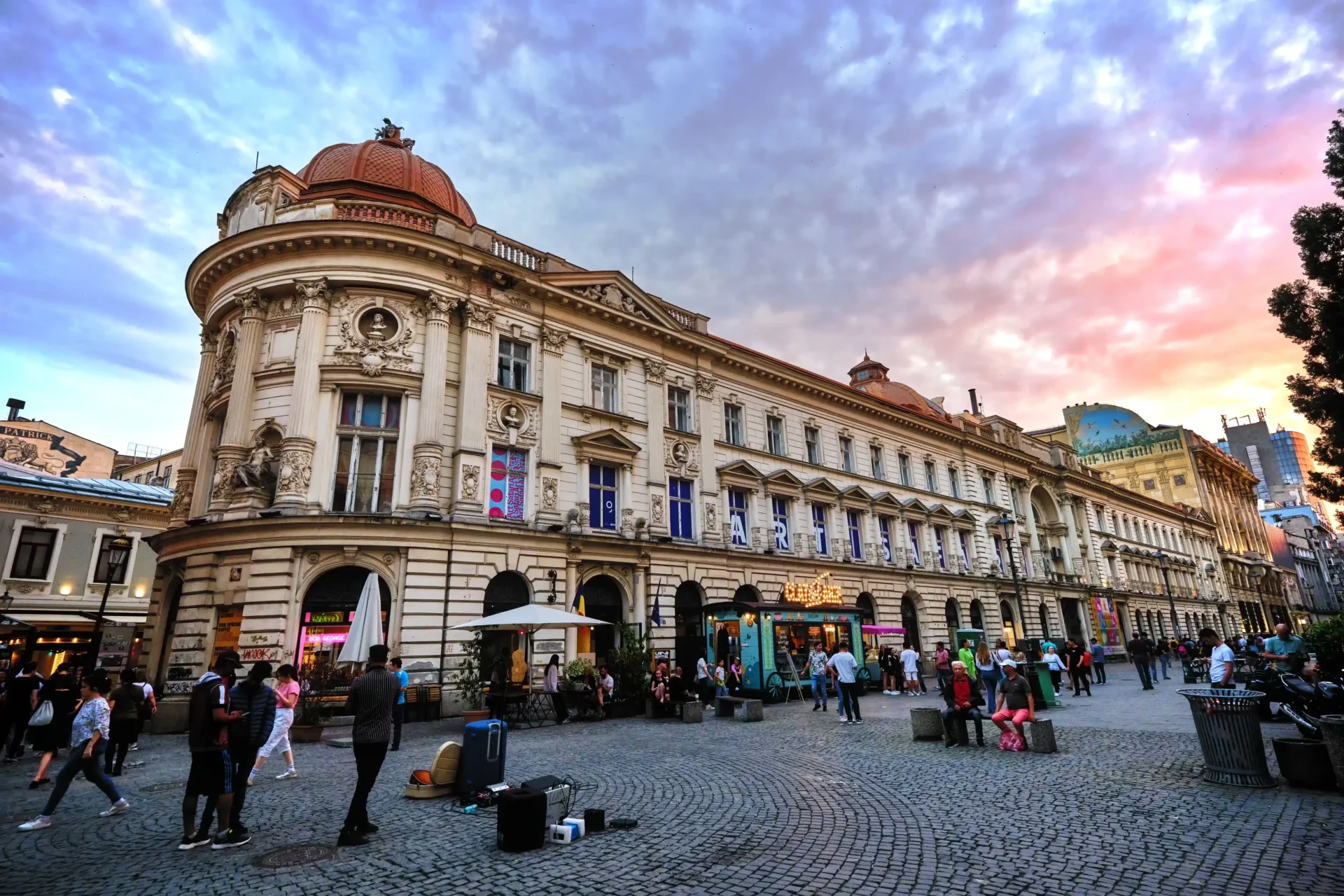
Once the political and economic center of medieval Wallachia, the old fair town of Târgoviște still lives on from the memories of the glorious times of the past, which still endures among the contemporary landmarks of the city, revealing an almost mystical atmosphere, where the echoes of stories and intrigues from the court of Wallachia can still be sensed in places!
Starting from Bucharest towards the inviting ridges of the Carpathians that rise in the distance, countless roads lay before us, each passing through places that bear the imprint of many centuries of history on these lands. Before Bucharest became the official capital of Wallachia more than three centuries ago, the fate of these places was decided for a long time in a small fair about 80 kilometers to the northwest. On the border between the plain and the hills below the mountains, caught between the valleys of Dâmboviței and Ialomiței, the town of Târgoviște is now the seat of Dâmbovița county, but it was the capital of Romania and a royal residence between 1396 and 1714.
The most important historical figures of Wallachia ruled from the court of Târgoviște, including Mircea cel Bătrân, Vlad Țepeș, Mihai Viteazul, Matei Basarab or Constantin Brâncoveanu. After the capital was permanently moved to Bucharest, the role and influence of the city began to decline gradually, the old medieval court being forgotten for a long time. Today, the city is a pleasant and interesting destination, retaining many of the important medieval monuments, but also some newer attractions. We can reach Târgoviște very easily by following DN 71 that connects Bucharest to Valea Prahova or DN 72 between Ploiești and the A1 highway, and most of the attractions in the historic center can be visited in one day. We can only begin the discovery of this charming destination from the heart of Wallachia, the Royal Court monument complex being located in the eastern part of the city, on the bank of Ialomița.
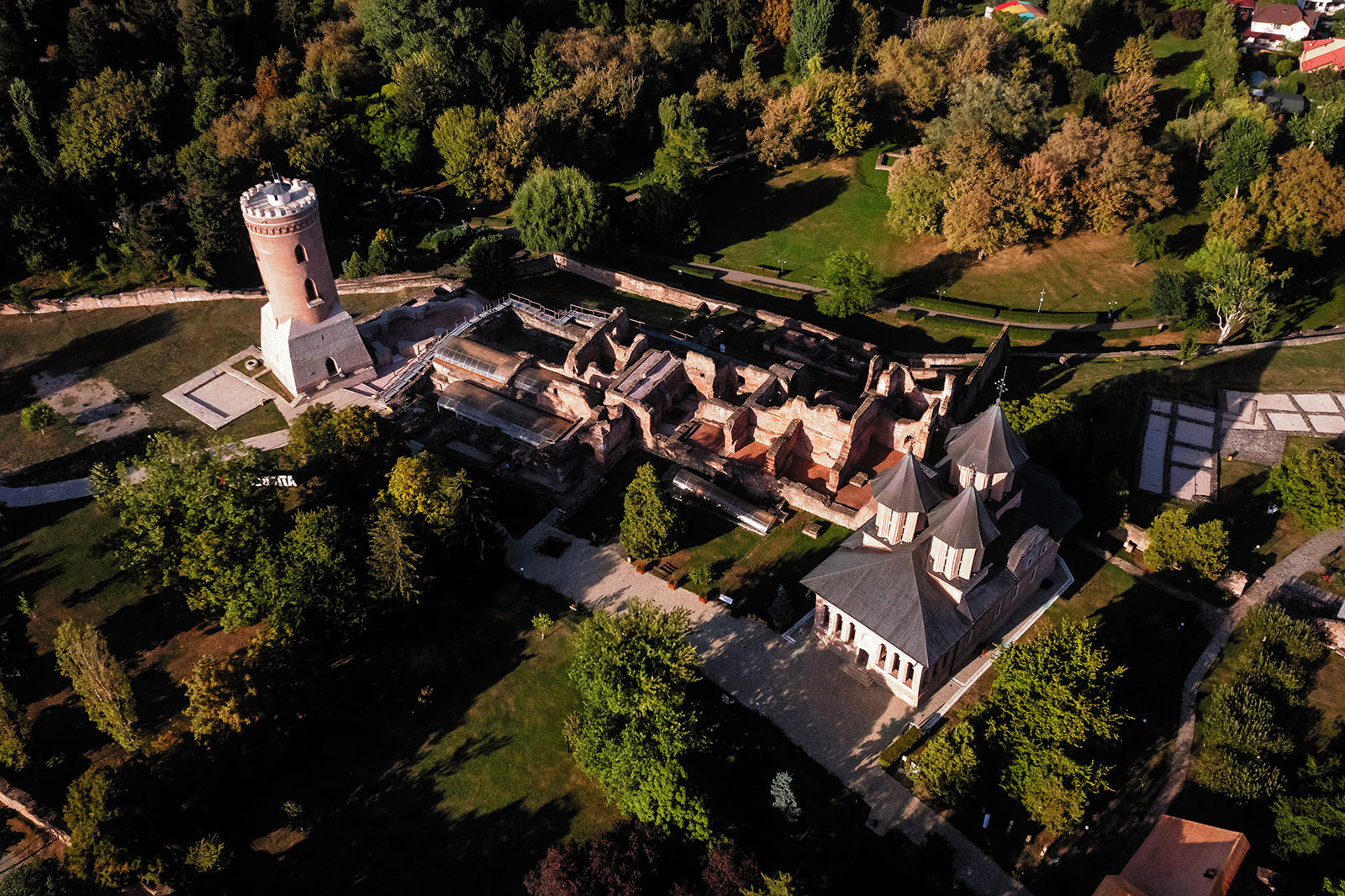
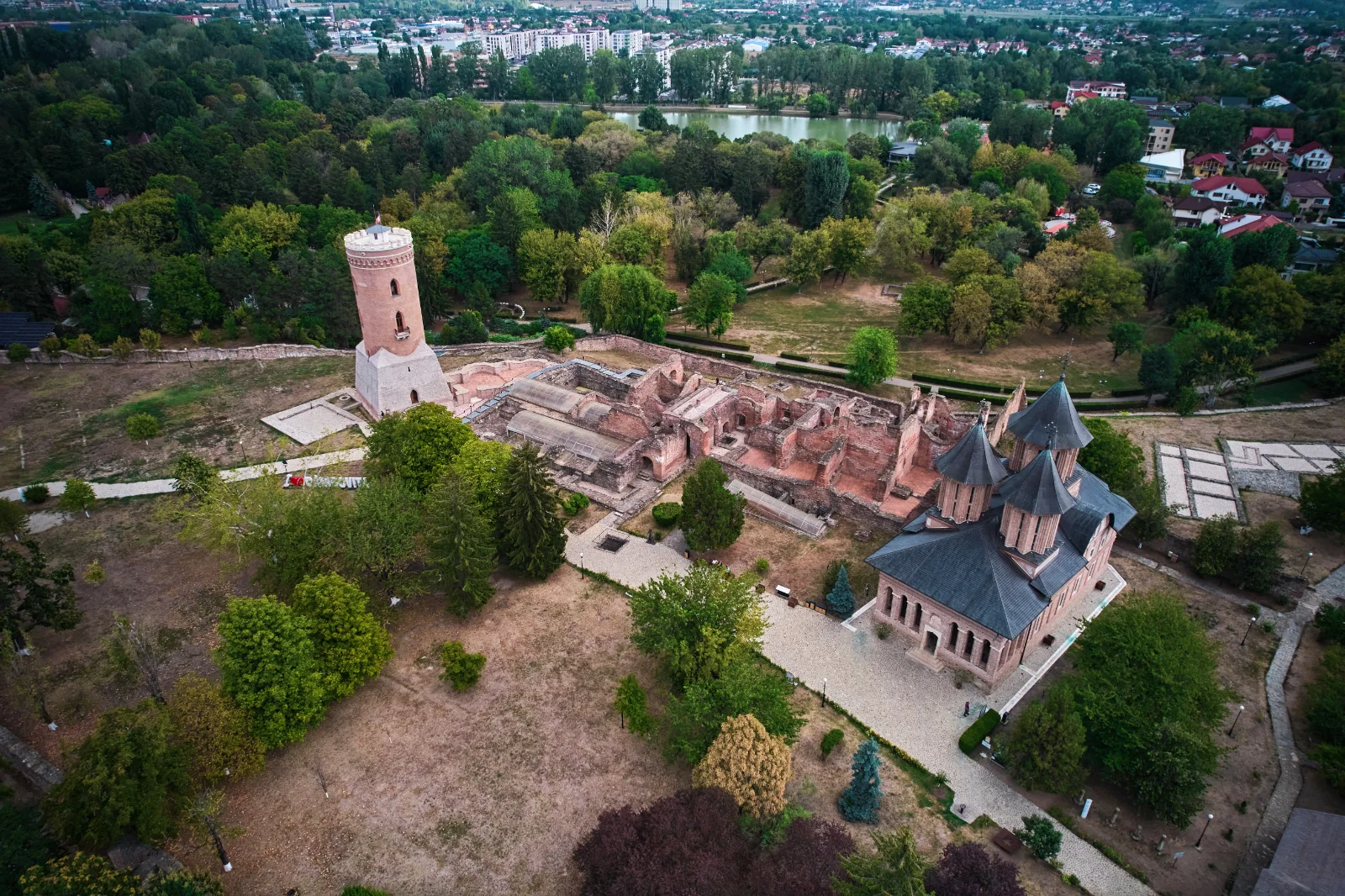
Attested since the end of the 14th century, the complex represented the residence of the rulers of Wallachia in the medieval period. Today, the complex is only a shadow of its former glory, with many of the structures having been abandoned since the 18th century and falling into ruins over the following centuries. Fortunately, some of the monuments inside have been miraculously preserved and much of the complex has been enhanced by conservation and renovation work in recent years. The Royal Palace had perhaps the cruelest fate, as a result of historical events, neglect and natural phenomena. No less than 33 rulers of Wallachia resided here, and today the premises, of which only the walls remain, have been transformed into a museum space.
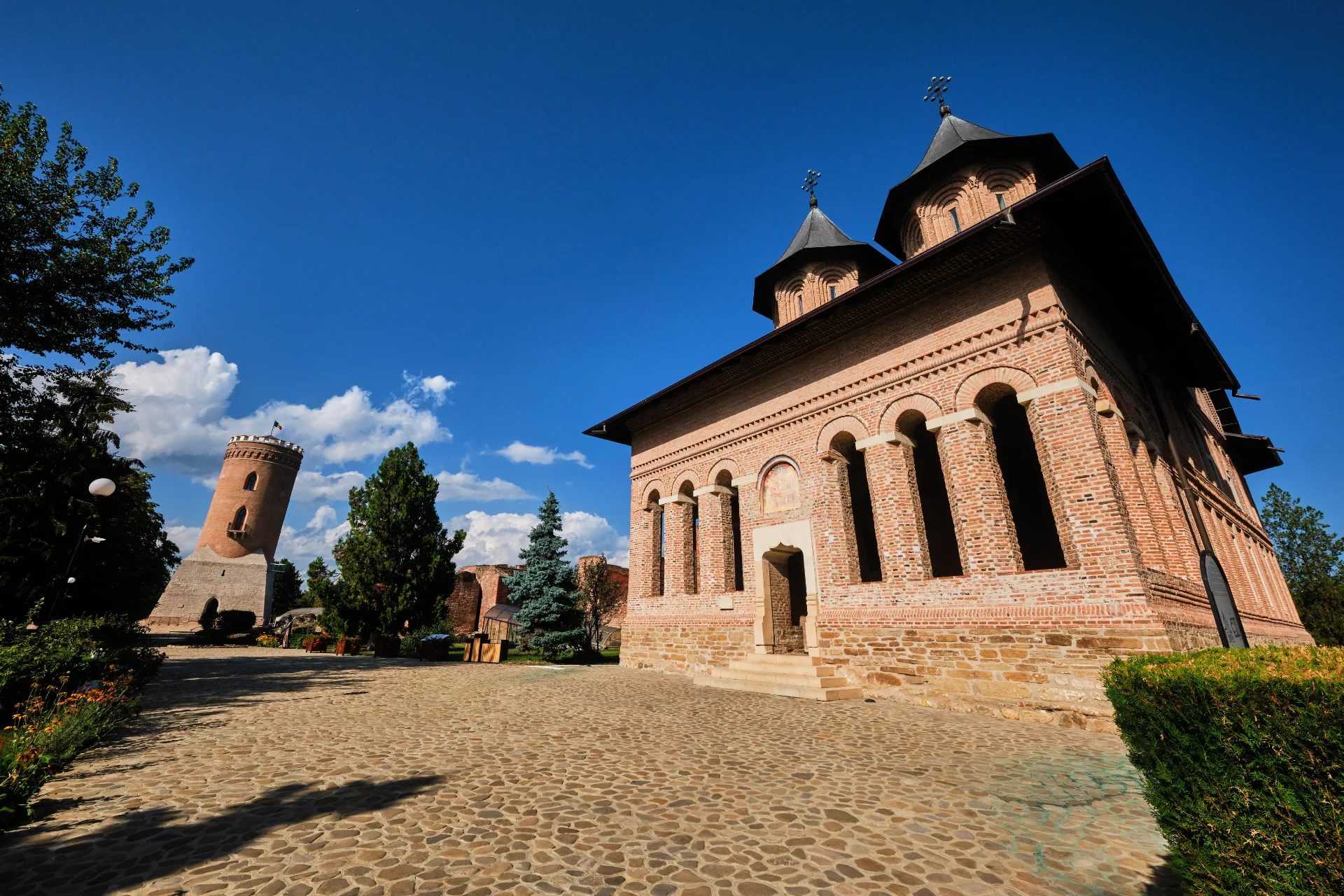
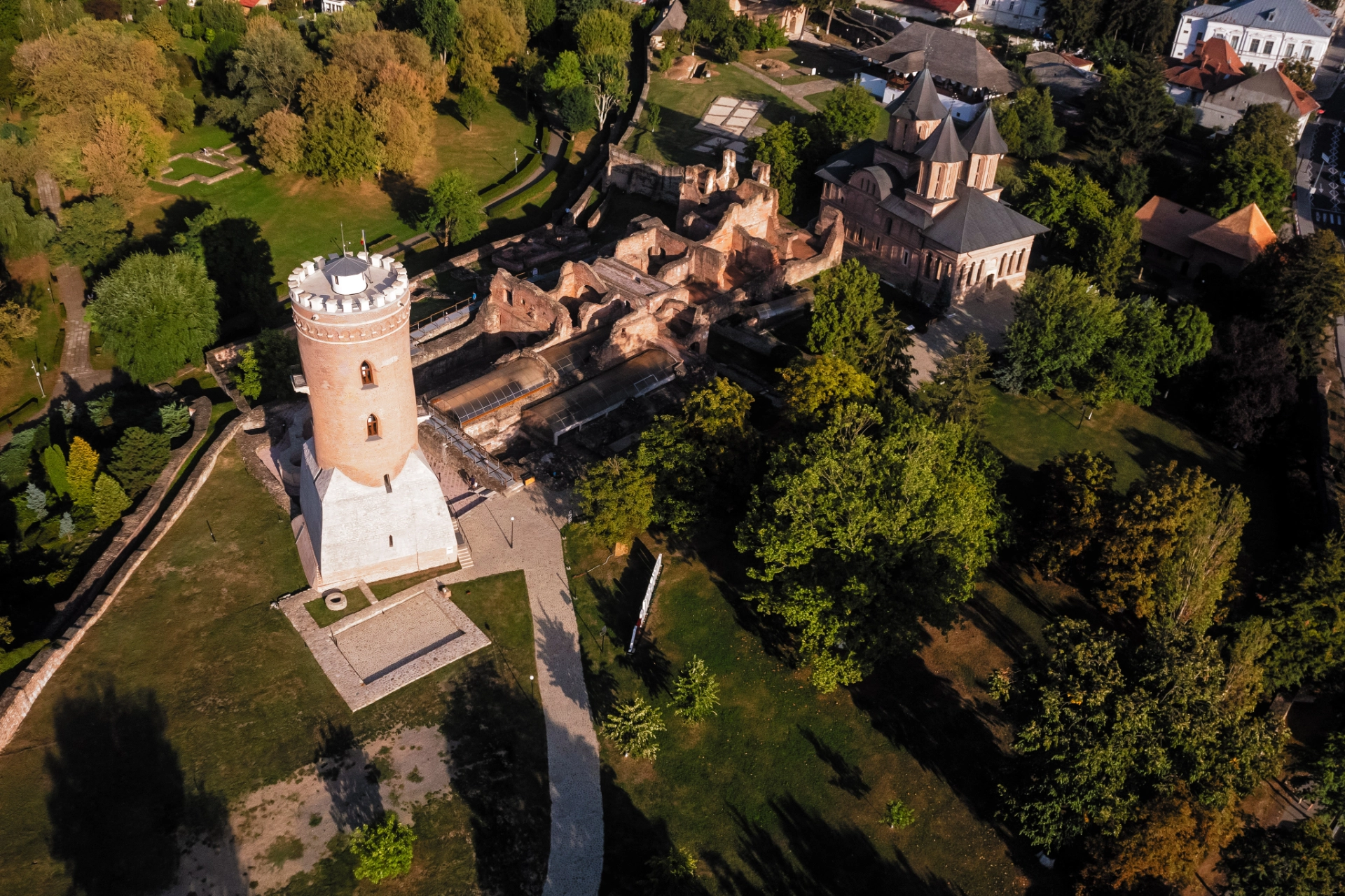
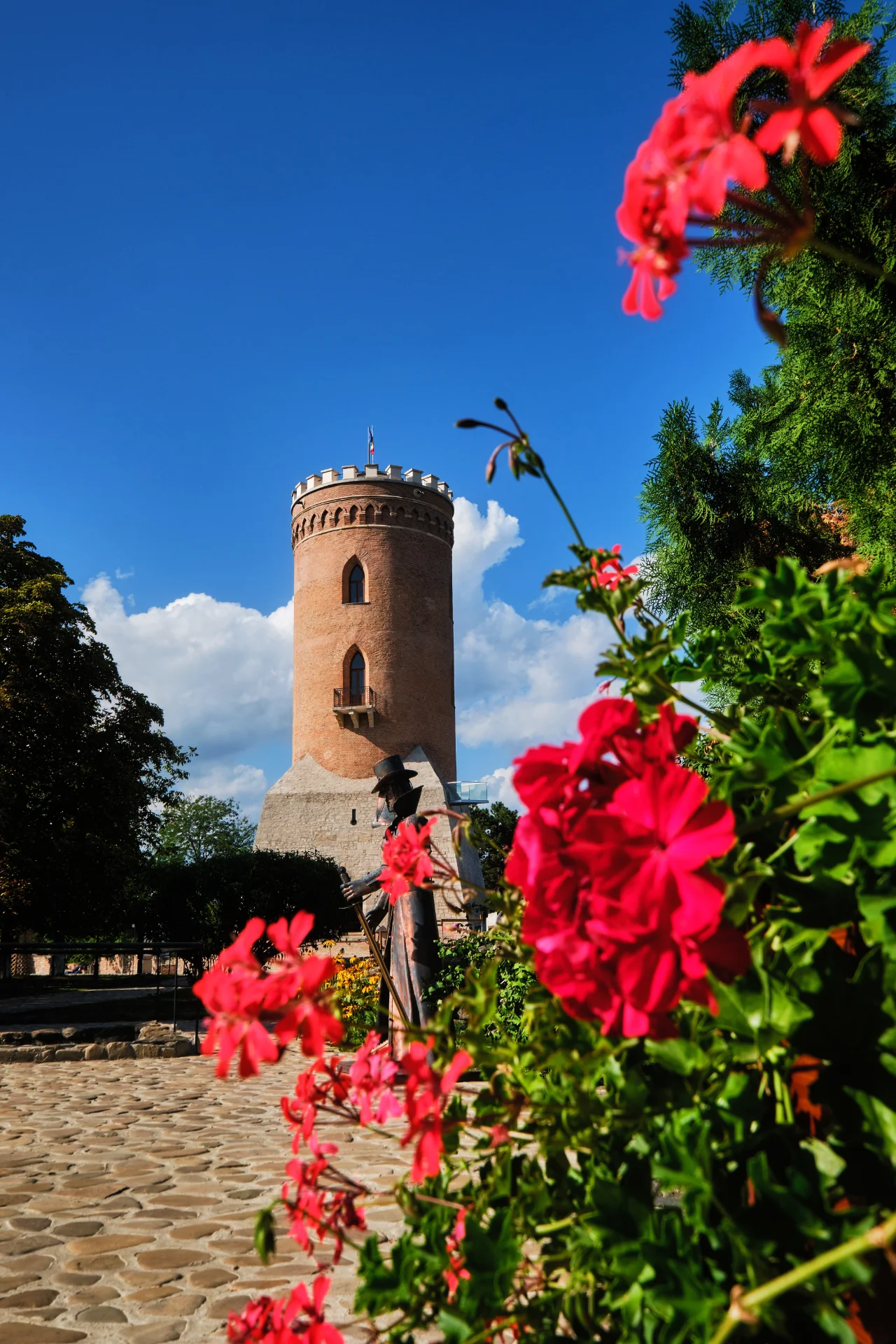
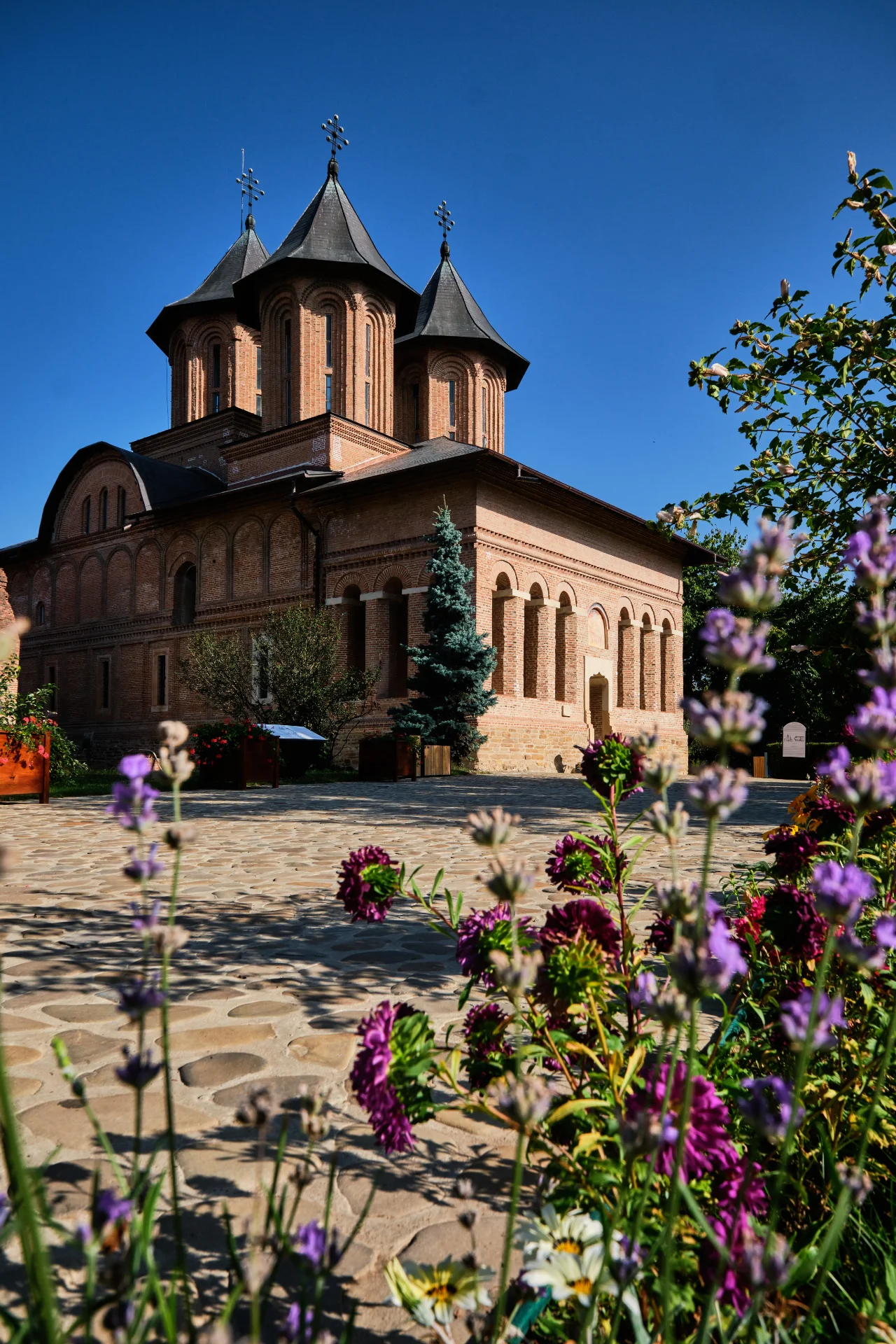
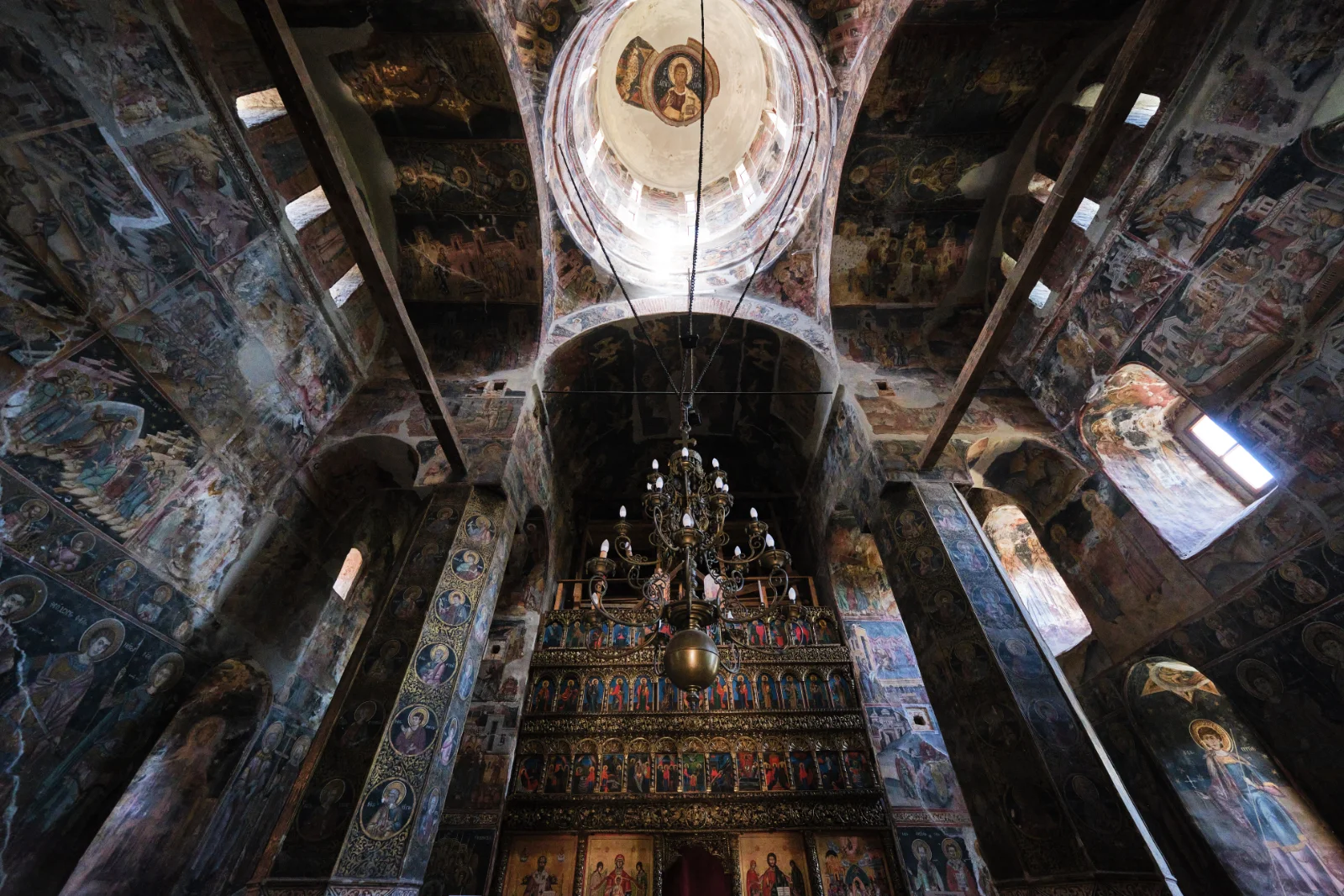
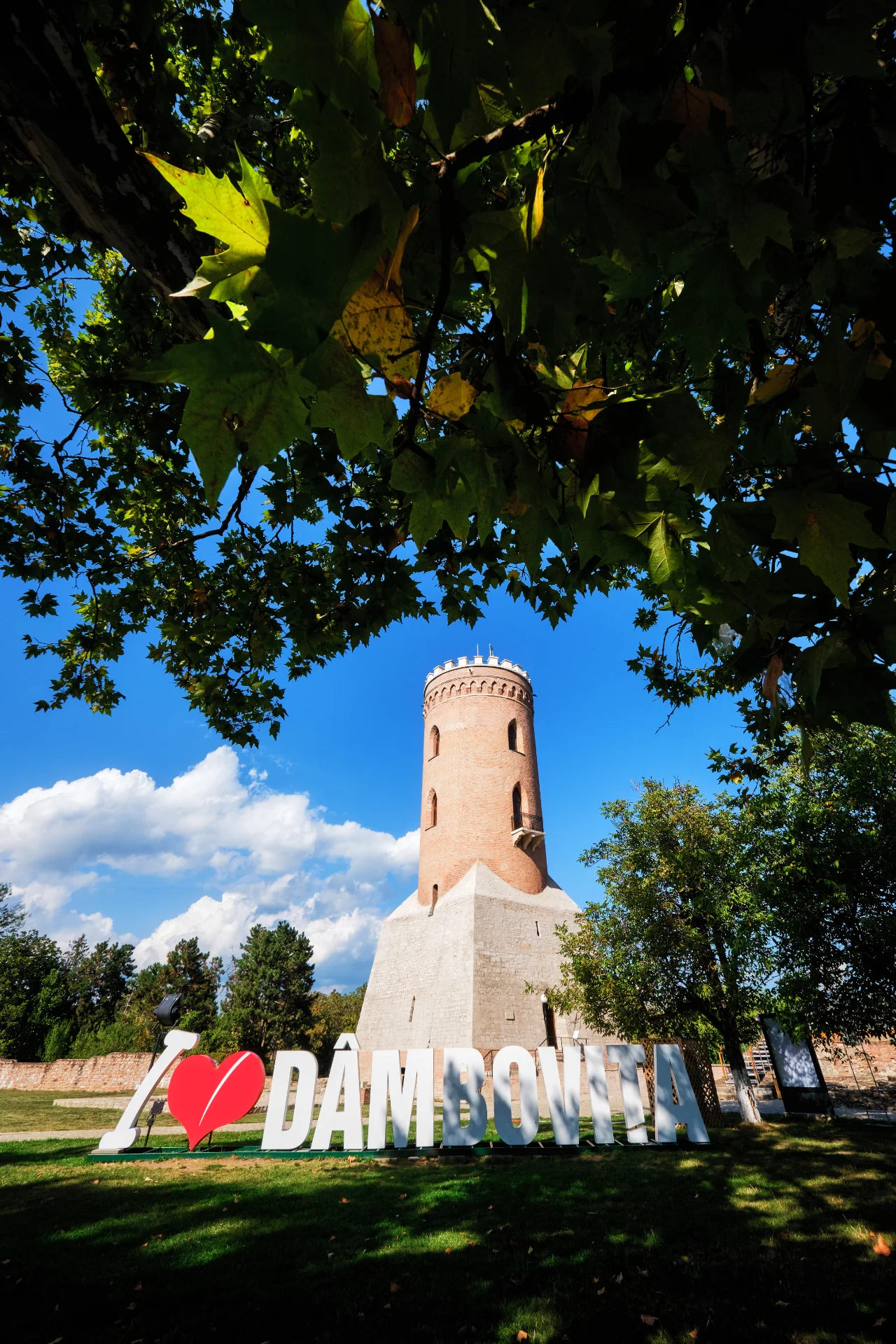
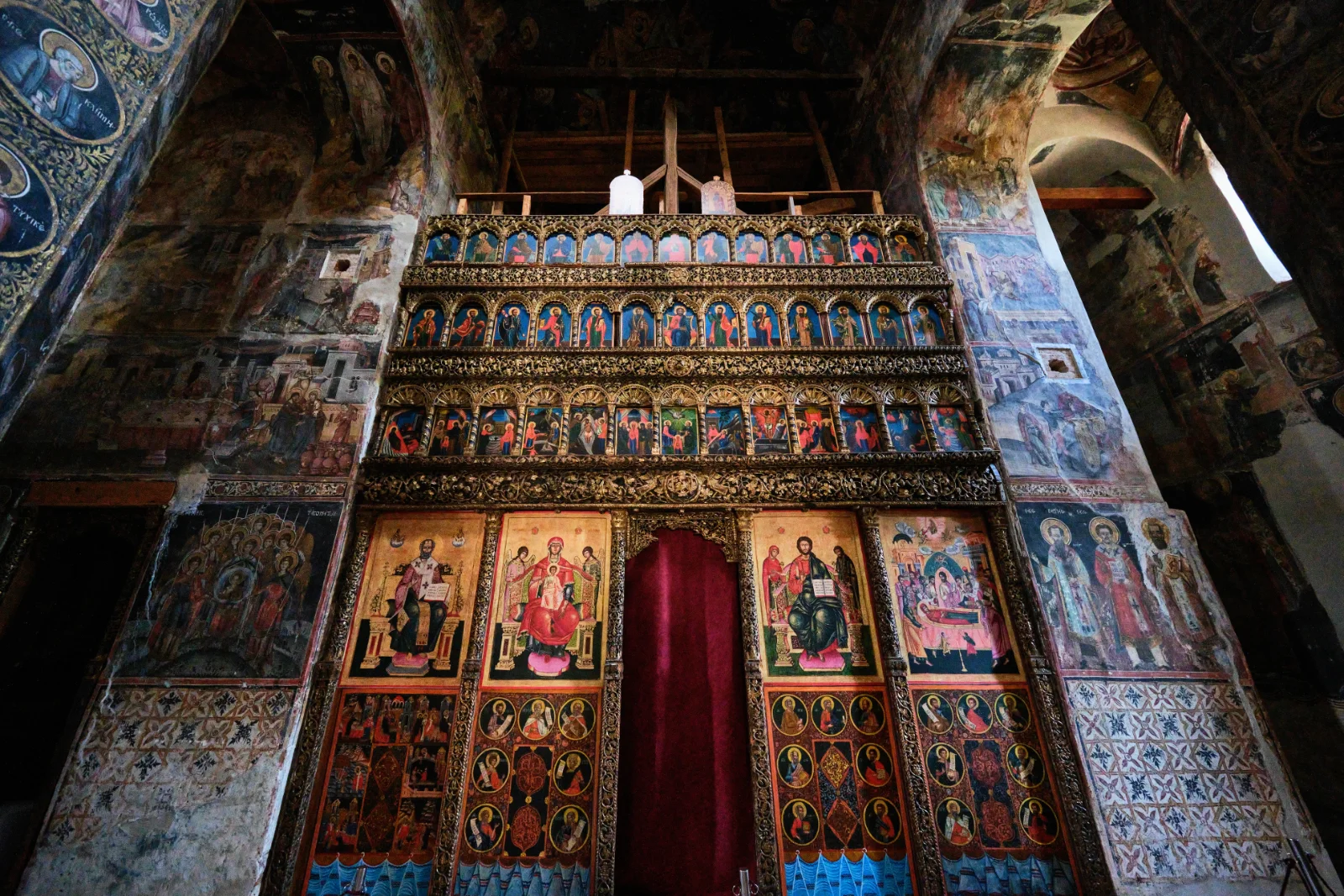
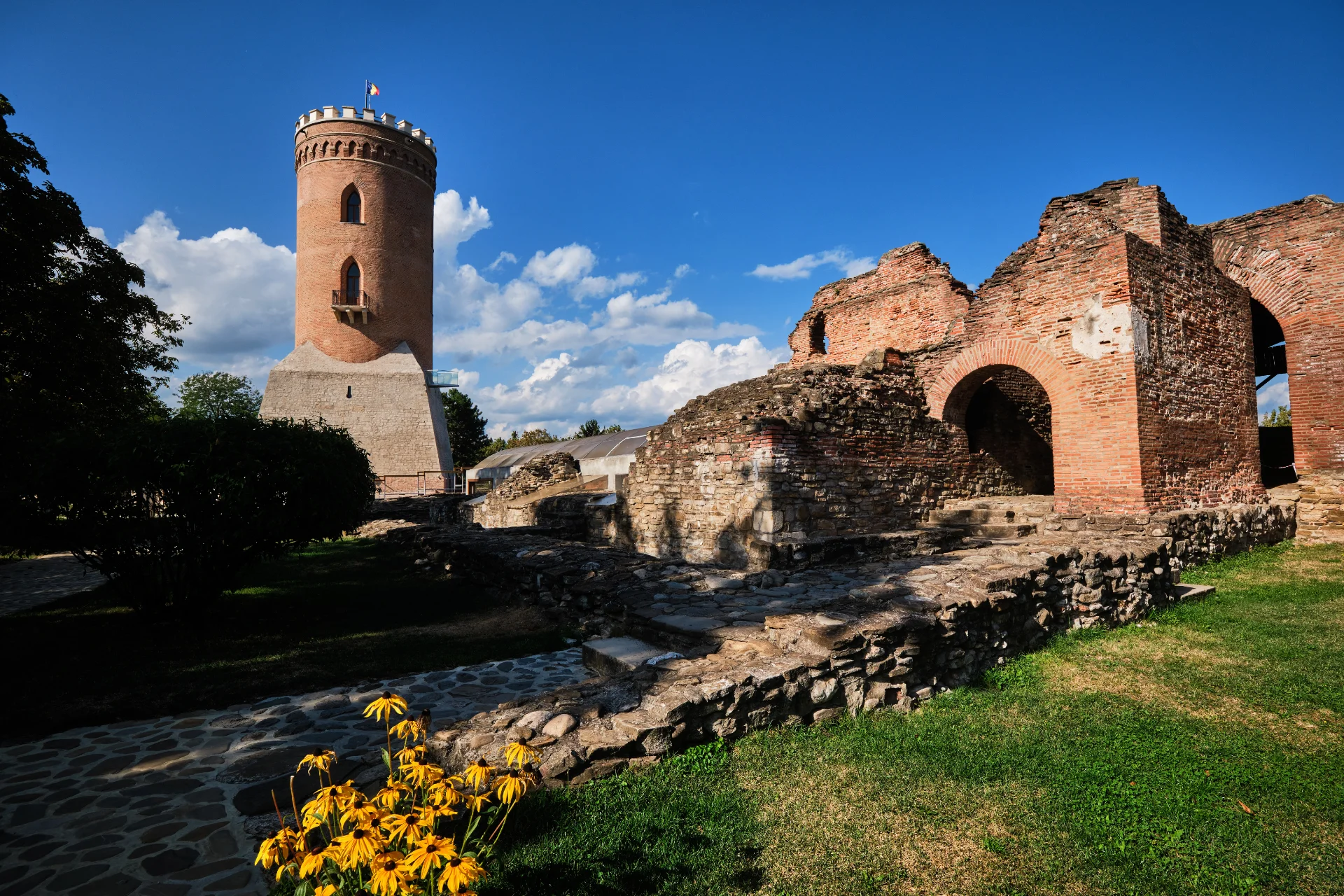
Right next to the ruins of the palace, we are still impressed by the majestic silhouette of the Chindia Tower, most likely a former keep of the fortress, whose current appearance is due to the renovation in the 19th century. We can climb to its top, from where we are rewarded with a spectacular panorama of the complex and the new city. On the other side of the palace, close to the entrance to the historical complex, we can admire the Great Princely Church, built by Petru Cercel as the largest church in Wallachia at that time. It still retains the original interior painting from the end of the 17th century, with most of the rulers from that time represented.
Nearby, we also discover the small “Sfânta Vineri” Church, which dates back to the 15th century and is one of the few in the country that preserves its original architecture from that era. Inside the complex, we admire several structures or ruins that were part of it in the past, including the palace gardens, the royal bath, the pavilion, another very old church and the Bălaşa House. Also here, we visit the Museum of Old Romanian Printing and Books, presenting a fascinating collection that includes the first presses and prints in the country, dating from the beginning of the 16th century, as well as other manuscripts and old objects. Next to the old walls of the historical complex, we can spend a few moments of peace in the alleys of Chindia Park, where we admire the busts of the 40 rulers on Aleea Voievozilor and visit the small zoo.
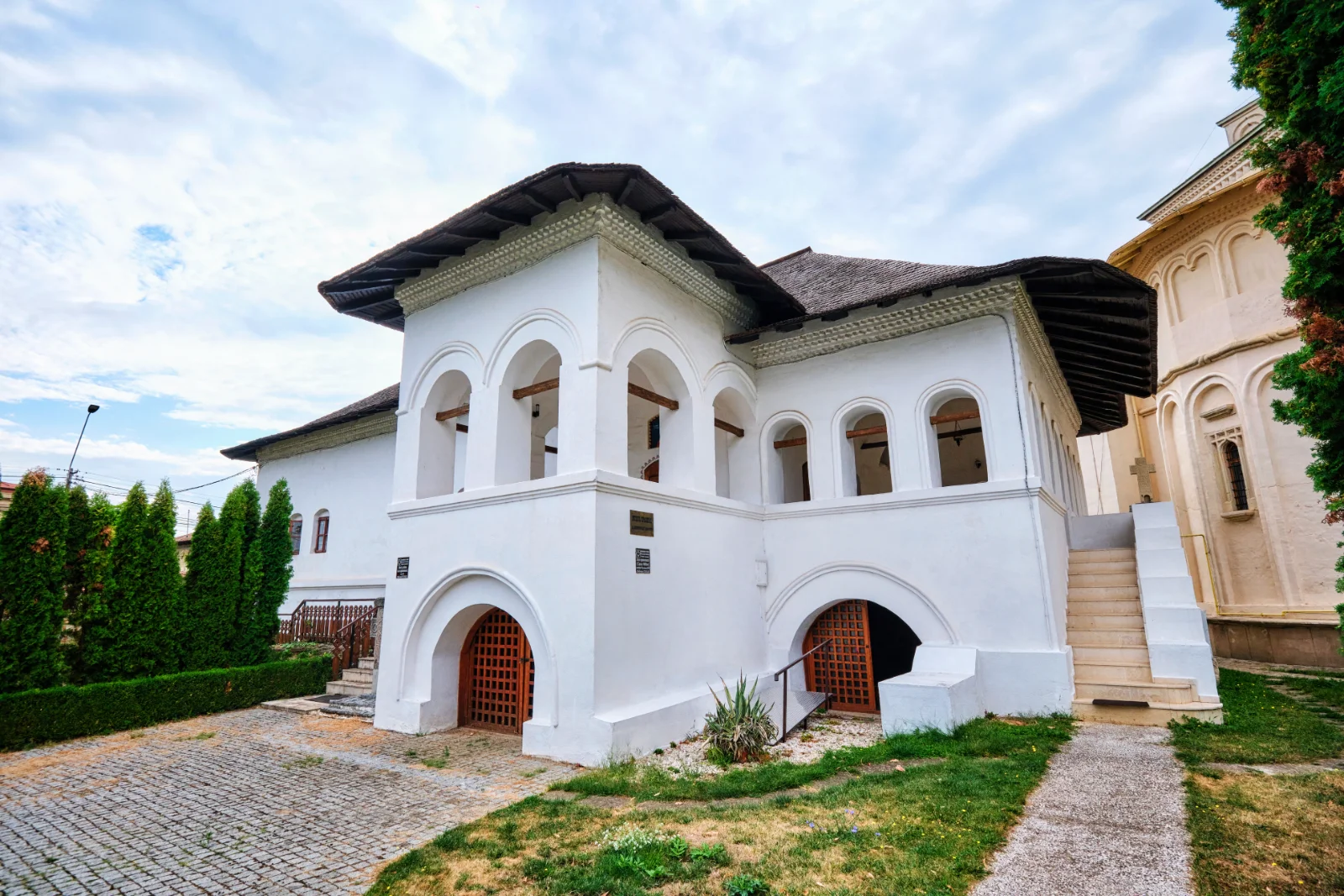
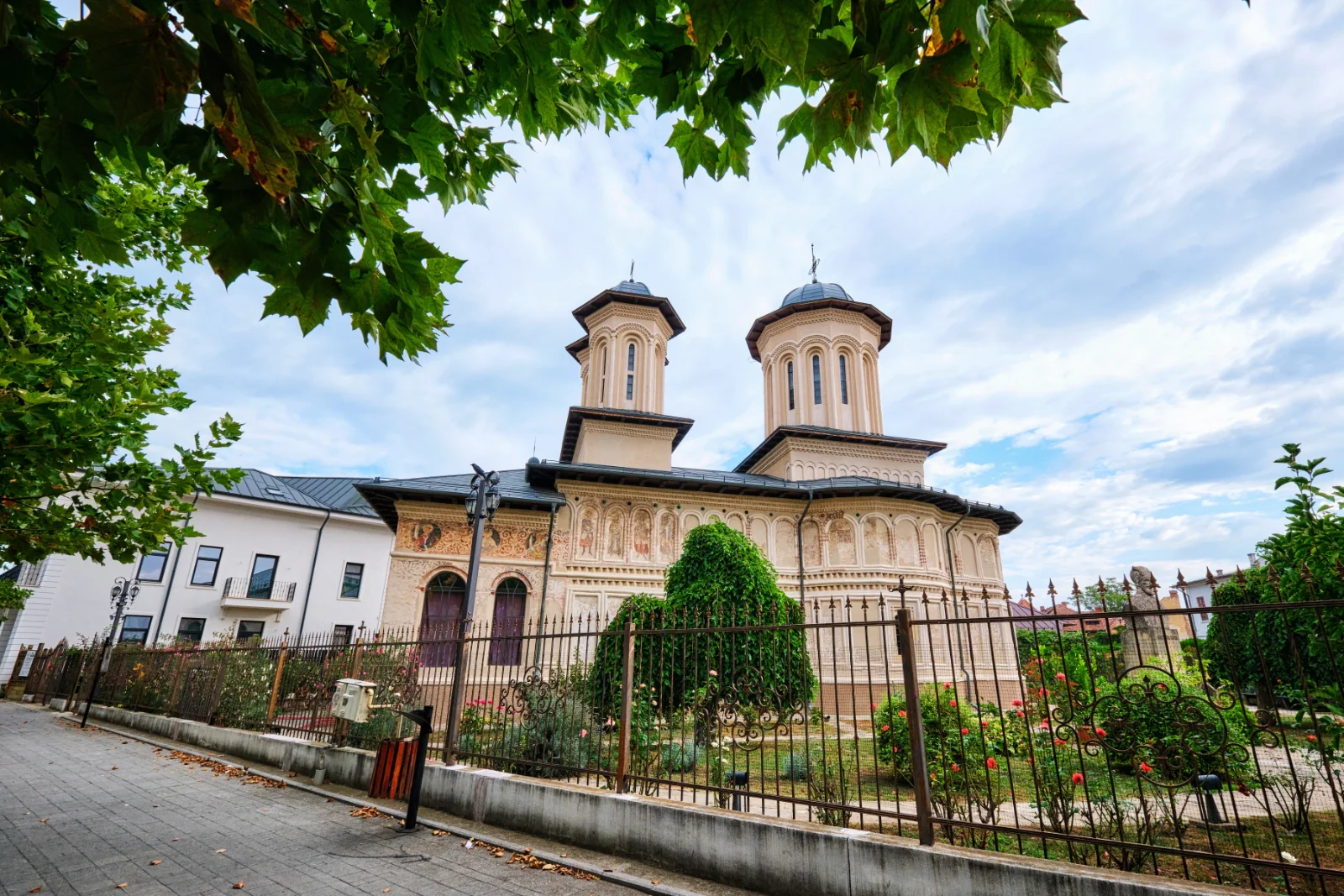
Right next to the Royal Court complex we find the Art Museum and the History Museum of Dâmbovița County, both containing interesting collections about the culture and past of these places. The city center is just a few hundred meters south of this fascinating monument complex. We begin our exploration with the impressive ensemble of the Stelea Monastery, dating from the 15th and 16th centuries, including the monumental church, but also the bell tower, an old house, the monks’ cells, as well as some old defense structures. Considered one of the most beautiful in Romania, the “Resurrection of the Lord” church was built between 1644-1645 by Vasile Lupu, lord of Moldavia. We admire its splendid architecture, similar to the “Three Hierarchs” church in Iasi, as well as the interior paintings inspired by Islamic mosques.
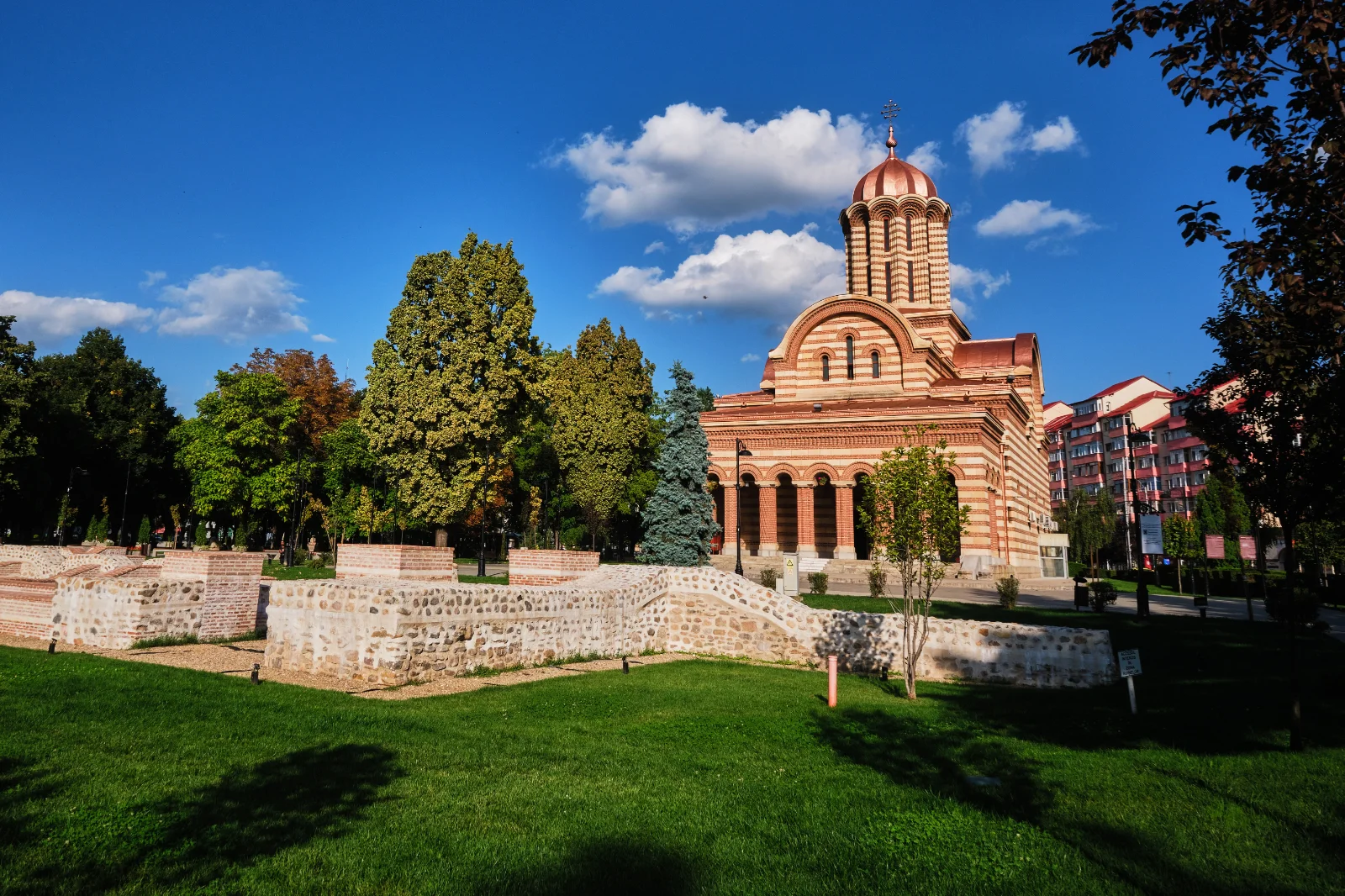
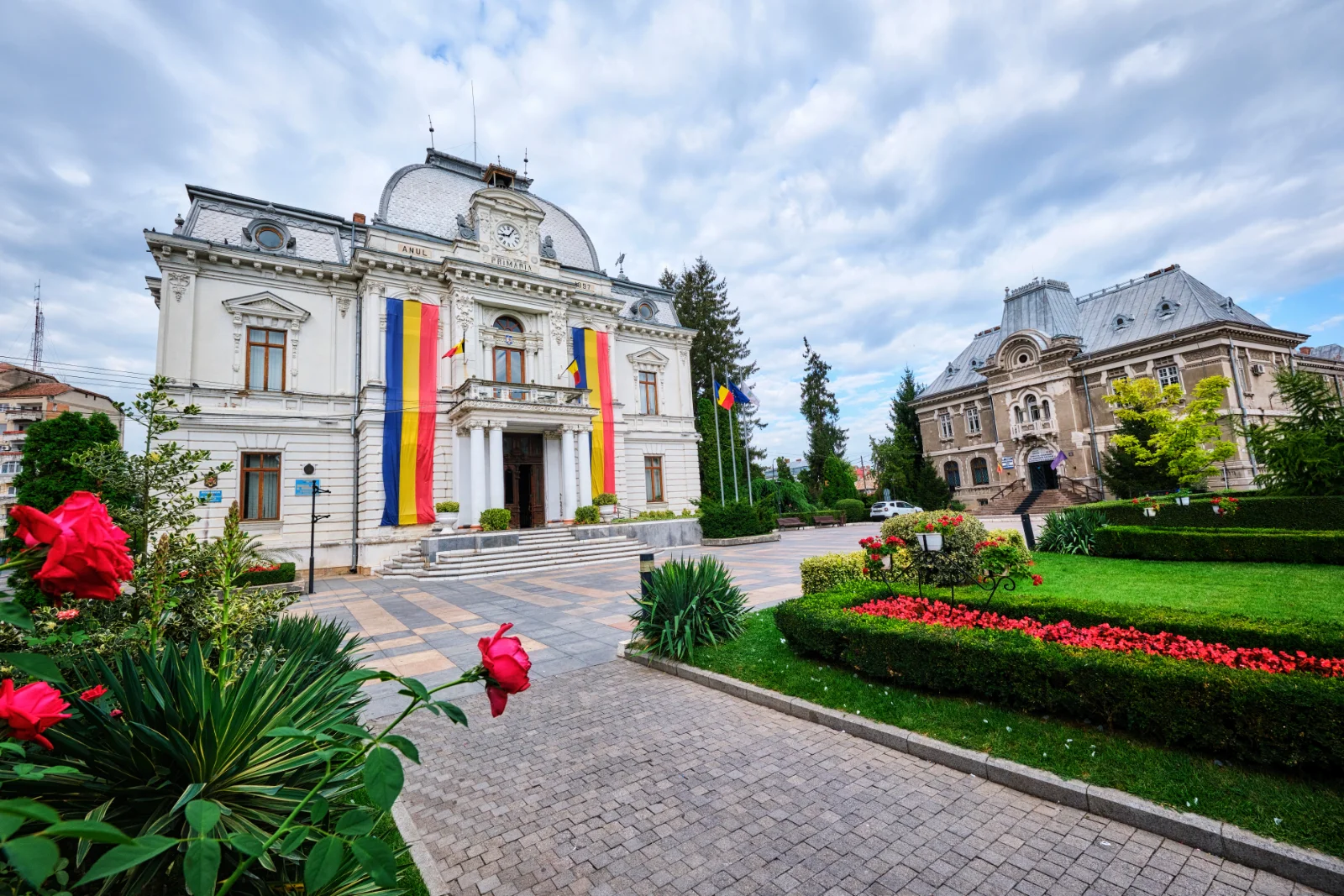
A little further south, in the Metropolitan Park, we arrive in front of the “Ascension” Metropolitan Cathedral, originally founded by Neagoe Basarab and rebuilt by the famous French architect Lecomte de Nouy, at the beginning of the 20th century. Right next to it are the ruins of the old metropolis of Wallachia, as well as the Old Belfry, the only monument preserved from the old complex. Between the royal court to the north and the Mitropoliiei park to the south, a few streets that still preserve the atmosphere of the past form the historical center of the city of Târgoviște, bringing together a group of remarkable historical monuments. Among these, the superb building of the Town Hall, dating from the end of the 19th century, but also the Târgului Church, built since 1654 on the site of an older one, attract our attention.
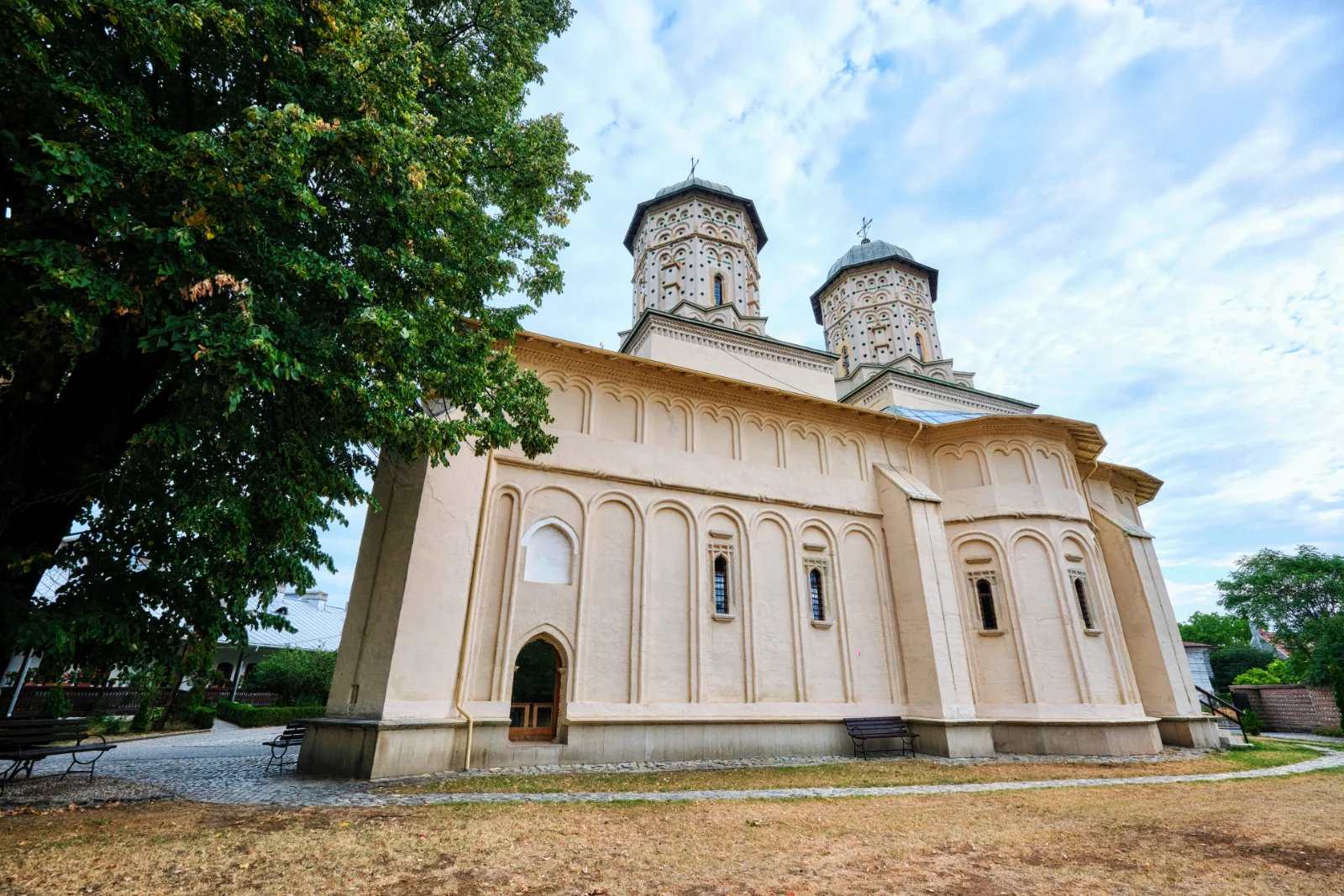
Other interesting places in Târgoviște include the houses and workshops of the artists Gheorghe Petrașcu and Vasile Blendea, the Museum of Human Evolution, the Museum of the Romanian Police, the Church of the “Saints Emperors”, the Church of “Saint Nicholas” – Geartoglu, the Roman Catholic Church of “Saint Francis of Assisi” or the Church of the “Saints Governors Michael and Gabriel”. Near the city we can discover some fascinating destinations, among which the most famous and impressive is the Dealu Monastery, located a short distance to the north, on a small hill. This medieval gem was originally founded in the early 15th century and rebuilt a century later. The first printing press in Romania was installed here by the Serbian monk Macarie and the first manuscript was printed in 1508.
Over the centuries, the monastery changed several times, and the architectural complex suffered a lot, only the old church being preserved until today. It is one of the most important monuments of medieval architecture in the country, at the monastery there is also the marble tomb of Radu the Great, as well as the casket with the head of Michael the Brave. Other interesting places near Târgoviște include Viforâta Monastery (15th-16th century), Cobia Monastery (16th century), the church of the former Gorgota monastery (16th century), the Ion Luca Caragiale memorial house and the Black bison reserve.
Search for Flights to Romania with Booking.com!
Sights of Târgoviște
Princely Court of Târgoviște
The symbol of the city of Târgoviște and the most famous attraction of the city, the historical complex Curtea Domnească is a fascinating destination that introduces visitors to the atmosphere of the past, when here was the capital of Wallachia and many of the legendary rulers ruled from the Royal Palace. Although many of the buildings and constructions that made up the complex over time no longer exist or are almost ruined, there are still enough impressive vestiges of the glorious past. You can visit the old Royal Church, with its splendid old paintings, the ruins of the Royal Palace, where a historical exhibition was organized, the Chindiei Tower with its platform at the top that offers unique panoramas of the complex and the city, but also other lesser-known monuments, among which the “Holy Friday” Church and the Museum of Old Romanian Printing and Books stand out.
Opening hours: Tuesday-Sunday – 9-18.30 (9-17 in winter) | Tickets: 20 lei 4 Euro)/adult
Târgoviște Old Town
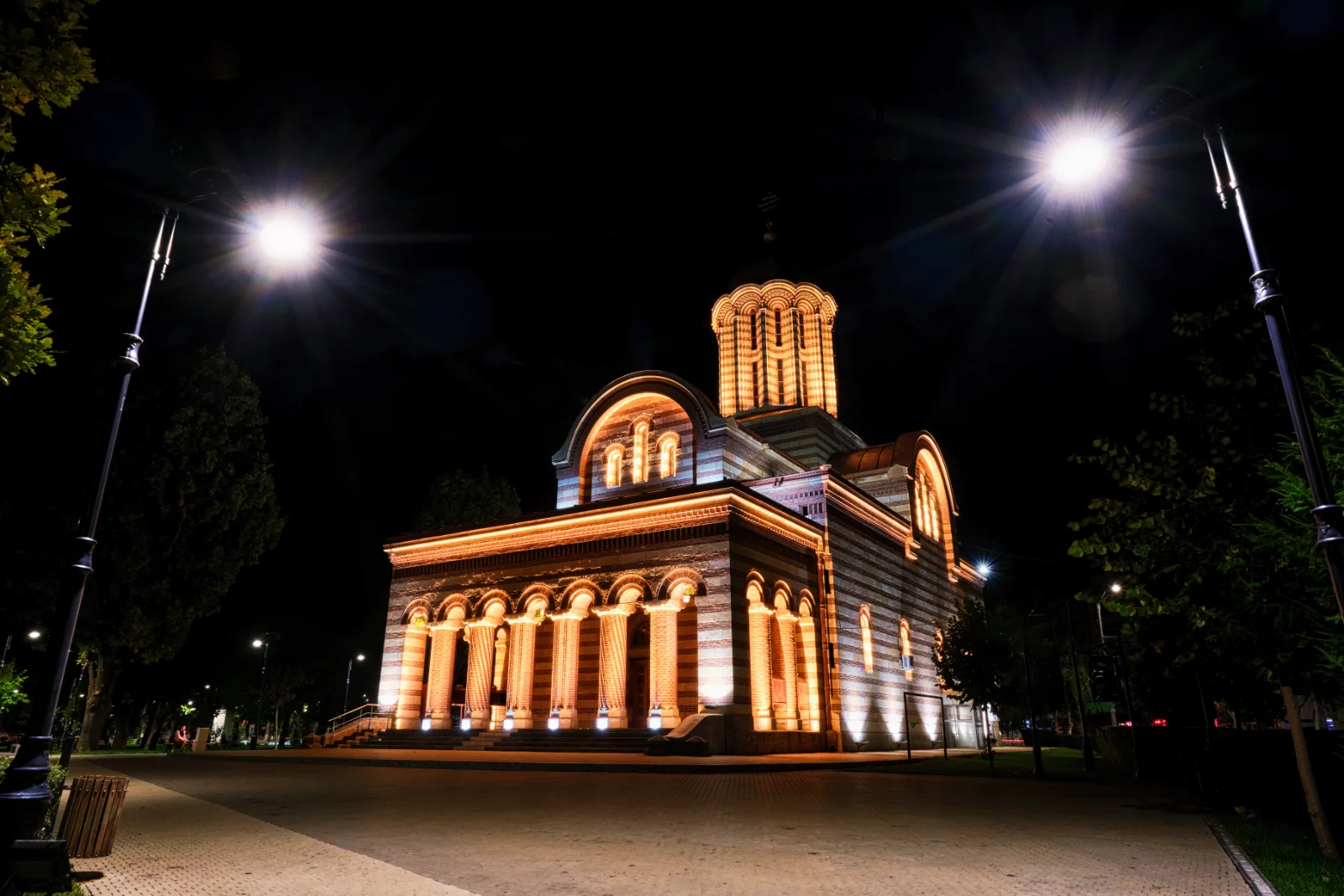
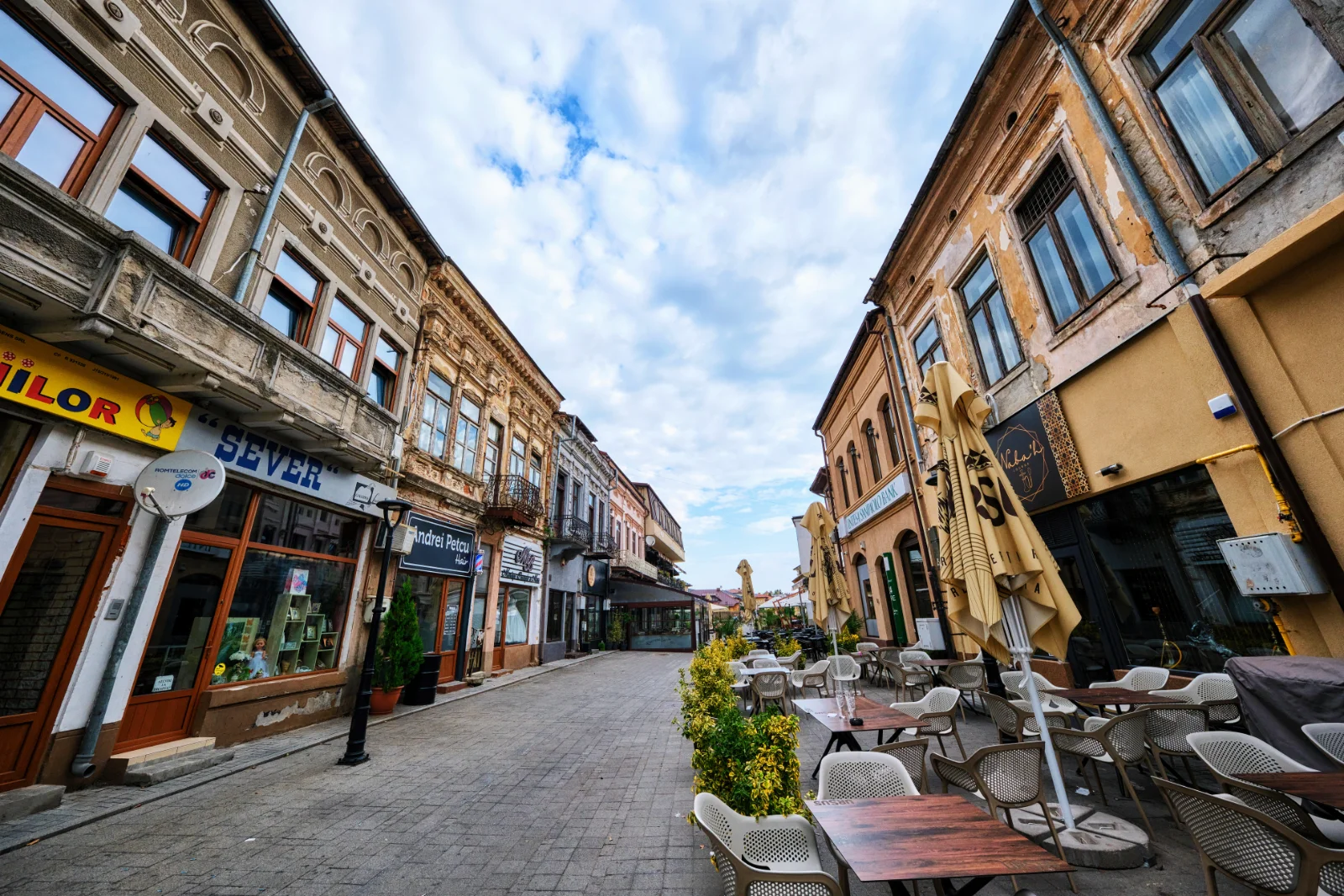
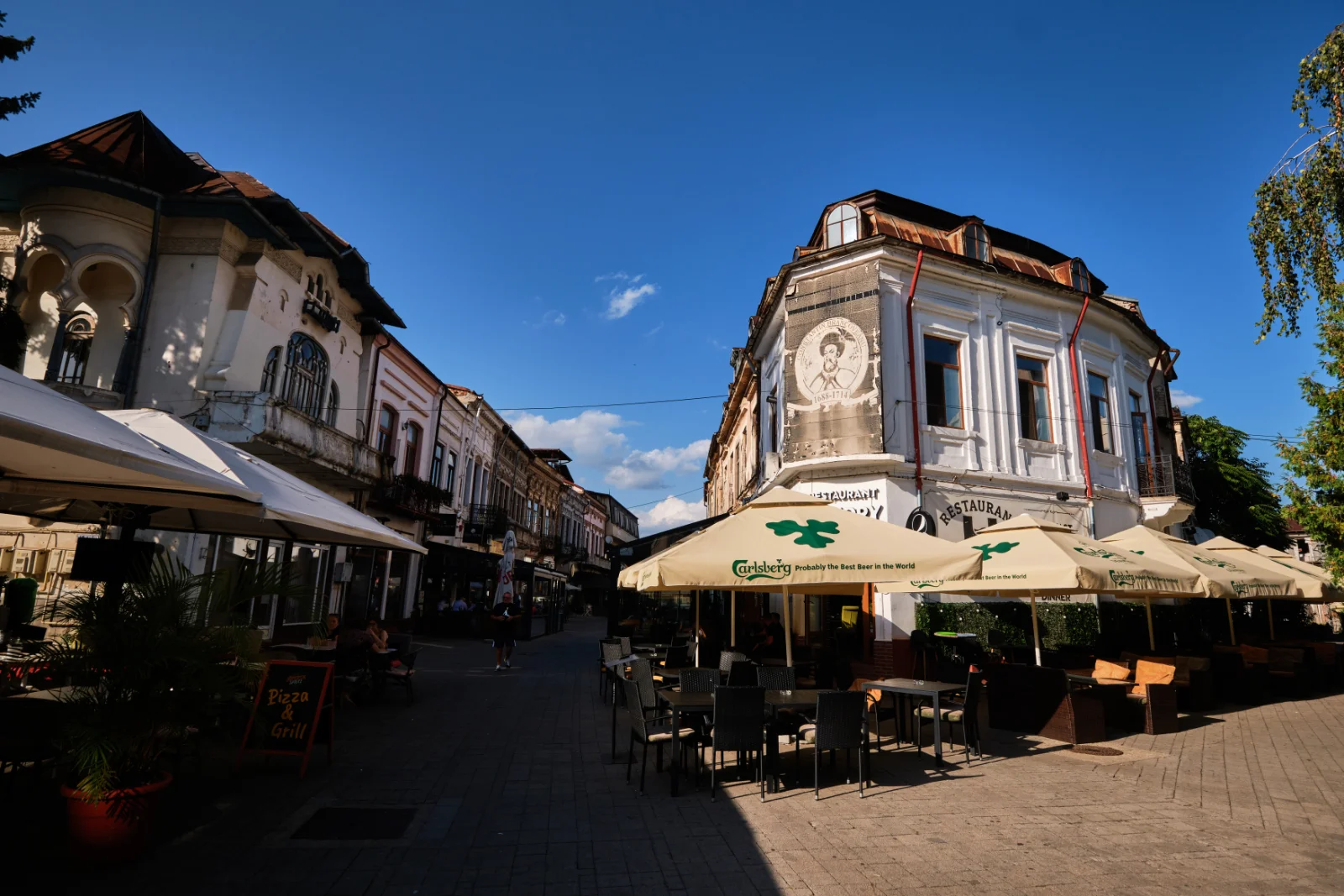
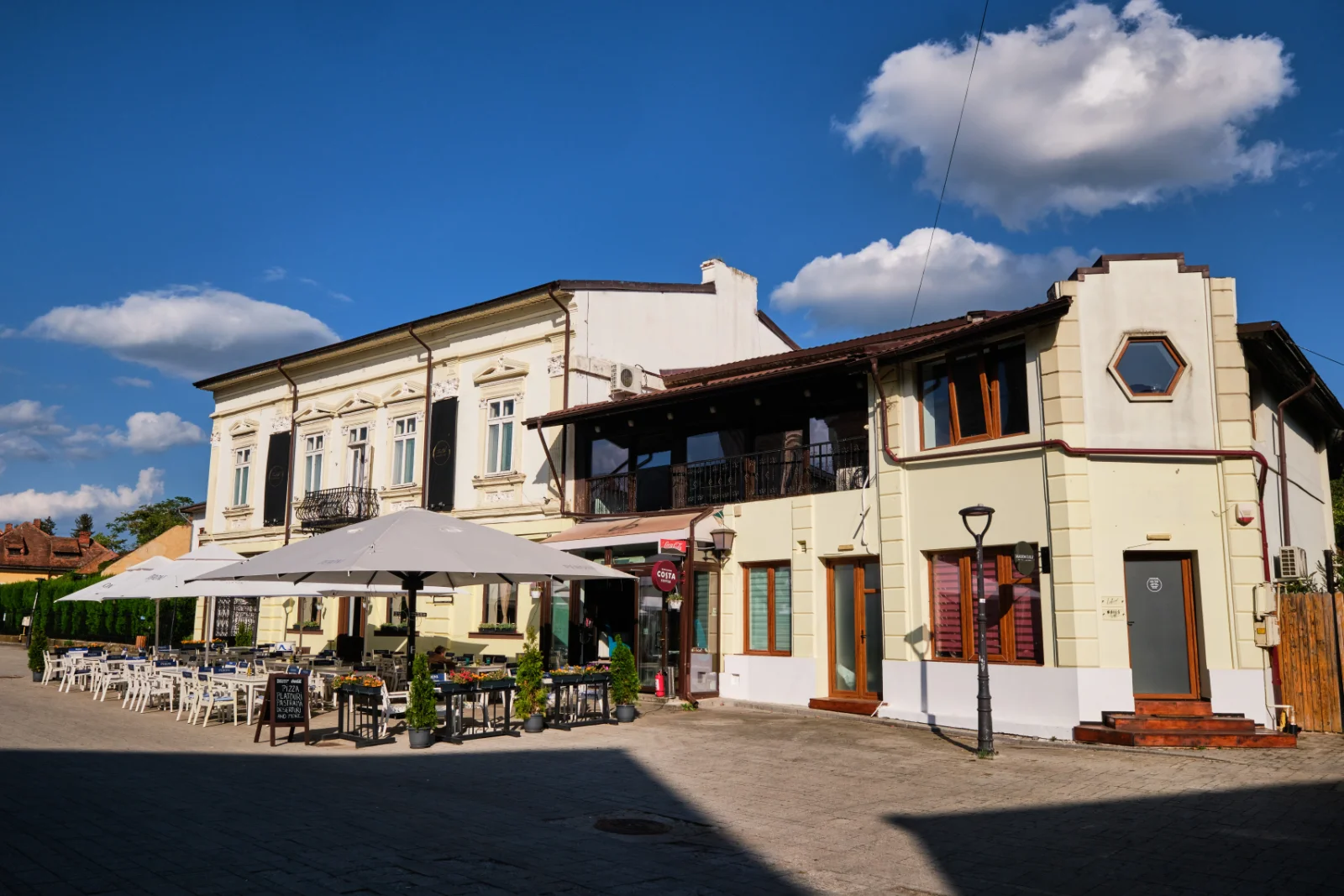
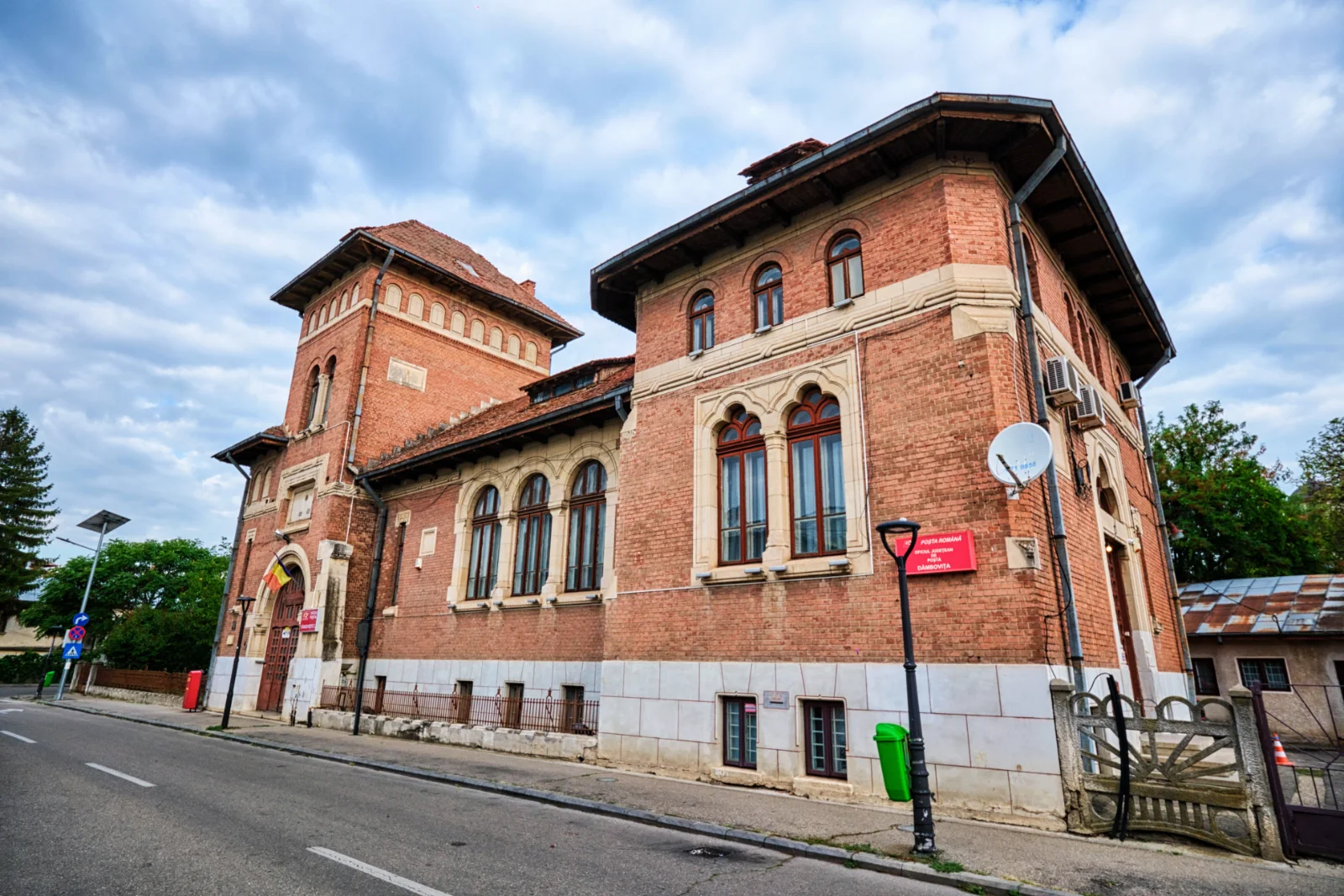
Although it occupied a larger area in the past, the old center of Târgoviște can still be discovered on a few streets south of the Royal Court. Flanked now by terraces, restaurants and shops, they still retain the atmosphere of the city of the last century. The main artery of this area is Alexandru Ioan Cuza street, which connects Calea Domnească with the City Hall park and further towards Mitropoliei park. Along it and on several side streets, several impressive historical monuments can be discovered, among which the Fair Church, the City Hall, the Financial Administration building, the Old Post Office, the “Sfinții Arhangheli” church, the “St. Nicholas” church, the School of Arts building and others stand out.
Dealu Monastery
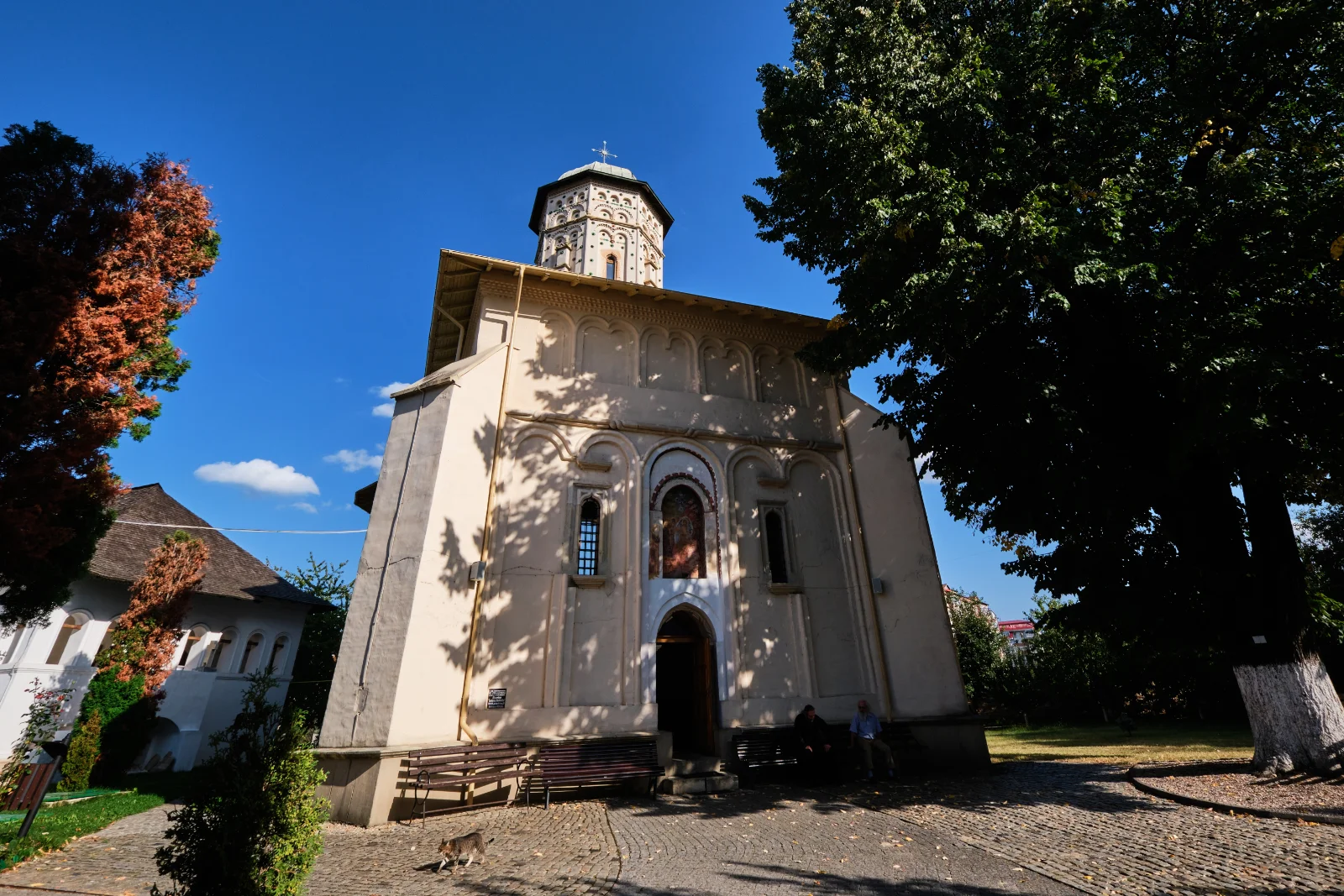
Considered one of the most important monastic settlements in the country, Dealu Monastery has played an important role in the history of Wallachia over time. The first printing press in the Romanian countries operated here at the beginning of the 16th century, and a long series of rulers of Wallachia were also buried here. Even if only the church has been preserved from the old monastery, it is a fascinating travel destination due to the very special history of this place. “St. Nicholas” Church is considered among the most representative monuments of medieval architecture in Wallachia, and the monastery museum includes interesting collections of religious art and cult or historical objects.
Stelea Monastery
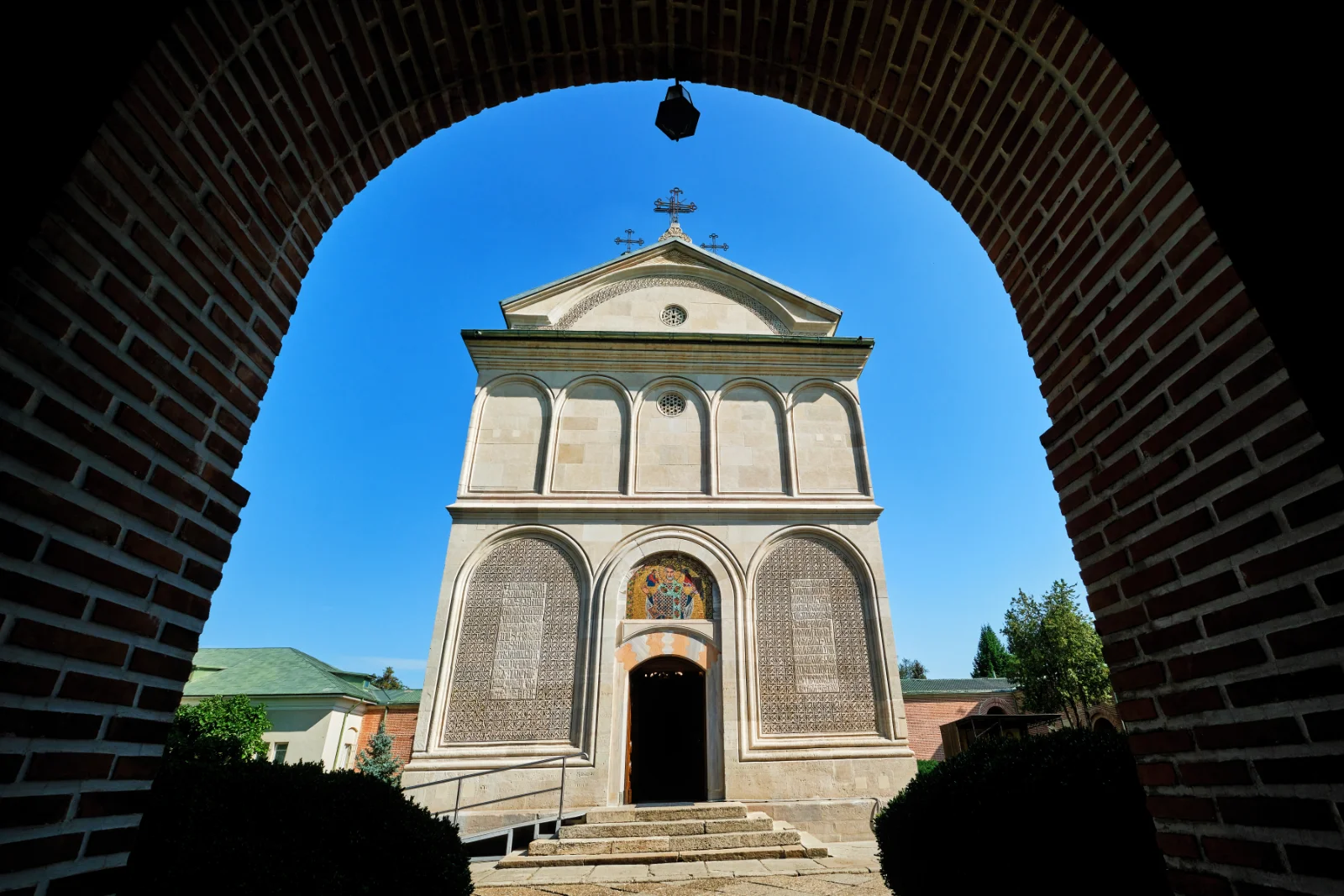
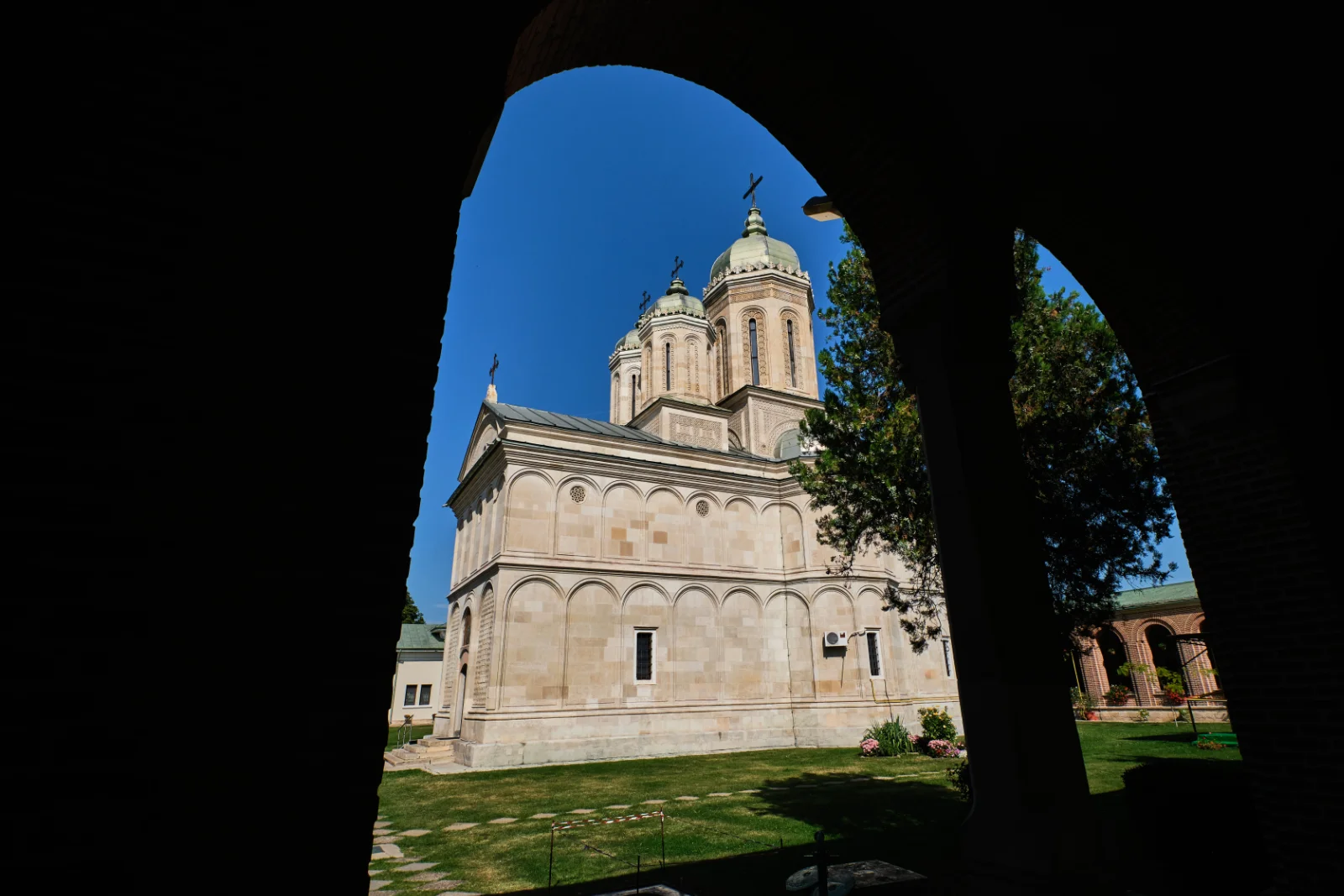
The history of this fascinating place begins as early as the 15th and 16th centuries, being a foundation of a nobleman called Stelea, the complex that visitors discover today was built starting in 1645 by the lord of Moldavia, Vasile Lupu as a sign of reconciliation with the ruler of Wallachia, Matei Basarab. The magnificent church dedicated to the Resurrection of the Lord dates from that period, the only one in the region built in the Moldavian style similar to the Three Hierarchs church in Iași, the Clopotniță Tower, the Abbess’s House, the Cellars, the Precinct Wall and several other old buildings.
Other Sights of Târgoviște
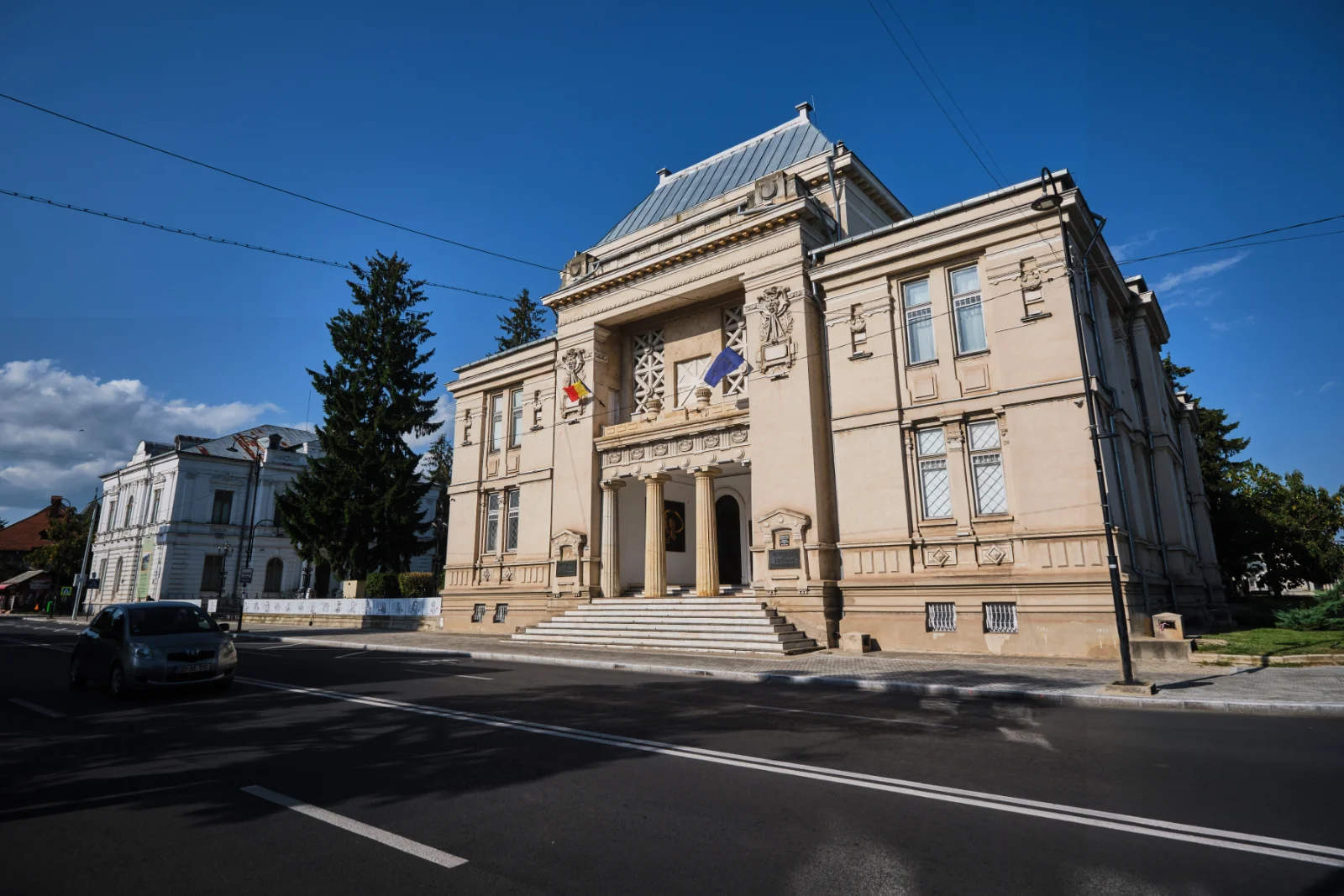
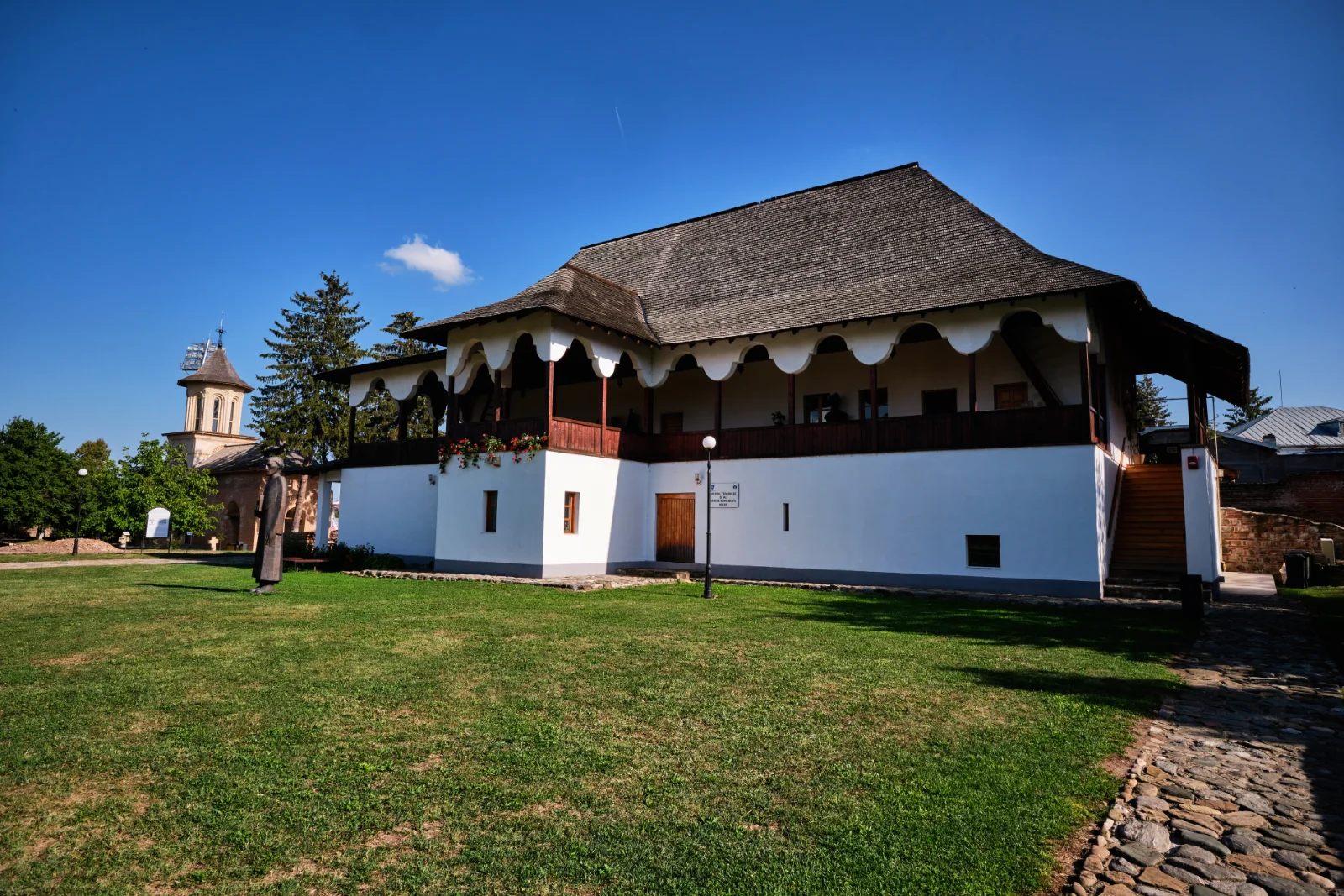
Housed in two superb buildings next to each other and located right next to the Princely Court complex, two interesting museums represent very interesting destinations in the city’s cultural landscape. The History Museum occupies the former Palace of Justice and presents the rich history of Dâmbovița county from ancient times. The Art Museum is housed in the former prefecture of the county, a building built at the end of the 19th century, with baroque influences and impressive interior decorations. The art collection, although limited in volume, includes some valuable works of religious art and temporary exhibitions. Part of the Royal Court complex in Târgoviște, the small but fascinating Romanian Printing and Old Books Museum is housed by Casa Aramă, built here on the site of a former building erected by the monks of the Dealu monastery. The museum presents the history of printing in Romanian countries from the earliest times, including very old printing presses and other objects used in this craft, but also very valuable books or manuscripts.
Inaugurated since 1972, the Gheorghe Petrașcu Workshop House, located near the Royal Court complex, presents aspects of the life and work of the renowned Romanian painter, the first artist member of the Romanian Academy. He worked and lived here in the interwar period, creating many impressive masterpieces, some of which are on display inside. Housed in a gorgeous castle-style house near the old city center, the Vasile Blendea Museum was born through a donation from the artist’s family. He somewhat followed the artistic path of Constantin Brâncusi, whose distant relative he is said to have been. The museum includes works of sculpture, painting, sketches and drawings, as well as furniture and things that belonged to the artist.
Located in the village of Mănăstire, just a few kilometers west of Târgoviște, the Cobia Monastery was founded as early as 1572, being especially appreciated for its special architectural value. Likened by some to the church from Voroneț for its splendid exterior decorations, the church of the monastery is made of glazed brick in various shades. It has a slender silhouette and four towers, somewhat similar to the church at the Curtea de Argeș monastery and specific to the mountain style. Having the patron saint “Saint Nicholas”, the Cobia monastery was painted for the first time only in 2001, and the old doors of the church are kept at the Sinaia monastery museum.
Located in the village of the same name, approximately 7 kilometers from Târgoviște, the Viforâta Monastery is one of the oldest in the country, having been originally built since 1530, being completely rebuilt by Matei Basarab a century later and repaired by Constantin Brâncoveanu and others over time. Earthquakes have affected the church several times, with few parts of the original painting surviving, while the pediment is considered a true work of art, having been made by the sculptor Karl Stork. The Viforâta monastery is the only one in the country that has three founders, three patrons and two abbesses, also having a small museum with objects of religious worship, old books and very valuable icons.
Accommodation in Târgoviște
While not having as many accommodation choices as other big cities, there are still a few hotels and guesthouses in Târgoviște, as well as many private apartments available in the city!
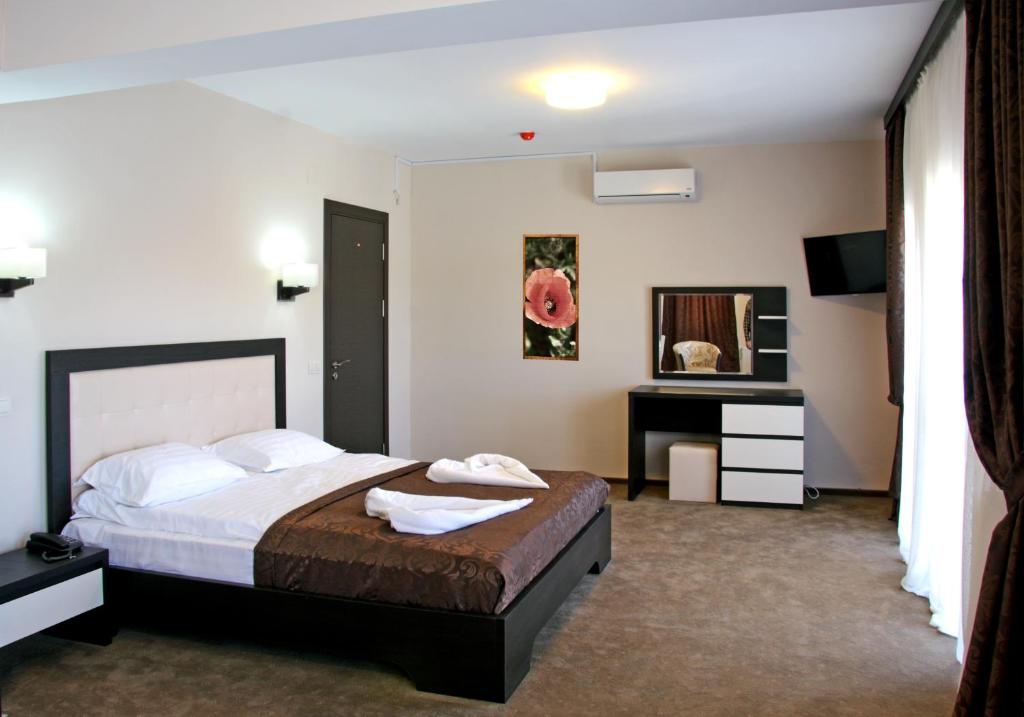
Rating 8.1 from 698 Reviews
Located a 15-minute walk from the historic Princely Court complex, the hotel offers accommodation in welcoming rooms and apartments, with an acclaimed restaurant and an indoor swimming pool!
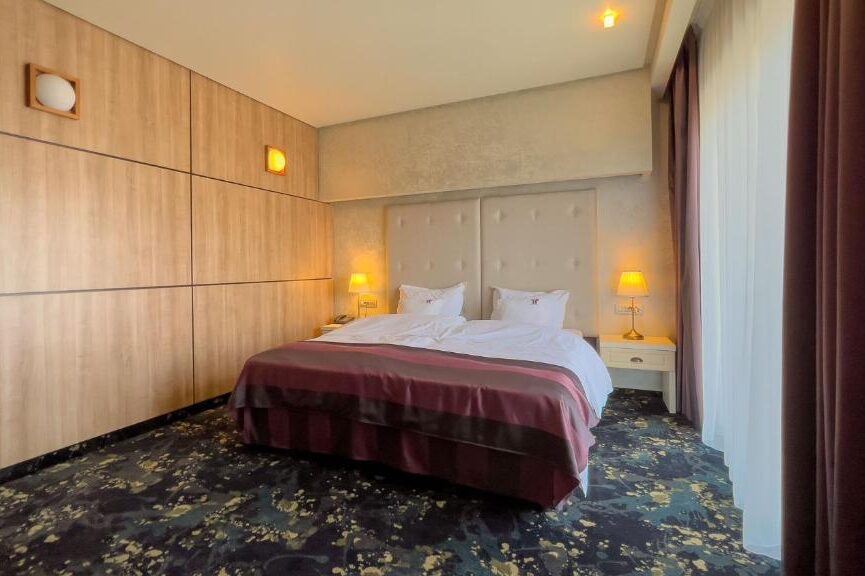
9.1 Rating from 467 Reviews!
Located a few minutes from the old center of Târgoviște, the highly acclaimed hotel offers spacious rooms with elegant decor and two quality restaurants!
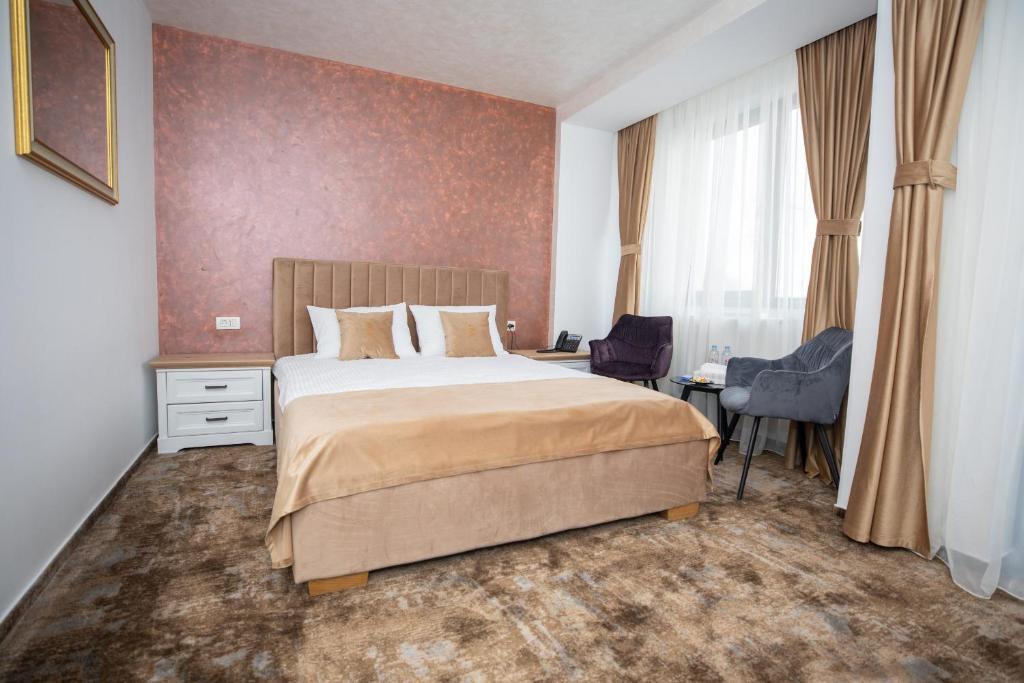
8.6 Rating from 193 Reviews!
Situată la doar 2 kilometri de centrul municipiului Târgoviște, acest hotel oferă servicii de calitate și cazare în camere primitoare cu toate dotările, dar și un restaurant și piscină exterioară!