Bucharest
Victory Avenue
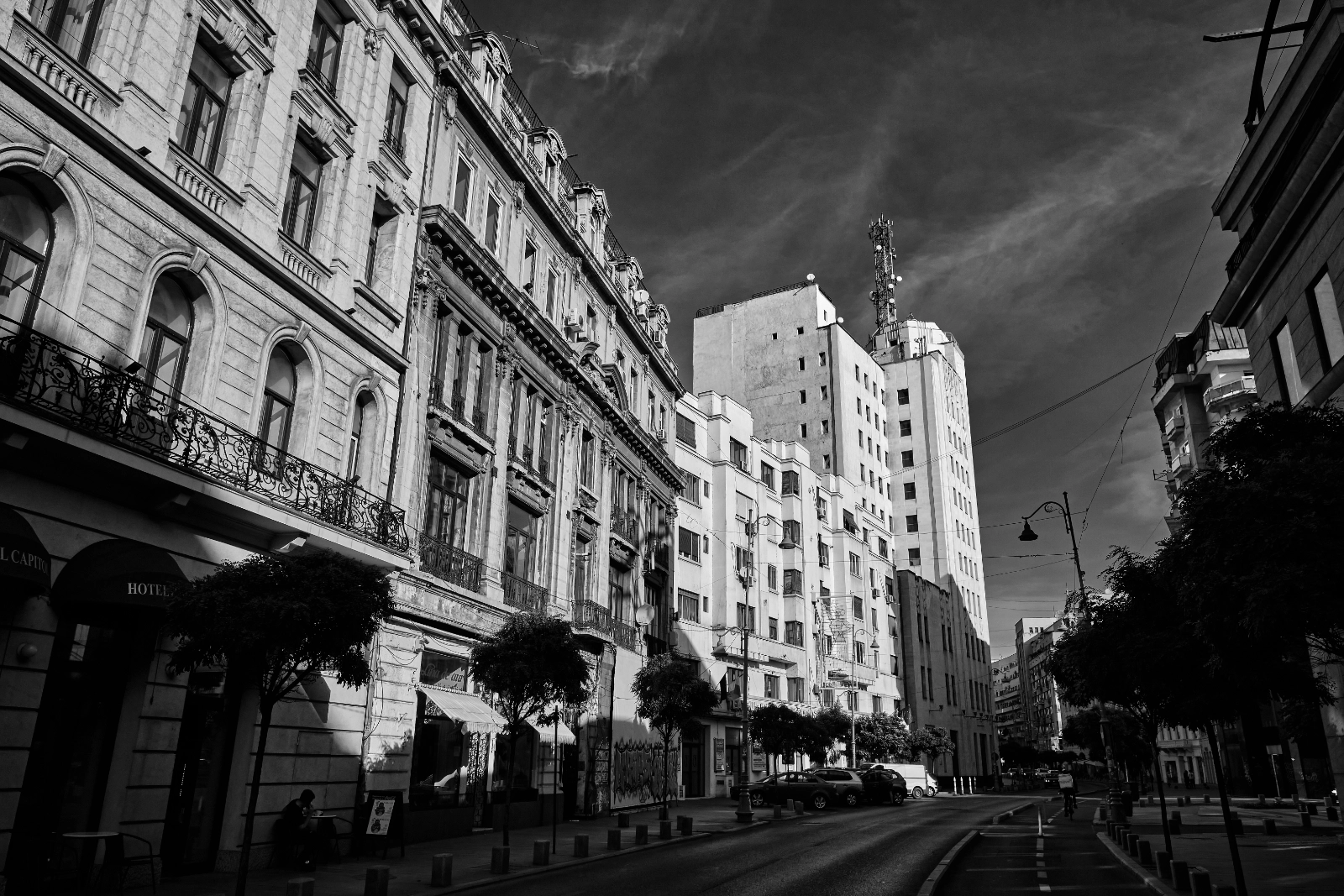
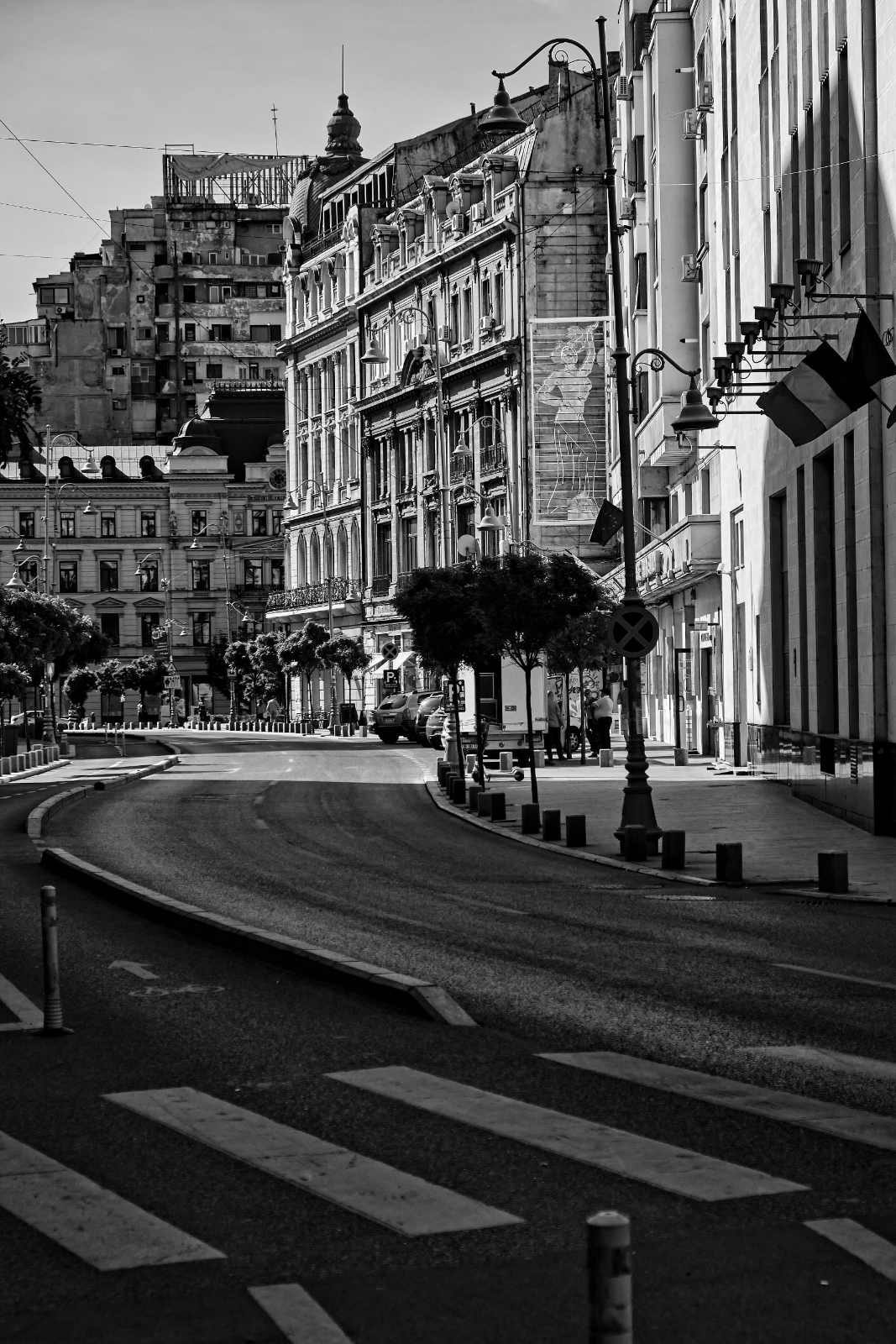
A stroll along this charming street reveals the essence of the city’s soul, through the perfect fusion of past and present, sometimes with astonishing effects. Every step reveals new treasures and secrets, a surprising combination of fast cars and tourist buses, luxurious shop windows and shabby facades, but also an endless string of remarkable monuments and captivating museums!
Calea Victoriei is considered by many to be the most beautiful and elegant street in the city, a perfect blend of old and new, past and present, sometimes with surprising effects. Flanked by important museums, sumptuous palaces, pretentious hotels, and chic cafes, Calea Victoriei keeps us constantly enchanted with each new discovery. It runs through the western part of Bucharest’s historic center, from the Dâmbovița River in the south (Piața Națiunile Unite) to Piața Victoriei in the north, with a total length of over 2 kilometers. It can be easily explored on foot, as it is closed to traffic on some summer weekends. There are several public transport stations along and near it, including the metro station in Victoriei Square.
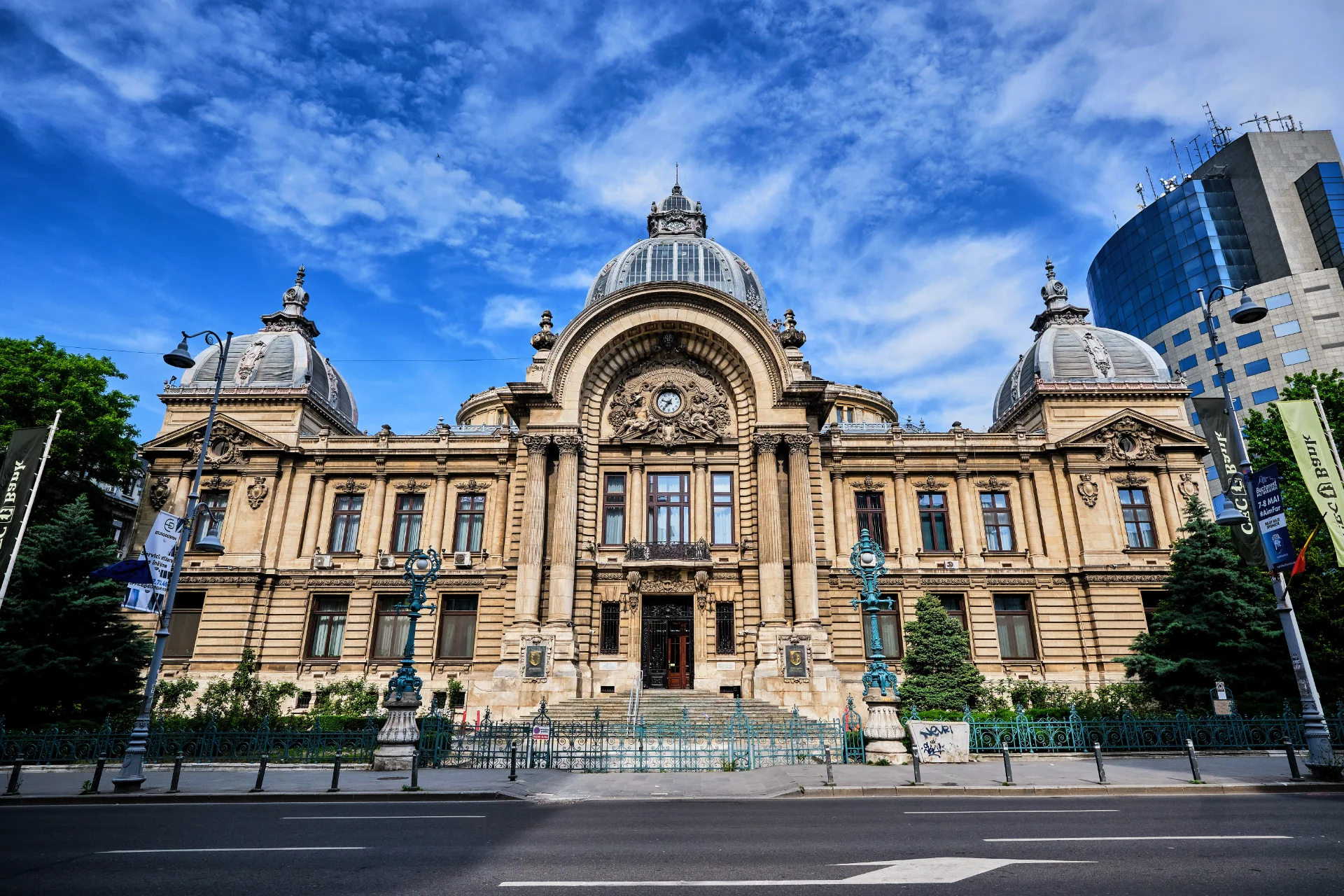
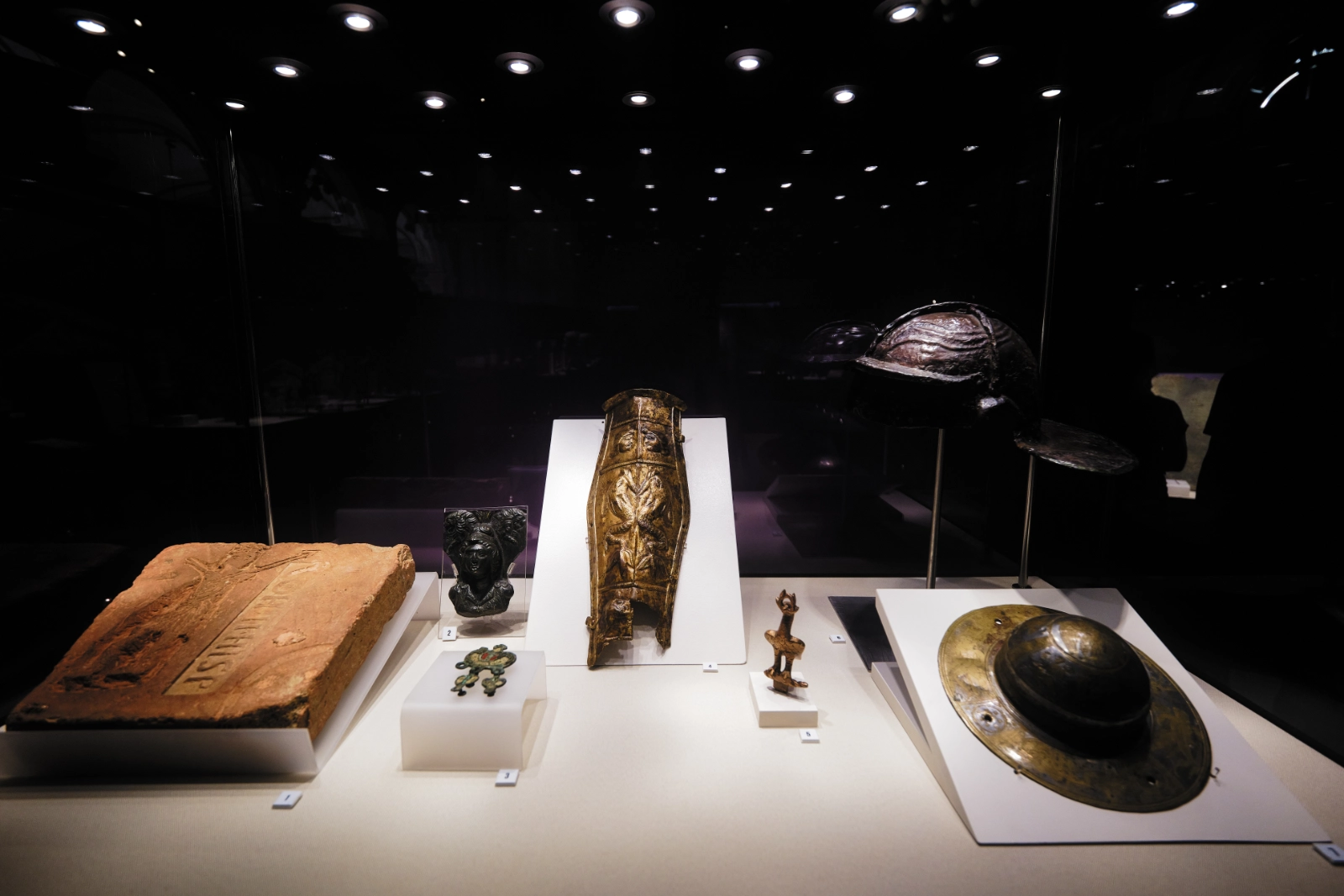
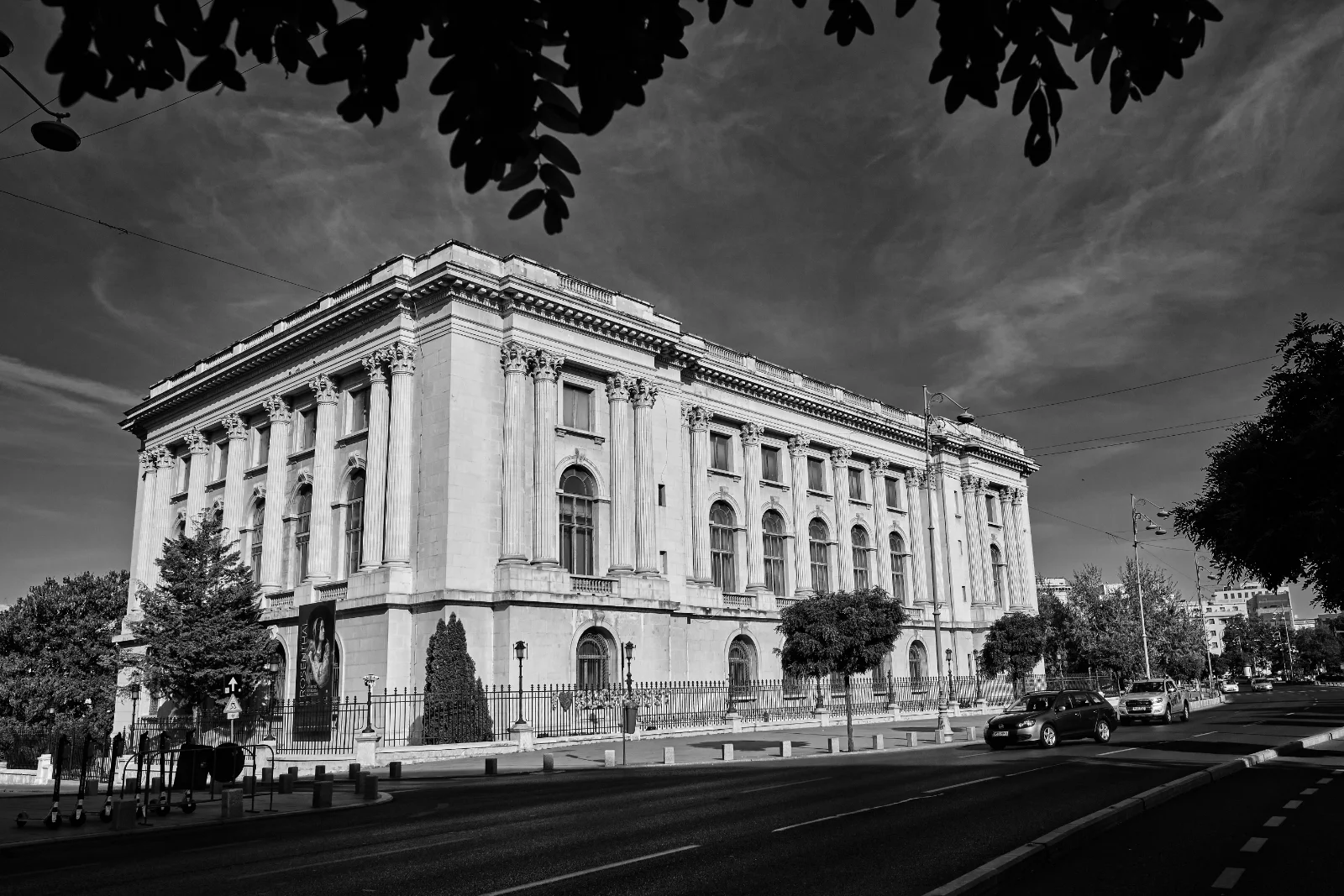
Starting from the south, we first find ourselves between the fanciful façade of the CEC Palace and the classic façade of the history museum, with its huge Doric columns. Housed in the building known as the Post Office Palace, dating from 1890, the National History Museum was established here in 1970, and inside we discover an impressive collection that includes the most important archaeological discoveries and historical objects in the country. Until 1990, the museum and its exhibitions were heavily influenced by the communist regime, but they were completely reorganized after the Revolution to illustrate the historical truths of Romania’s past. Unfortunately, the museum is undergoing a long and complicated process that begun 20 years ago.
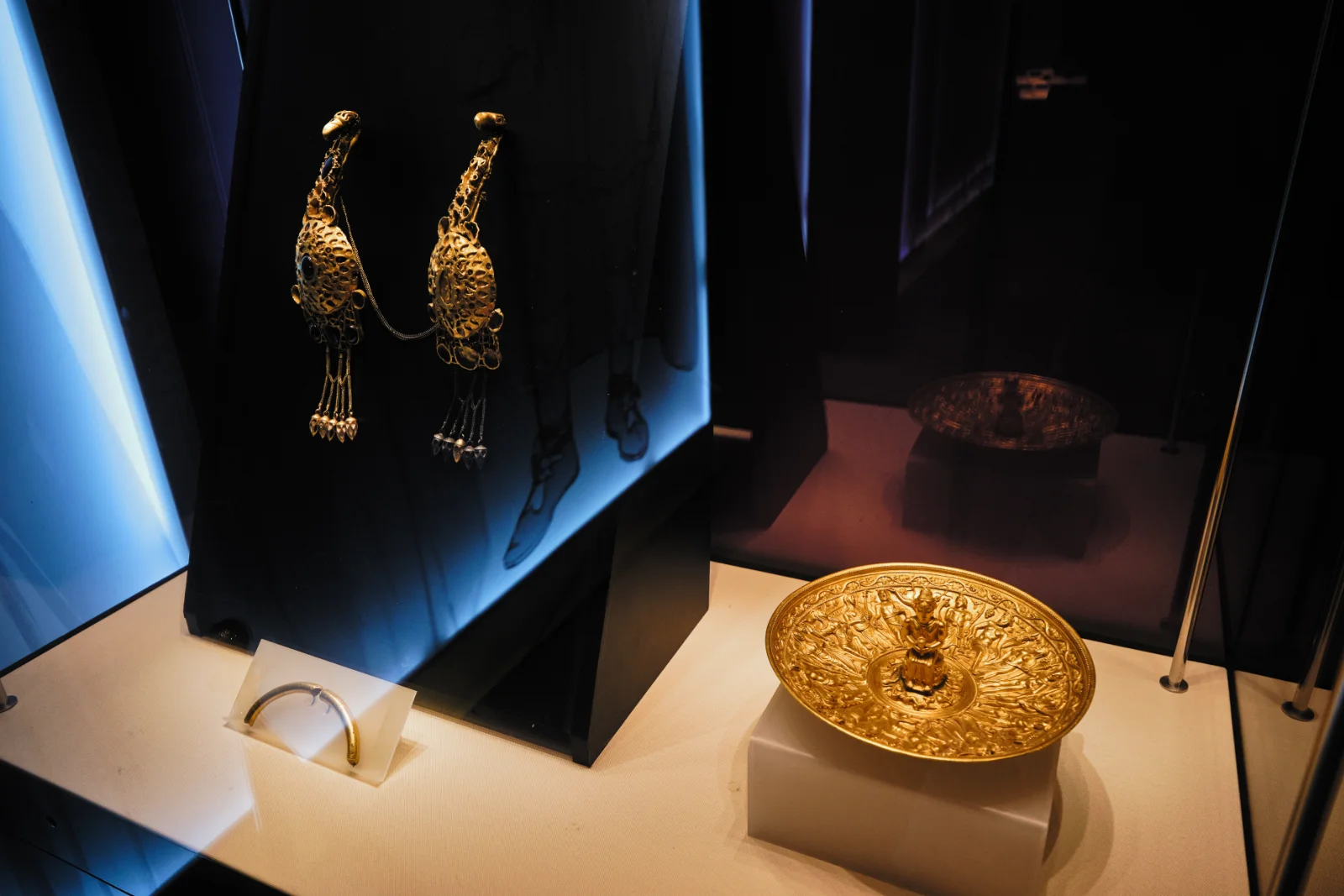
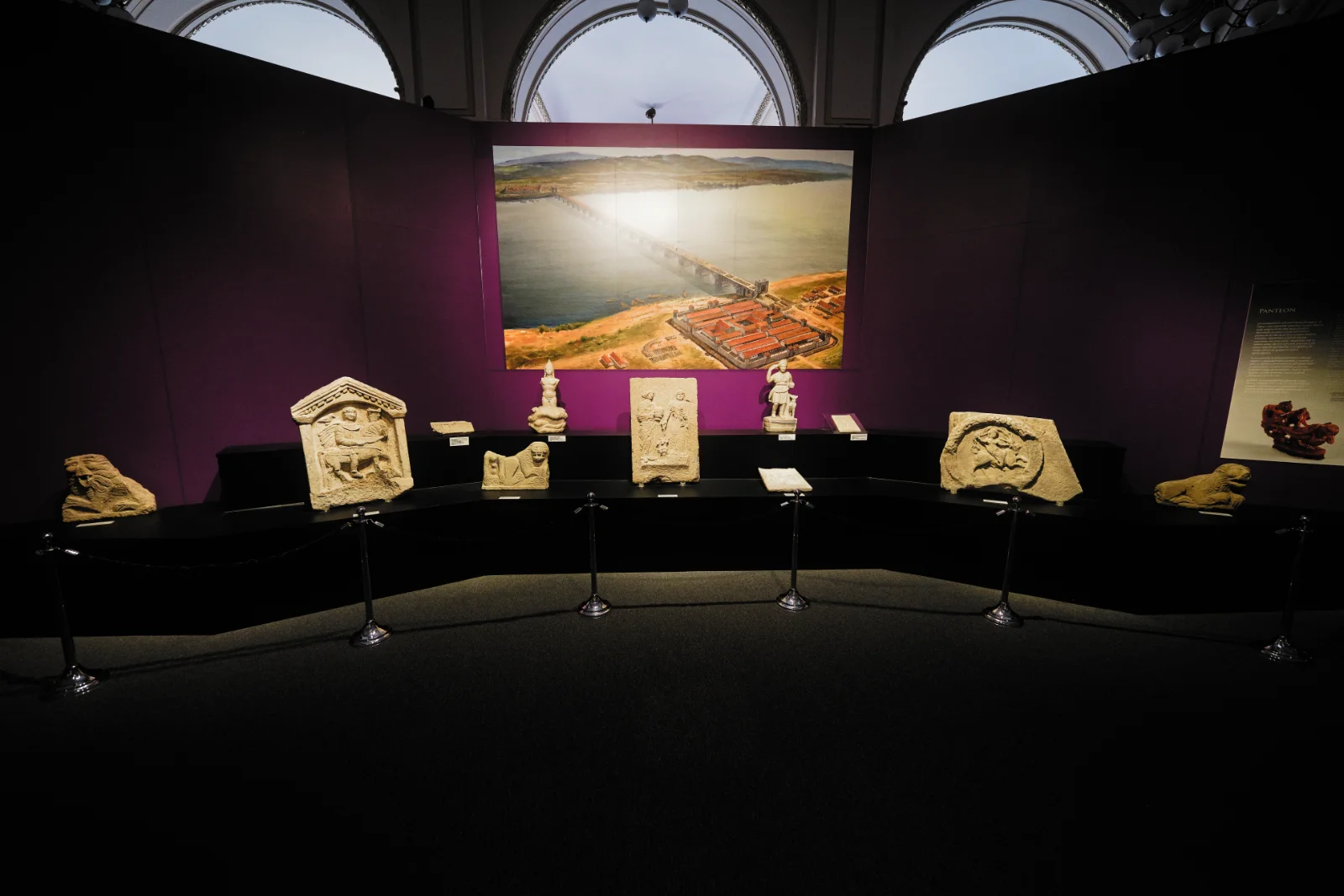
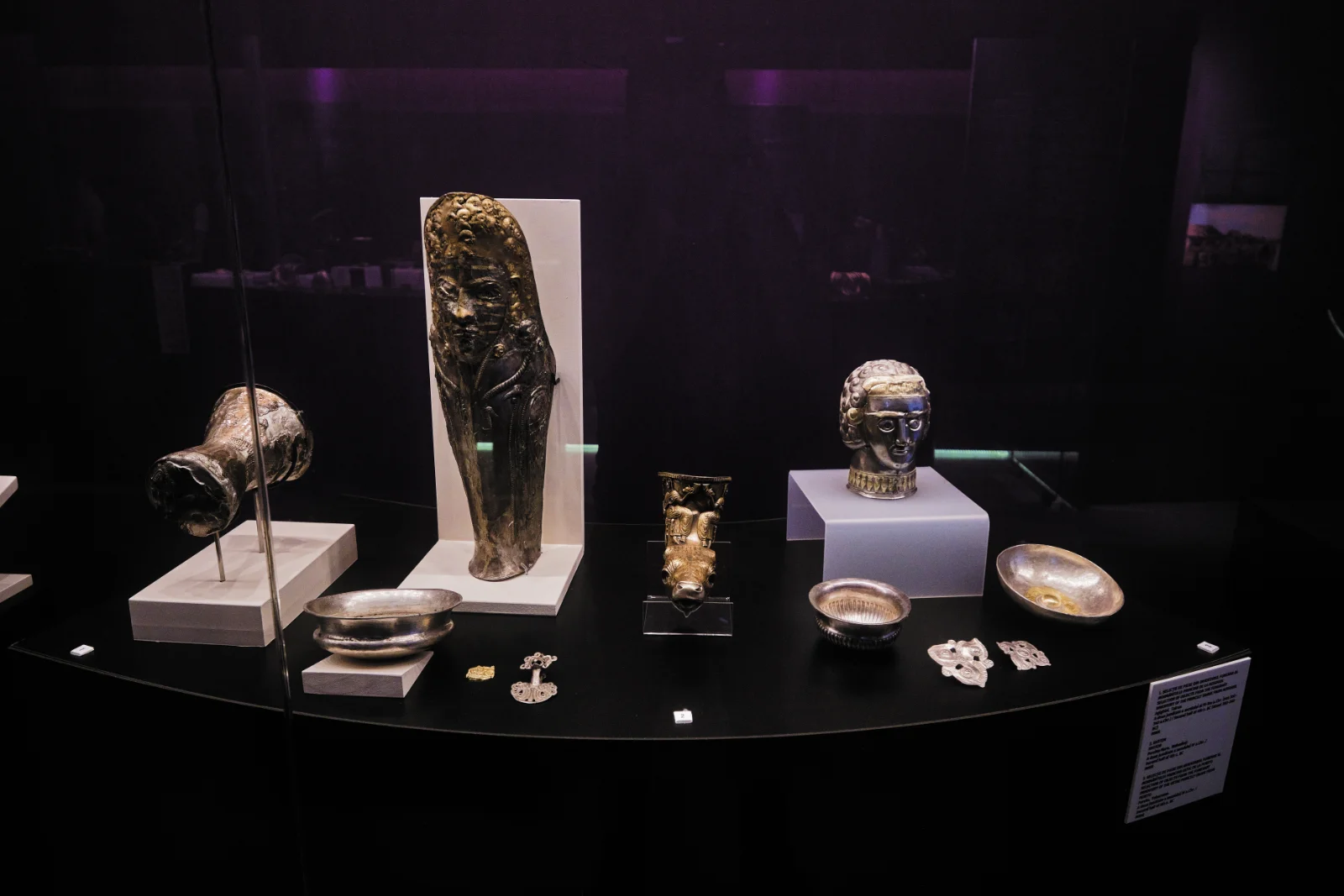
However, we can get an idea of the number and value of the treasures that may lie locked away in boxes, waiting for the day when they can be brought back into the light. A small part of the permanent collection is on display in several rooms and comprises less than a quarter of the museum’s total heritage. The most important pieces are displayed in the Historical Treasury, with approximately 3,000 incredible exhibits, including jewelry, religious objects, royal crowns, and other treasures, many of which are unique. In another room, we can visit the Lapidarium collection, with over 150 exhibits of ancient and medieval art and architecture. At the center of these, we discover the fascinating replica of Trajan’s Column in Rome, created by Vatican craftsmen. In addition, the National History Museum also hosts many temporary exhibitions with interesting themes.
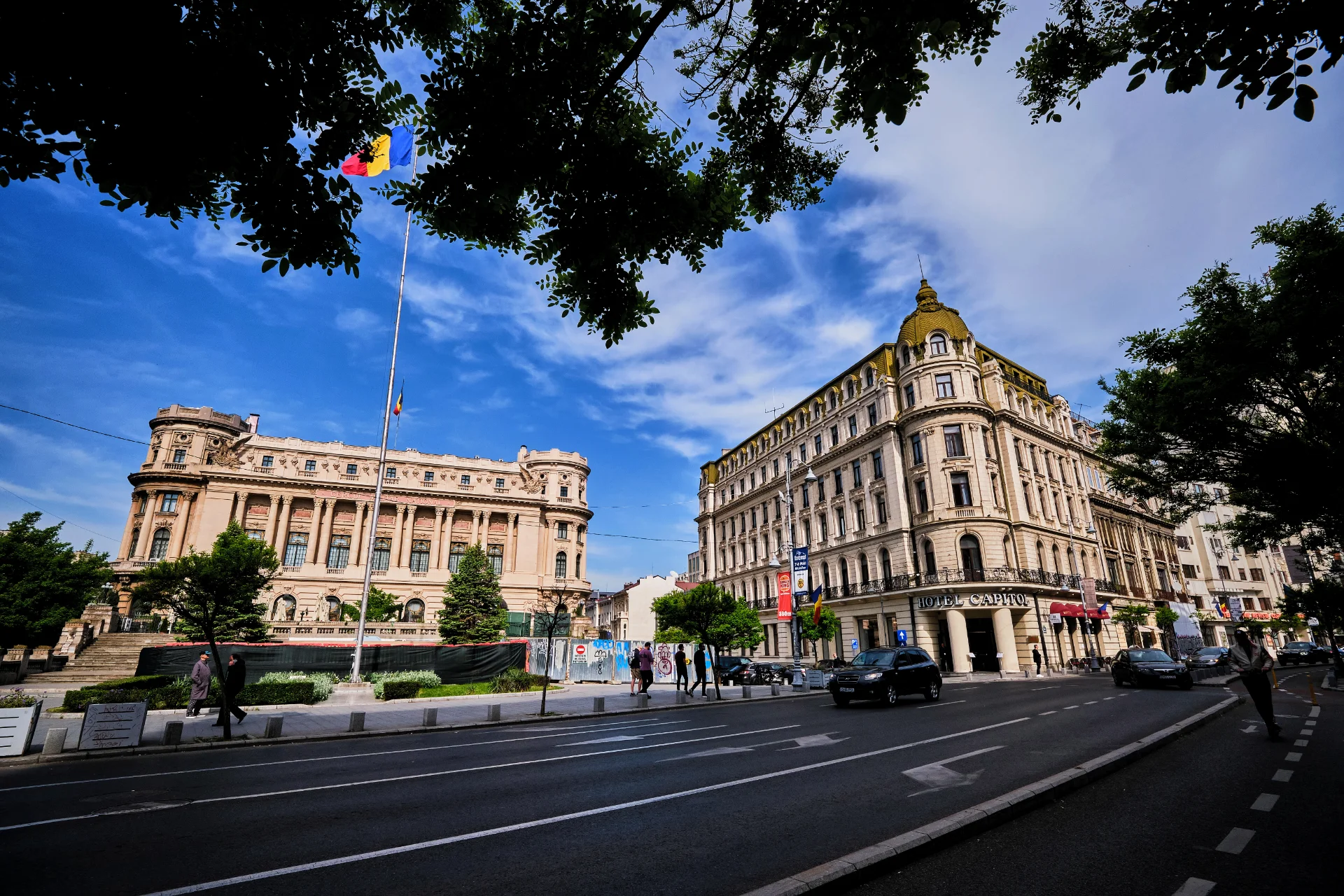
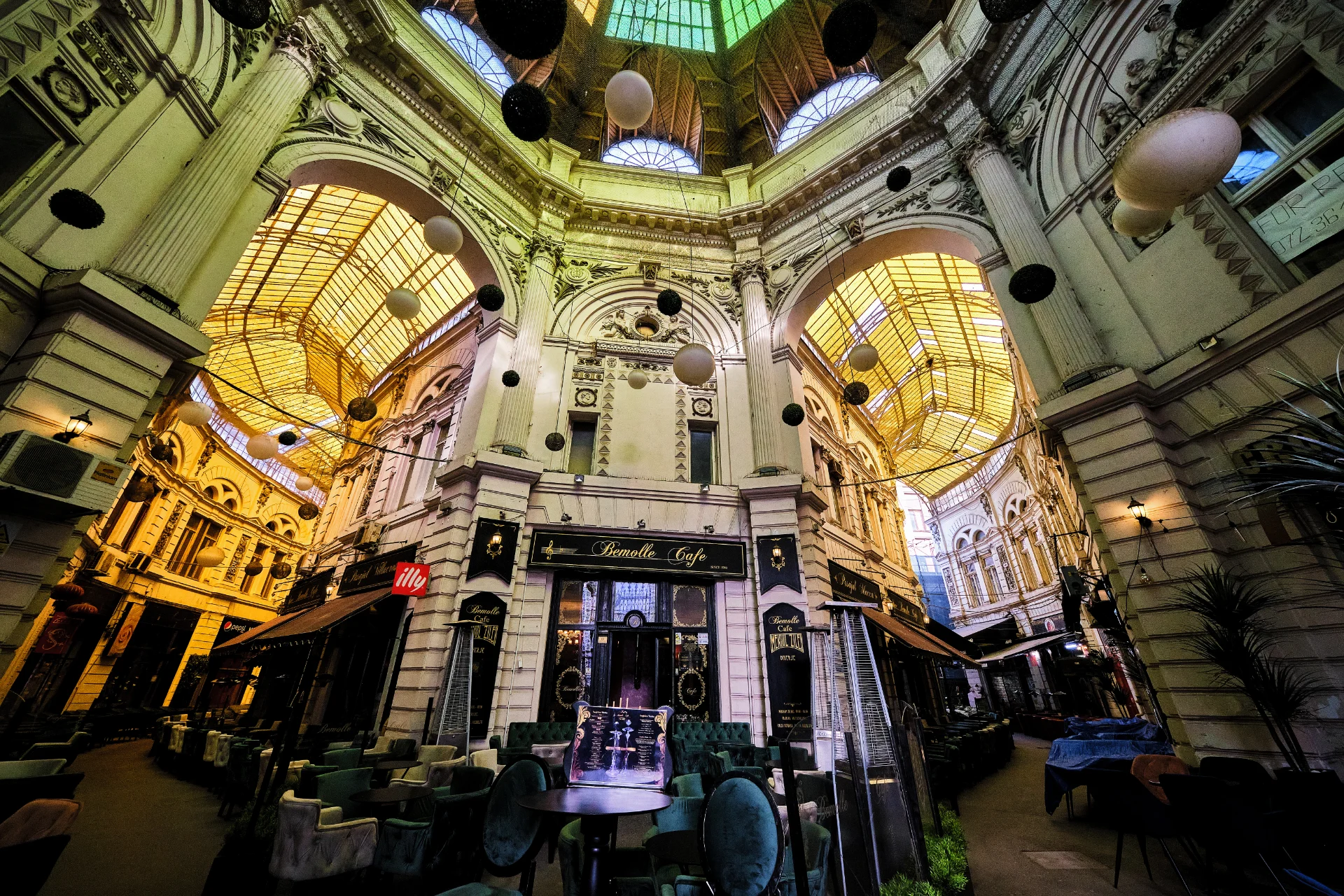
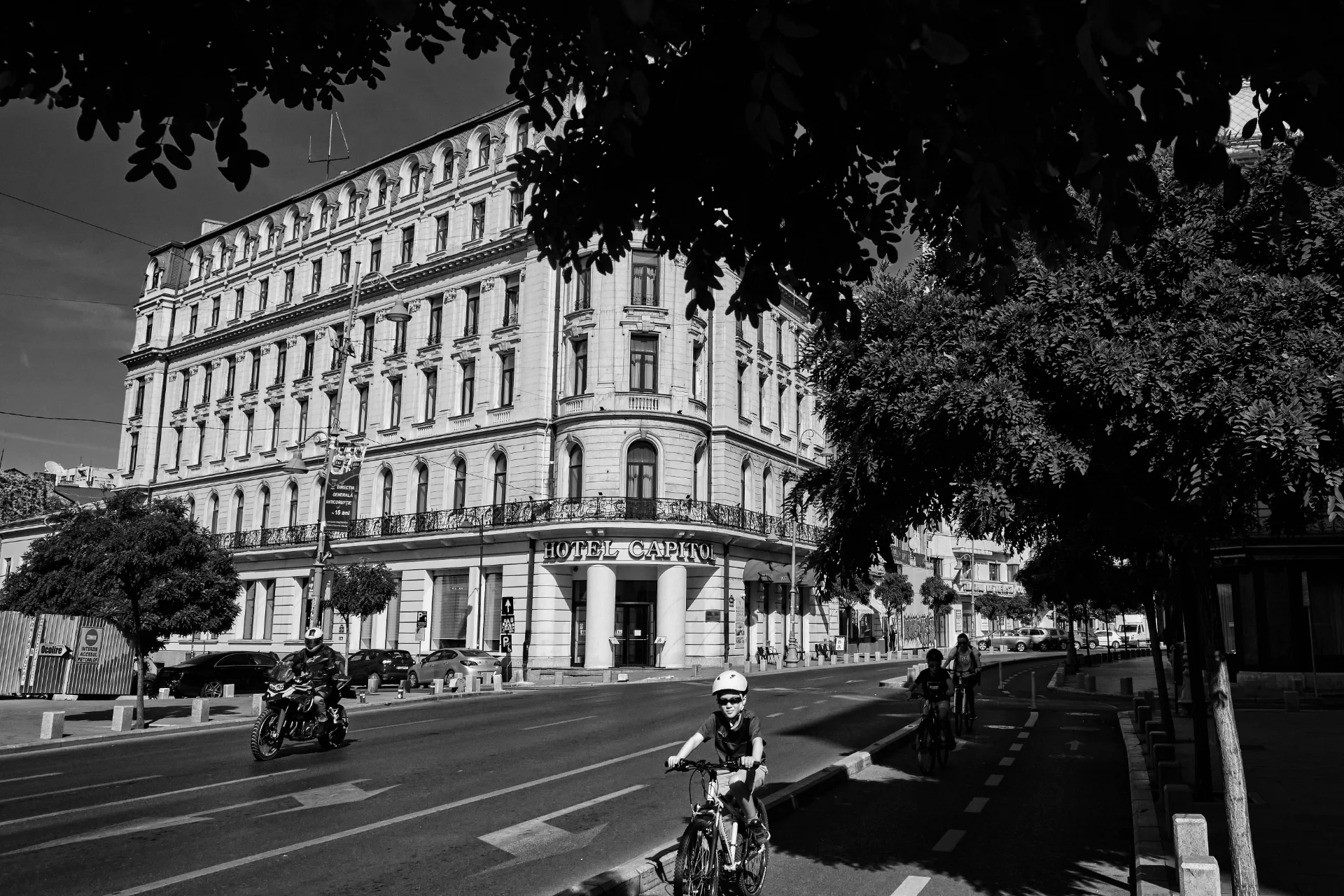
Hidden from the gaze of passers-by, the Macca-Villacrosse Passage welcomes us with its mysterious atmosphere, enveloped in a diffuse light that transports us to another world. An architectural marvel occupied by cafés and shops, the passage is covered by glass domes and was once part of an old inn, opened in 1891 and later purchased by the municipality. Before the intersection with Regina Elisabeta Boulevard, we are also delighted by the buildings of the Nifon Palace and the Grand Hotel du Boulevard, while crossing over, we arrive in front of the National Military Circle, an interesting building constructed starting in 1911, with exhibition spaces inside. Nearby, we are greeted by two other historic buildings representative of the capital, the Capitol Hotel and Casa Capșa.
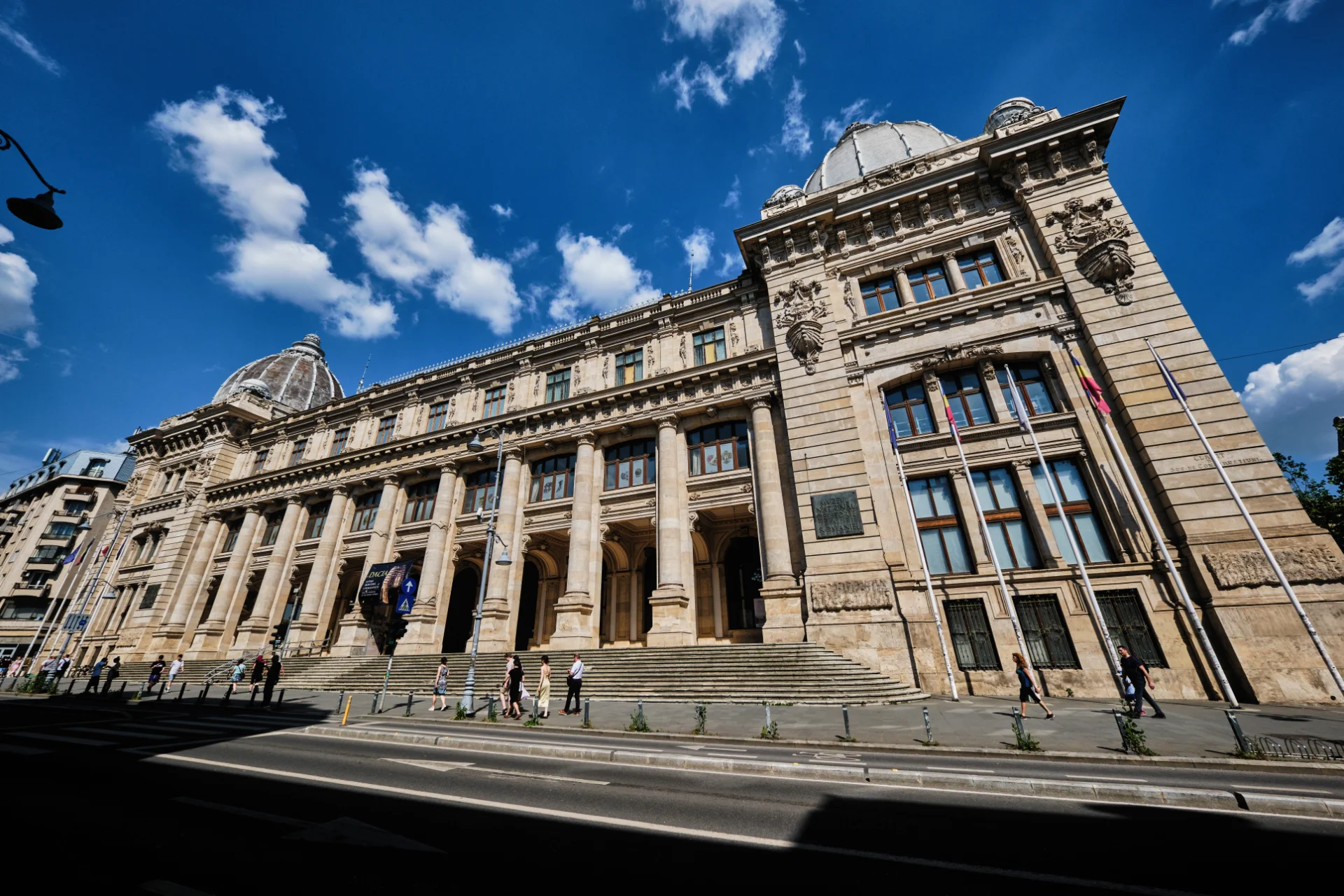
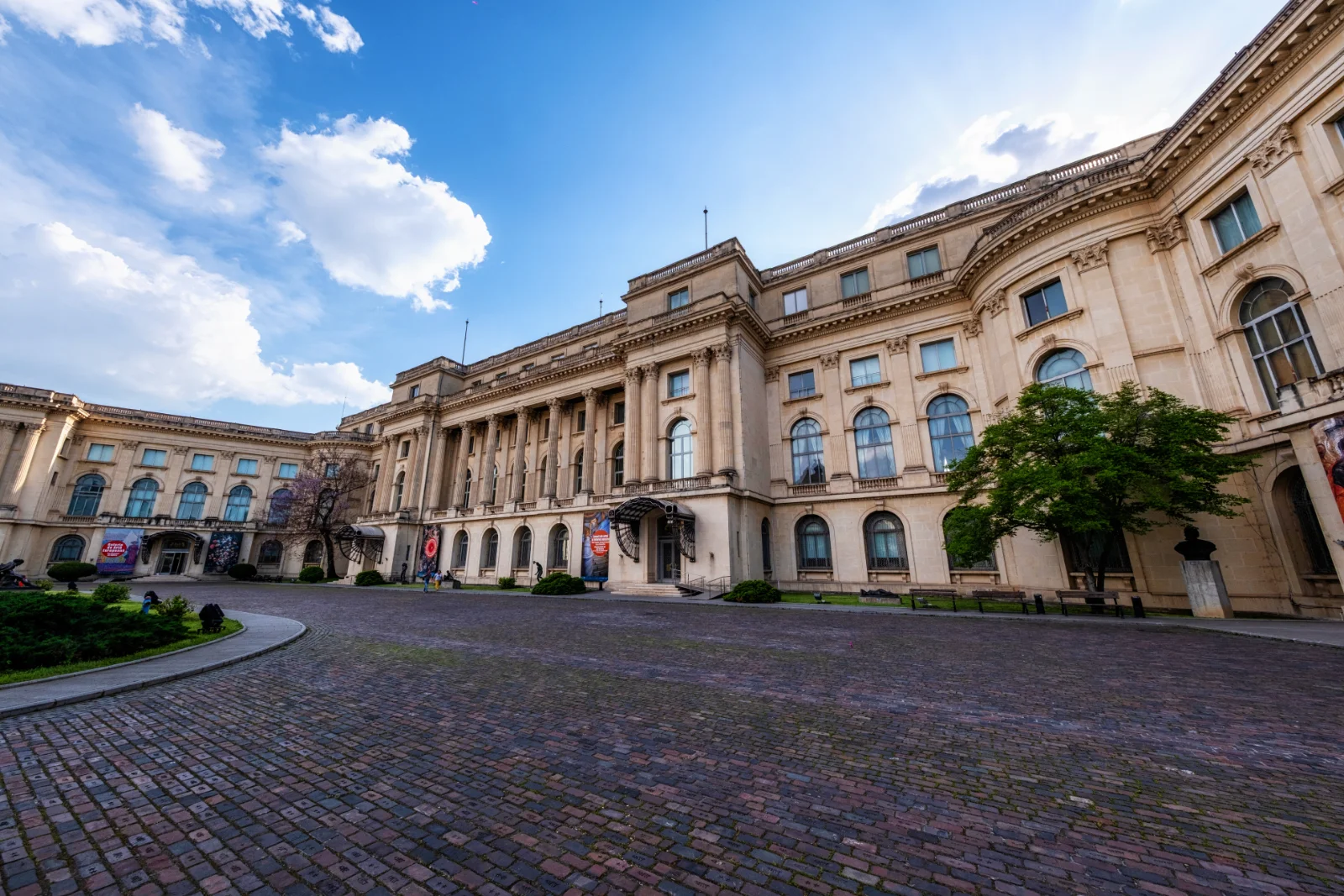
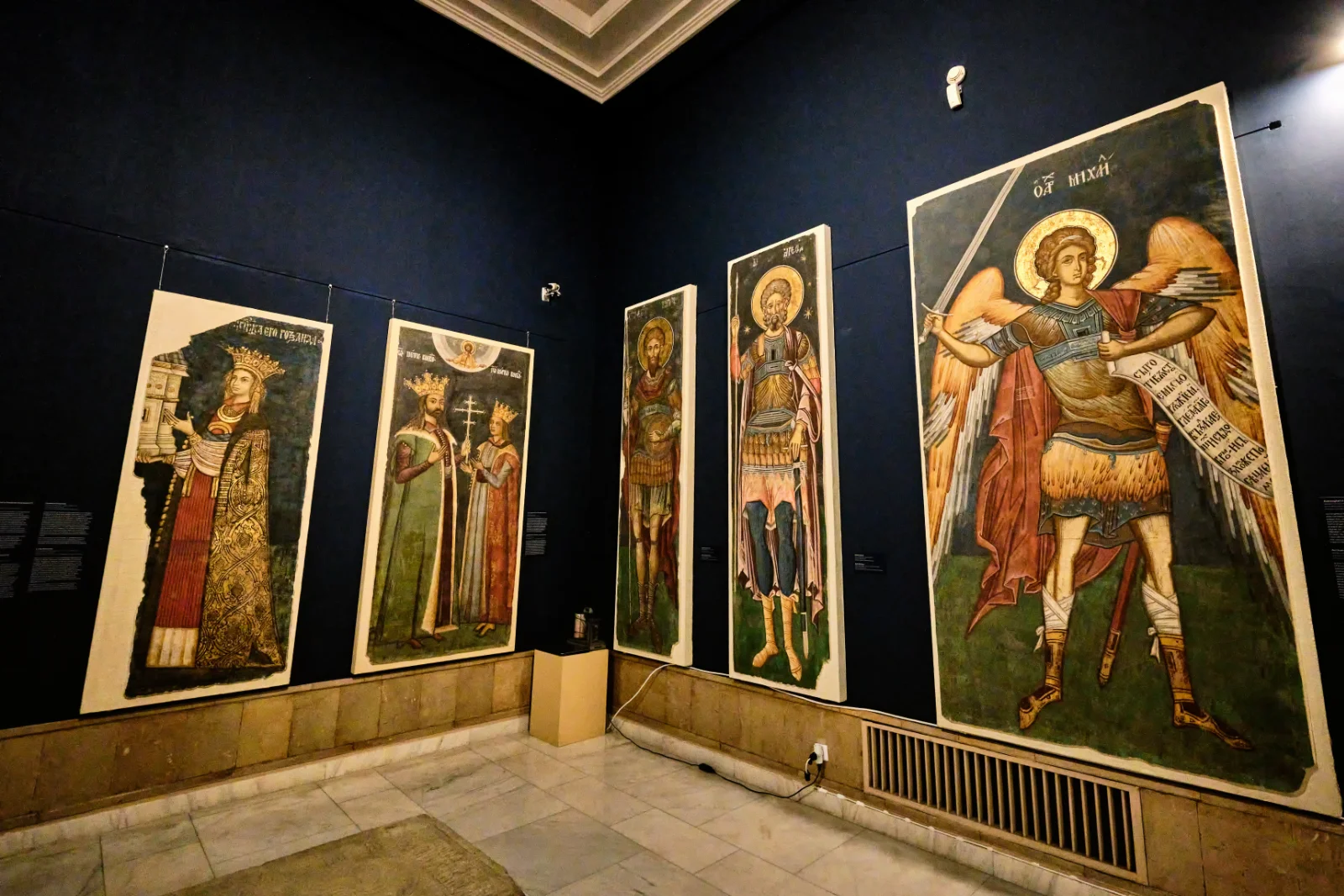
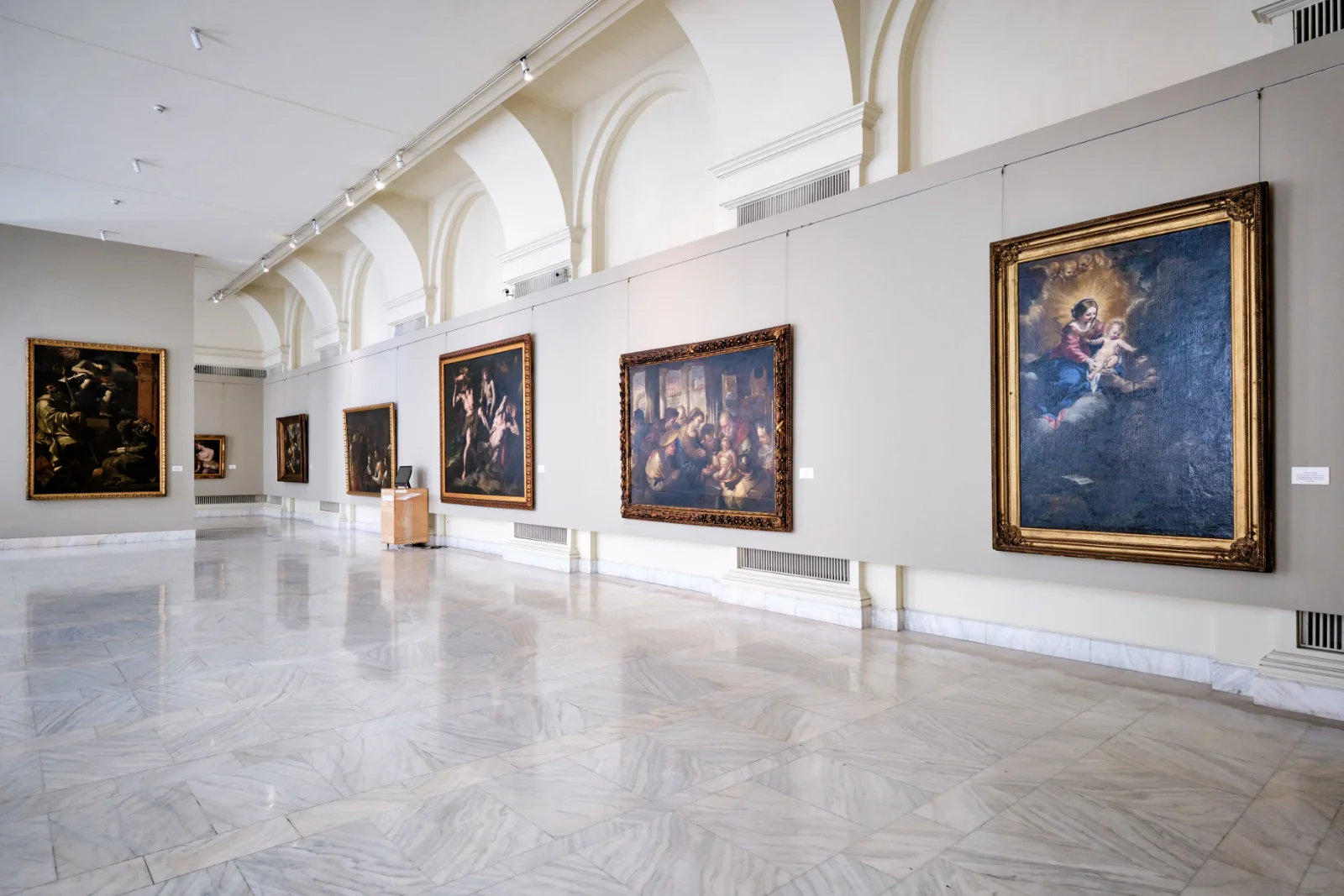
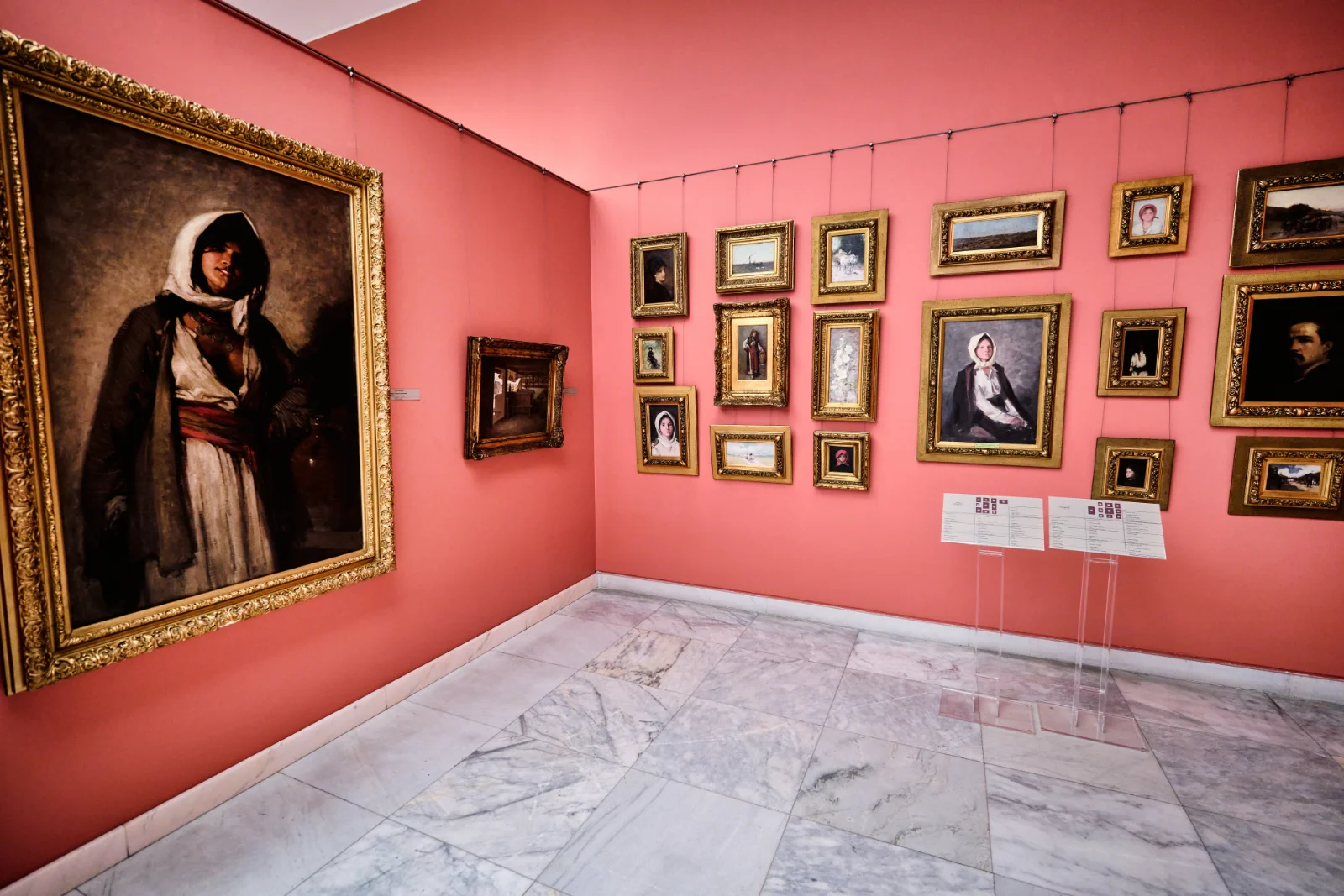
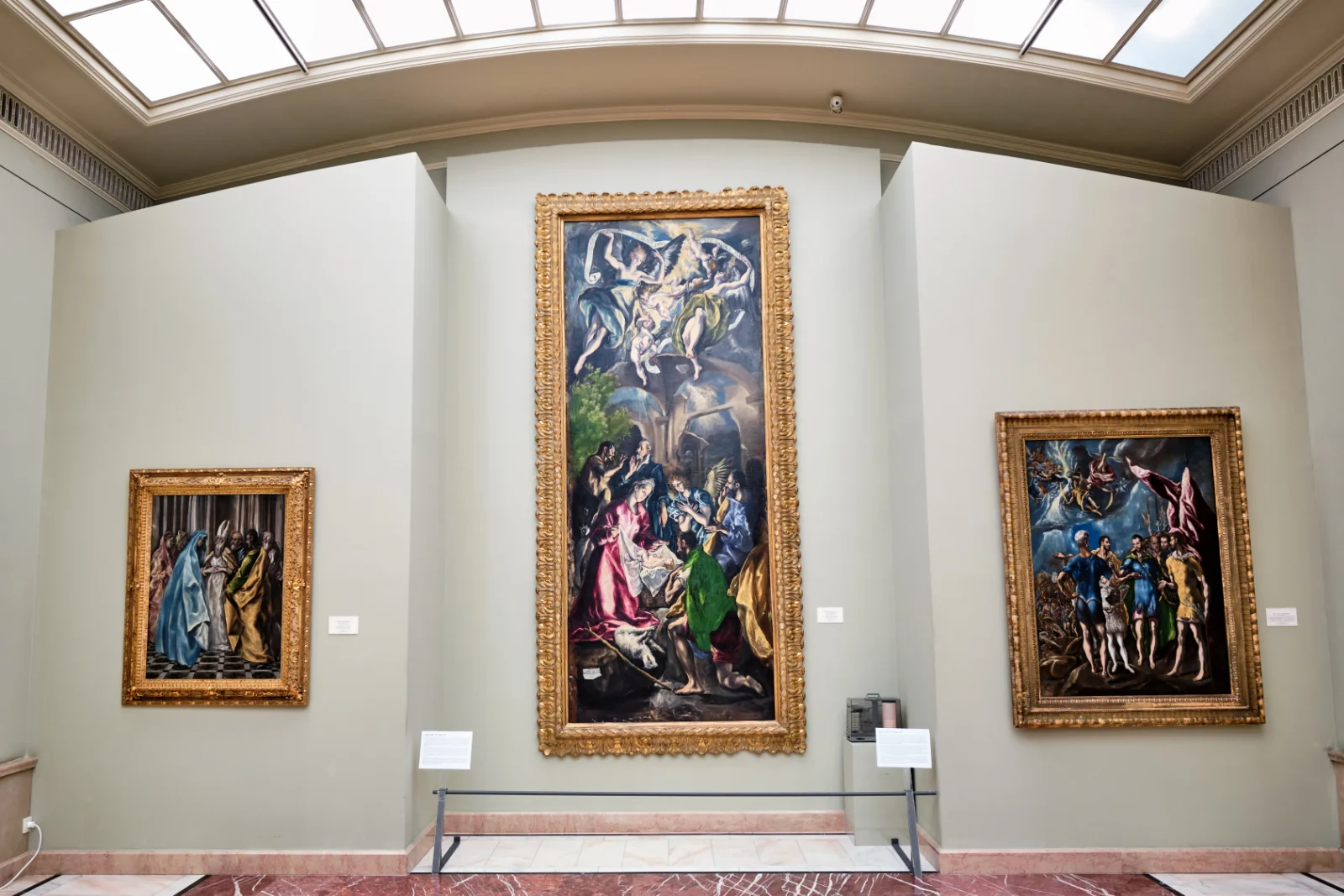
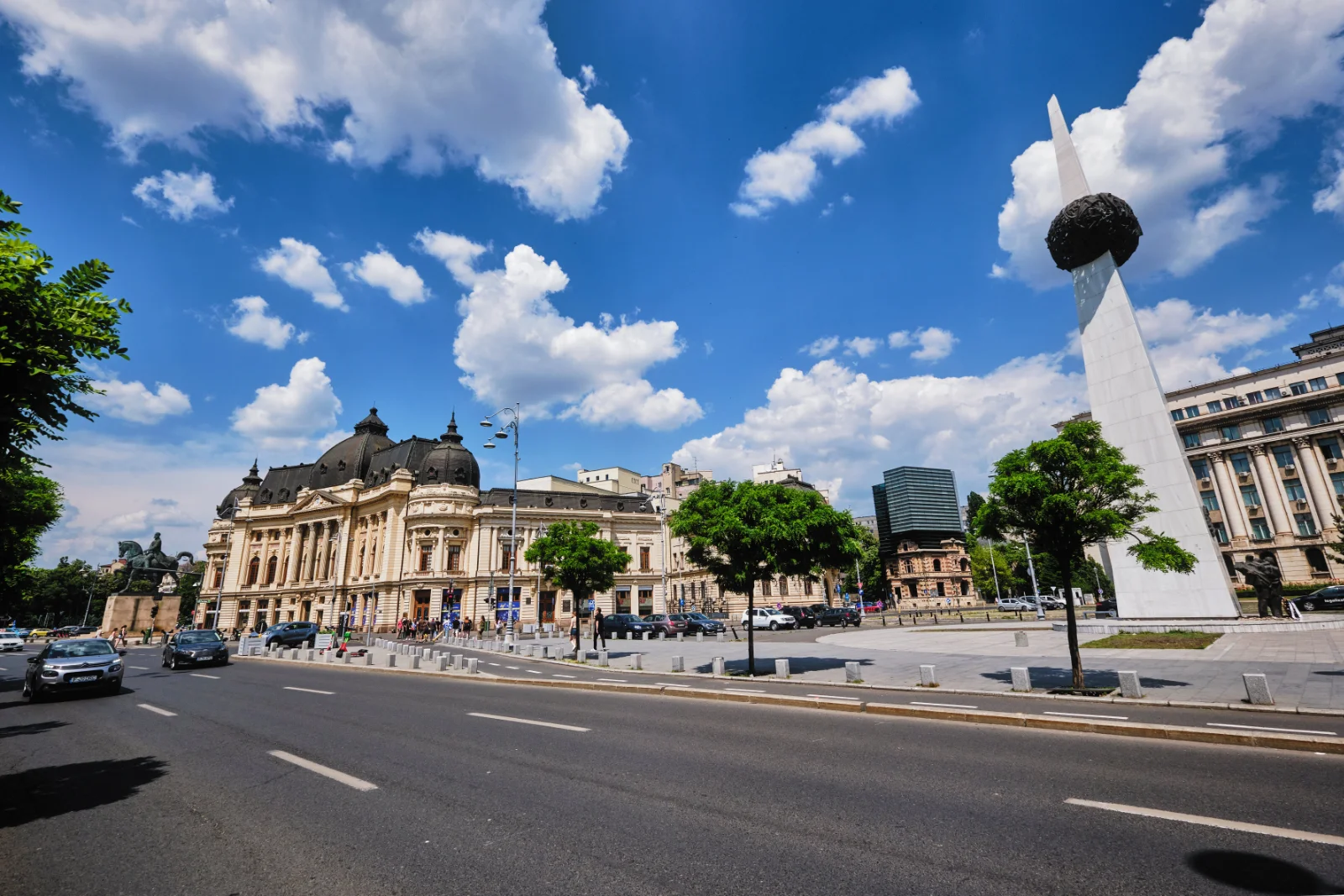
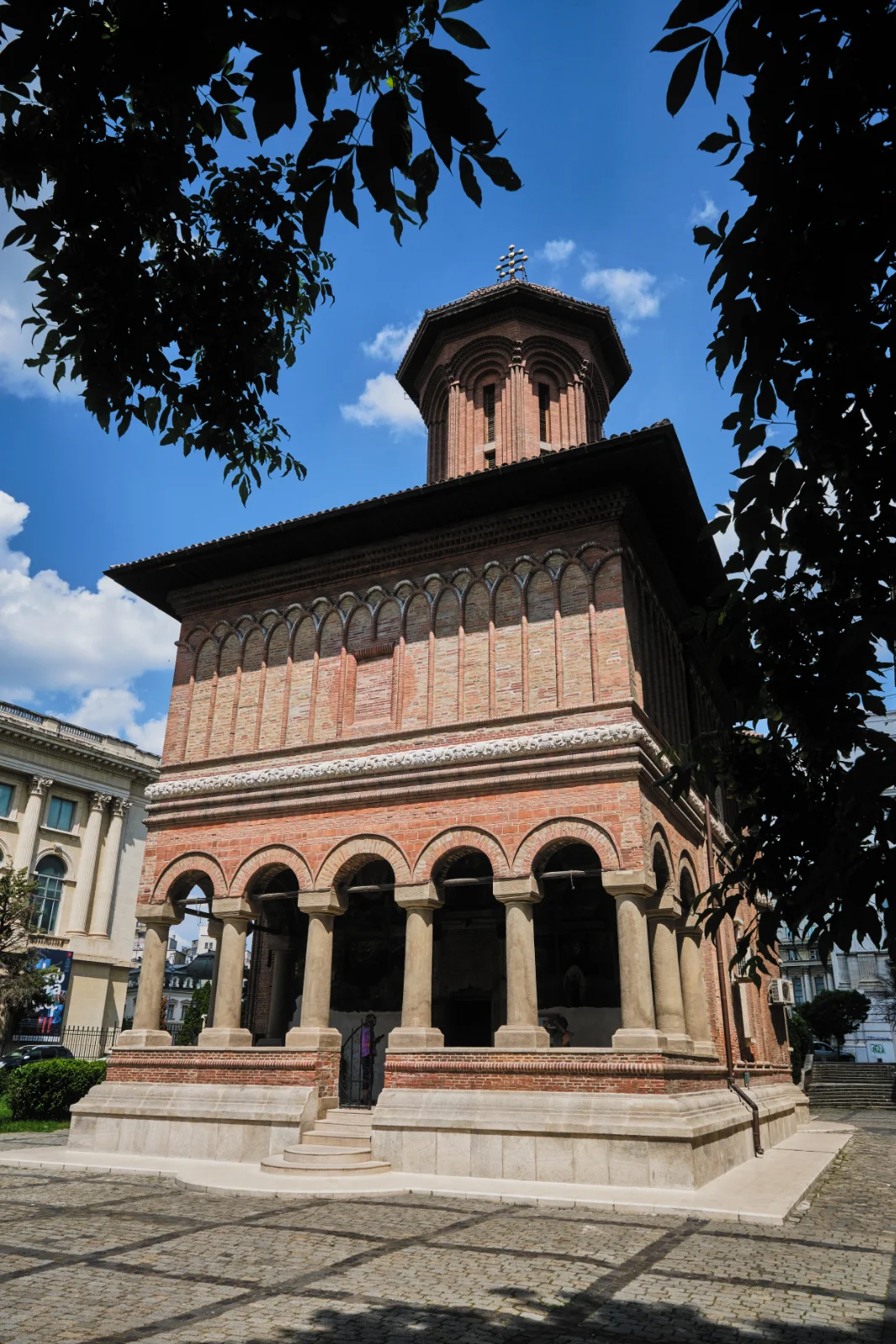
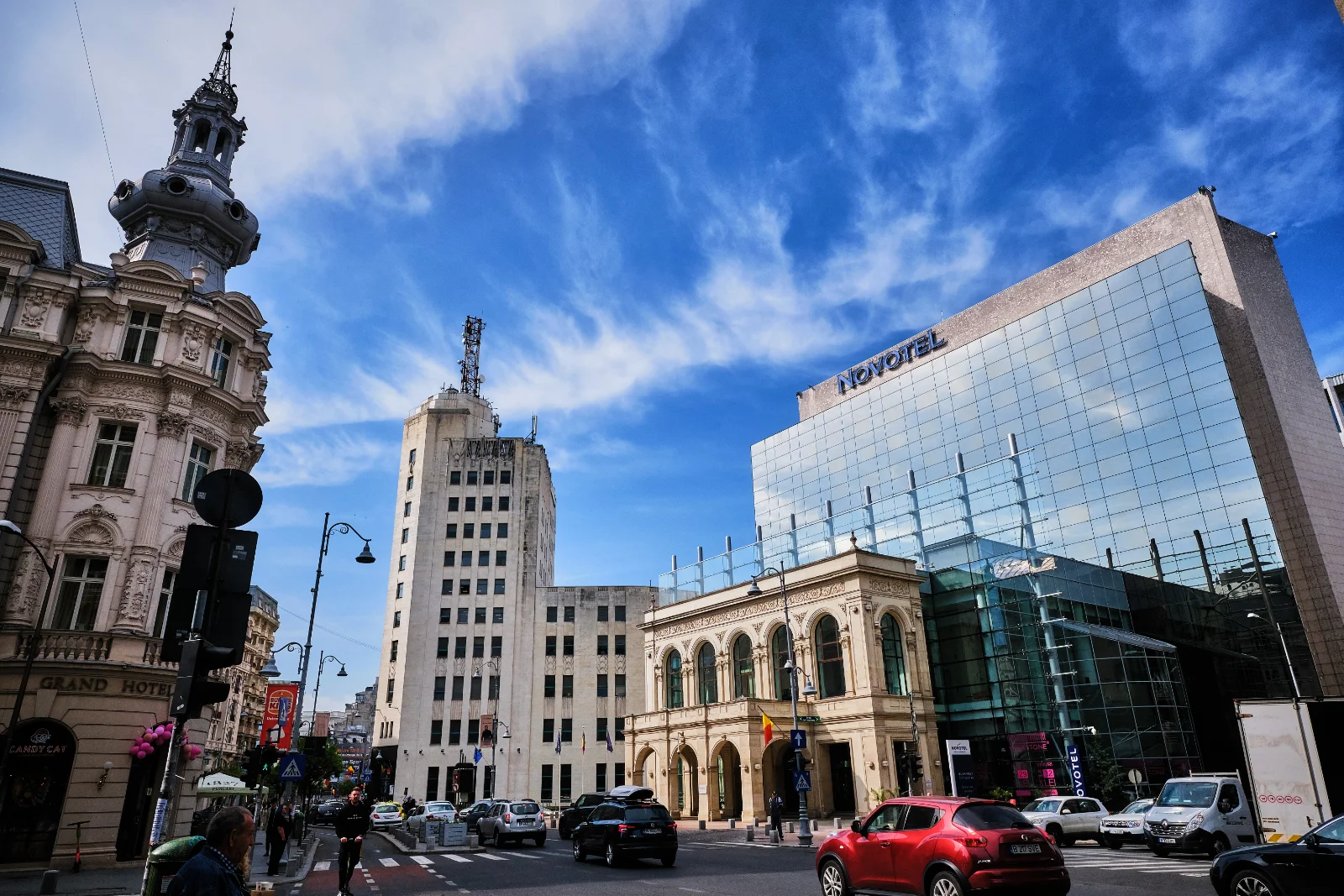
Passing by the Odeon Theater building, which dates back to 1911, in front of the Telephone Palace and several modern hotels, we finally enter Revolution Square, the central location of the events of 1989, commemorated by the Monument of Rebirth in the middle of the square. First, we admire the reddish silhouette of the Kretzulescu Church, dating from the early 18th century. The left side of the street is dominated by the superb building of the National Museum of Art, opened in 1948 inside the Royal Palace, which housed the Romanian monarchy until World War II. The most important art museum in Romania contains an impressive heritage of works of art collected over the years, starting in 1948. We thus have the opportunity to admire some of the more than 70,000 works exhibited in the two main collections, Romanian art and European art.
The Romanian Gallery is also divided into ancient art (14th century – mid-19th century), which includes icons, frescoes, manuscripts, jewelry, ceramics, and sculptures, and modern art (mid-19th century – 1970), with paintings and sculptures by Romanian masters such as Theodor Aman, Nicolae Grigorescu, Ștefan Luchian, Nicolae Tonitza, Constantin Brâncuși, and others. The European Art Gallery is the largest of its kind in the country, including masterpieces by Rembrandt, El Greco, Rubens, Tintoretto, Monet, Rodin, and many others. The museum also houses a collection of Islamic art and a virtual art gallery. There are also several museums belonging to this prestigious institution, located in other parts of the city.
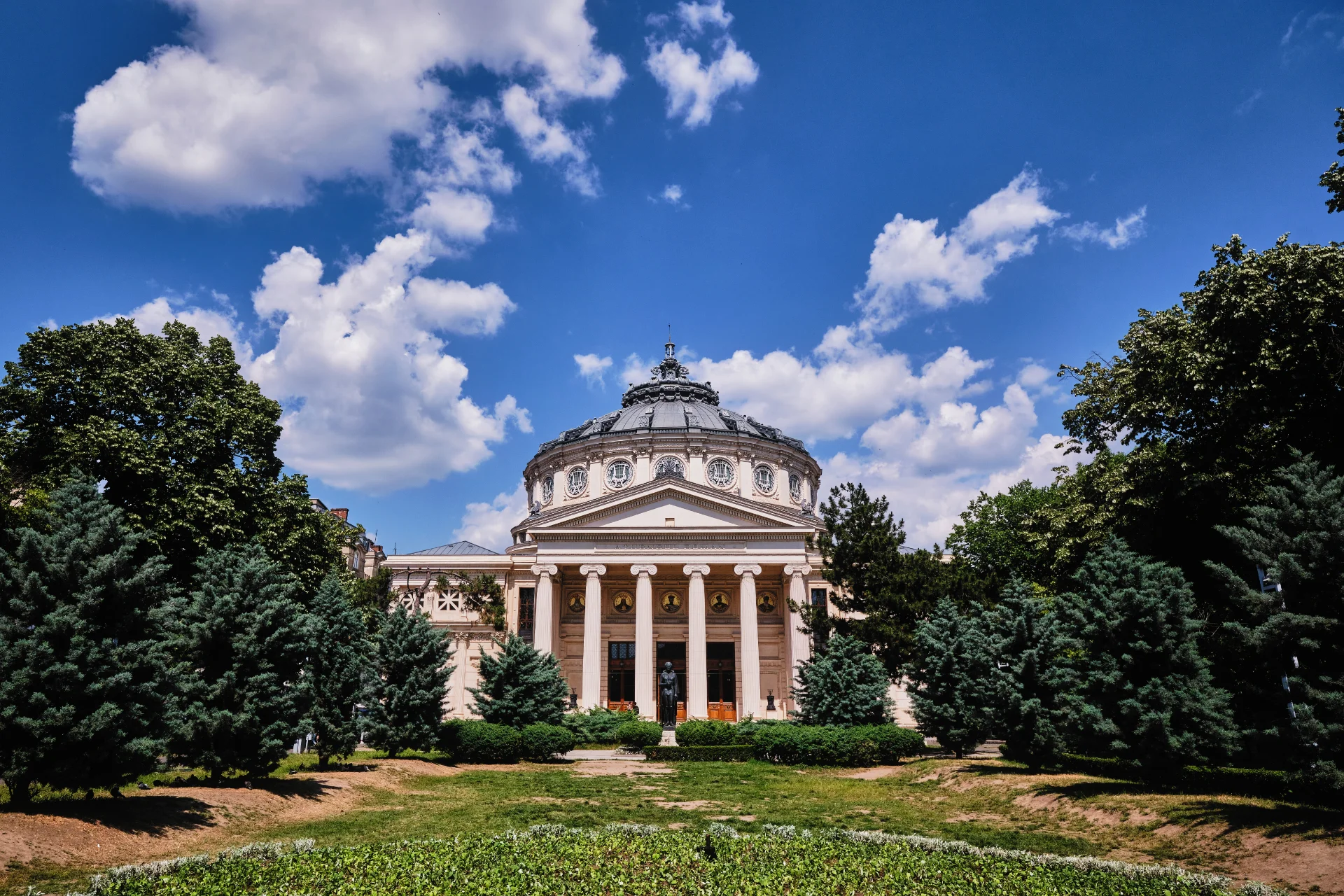
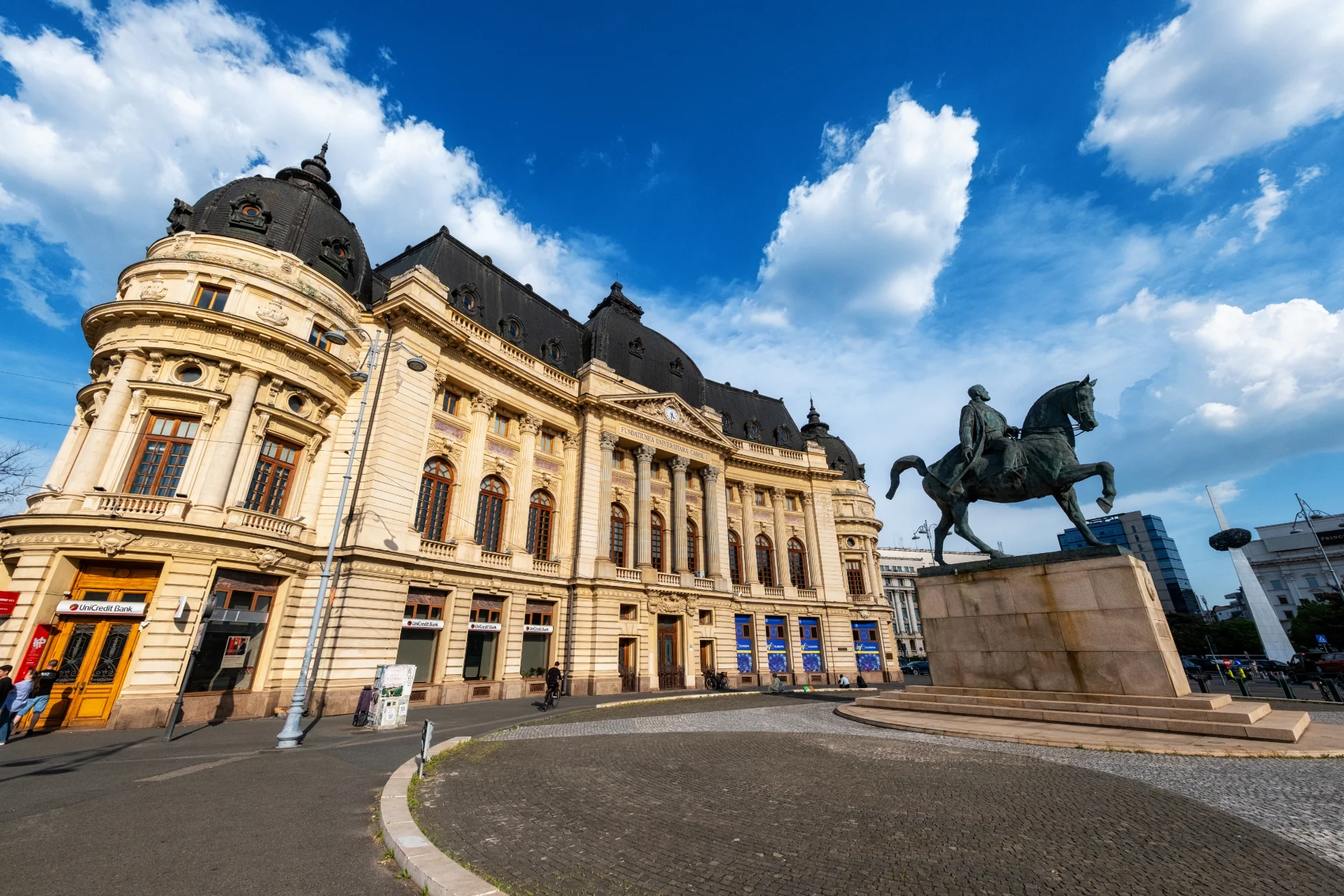
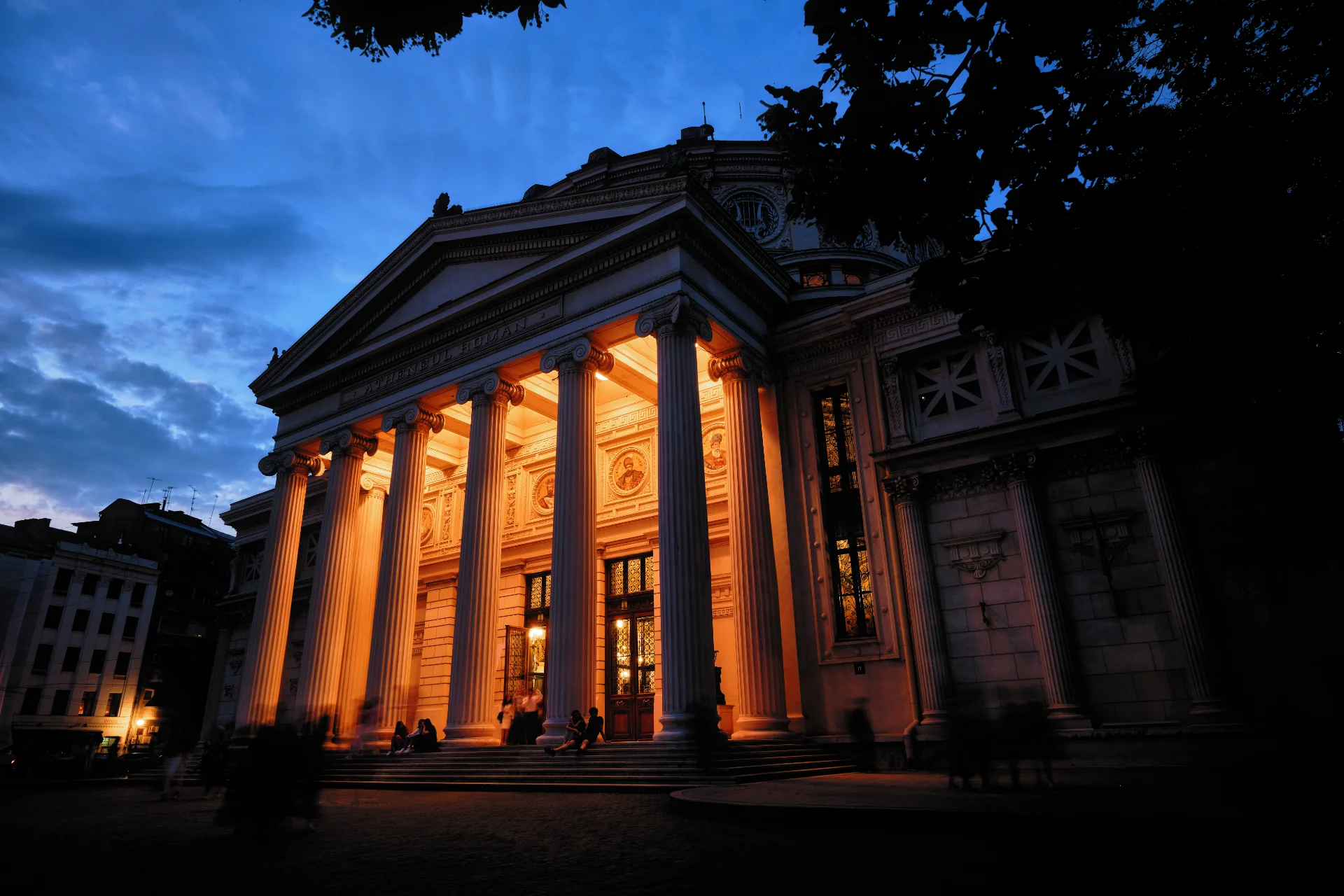
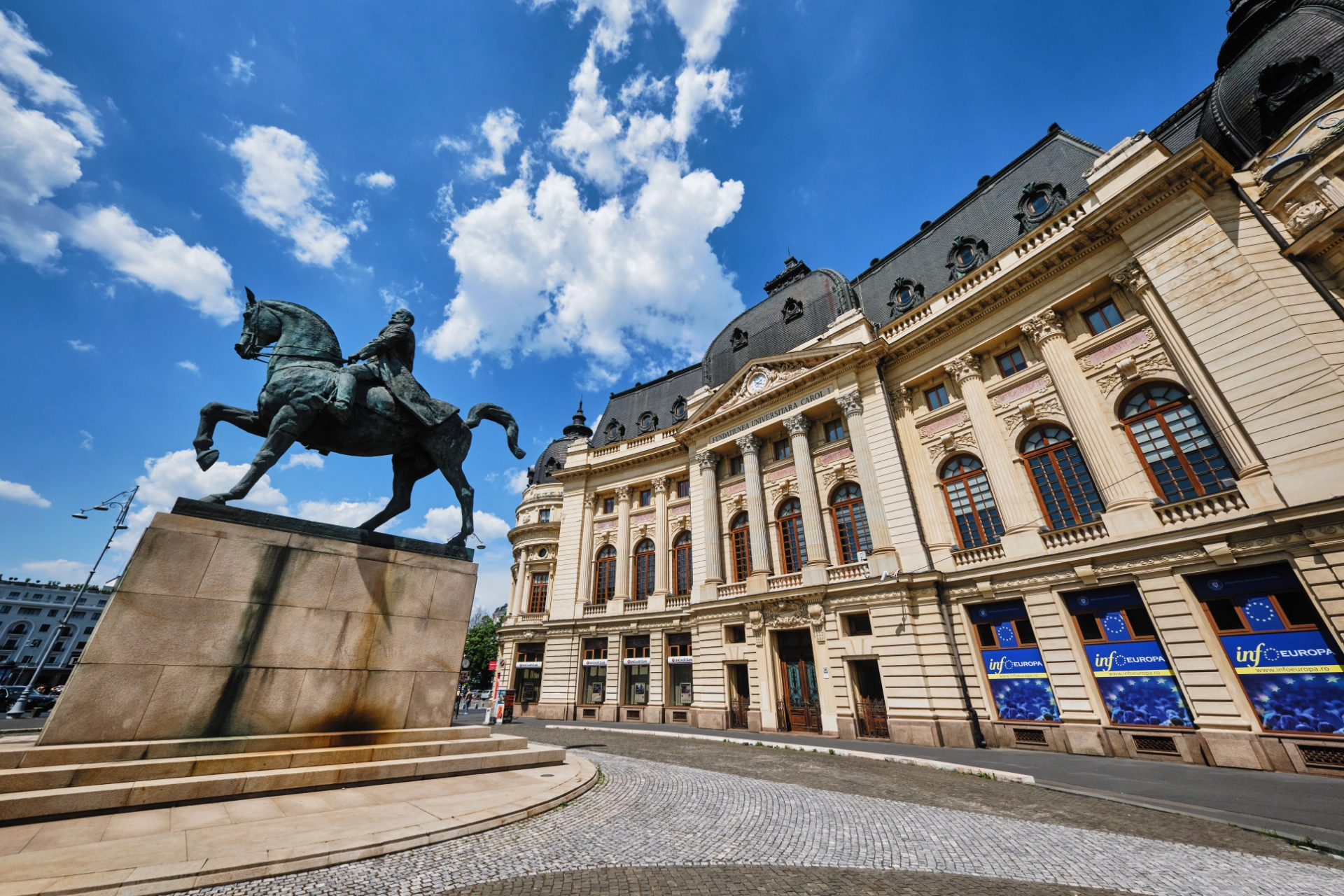
Opposite the Royal Palace stands the majestic building of the Central University Library, with its equestrian statue of King Carol I. Nearby, we are captivated by the classical elegance of the Romanian Athenaeum, one of the most beautiful monuments in Bucharest, built in an impressive combination of neoclassical and eclectic styles. Resembling an ancient Ionic temple, it was built at the end of the 19th century and has some exceptional features, such as the magnificent interior frescoes illustrating various episodes from Romanian history, or the huge dome on whose frontispiece the names of famous personalities are inscribed. We can rest for a few moments near the steps and white marble columns of this seductive monument, then continue our exploration northward.
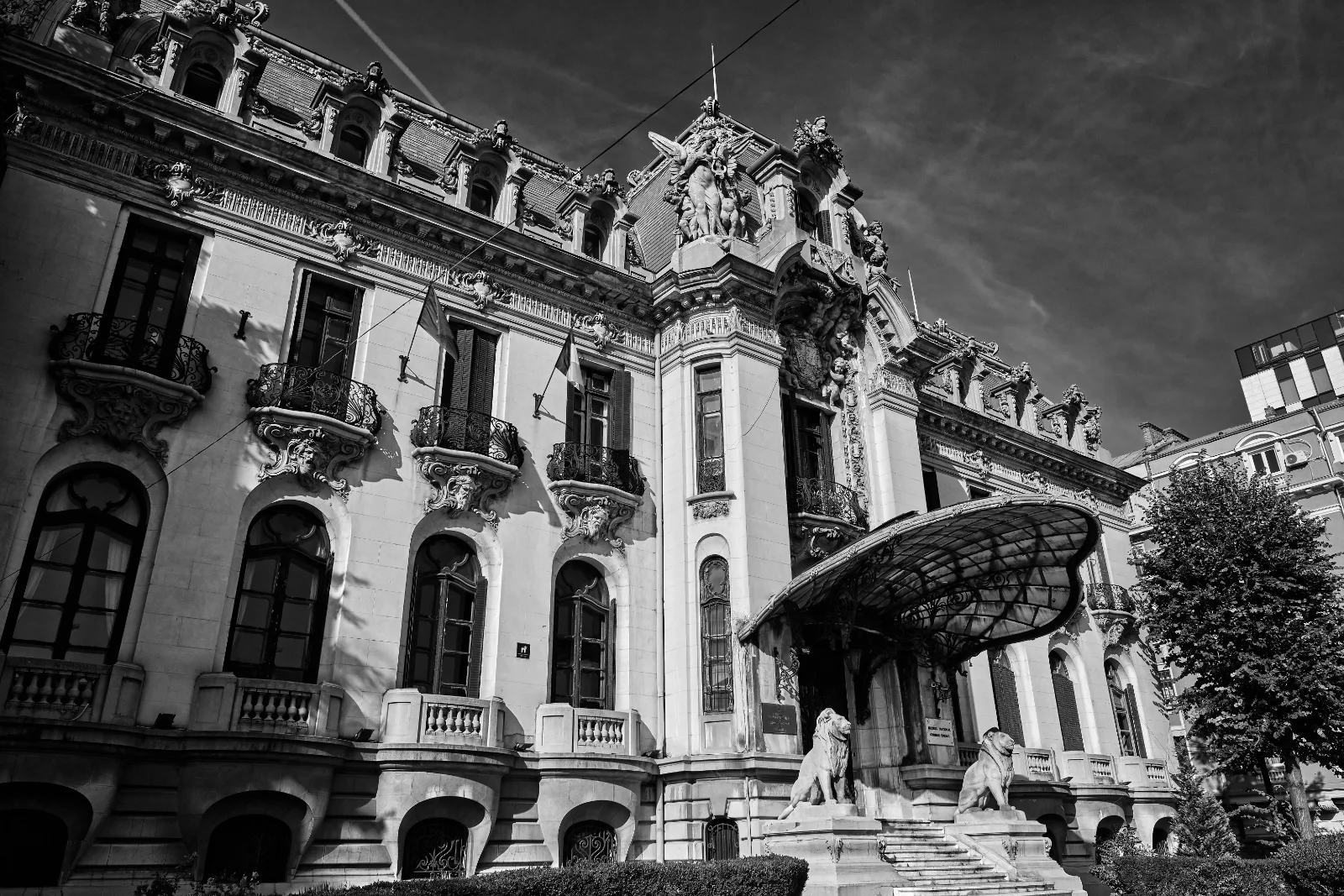
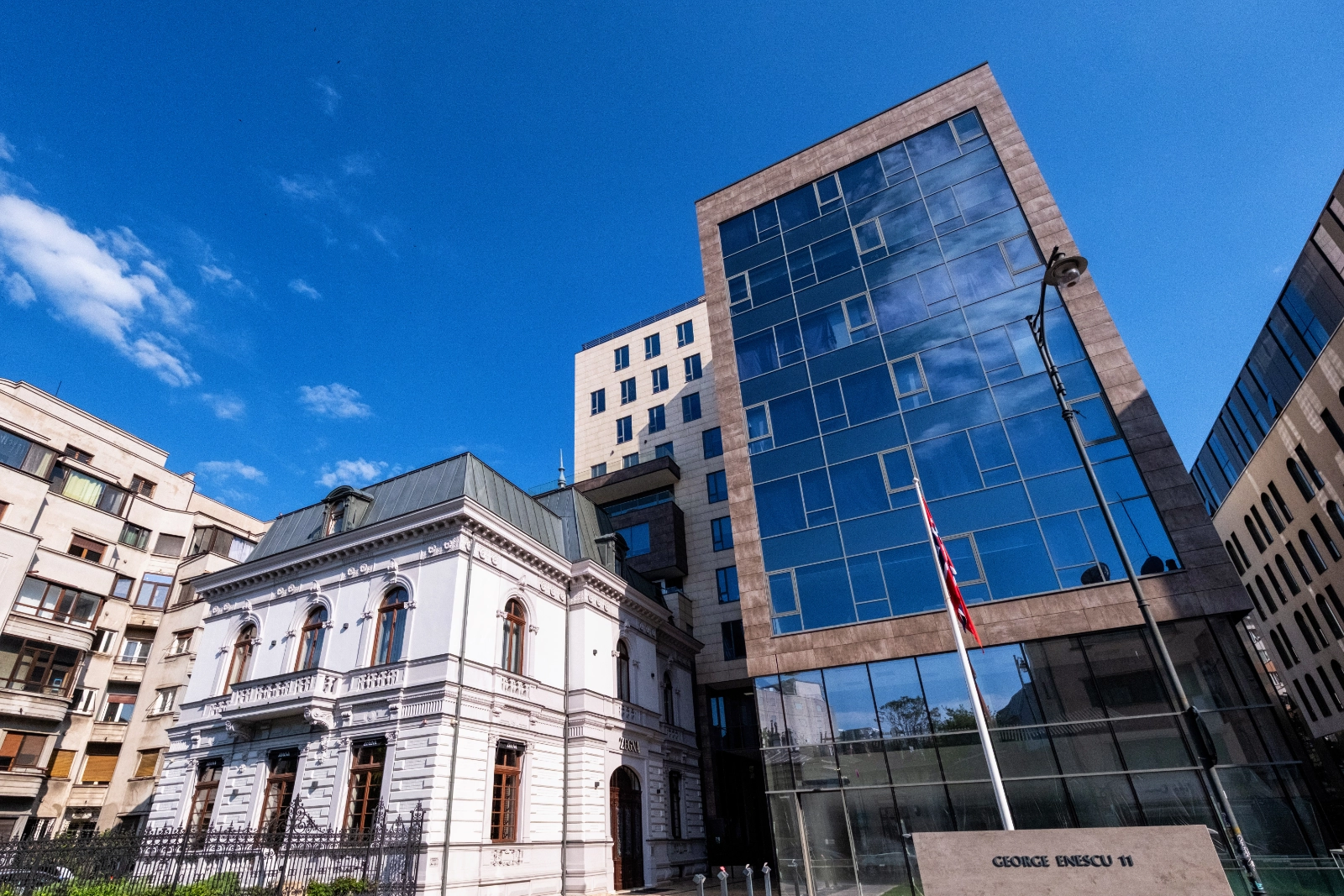
We pass by hotels, restaurants, cafes, and luxury shops until we reach the charming neoclassical façade of the Știrbey Palace, followed by the elegant Romanit Palace, which houses the Art Collections Museum. It contains an impressive heritage of over 30 collections of paintings, sculptures, graphics, and Romanian, European, and Oriental decorative art. We are slowly approaching the end of our journey, but not before taking a stroll through Nicolae Iorga Park or admiring the building that houses the George Enescu National Museum (Cantacuzino Palace), several churches, and other historic buildings. Calea Victoriei inevitably leads to Victoriei Square, with its overwhelming crowds that make us regret the bohemian atmosphere we enjoyed until now.
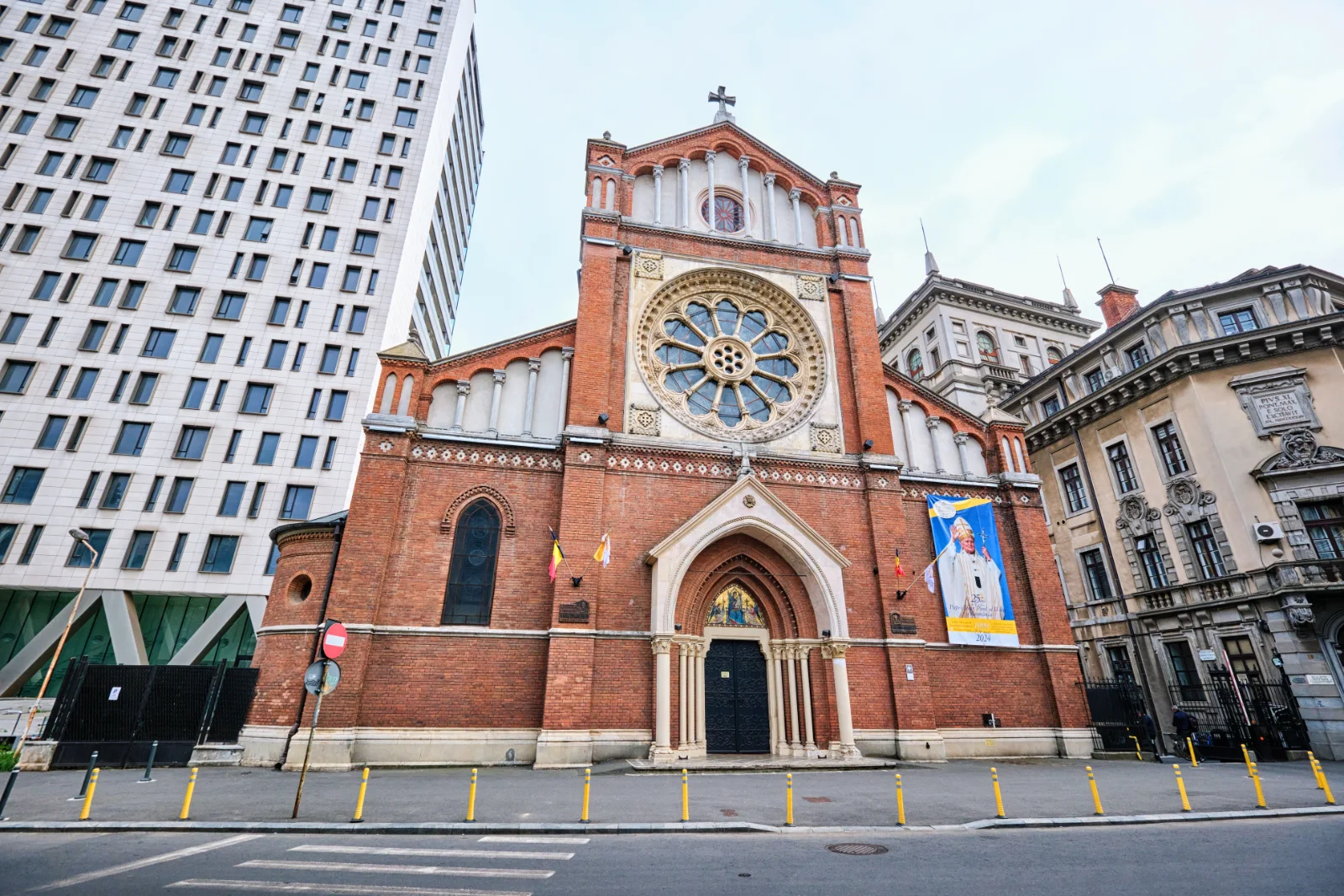
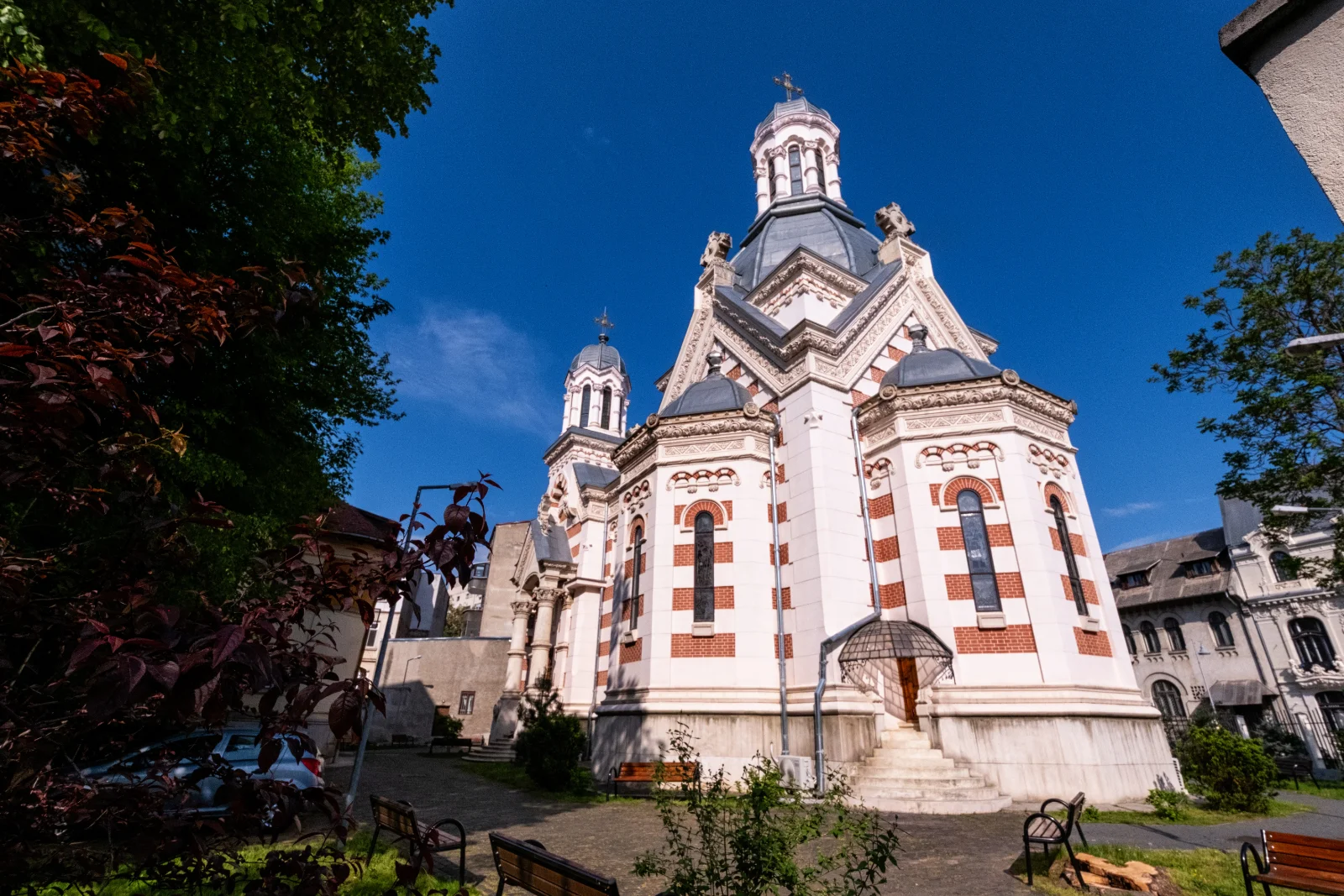
On the side streets and alleys that branch off from this amazing boulevard, we can discover many other treasures of Bucharest, often hidden among modern buildings. Among these, monuments such as St. Joseph’s Cathedral, Amzei Church, Casa Mița Biciclista, Casa Niculescu-Dorobanțu, and others are worth seeking out. Beyond Calea Victoriei, Bucharest offers a multitude of other fascinating places and experiences, with museums, palaces, parks, churches, and other exceptional sites.
SIGHTS OF Bucharest Old Town
National History Museum
Bringing together Romania’s most important and interesting historical and archaeological collections, the museum houses an impressive number of priceless treasures. The building is known as the Post Office Palace and dates back to the late 19th century, built in a neoclassical style inspired by the palace of the same purpose in Geneva. The most impressive feature is the main façade, with 10 Doric columns and two majestic domes. It housed the headquarters of the Romanian Post Office until 1970, when it was renovated and transformed into a history museum. The museum is currently undergoing a lengthy process of renovation and reorganization of its collections, which were influenced in the past by the communist regime. However, a small part of the permanent collection can be visited in several rooms that have already been refurbished.
Hours: Wed – Sun / 9am – 5pm | Tickets: 20 lei (4 Euro)/Adult
National Art Museum
The most important art museum in Romania is housed in the magnificent Royal Palace in Bucharest, which was the residence of the royal family until 1944. The current building was completed in 1937, on the site of the former Golescu House, which had been the royal court for about 100 years. After the removal of the royal family, the palace was a restaurant during the communist regime and used for various purposes, becoming partially an art museum in 1953. Today, the museum houses an impressive collection of artworks gathered over time. Visitors have the opportunity to admire many of the more than 70,000 artworks on display in the two main collections, Romanian and European art.
Hours: Wed-Fri / 10 a.m.-6 p.m. | Sat-Sun / 11 a.m.-7 p.m. | Tickets: 60 lei (12 Euro)/Adult
The Romanian Athenaeum
One of Bucharest’s most beautiful monuments, the Athenaeum was built at the end of the 19th century in a perfect combination of neoclassical and eclectic styles. Designed by a French architect and partially financed by the community, the building resembles a veritable Greek temple from antiquity. Among the architectural elements, the façade with Ionic columns containing the portraits of great rulers and the large central dome, on which the names of universal personalities are inscribed, stand out. Inside, in addition to the sumptuous concert hall, the main attraction is the large fresco depicting 25 episodes from Romanian history.
Hours: Several hours per day | Tickets: 15 lei (3 Euro)/Adult
Art Collection Museum
Part of the National Museum of Art, this amazing collection is housed in the former Romanit Palace, a gorgeous building that’s typical of 19th-century Bucharest, also on Calea Victoriei, close to the intersection with Dacia Boulevard. The museum has over 30 priceless permanent collections, most of which were donated over time by wealthy families in the city. Among other things, here we can admire masterpieces of painting, sculpture, graphic art, decorative art, and more, some created by masters of Romanian art such as Theodor Aman, Nicolae Grigorescu, Ioan Andreescu, Nicolae Tonitza, Gheorghe Petraşcu, Theodor Pallady, Alexandru Ciucurencu, and others!
Hours: Mon-Fri – 10 a.m.-6 p.m. (closed Wednesdays) / Sat-Sun – 11 a.m.-7 p.m. | Tickets: 40 lei (8 Euro)/Adult
Revolution Square
Considered the most beautiful and representative public square in Bucharest, it is surrounded by impressive buildings and monuments, including the former Senate building, a landmark of the 1989 Revolution. That historic moment is also marked by the Memorial of the Renaissance, a somewhat controversial monument. Other important attractions in Revolution Square include the former Royal Palace (now the National Museum of Art), Kretzulescu Church, the Central University Library with the statue of King Carol I, the Palace of the Ministry of the Interior, the Athenee Palace Hotel, and others. Considered one of the most important historical monuments in Bucharest, Kretzulescu Church was built in a superb Brâncovenesc style and still preserves some of the original paintings in the porch, as well as very valuable interior paintings by Ghe. Tattarescu.
Macca-Villacrosse Passage
Built at the end of the 19th century, this splendid passage connects Calea Victoriei to Lipscani Street and the old center of Bucharest. With a rich and fascinating history, the passage is located on the site of a former renowned inn, which was demolished during urban development. Its unique shape is due to the ingenious solution of an architect who had to bypass a hotel located in the middle of the planned passage. Inside, we are enveloped by the warm, diffused light created by the unique glass roof, while the spaces are now occupied by restaurants, cafes, and shops!
Theodor Aman Museum
Located in the very building where the great Romanian artist lived and painted, near Calea Victoriei and the National Museum of Art, this interesting museum displays both paintings and graphic works created by Theodor Aman, as well as objects that belonged to him. The museum is one of the oldest in the country, having opened in 1908, and the architecture and interior decor of the neoclassical house represent the artist’s vision!
Hours: Wednesday-Sunday / 10 a.m. – 6 p.m. | Tickets: 20 lei (4 Euro)/Adult
Other Sights
Located a stone’s throw from Calea Victoriei and close to the Romanian Athenaeum, the Literature Museum presents the history of Romanian literature, with details about the lives and works of Romanian writers, as well as other unique exhibits that introduce visitors to the world of letters and stories. From unique manuscripts by writers such as Mihai Eminescu and Ion Creangă to very old and valuable books, personal items, and photographs, the museum has an incredible collection of over 300,000 items!
Located between Calea Victoriei and Piața Romană, the Amzei Square is part of Bucharest’s history and features several exceptional monuments and a delightful atmosphere. Among the places we can admire in the area are the Amzei Church, a superb eclectic monument from the early 20th century, the Mița Biciclista House, an art nouveau building that has enjoyed notoriety in recent times, and the Art Safari Museum, more of a unique and original cultural experience than a permanent museum. Opened in several locations in the capital over the last few years, it now also occupies a space on Amzei Street, near Calea Victoriei, presenting several fascinating exhibitions and collections.
The historic building that houses the unique George Severeanu Museum, located near Calea Victoriei, belonged to the first director of the Bucharest Municipal Museum and contains his collection of surprising historical objects. Among the special exhibits, we can mention the unique numismatic collection (with over 9,000 valuable pieces), but also the amazing antiques, from Greek and Egyptian vases to medieval documents or art-nouveau furniture. The Mirage 3D Museum is a new and exciting experience that awaits visitors near Calea Victoriei and Cișmigiu Park. Promoted as Romania’s first 3D museum, it includes a host of attractions for all ages, from optical illusions to modern art installations and sensory experiences.
Accommodation on Victory Avenue of Bucharest
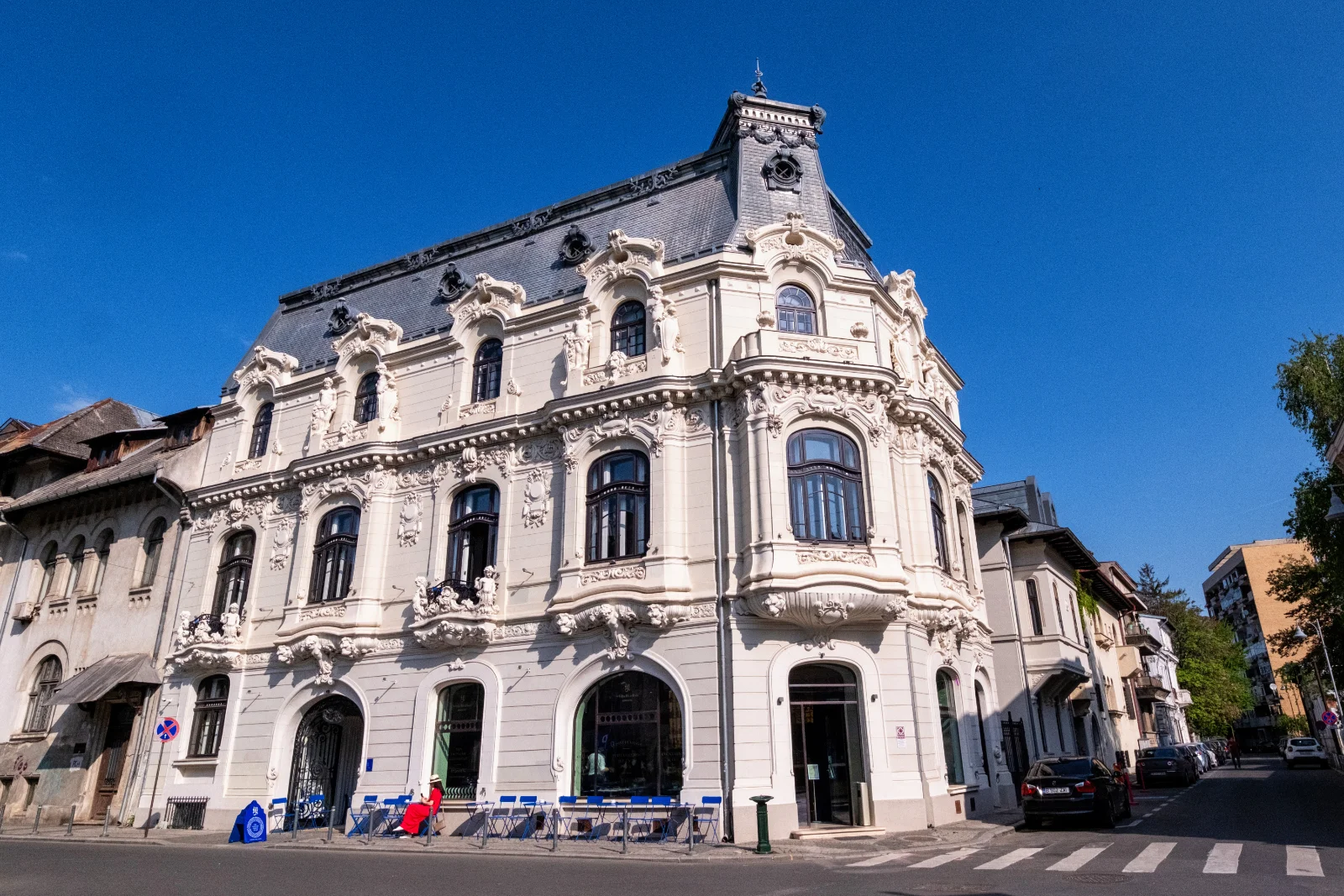
There are quite a few lodging options along the Victory Avenue of Bucharest, although some might be quite in demand. Another aspect is that just outside this area, the prices are a little lower, so travelers might get better deals and experiences just a few minutes from the center. Some of the best hotels in Bucharest are located on Victory Avenue!
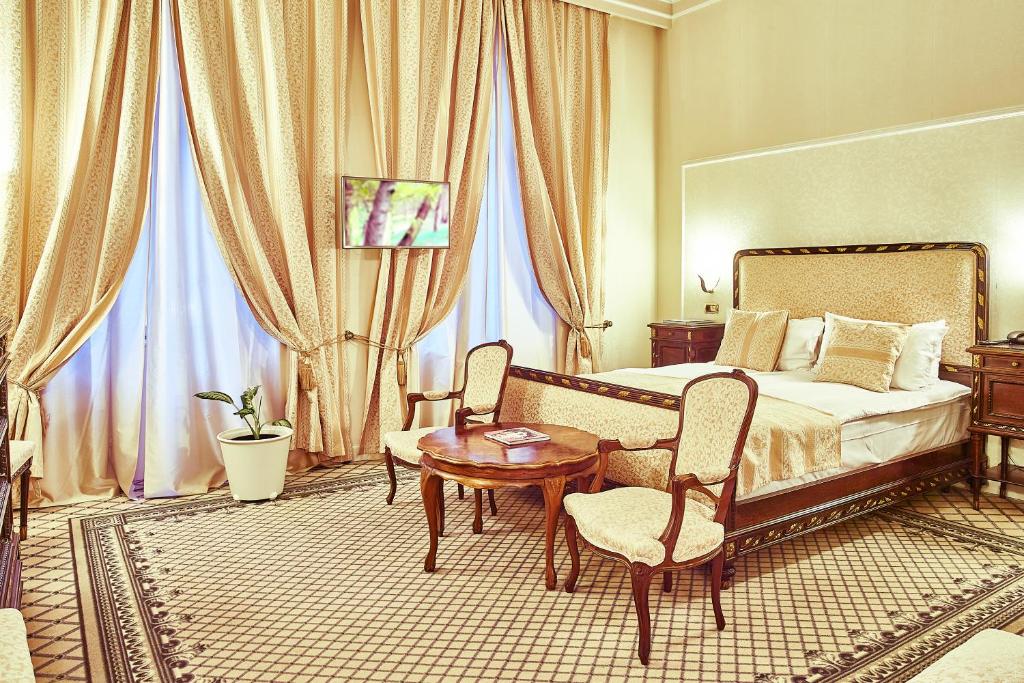
Rating 9.1 from 1.933 Reviews
One of the most prestigious hotels in Bucharest, this exceptional establishment offers high-quality amenities and services, has two highly regarded restaurants, and more!
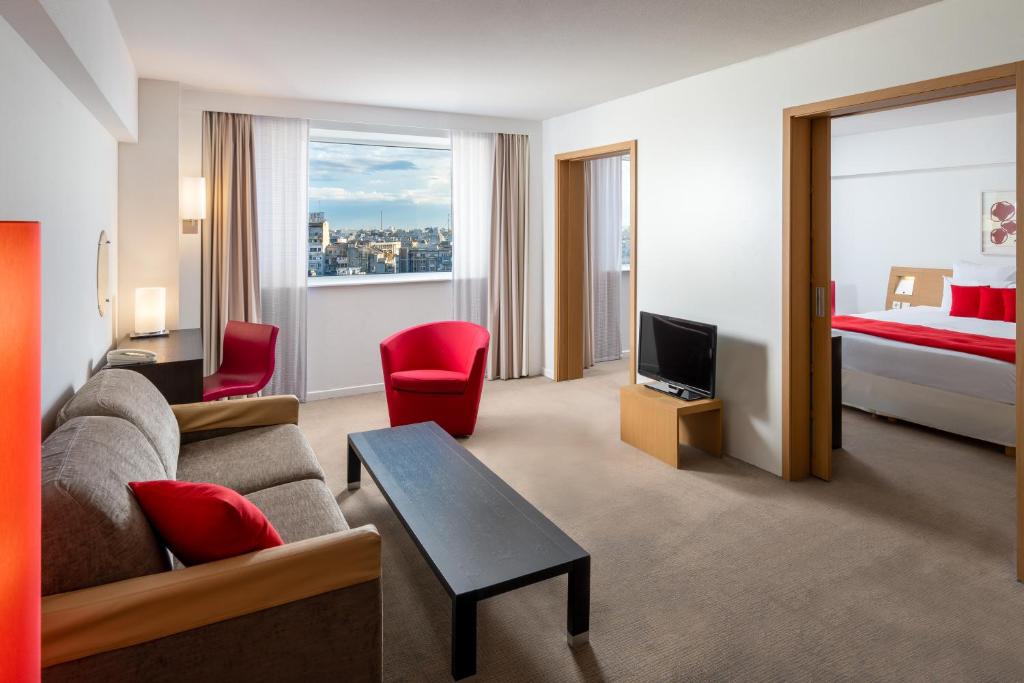
8.3 Rating from 4.655 Reviews!
Located right on Calea Victoriei, this modern hotel offers superior accommodation in welcoming rooms, access to a spa center with an indoor pool, and a restaurant serving local cuisine!
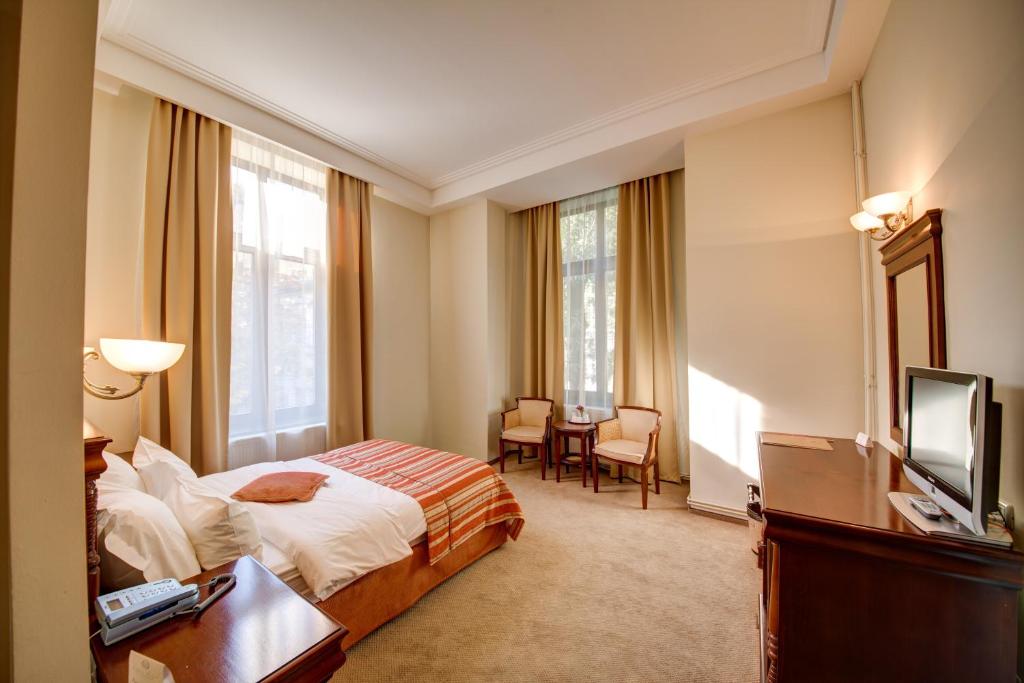
Rating 8.3 from 1.819 Reviews
Located in a historic building over 100 years old, this hotel near Calea Victoriei and the Romanian Athenaeum offers spacious rooms with all amenities, a restaurant, and a bar!