Bucharest
Old Town
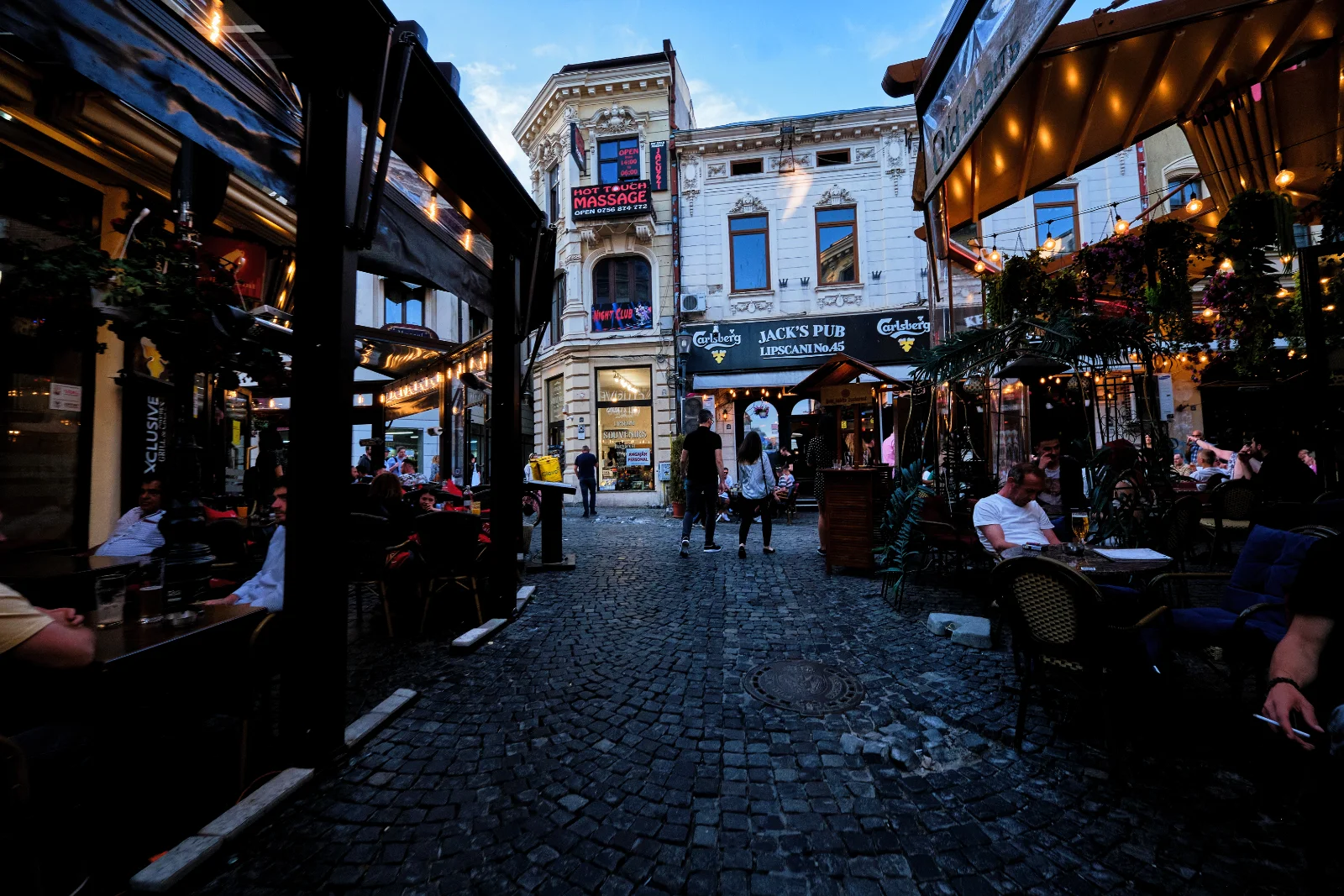
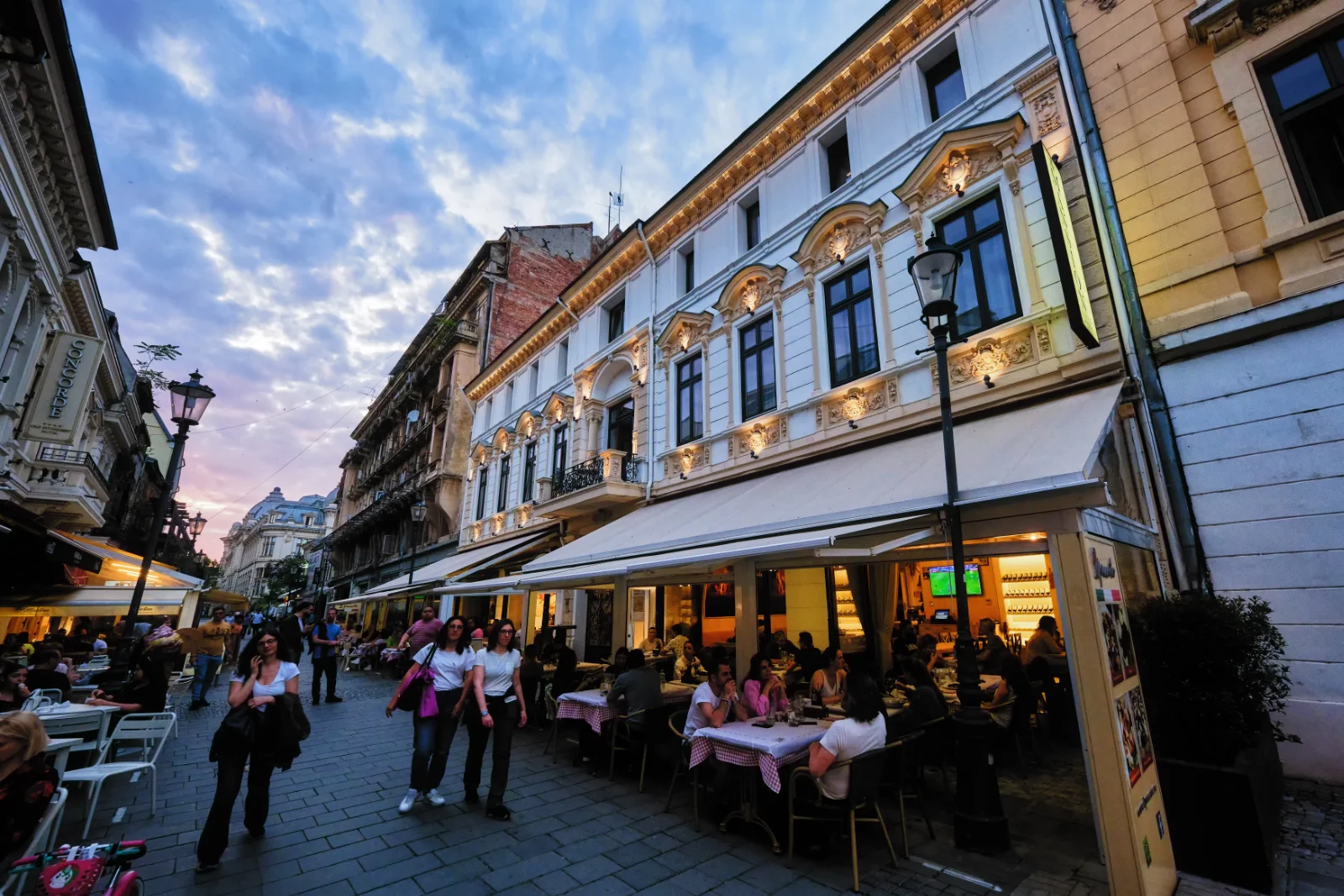
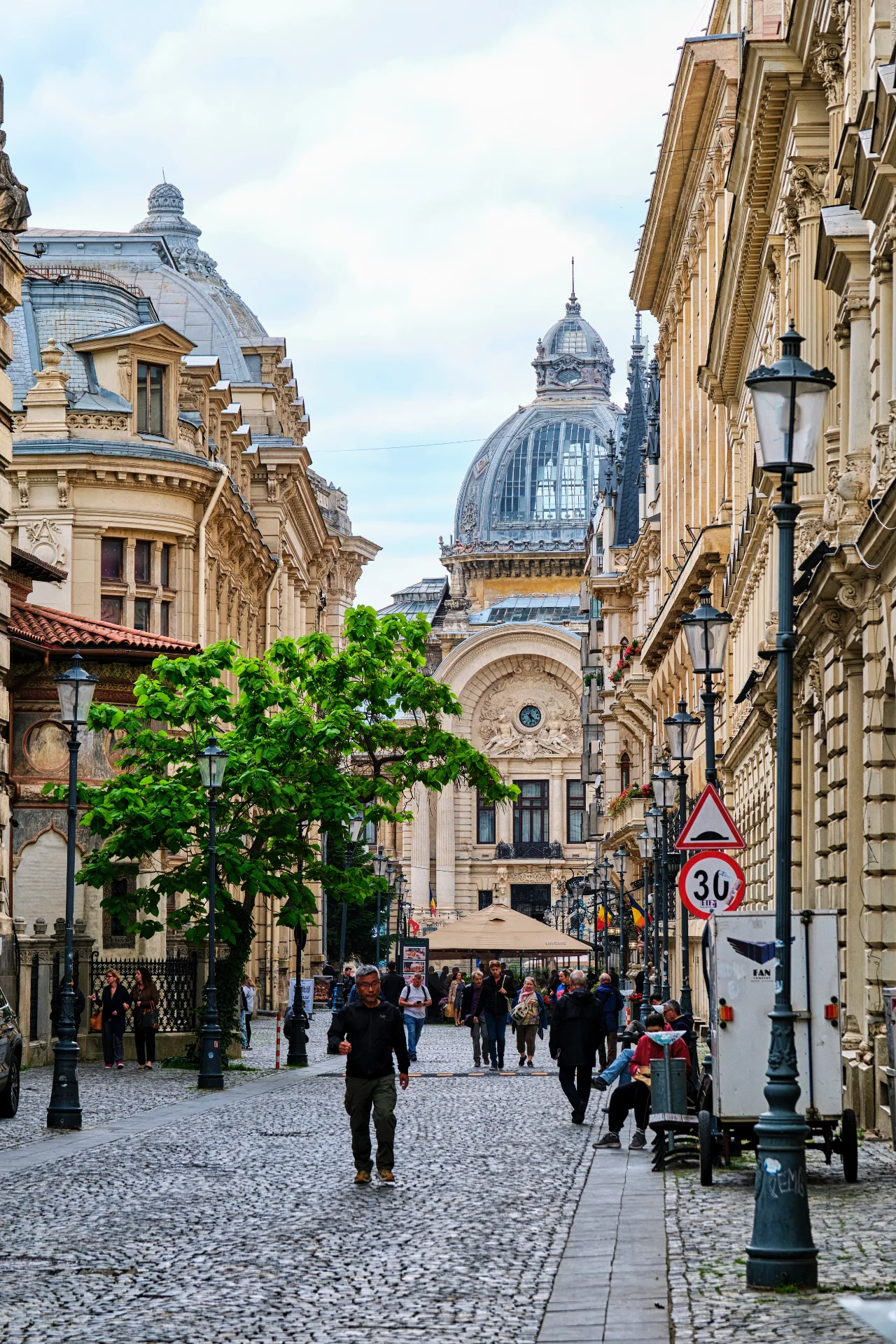
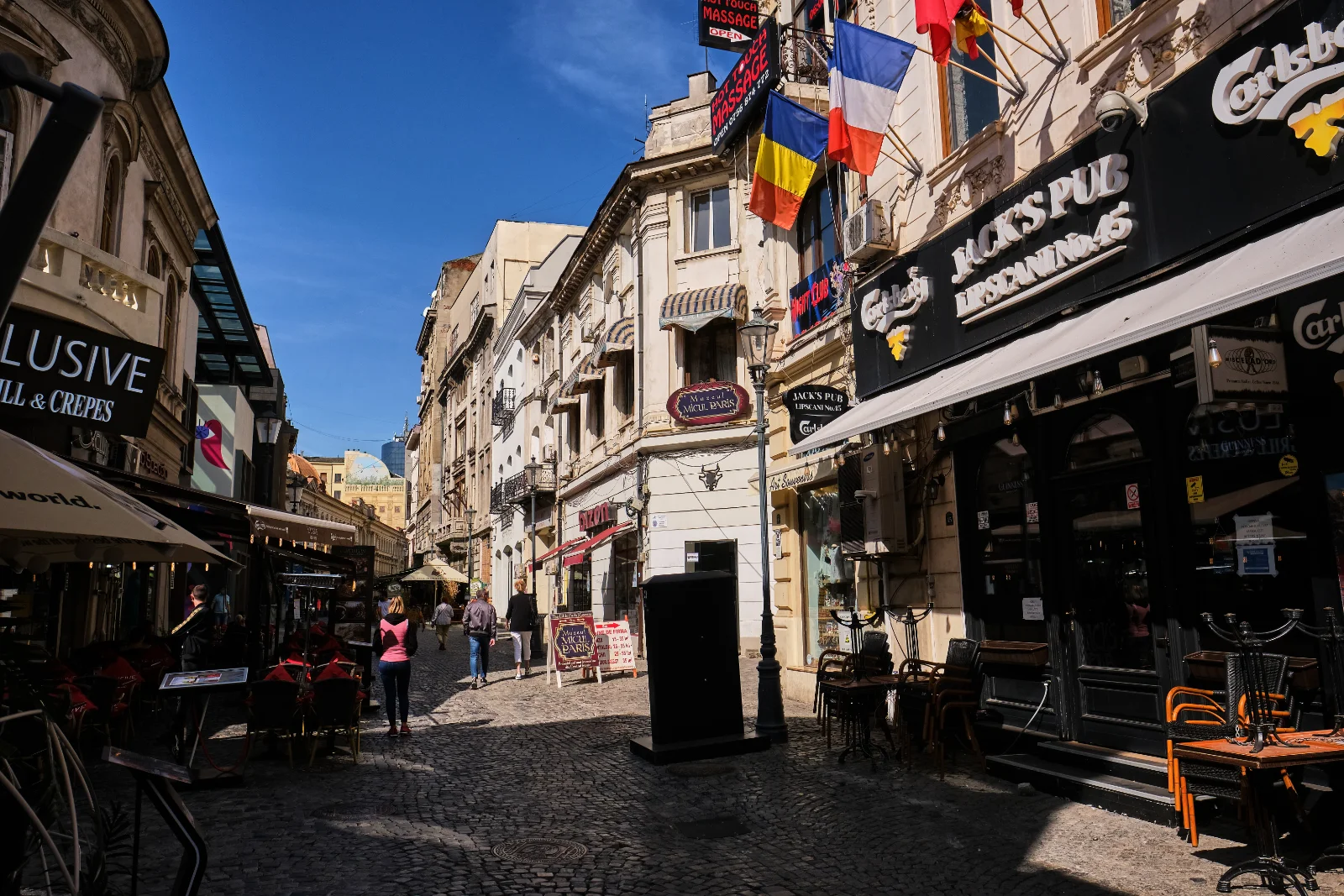
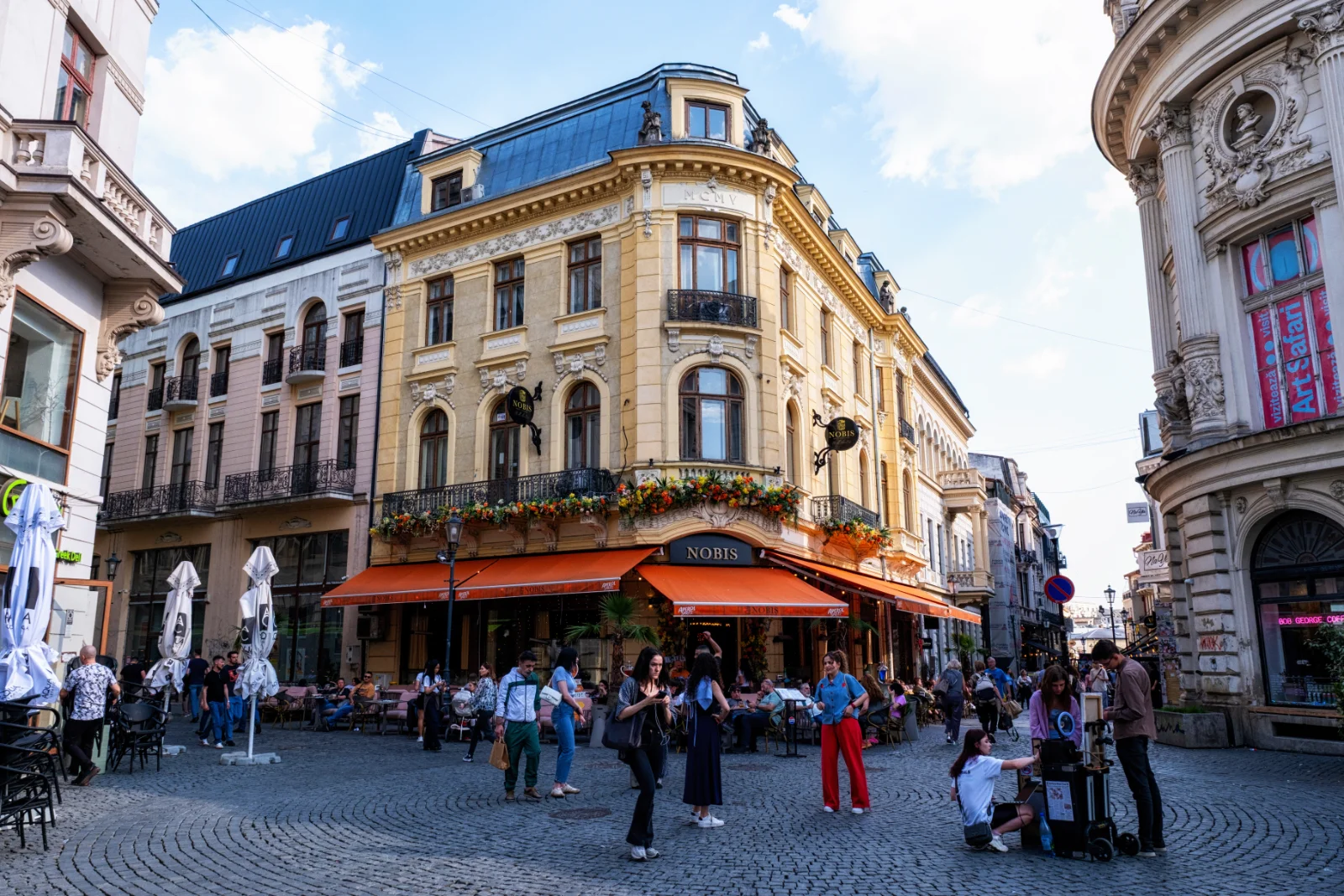
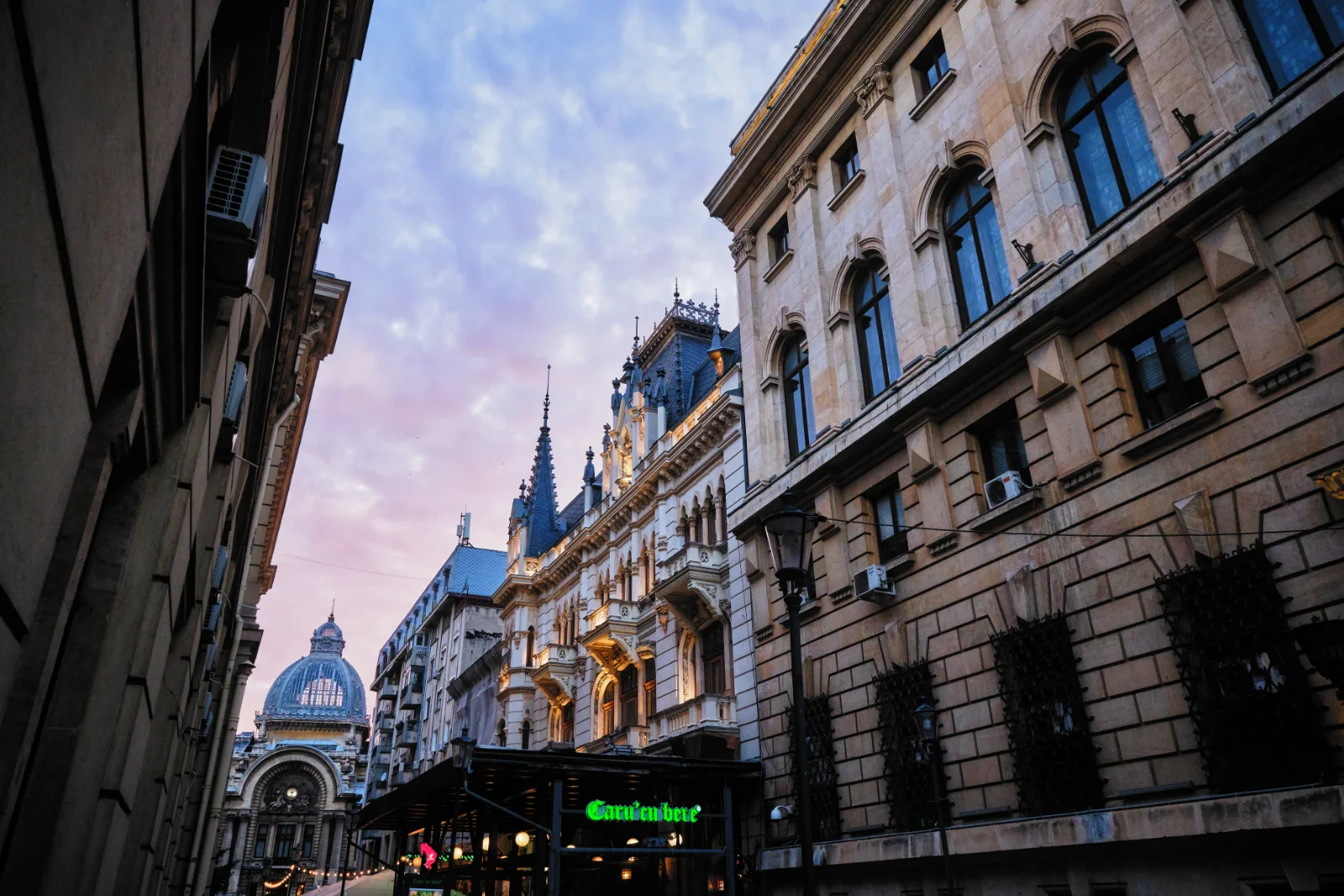
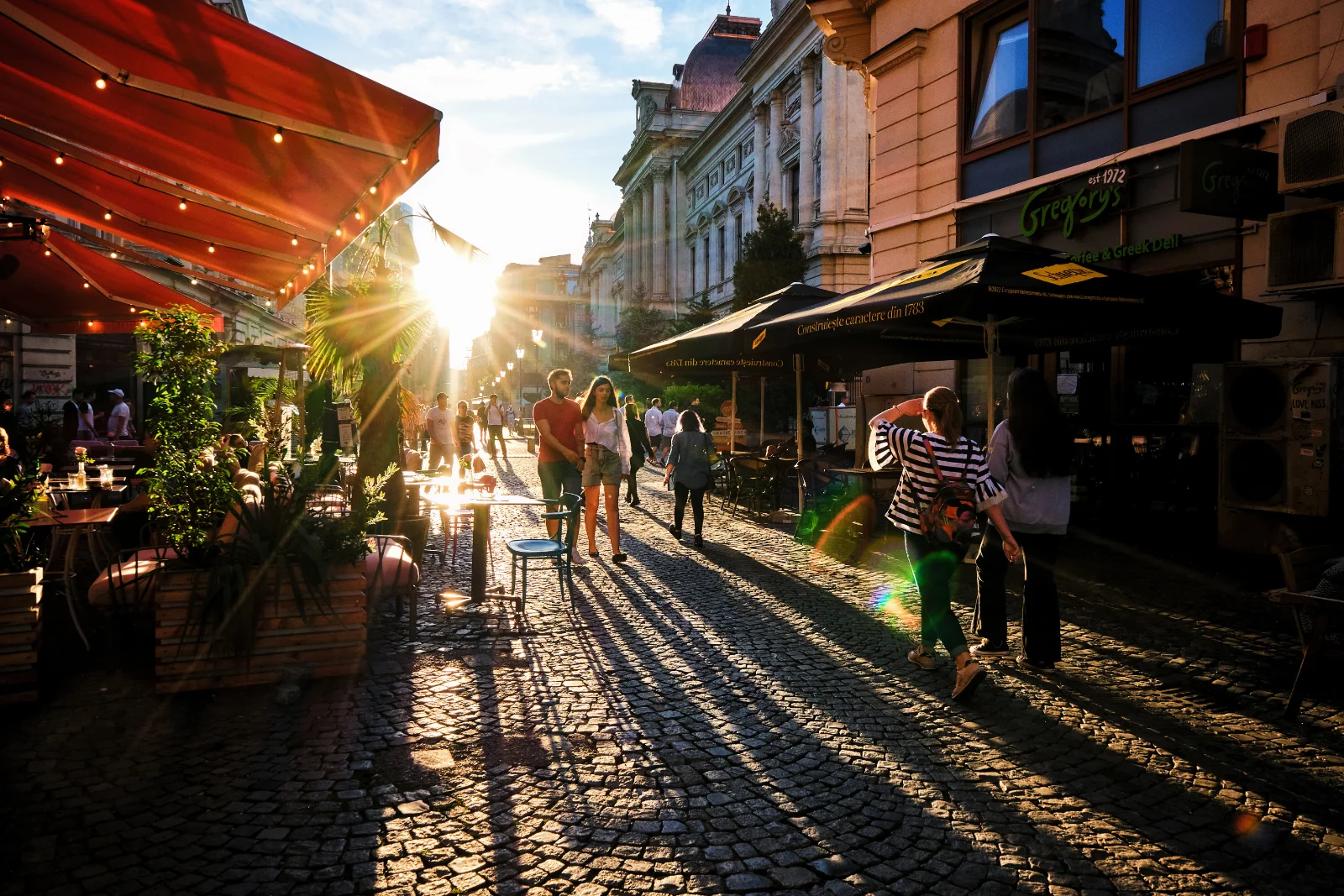
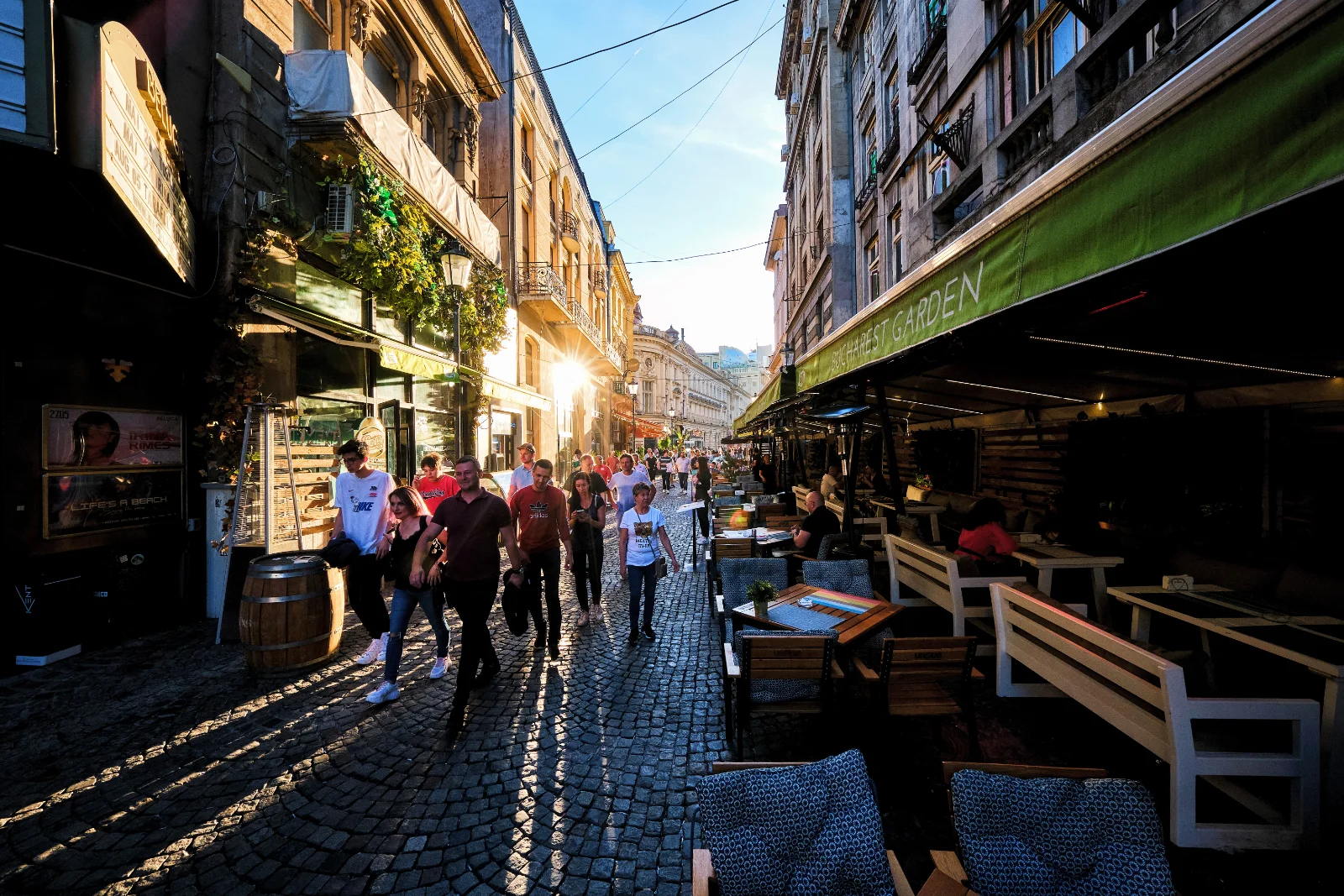
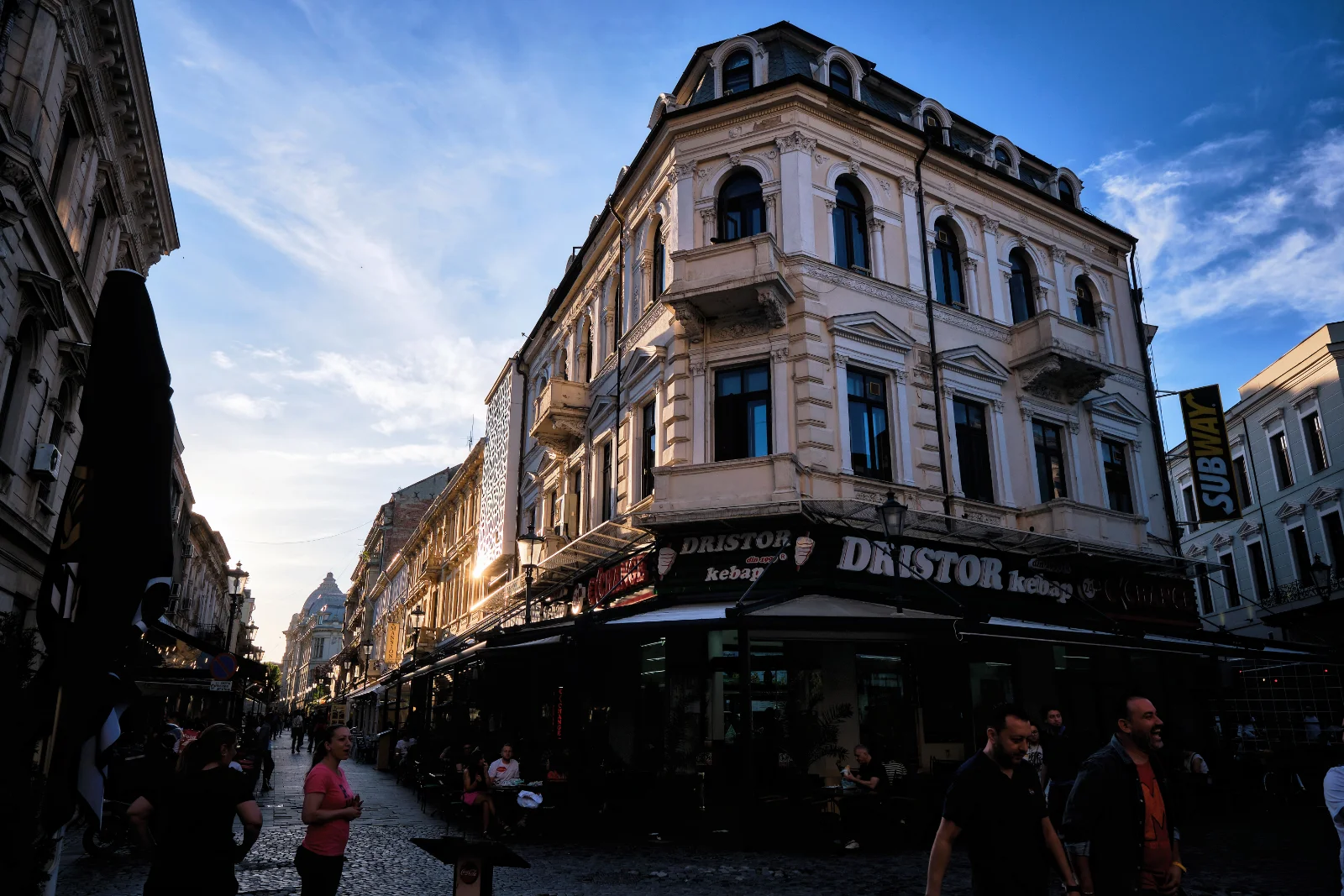
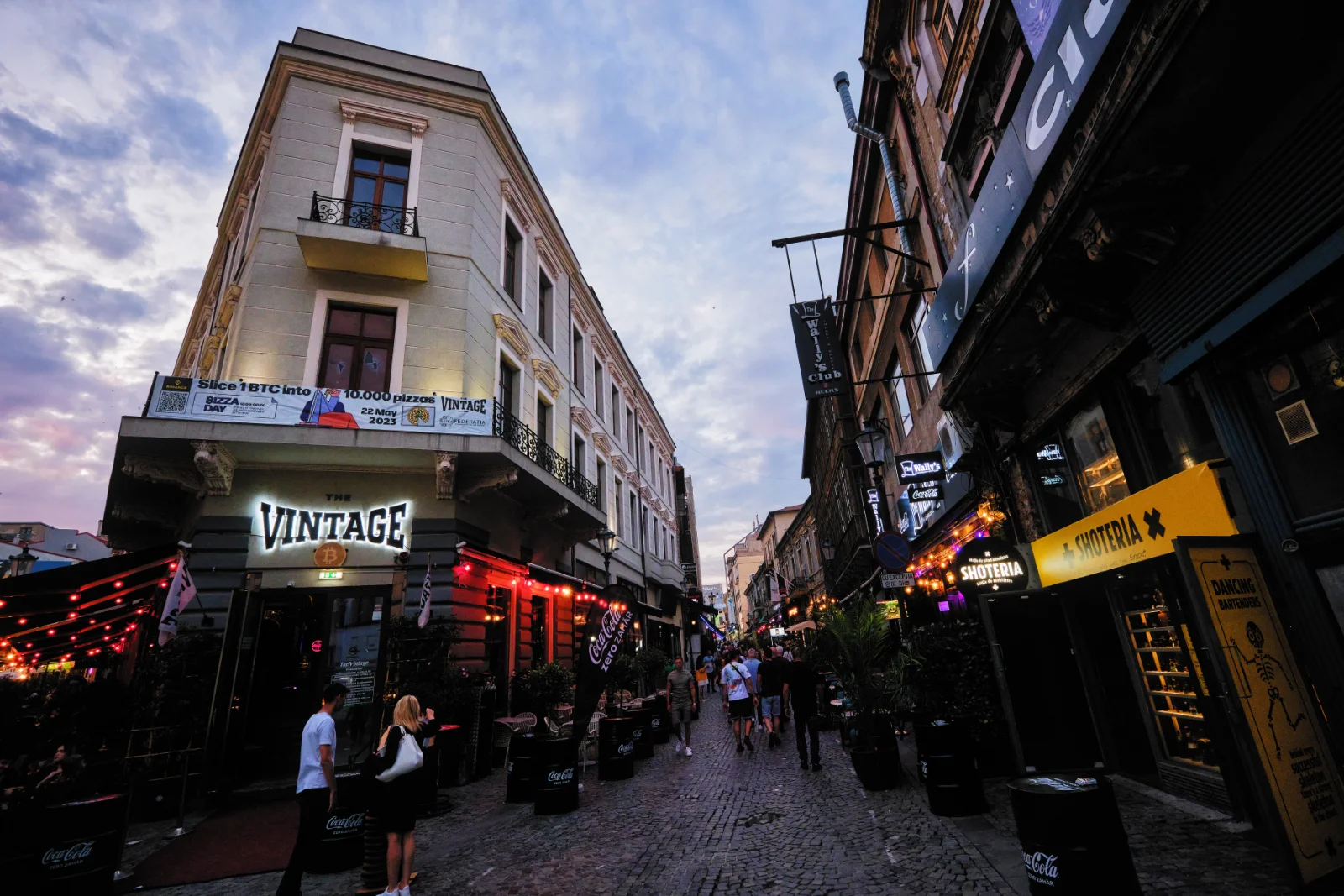
As the evening sets in, especially during the warm season, Bucharest Old Town transforms into a completely different place and the atmosphere changes dramatically. The pace becomes almost hypnotic, with rivers of people overflowing into the most vibrant streets, frantically searching for the popular restaurants, pubs, and nightclubs!
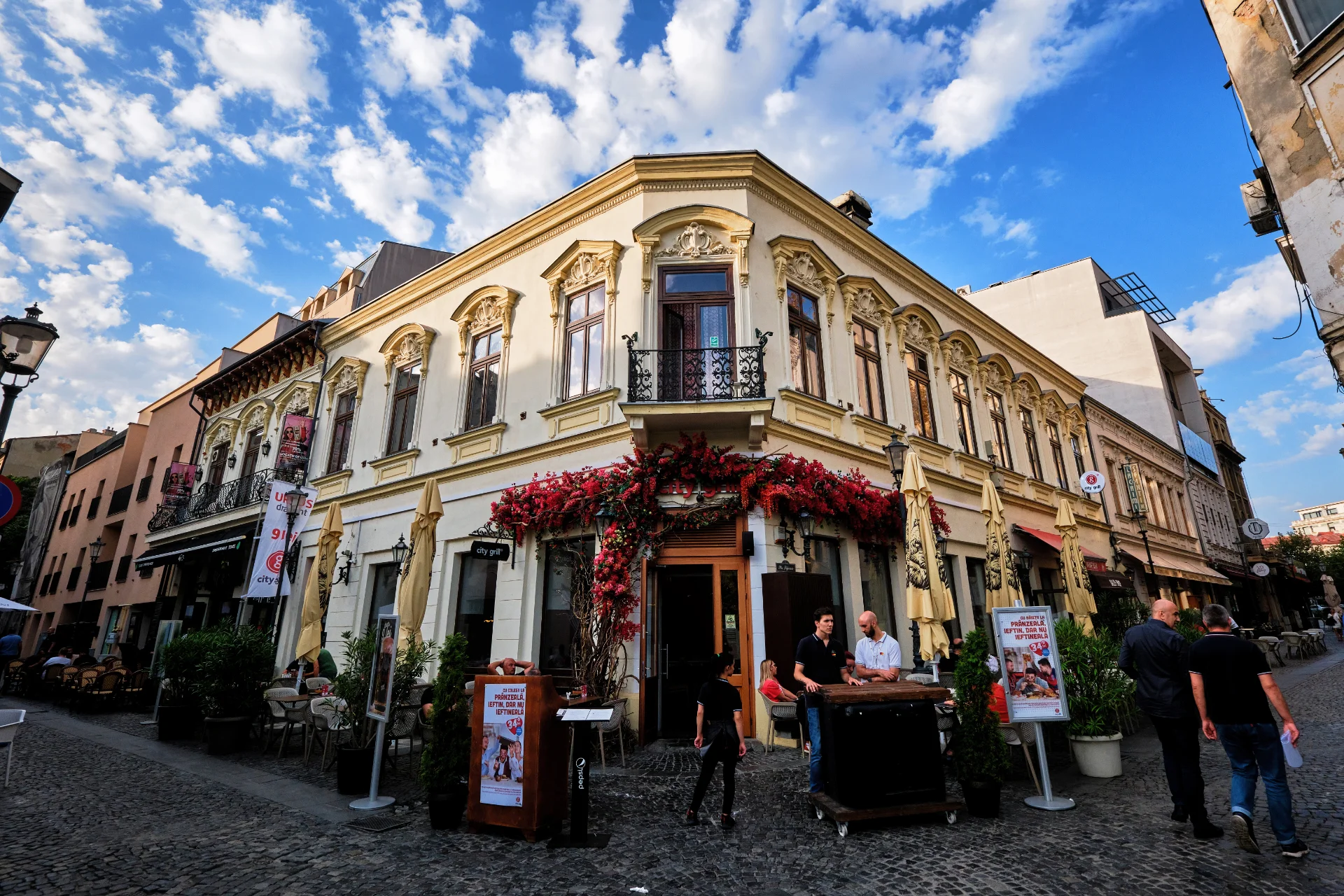
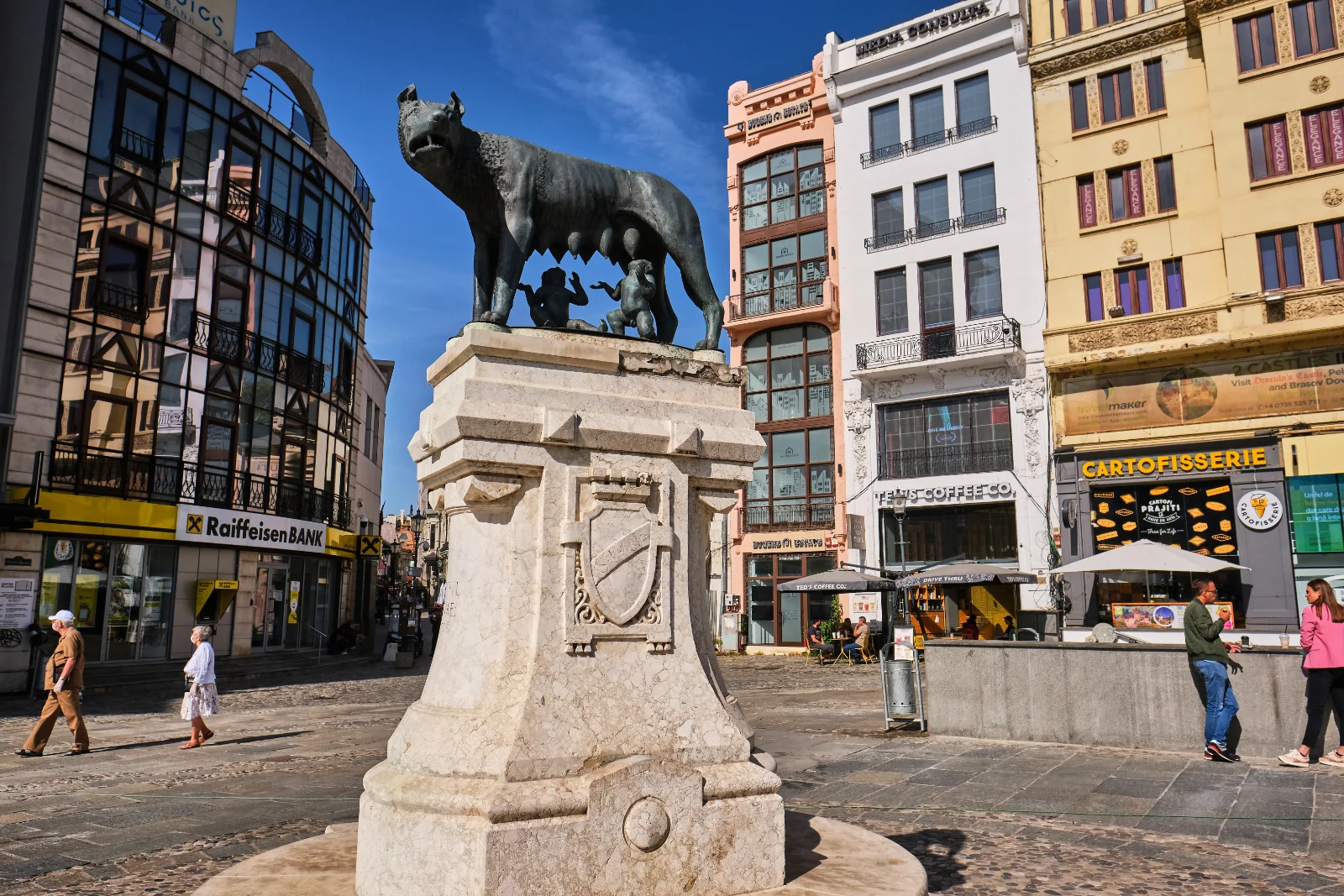
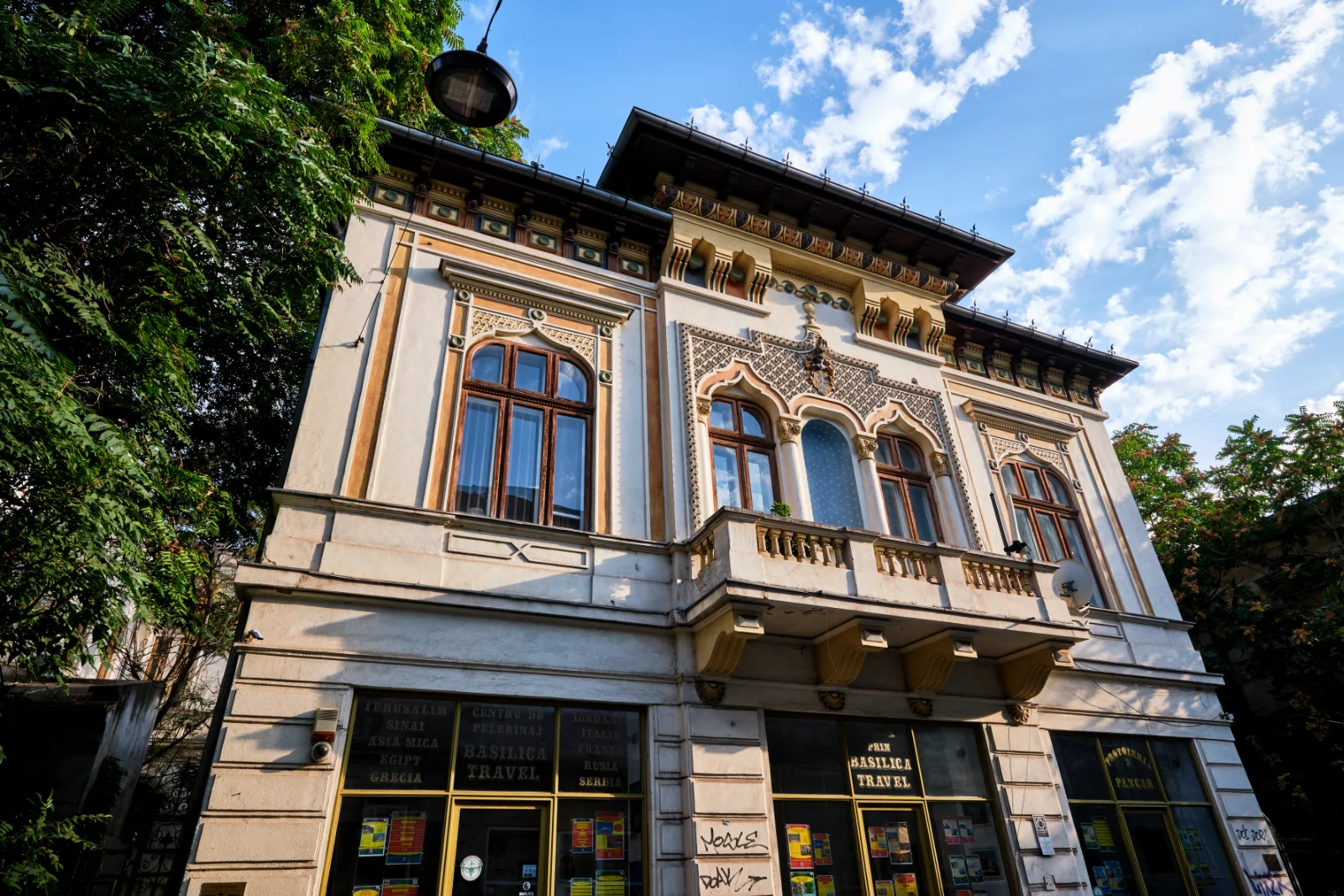
Bucharest Old Town (Old Center as it’s known by locals) covers an area of approximately 0,5 sq. km., located between Queen Elizabeth and Carol I boulevards to the north, Hristo Botev Boulevard to the east, Corneliu Coposu Boulevard, Halelor Street, and Splaiul Independentei to the south, while Victory Avenue encloses it to the west. Our walk through its enchanting streets reveals exceptional historical and architectural treasures, but also a vibrant atmosphere that truly comes alive in the evening. During the busiest summer months, the cobblestone streets and alleys become crowded with people. While most travelers arrive in Bucharest’s Old Town for its vibrant restaurants and bars, there are also plenty of interesting monuments to discover.
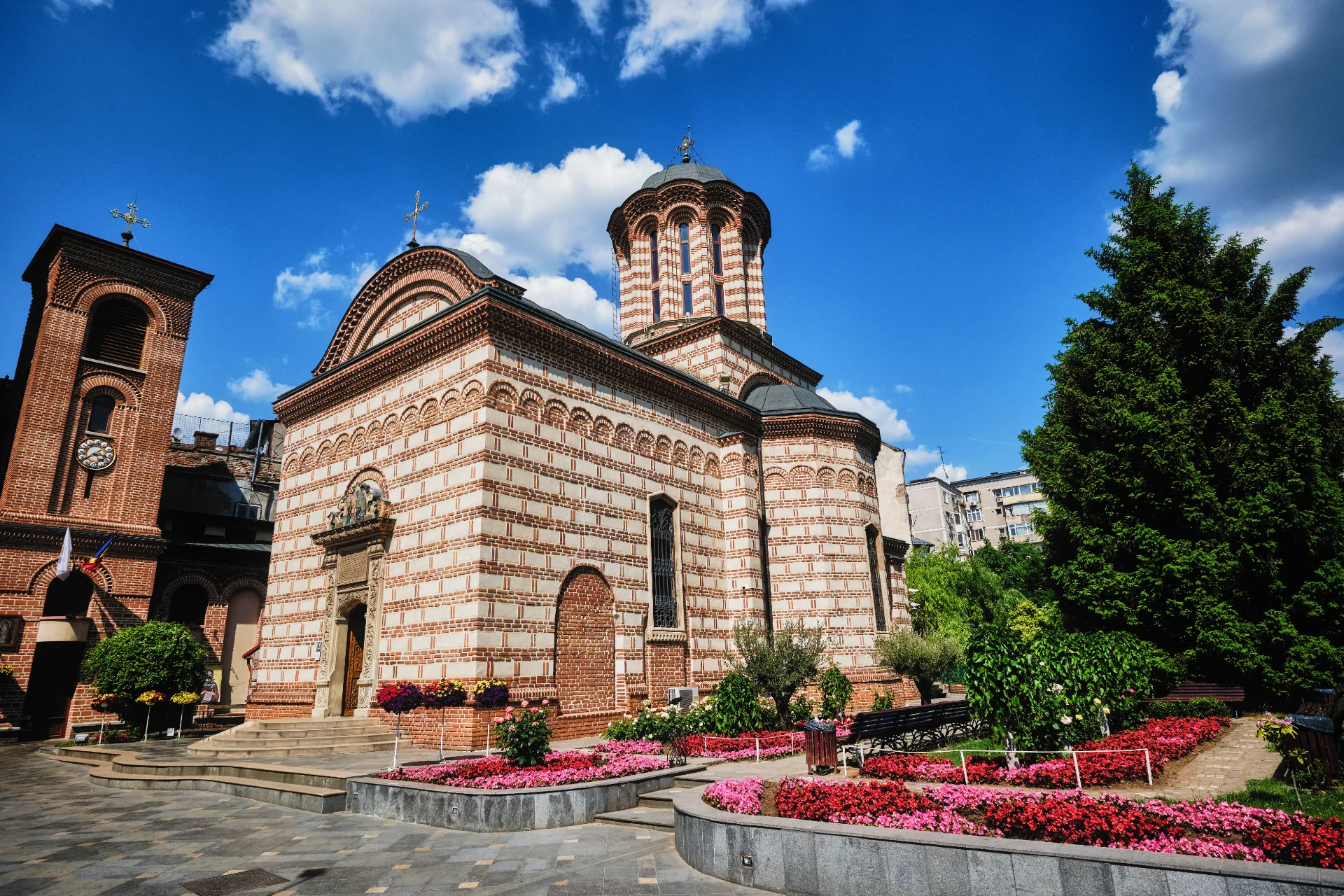
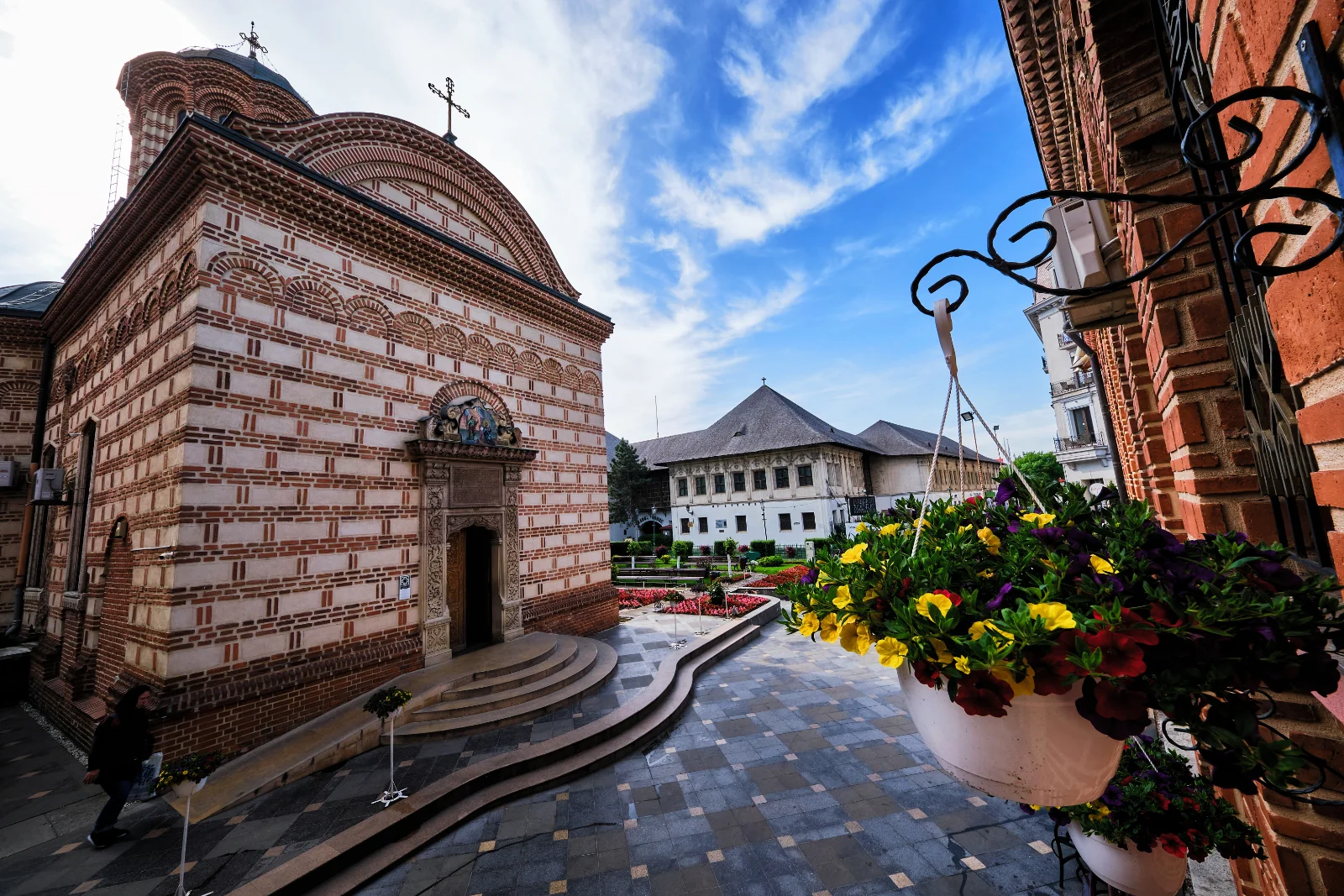
At the core of this area stands the Old Princely Court Palace that used to be the residence of the rulers of Wallachia, including the famous “Vlad the Impaler”. The palace complex included living chambers, reception halls, cellars, stables, gardens, and other spaces. It was used for several centuries and constantly upgraded by the ruling families of the time. The palace was severely damaged and became obsolete after the fire of 1718 and the earthquake of 1738. Today, it is being renovated and transformed into an exceptional interactive museum. The palace complex also includes the adjacent Saint Anthony Church (also known as the Annunciation or Old Court Church). Dated around 1555, it is the oldest religious edifice in the city to keep its original architecture.
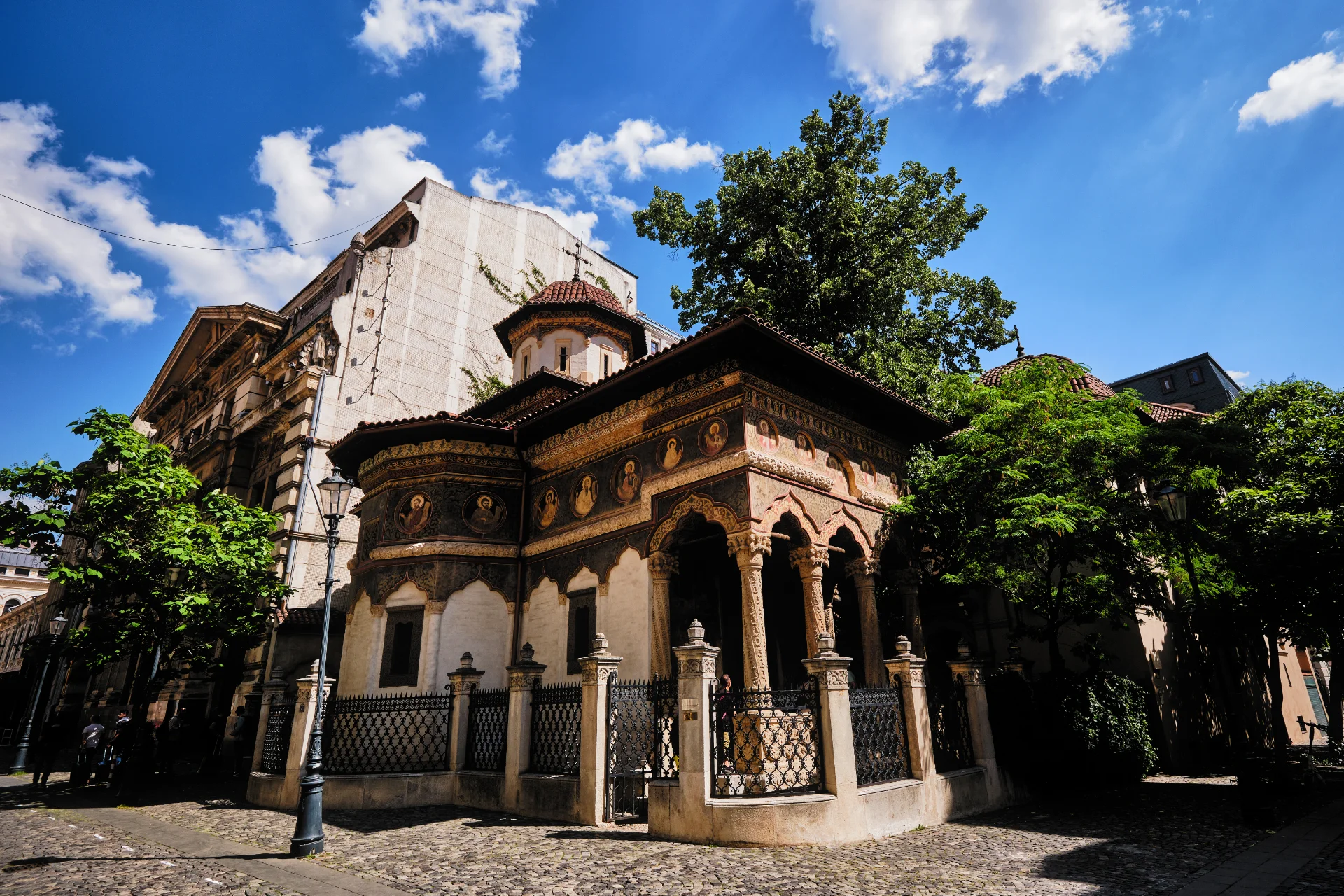
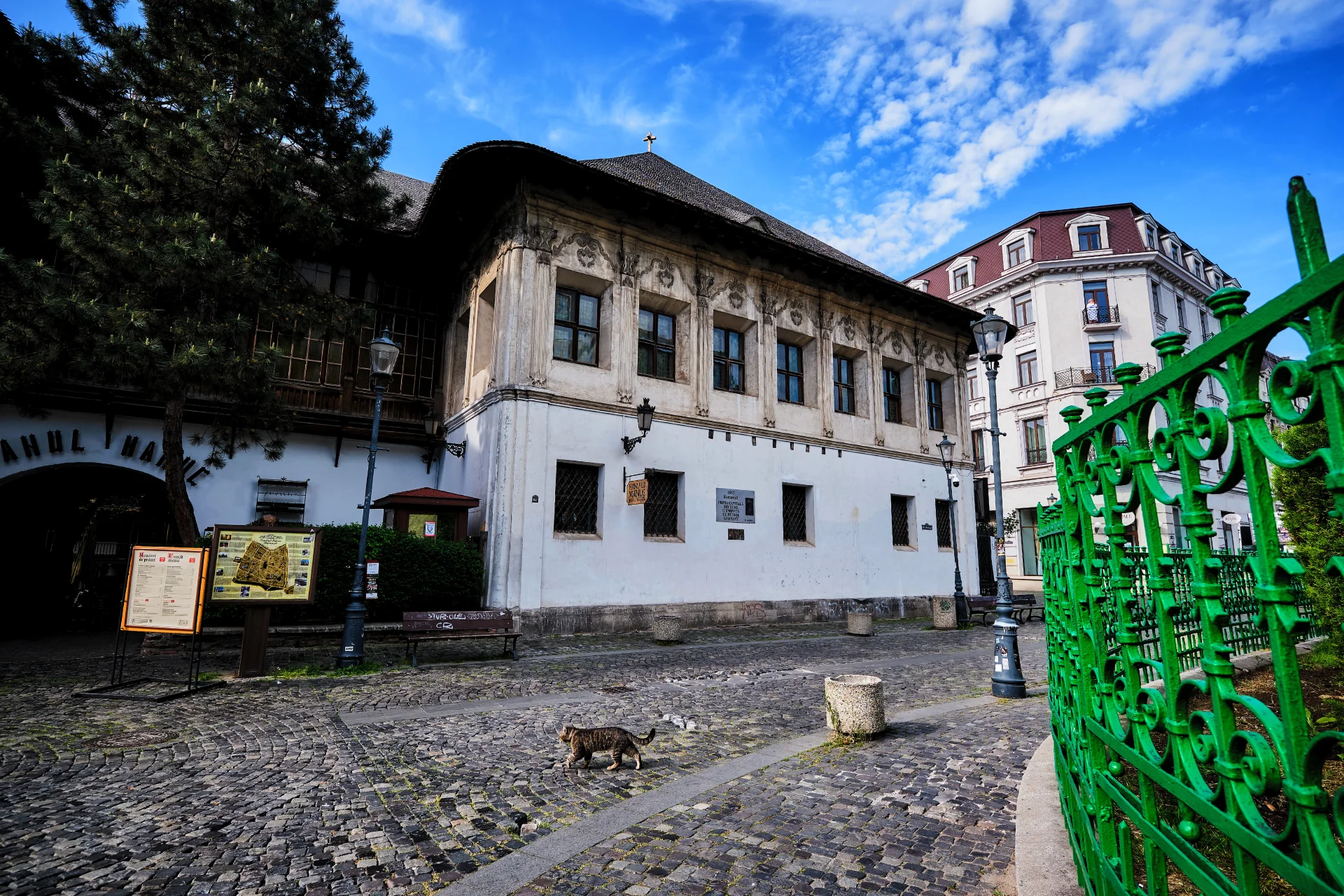
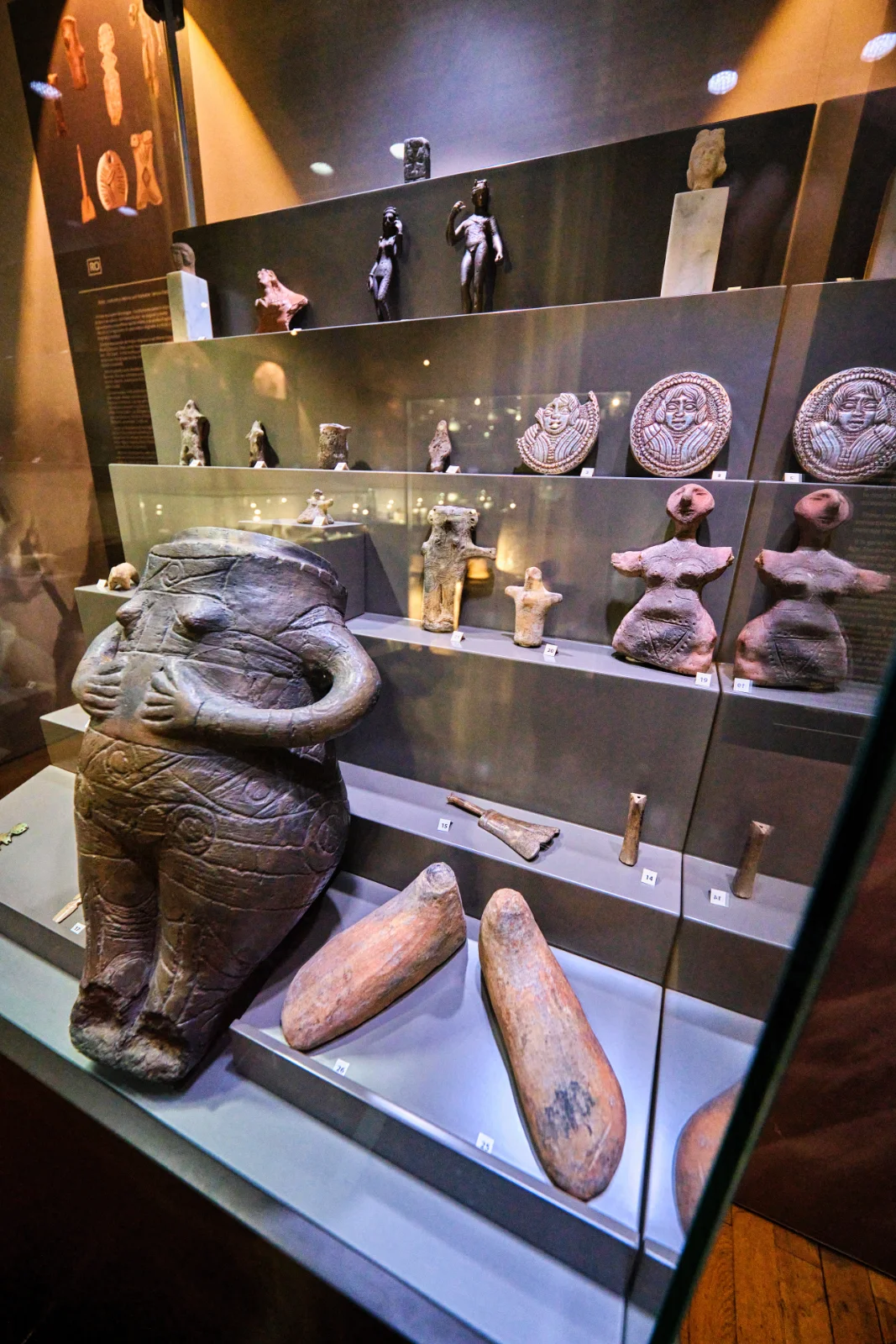
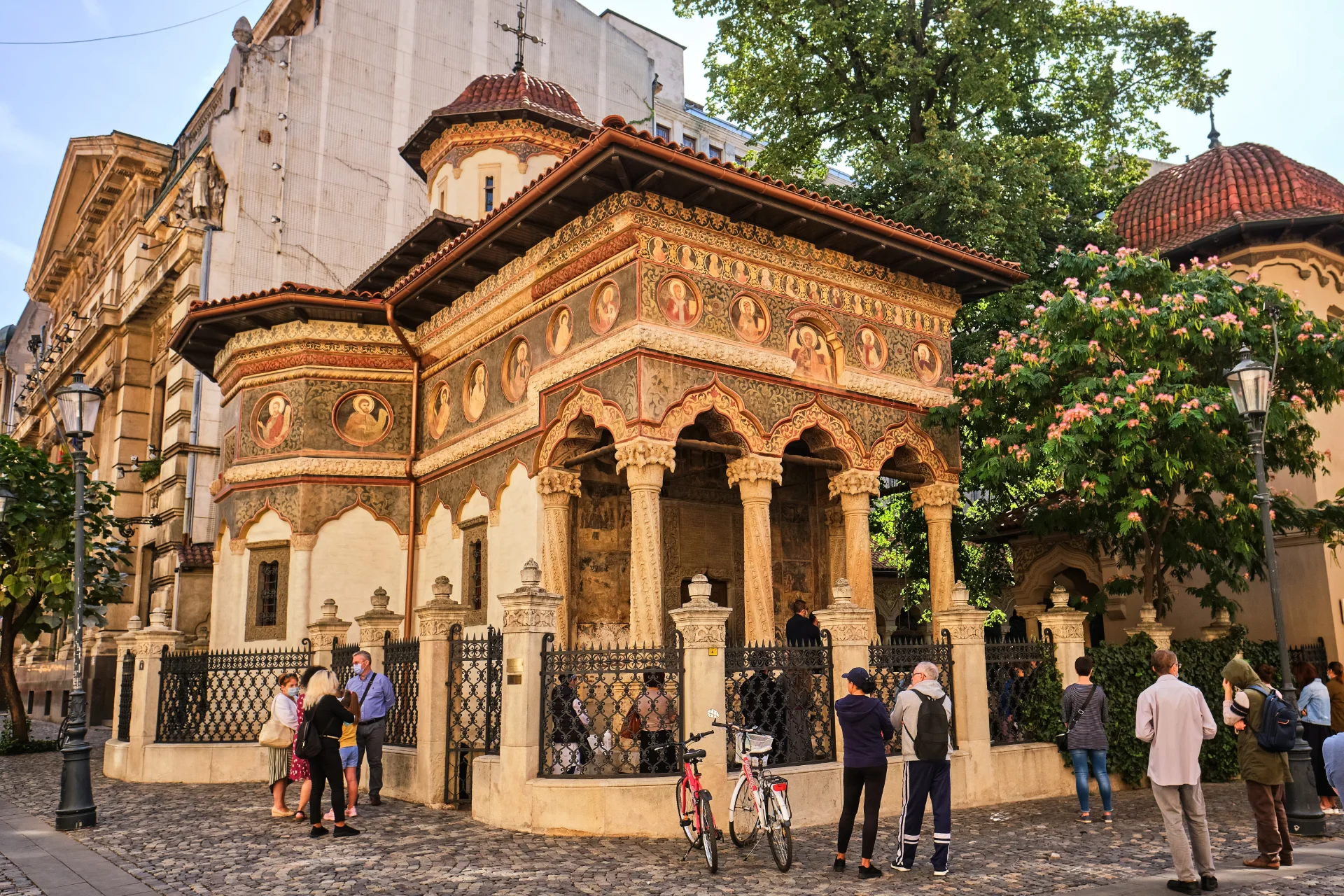
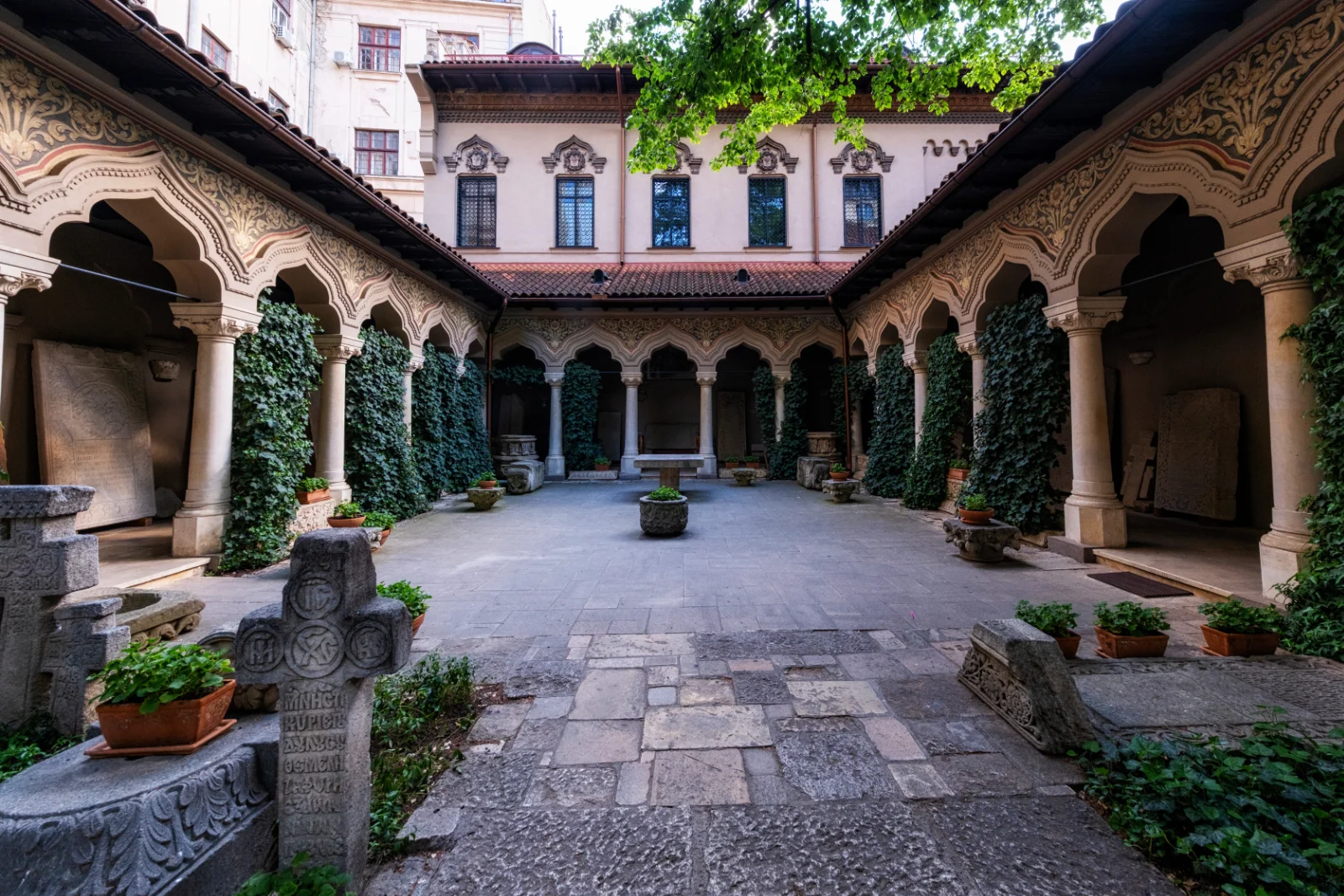
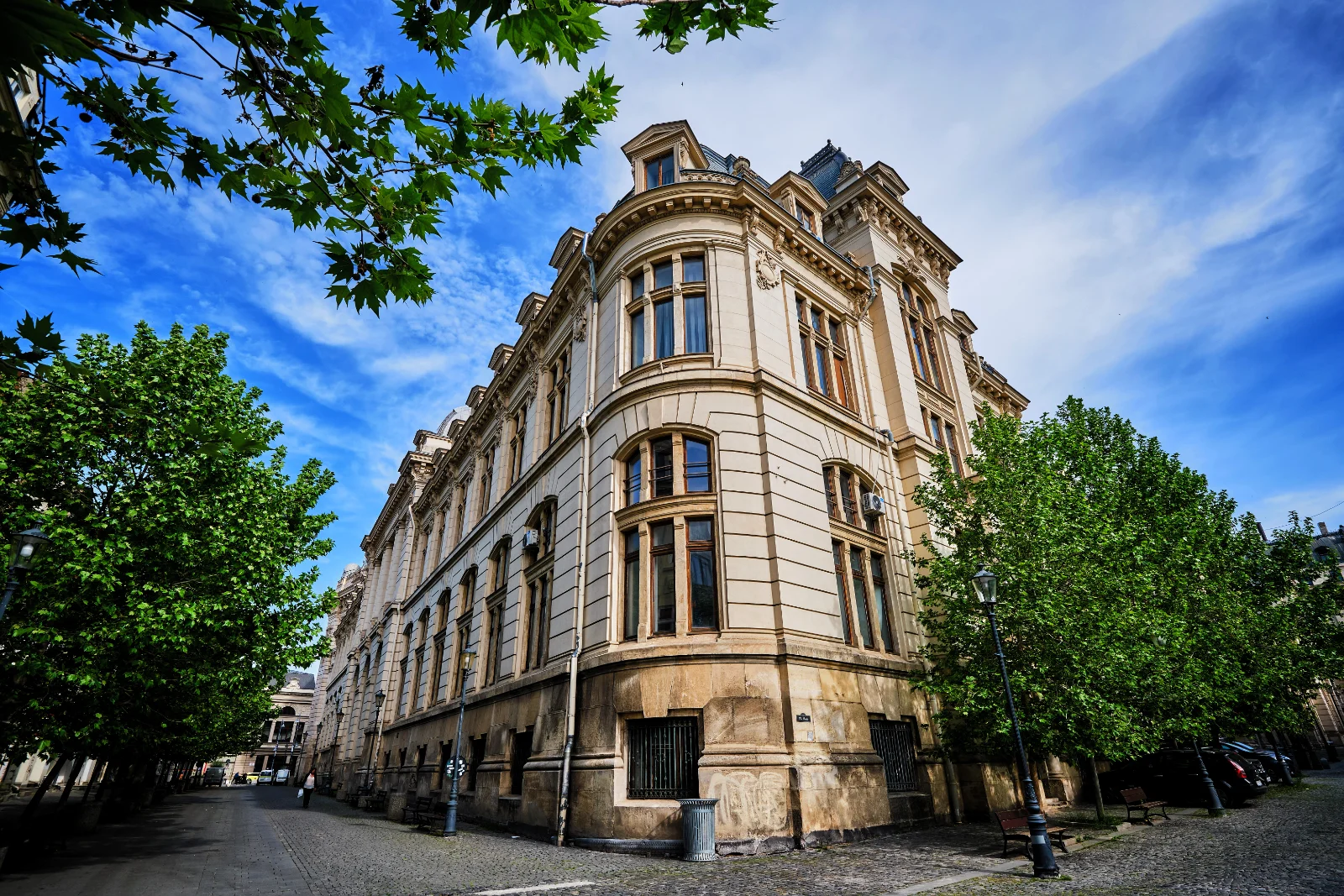
Right in front of the church we can admire one of the oldest and most famous inns of Bucharest. Manuc’s Inn (Hanul lui Manuc) is still preserving much of its authentic aspect and was built in 1808 by a wealthy Armenian entrepreneur. It is the oldest hotel-type building in Bucharest and has housed important historical events. Still on French Street, a little to the west, we can also visit the beautiful St. Demetrius – Post Church, dated in 1819 and featuring several holy relics, as well as the only old icon of St. Judas Tadeo in Bucharest. A few steps to the north along the rear walls of the National History Museum, there is one of the most beautiful churches in the city. The Stavropoleos Monastery Church features a superb traditional Brâncovenesc style and houses the largest collection of Byzantine music books in Romania. It was built in 1724 by a Greek monk that owned an inn, both the monastery and the inn being demolished by the end of the 19th century.
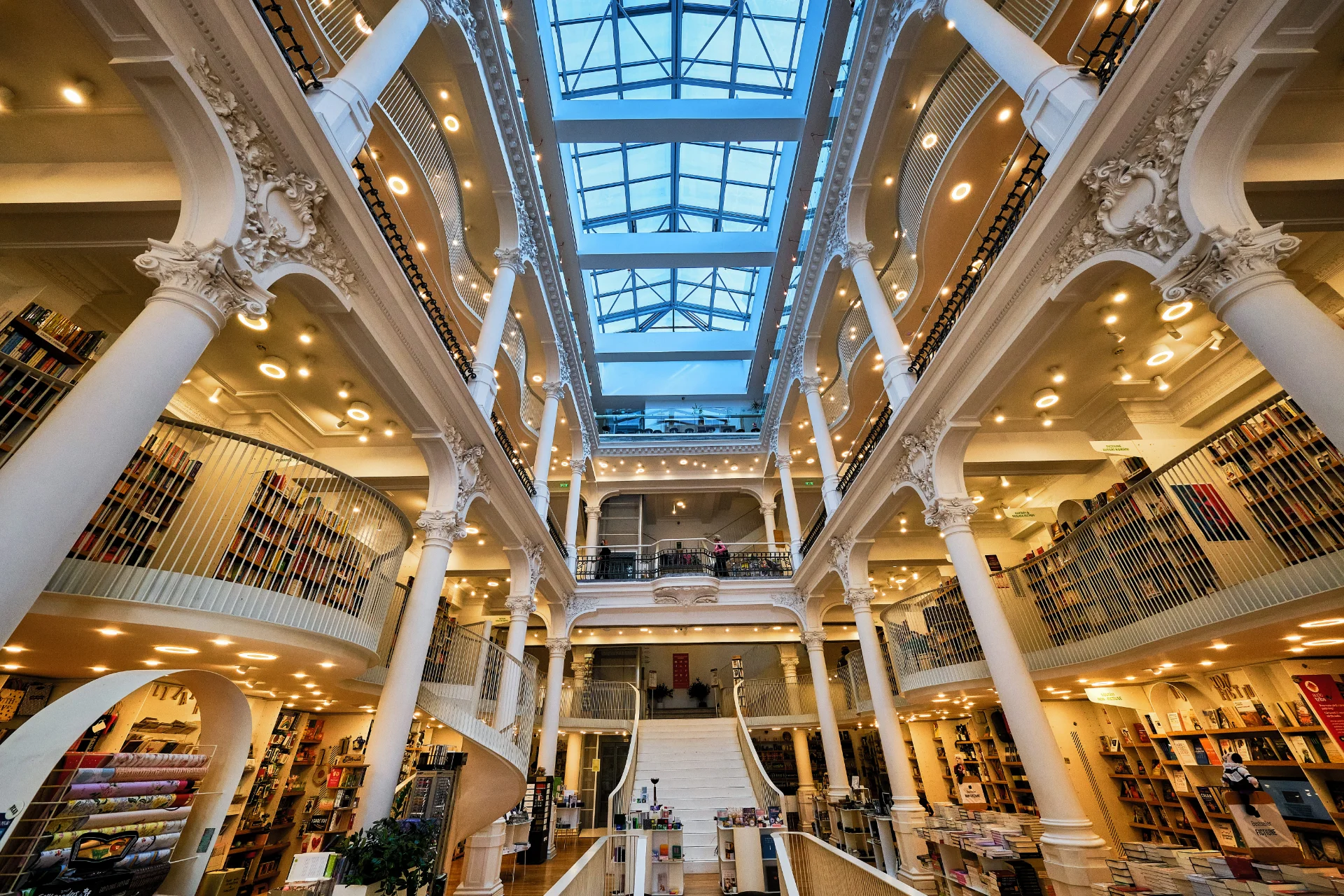
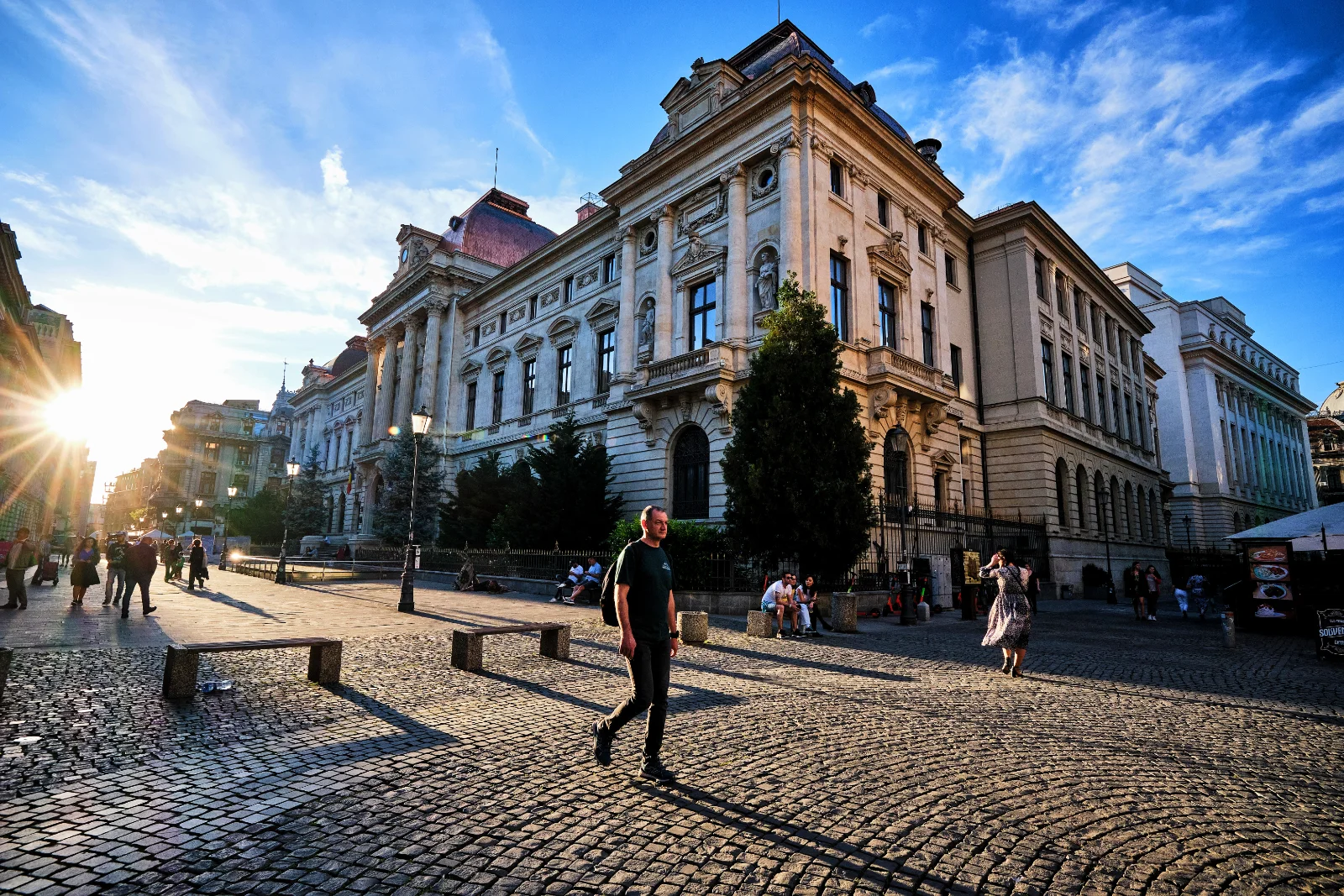
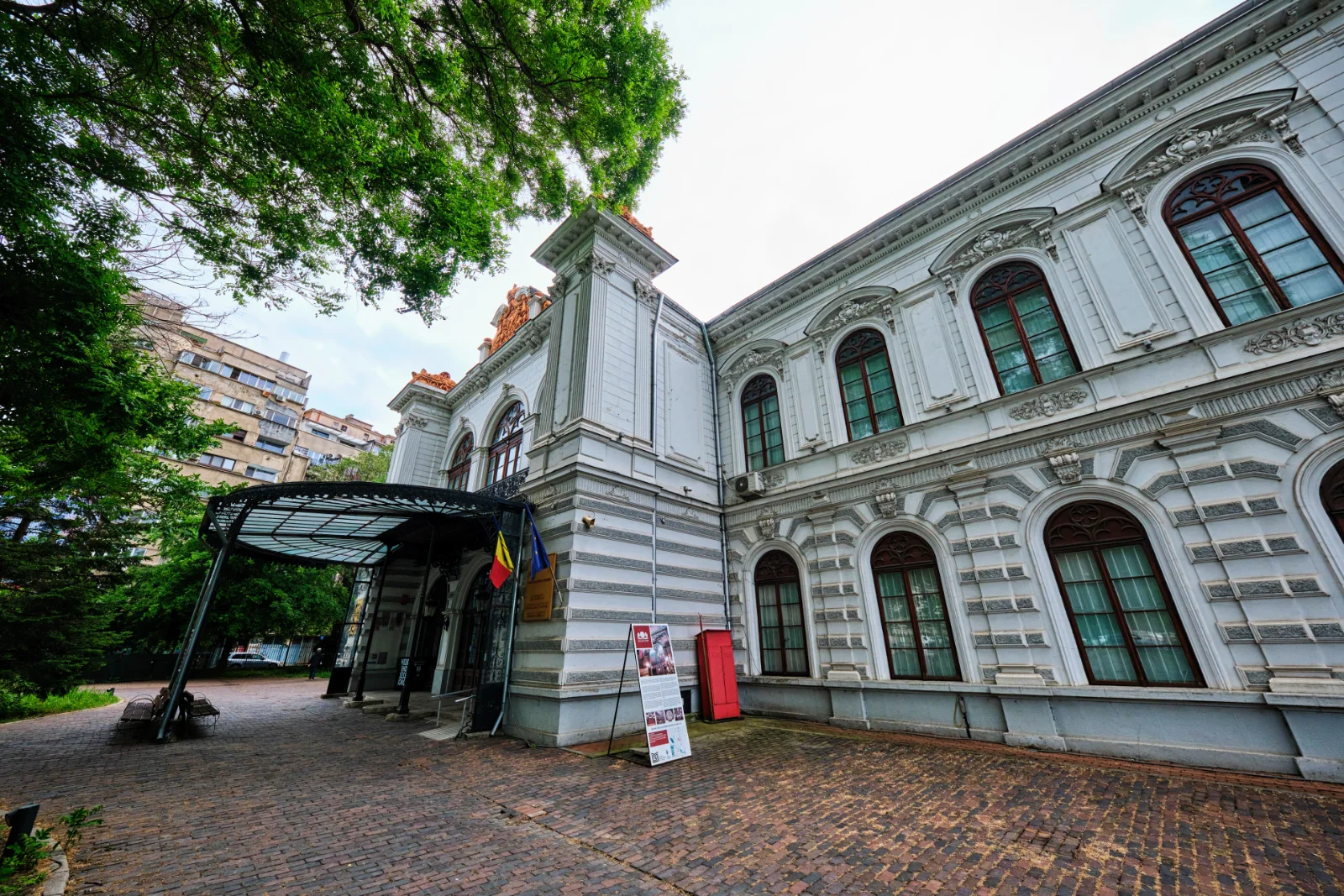
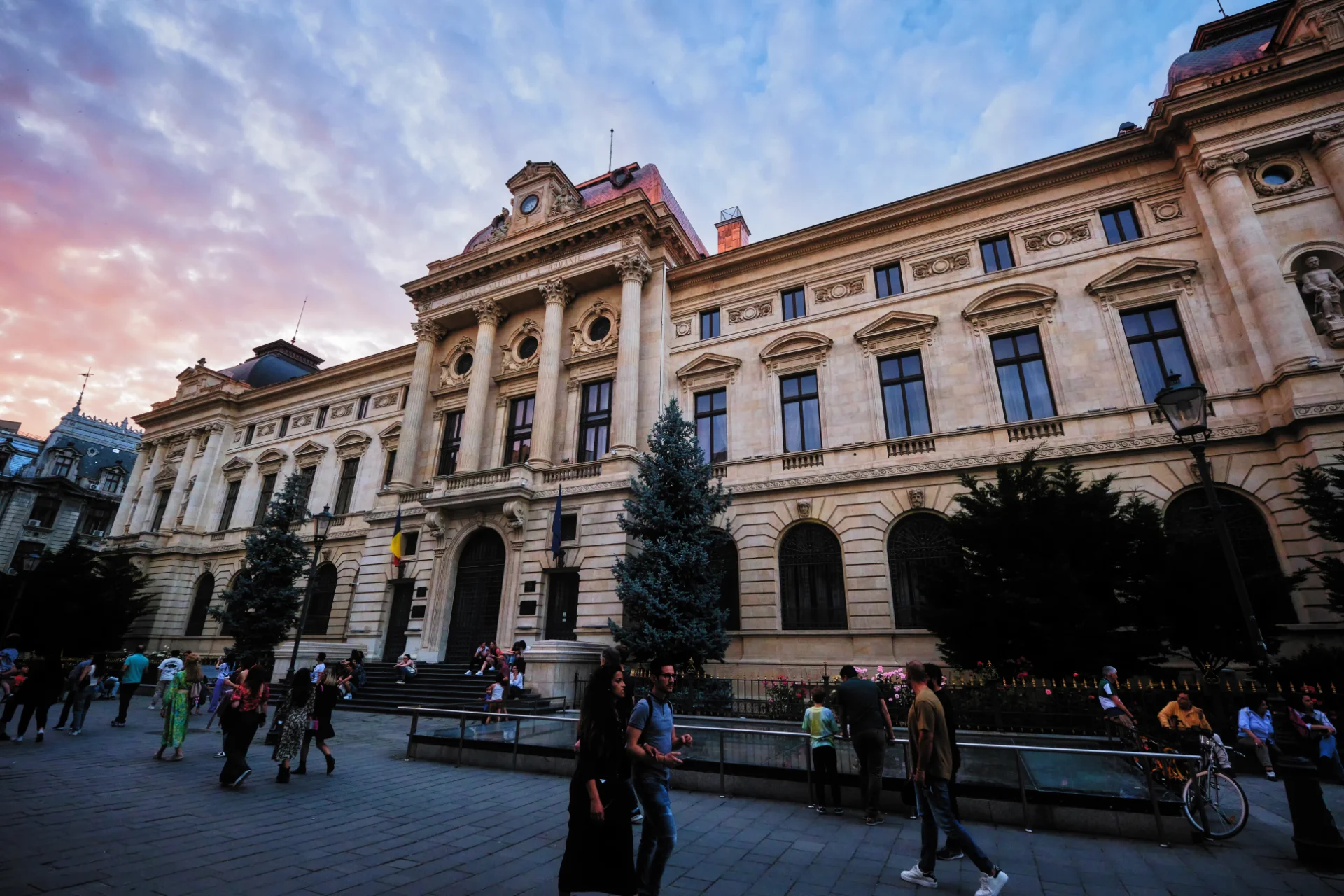
Moving over to Lipscani Street, this is one of the most enchanting areas in the Old Town. Here, we can admire the superb architecture of the Romanian National Bank or the Pinacotheque Palace. One of the lesser-known treasures of Bucharest is the “Little Paris” Museum which features fascinating exhibits reviving the atmosphere of the city at the dawn of the 19th century. One of the most spectacular attractions on Lipscani Street is the modern Cărturești Carusel Bookstore, with its unique interior design. Another historical inn of Bucharest can be found nearby. The Linden Tree Inn (Hanul cu Tei) was built in 1833 and has preserved much of its original look, although today it houses art galleries and bars. Other interesting attractions on the western side of Bucharest Old Town include the St. Elias Church – Colței Inn, St. Nicholas Șelari Church, the Romanian Kitsch Museum, and more.
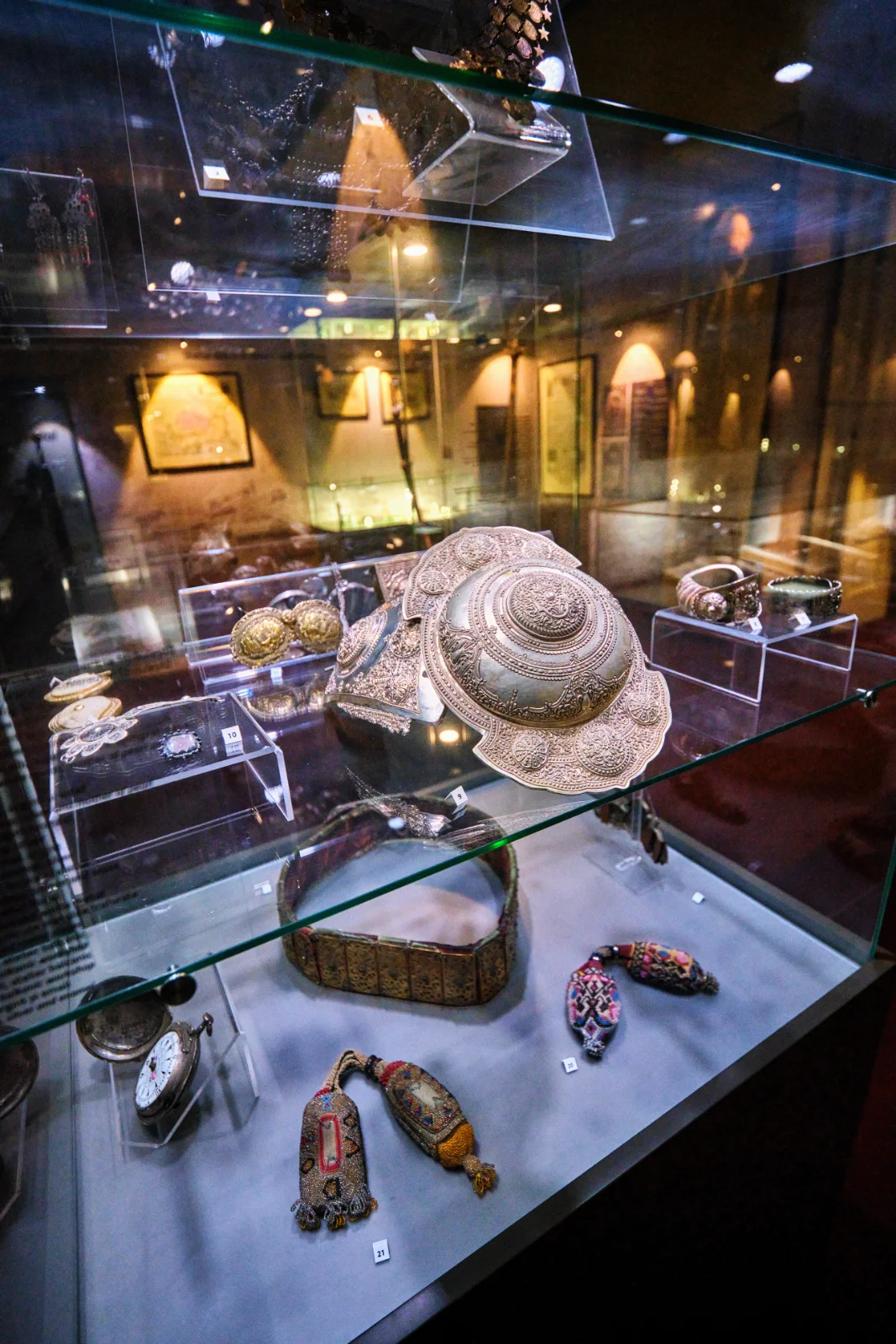
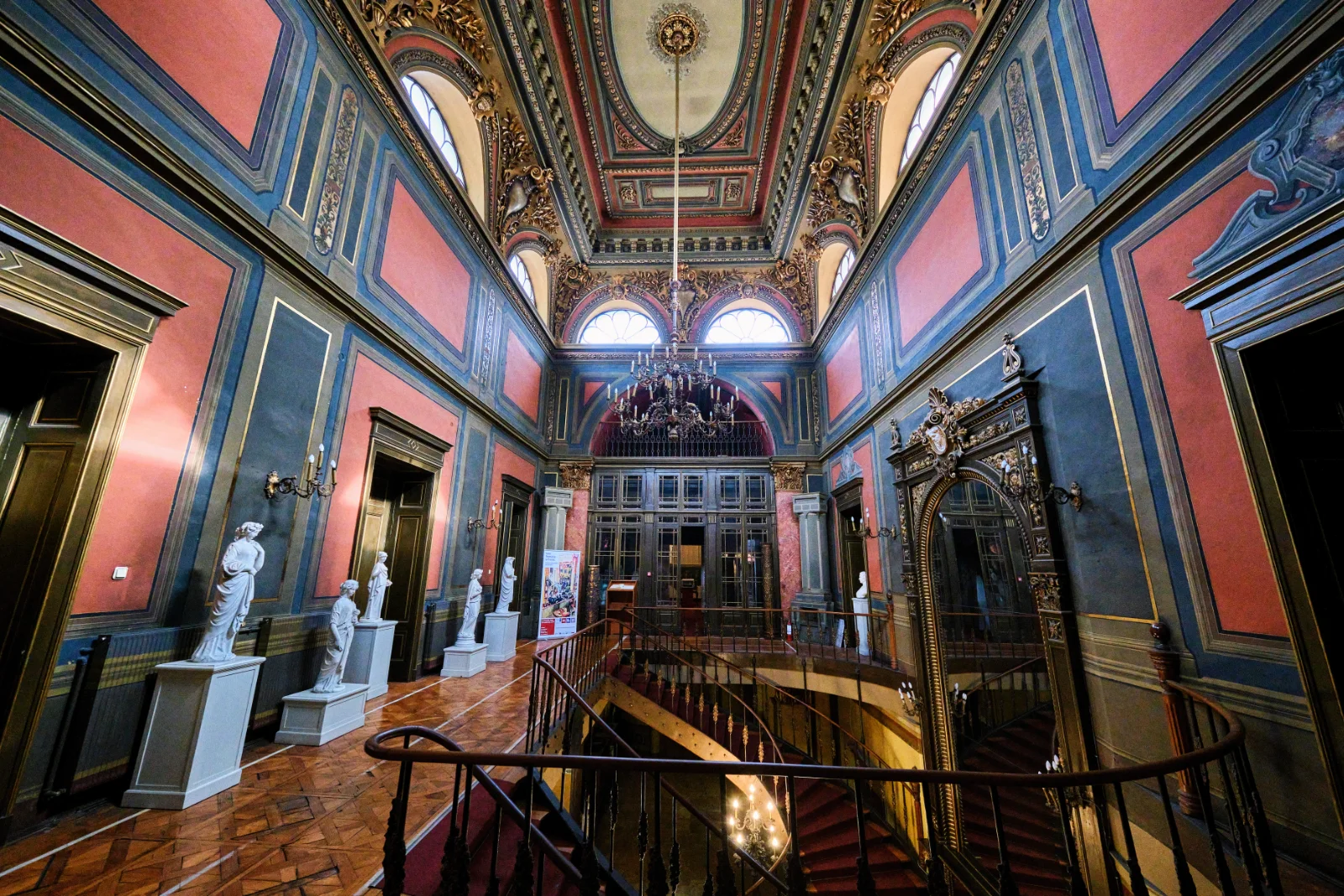
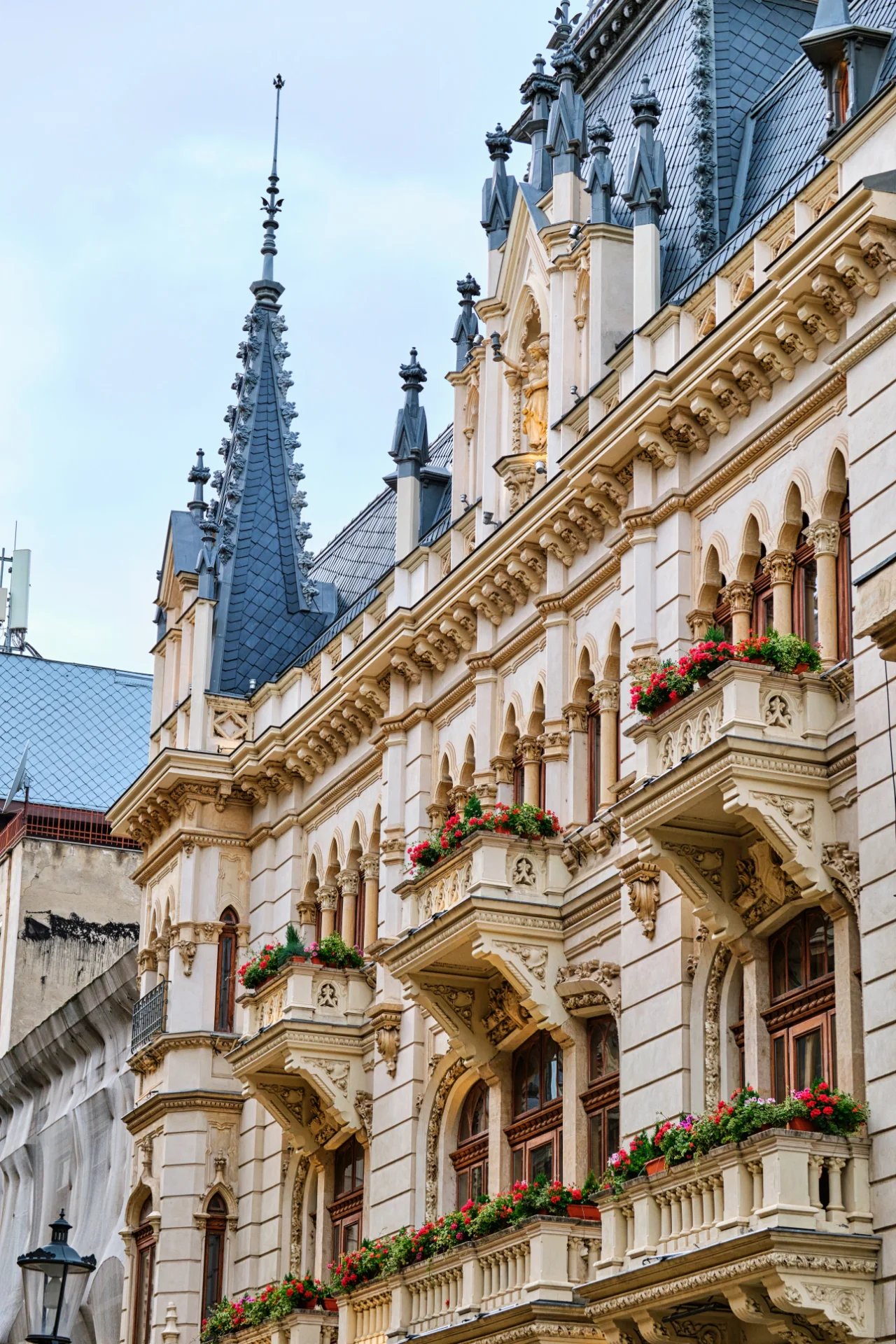
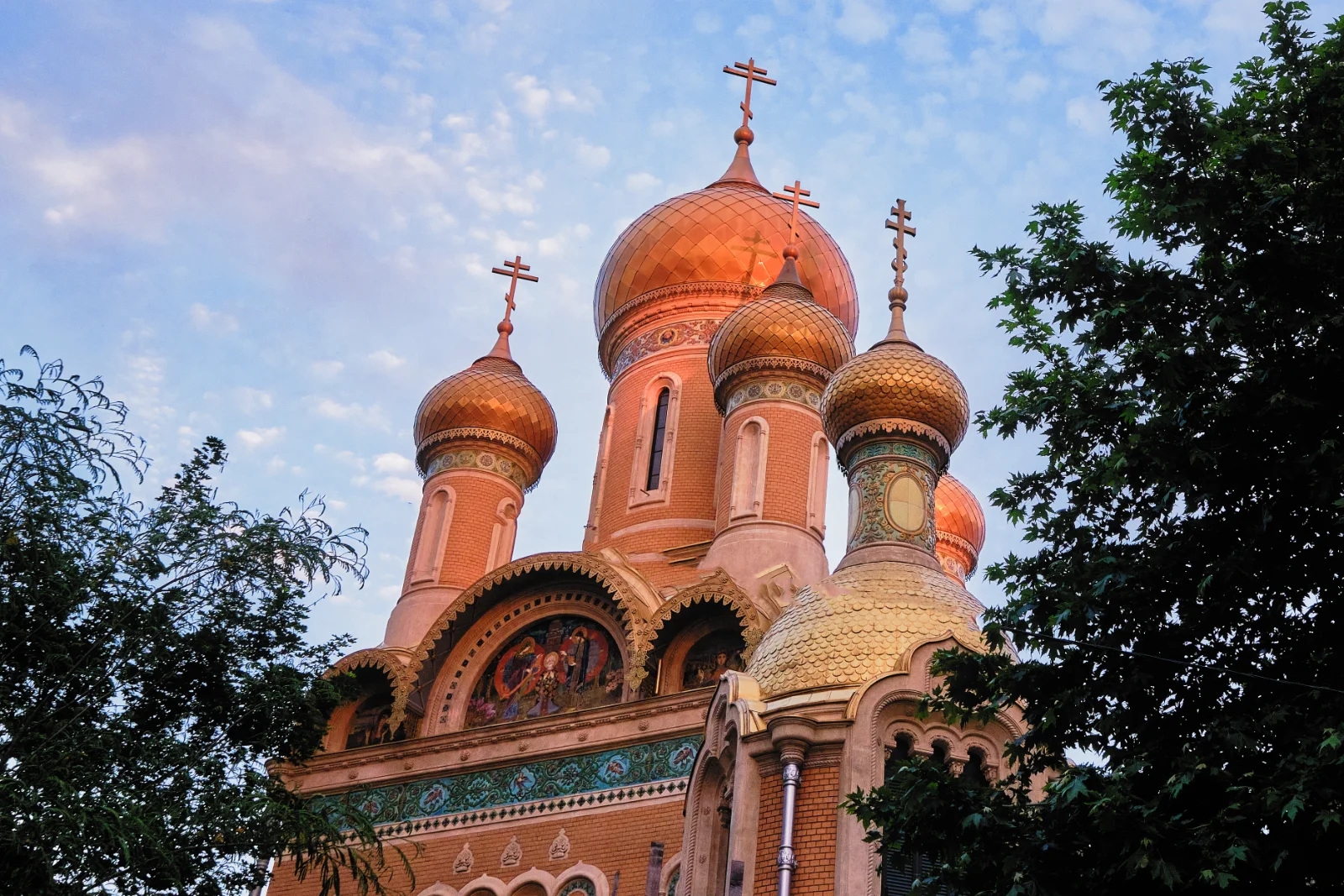
Surrounding the busy University Square, we can discover other beautiful landmarks, starting with the Bucharest Municipality Museum, located inside the superb Șuțu Palace. It includes a wide collection of objects and exhibits that tell the story of Bucharest and its people through the ages, including documents, photographs, artwork, textiles and many others. This museum also manages many smaller collections and memorial houses in Bucharest. Nearby, we can admire the amazing domes of St. Nicholas or Russian Church, initially covered in gold and very unusual for Romania. On the other side of the busy I.C. Brătianu Boulevard that was built over part of the old town, there are several heritage sites, starting with the old Colțea Church, which was built in 1702 and was once part of a monastery. It includes beautiful interior paintings and decorations. A little to the south, next to the amazing St. George New Church is the Kilometer Zero Monument, marking the place from which all distances in Romania are measured.
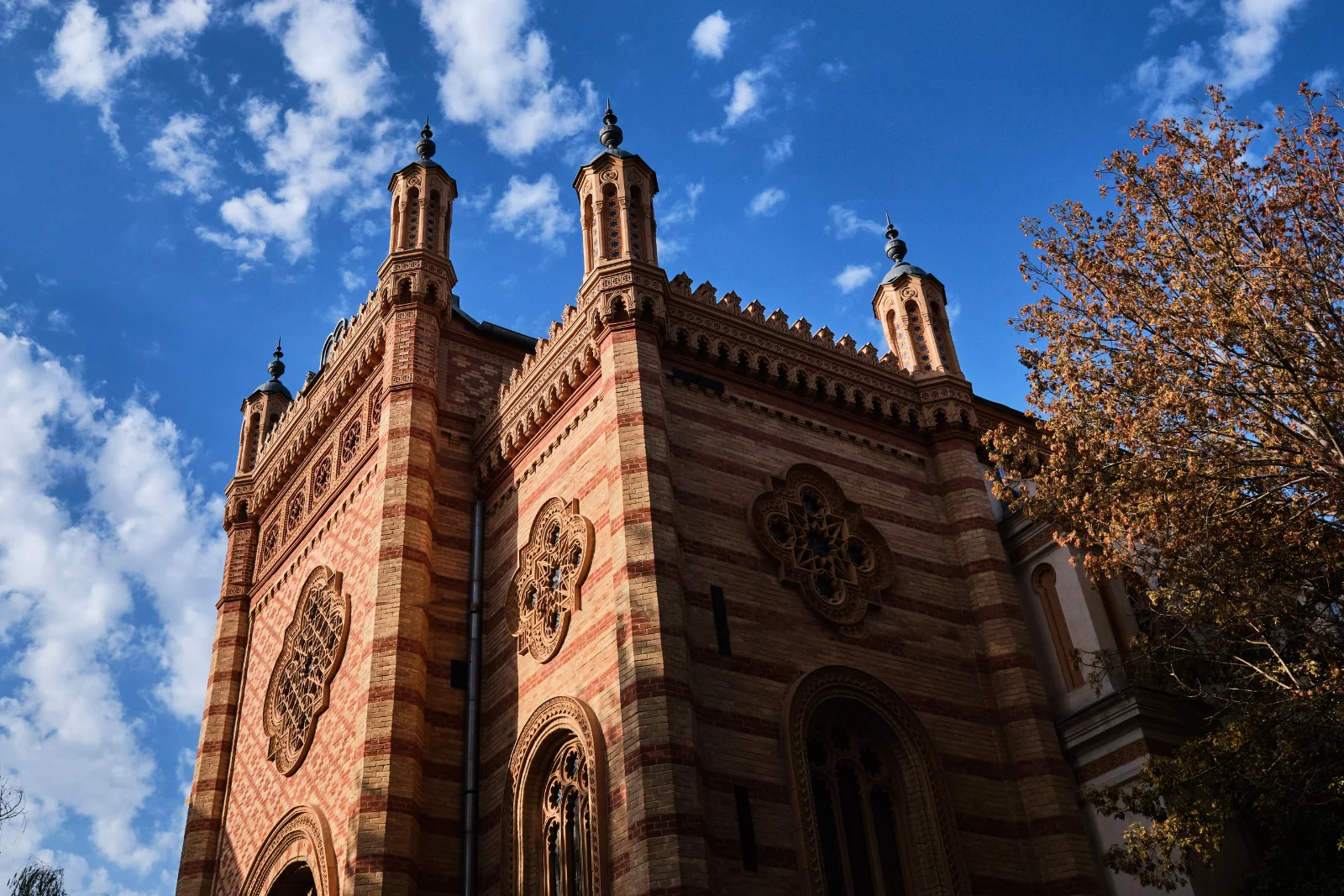
The southeastern corner of the old town is part of the so-called Jewish Quarter, with the Coral Temple built in the mid-19th century as a replica of the Great Synagogue in Vienna. These are only the most important places to see while visiting Bucharest’s Old Town, as other hidden marvels can only be discovered by wandering around the maze of streets and alleys, especially around Lipscani Street, French Street, Șelari Street, Blănari Street, Doamnei Street, Moșilor Avenue, Colței Street and others. A mix of cultural heritage and entertainment haven, this is one of the most fascinating destinations of the country. Far from perfect, the old city area of Bucharest is a mandatory experience when visiting the capital of Romania!
SIGHTS OF Bucharest Old Town
Old Princely Court
The capital moved here in 1659, and the core of the city’s development was the voivodal palace now known as Curtea Veche. After numerous disasters, archaeological research has revealed some of the old structures, and a modern museum will be set up here where visitors can admire the historical remains and discover the ancient history of Bucharest. The only element of the complex that has remained relatively unchanged is the Curtea Veche Church (“Buna Vestire” and “Sfântul Anton”), built between 1545 and 1554 by Prince Mircea Ciobanul, now the oldest religious building in the capital. Inspired by the church of the Cozia Monastery, it was the coronation site of the princes of Wallachia for two centuries.
Lipscani Street
Taking its name from the old merchants who brought goods from Leipzig and sold them in the shops here since 1750, Lipscani Street is certainly among the most picturesque and fascinating in Bucharest. In addition to various shops (the most famous were the textile shops), there were also several inns (Gabroveni, Șerban Vodă, Zlătari), and later banks, bookstores, and others. Once the heart of the medieval city, Lipscani Street is still famous and often the busiest in the old town, flanked by a multitude of beautiful buildings and interesting attractions.
Bucharest City Museum
Although many believe that the municipal museum is represented only by the building located in University Square, it comprises no less than 12 different museums and memorial houses scattered throughout the city, representing a complex cultural experience. The museum housed in the Șuțu Palace is, however, the best known and most visited, containing a rich collection of exhibits that show the evolution of the city and the lives of its inhabitants over time. The other sections of the museum include the Old Court Museum, the Bucharest Art Gallery, the Theodor Aman Museum, the Victor Babeș Museum, the Astronomical Observatory, the Nicolae Minovici Museum, the Filipescu-Cesianu House, the Dinu Lipatti House, and others.
Hours: Wednesday-Sunday / 10 a.m. – 6 p.m. | Tickets: 30 lei (6 Euro)/adult
Stavropoleos Church
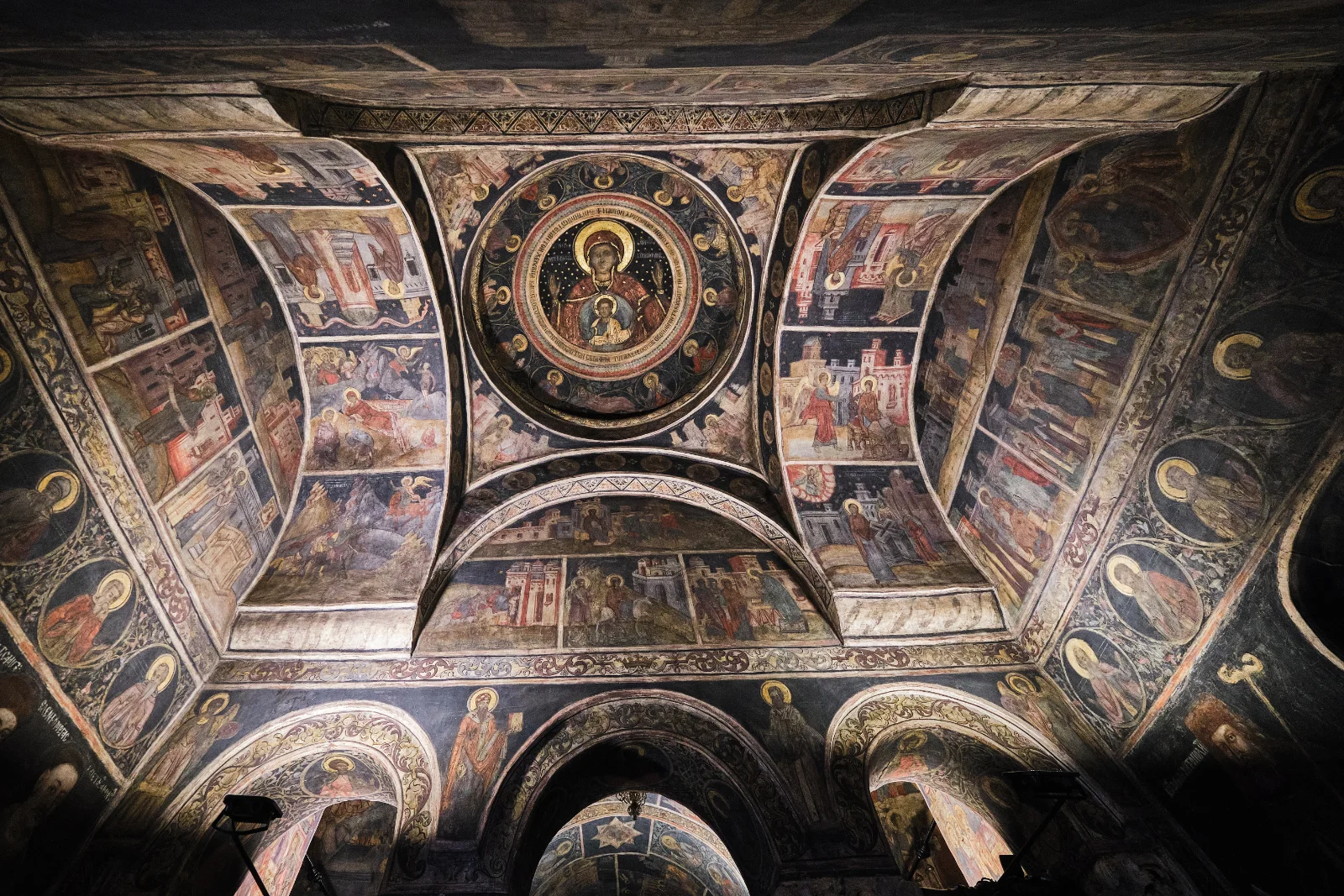
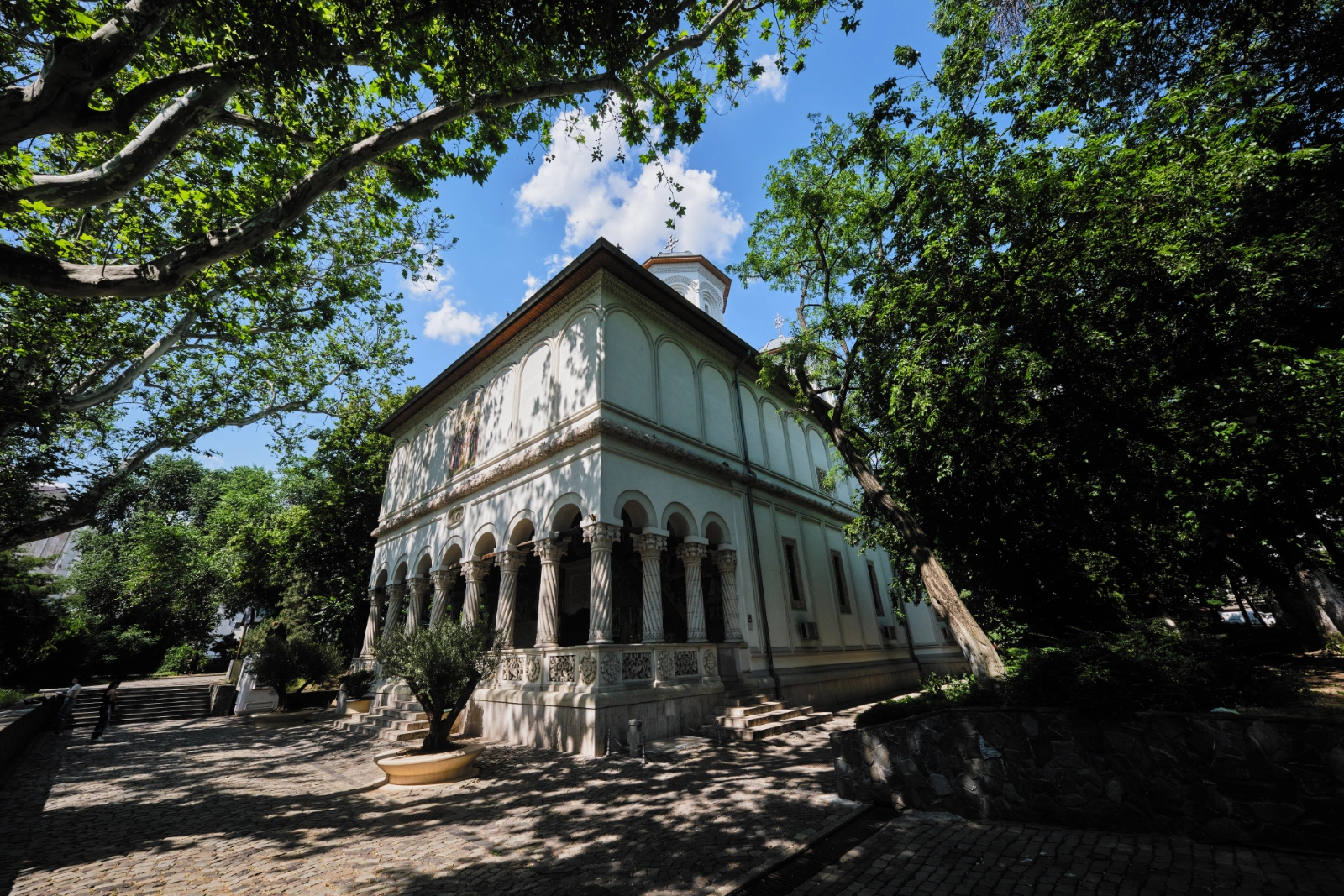
One of the most beautiful examples of Brâncovenesc architectural style, this small church and surrounding monastery was built in 1724 by a Greek monk who also owned a nearby inn. Both the monastery and the inn were demolished at the end of the 19th century, and the church also suffered damage from earthquakes. In addition to its interior paintings and superb icons, it also houses the largest collection of Byzantine music books in Romania. In 2008, the Stavropoleos Monastery was re-established, and the community of nuns here is also involved in the restoration of old books and icons.
Cărturești Carusel Library
Located on the charming Lipscani Street, this amazing bookstore is one of the newest and most unique attractions in Bucharest’s old town. Built in 1860, the historic building was first a bank, then a general store, and was completely restored and transformed in 2015. Today, the bookstore is one of the most visited and admired attractions in the old town, spread over six floors and offering a spectacular interior design with balconies, columns, and ornate staircases, as well as over 10,000 books and other products.
Hours: Daily / 10 a.m. – 10 p.m.
Little Paris Museum
This unique museum in the city center aims to bring back to life the specific atmosphere of interwar Bucharest, in a unique combination of French and Ottoman influences, with typical Romanian flavor. The museum presents the interior of a bourgeois villa in Bucharest between the two world wars, as well as objects reminiscent of that era, including furniture, ceramics, costumes, photographs, and more. The museum includes a café and a vintage photo studio!
Hours: Daily / 11 a.m. – 7 p.m. | Tickets: 45 lei (9 Euro)/adult
Hanu lui Manuc Restaurant
With a history spanning over two centuries, this historic inn is one of the symbols of hospitality in Bucharest. It was originally built in the early 19th century by a wealthy Armenian merchant named Manuc Bei. Over time, the inn has hosted important historical events, but it has also gone through difficult times, being renovated and restored several times. Currently, Manuc’s Inn includes a traditional restaurant, cafes, and other commercial spaces, with plans to open accommodation facilities inside.
Hours: Daily / 10 a.m. – midnight
Caru cu Bere Restaurant
One of Bucharest’s renowned historic restaurants, the old restaurant was built in the early 20th century by a Transylvanian merchant whose family also had other businesses in the area. The gorgeous building with rich decorations is now a historical monument and hosts one of the most prestigious traditional restaurants in the city, sometimes offering musical performances. It boasts authentic Romanian dishes, but also internationally inspired ones, with several unique recipes, including special beer!
Hours: Daily / 9 a.m. – midnight
Nightlife
As night falls, especially in the warm season, the old town transforms into a completely different place and the atmosphere changes dramatically. The pace becomes almost hypnotic, with rivers of people flooding the most popular streets, frantically searching for the liveliest restaurants and clubs. We often feel that we could be swept away by the endless wave and end up in a crowded pub, sharing a table with a group of noisy English people, quickly forgetting the almost bohemian atmosphere we felt just a few hours ago. Many carefree tourists lose themselves in the darkest corners of this endless universe of dreams and pleasures.
Other Sights
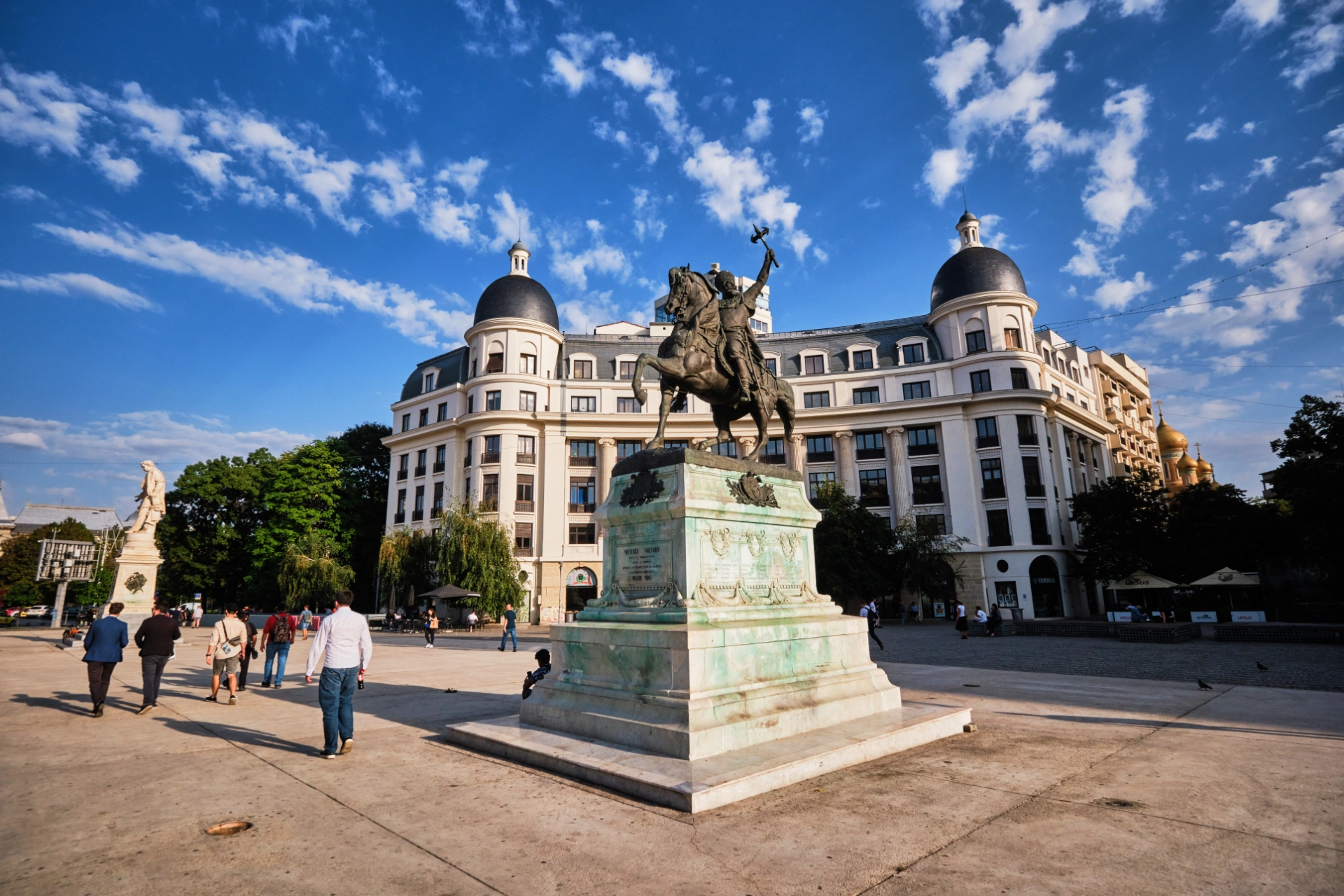
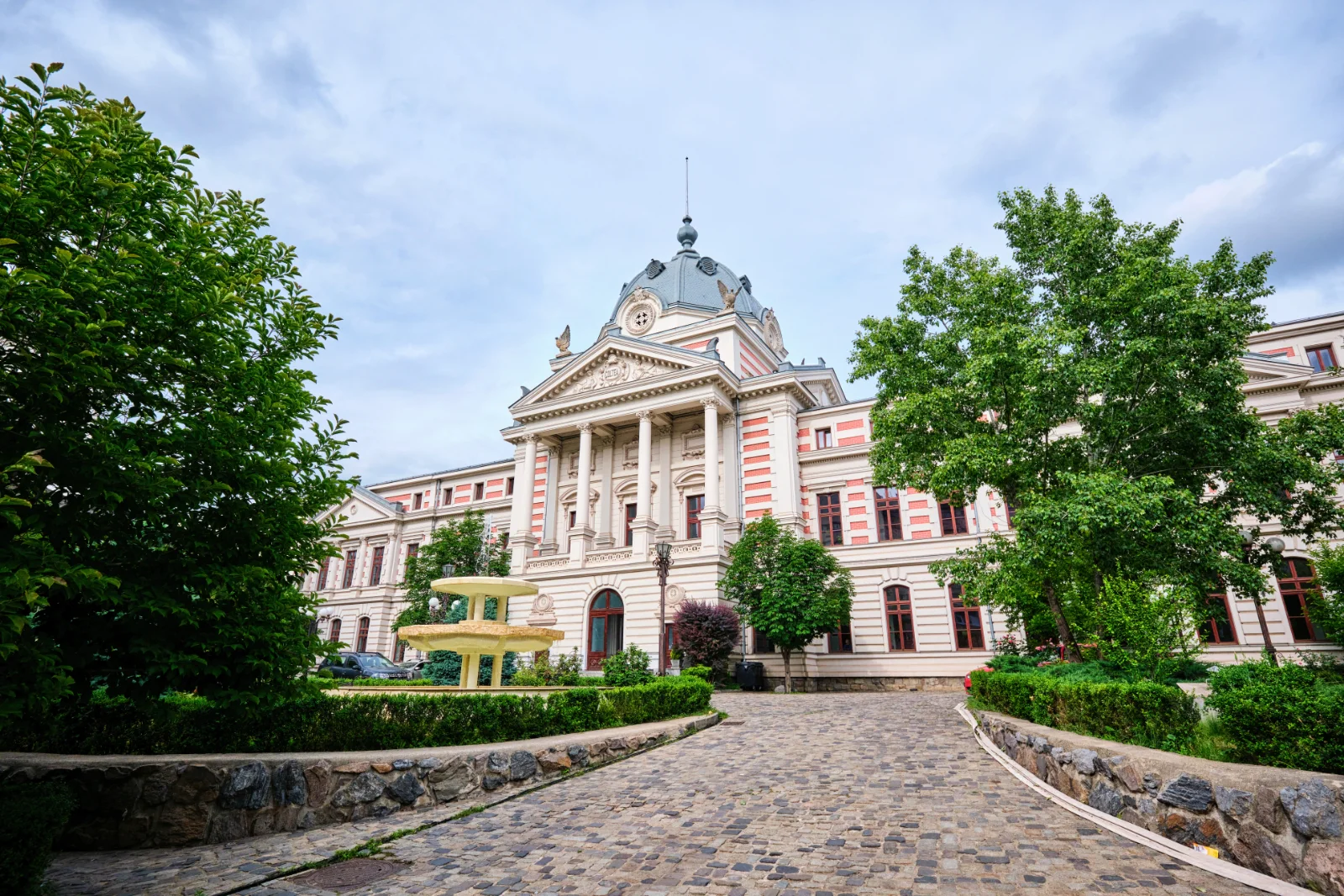
One of the largest and most beautiful squares in Bucharest, it is almost always crowded, but retains its unique charm. University Square is surrounded by numerous impressive buildings and other interesting attractions, the most representative being the University of Bucharest, the National Theater, the Intercontinental Hotel, the Șuțu Palace, St. Nicholas Church, Colțea Hospital, and Colței Church. In addition to the most famous historic churches in the Old Town, which everyone knows and visits, there are several other hidden architectural treasures here.
Coltea Church is dedicated to the Three Hierarchs and dates back to the early 18th century, making it one of the oldest monuments in the capital. The Church of Our Lady dates back to the end of the 17th century, having been built by Maria Cantacuzino and is appreciated for its unique architecture. The Church of St. Nicholas – Șelari was rebuilt in 1868 after the previous churches here were damaged by earthquakes, and was painted by Gheorghe Tattarescu. Other beautiful churches in the old town include the Church of St. Elijah – Hanul Colței, the Church of Scaune, the Church of Răsvan, the Church of Bărăției, the Church of St. John – Nou, the Church of Doamna Bălașa, and the Church of St. George – Vechi!
Among the capital’s unique cultural experiences, the small Memories from the Communism Museum presents aspects of everyday life during the communist regime. It includes an apartment furnished and decorated according to the historical period, as well as extremely interesting objects and documents. It also has a café where guests can try drinks inspired by the communist era! Housed in a renovated historic building, the Football Museum is the first of its kind in Eastern Europe. It includes unique exhibits (trophies, authentic equipment) and a wealth of information about the history of the sport, all presented in an interactive way. On the ground floor, there is a bistro-restaurant where you can watch football matches, and the museum also includes a souvenir shop for football fans!
Accommodation in Bucharest Old Town
There are quite a few lodging options right inside the Old Town of Bucharest, although some might be quite in demand, crowded and noisy at night. Another aspect is that just outside this area, the prices are a little lower, so travelers might get better deals and experiences just a few minutes from the center. Some of the best hotels are located here and along the Victory Avenue!
Rating 9.3 from 1.569 Reviews
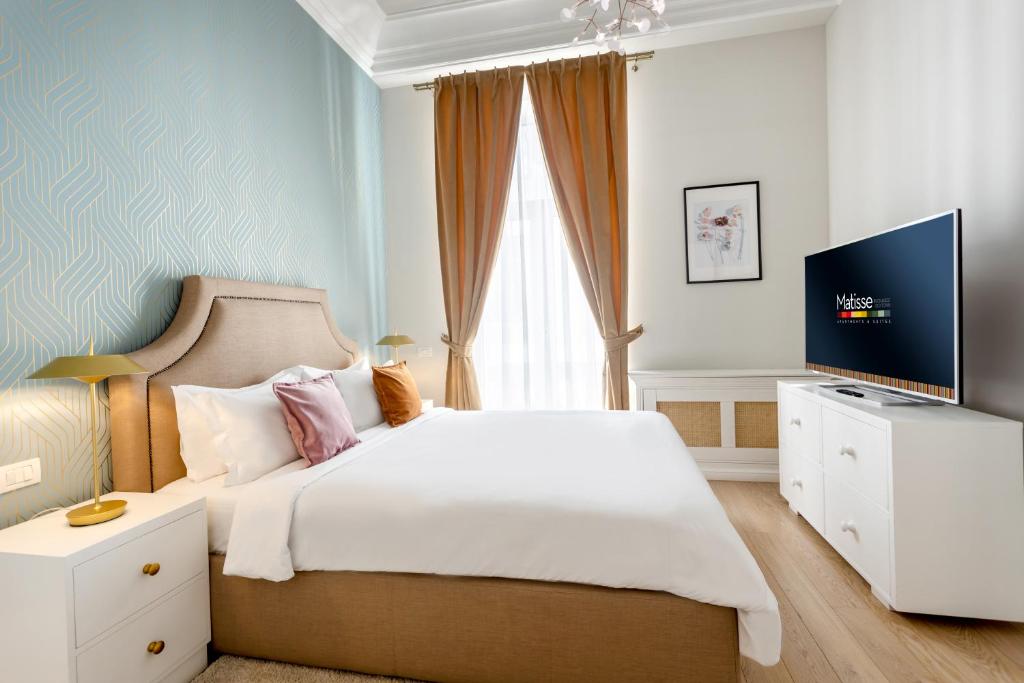
One of the most popular hotels in Bucharest’s Old Town, it offers accommodation in spacious and welcoming apartments with kitchenettes and private bathrooms!
9.0 Rating from 909 Reviews!
Located in the heart of the old town, this boutique hotel features amazing and uniquely designed rooms with charming ambiance and perfect amenities, a pleasant lounge and a delicious Italian restaurant!
Rating 8.9 from 5.849 Reviews
One of the most unique and fascinating accommodations of the old town is this elegant hotel with beautiful design and atmosphere, offering contemporary rooms with all amenities, a lounge, bar and fitness center!